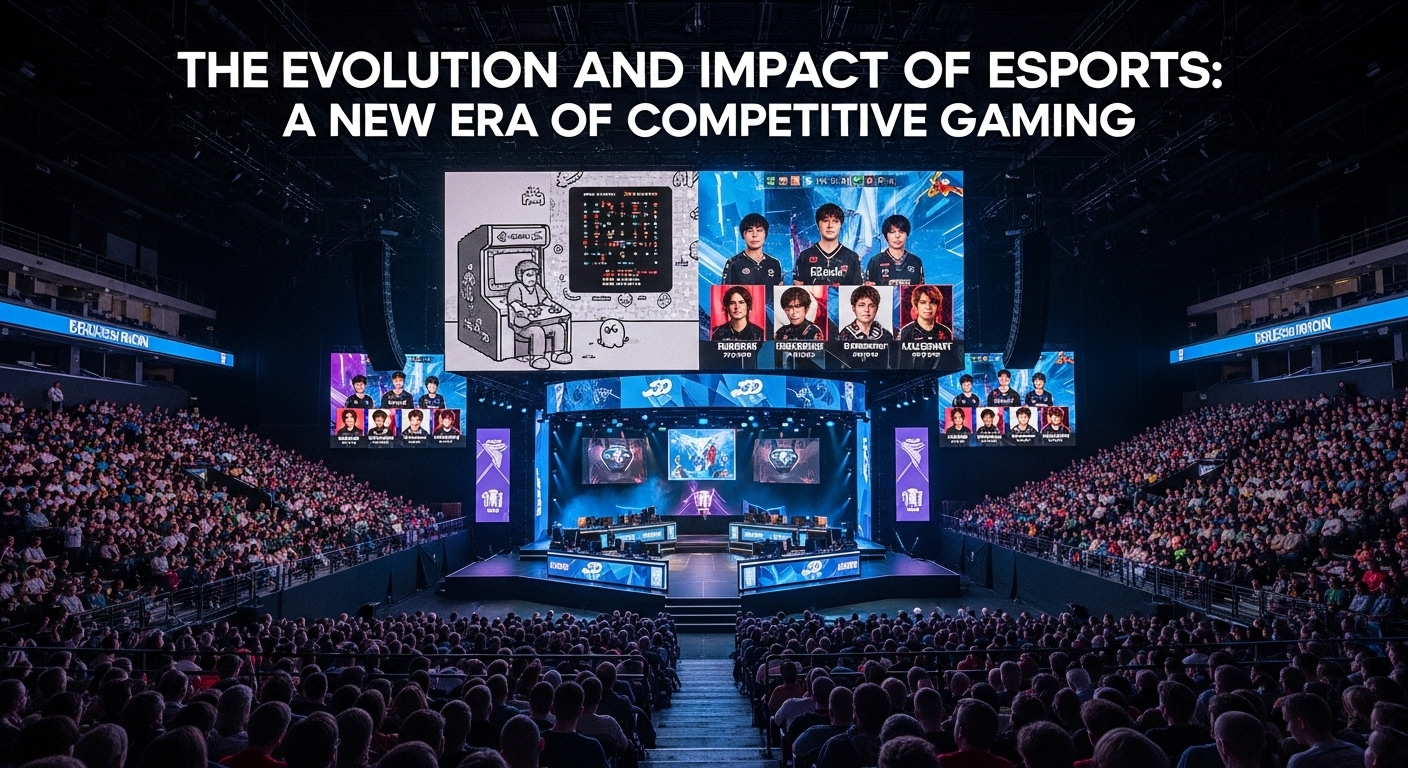





Esports, or competitive gaming, has evolved from niche communities into a billion-dollar global industry. Once considered a hobby for enthusiasts, esports now rivals traditional sports in viewership, sponsorship, and cultural influence. Professional players, leagues, and tournaments attract millions of fans worldwide, while universities offer scholarships and training programs to nurture the next generation of esports athletes. The industry’s rapid growth is fueled by technological advancements, social media, streaming platforms, and the dedication of passionate communities. This blog explores the rise of esports, the factors driving its popularity, its impact on players and audiences, and the future of competitive gaming on a global scale.
The Origins of Esports
Competitive gaming has roots that trace back to the early days of video games. In the 1970s, players competed in arcade games such as Space Invaders and Pac-Man, often appearing on local high-score leaderboards. The 1980s introduced larger tournaments and competitions like the National Space Invaders Championship, which brought players together in a more organized format.
The 1990s saw the emergence of online gaming and multiplayer communities. Titles like Doom, Quake, and StarCraft allowed players to compete over local networks and the early internet. These games created the first dedicated competitive communities, complete with rankings, strategies, and fan followings. By the late 1990s and early 2000s, organized leagues, sponsorships, and televised tournaments began shaping what we now recognize as modern esports.
The Role of Technology in Esports Growth
Technology has been the backbone of esports’ rapid rise. High-speed internet, powerful computers, advanced consoles, and streaming services have made it possible for players and fans to connect globally. Platforms like Twitch and YouTube Gaming allow millions to watch live tournaments, interact with players, and participate in virtual communities.
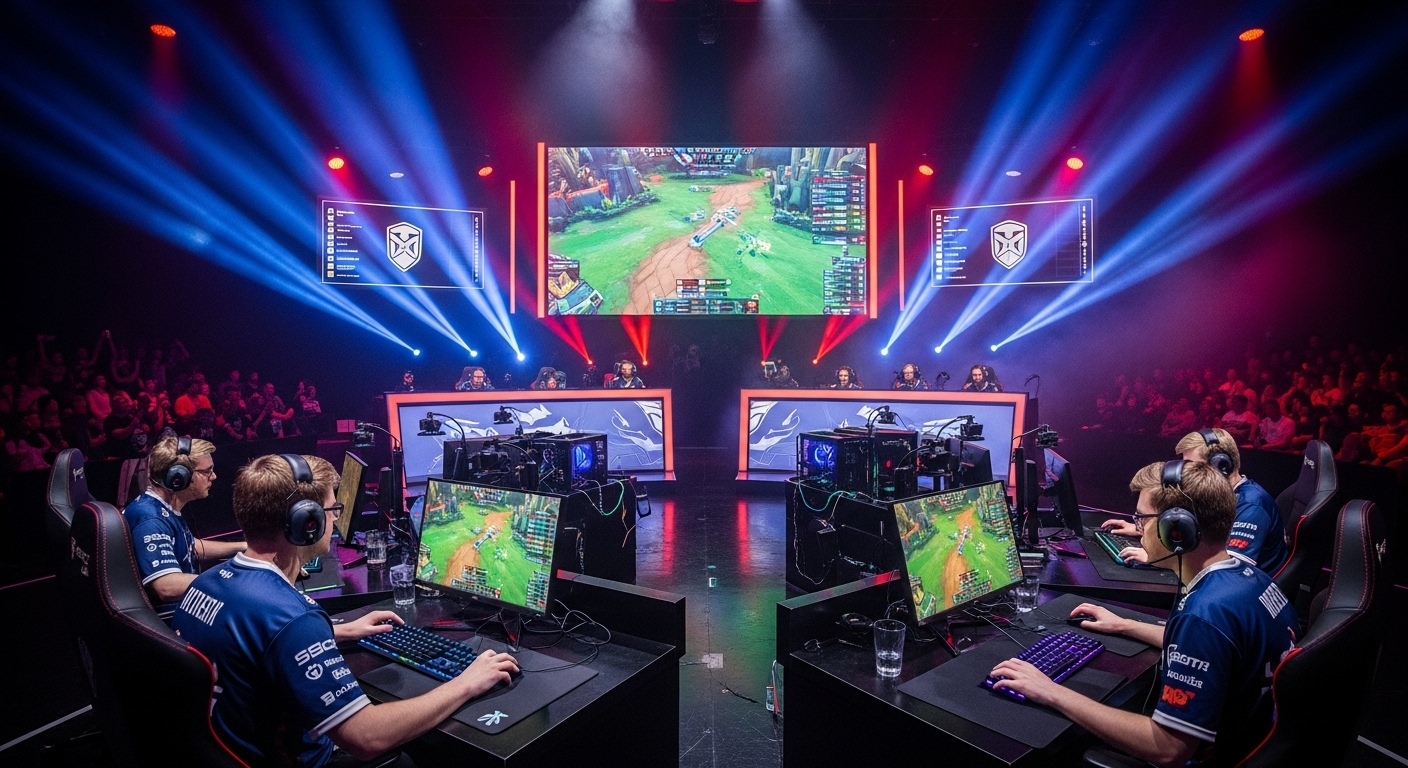
High-performance hardware and optimized game engines ensure that competitive matches are fair and skill-based. Professional setups include precision gaming peripherals, high-refresh-rate monitors, and low-latency networks, allowing players to perform at peak levels. Technology not only enhances the competitive experience but also facilitates content creation, community engagement, and global accessibility.
Popular Esports Titles and Their Mechanics
Several games have become staples in the esports ecosystem, each offering unique competitive mechanics and strategies. League of Legends and Dota 2 dominate the multiplayer online battle arena (MOBA) genre, emphasizing teamwork, strategy, and individual skill. Each match requires players to coordinate, manage resources, and make split-second decisions that can determine victory or defeat.
First-person shooters like Counter-Strike: Global Offensive and Call of Duty focus on precision, reflexes, and map control. Strategy games such as StarCraft II challenge players to manage economies, units, and tactical maneuvers simultaneously. Fighting games like Street Fighter and Super Smash Bros. require mastery of combos, timing, and psychological play against opponents. Each genre contributes to the diversity of esports, catering to different audiences and skill sets.
Professional Players and Training Regimens
Esports athletes are professional competitors who dedicate countless hours to mastering their craft. Unlike casual gaming, professional play demands discipline, strategy, and physical endurance. Top players follow strict training schedules that include practice matches, strategy analysis, and team coordination exercises.
Physical fitness is also important, as long hours of gaming can strain the body. Many professional players incorporate exercise, proper nutrition, and mental health routines to maintain performance. Coaches, analysts, and support staff further enhance team capabilities by reviewing gameplay, developing tactics, and preparing players for high-stakes competition.
The dedication and professionalism of esports athletes mirror that of traditional sports, emphasizing that competitive gaming requires both skill and discipline to succeed at the highest level.
Major Esports Leagues and Tournaments
Esports has grown into a structured industry with leagues and tournaments rivaling traditional sports in scale and prestige. Events like The International for Dota 2, the League of Legends World Championship, and CS:GO Major Championships attract millions of viewers and offer multi-million-dollar prize pools.
These tournaments are often held in large arenas, broadcast globally, and include commentary, analysis, and entertainment elements similar to conventional sports. Regional leagues, such as the Overwatch League or Call of Duty League, provide year-round competitive play, fostering fan loyalty and creating narratives around teams and players.
The organization and production quality of these events demonstrate that esports is more than just a hobby—it is a professional, marketable, and culturally significant form of competition.
The Economics of Esports
Esports generates revenue through multiple channels, including sponsorships, advertising, merchandise, ticket sales, and broadcasting rights. Companies recognize the marketing potential of reaching younger, digitally-savvy audiences, investing heavily in sponsorship deals with teams, tournaments, and individual players.
Streaming platforms offer subscription services, donations, and ad revenue, creating income for content creators and professional organizations. Merchandising, including apparel, peripherals, and branded goods, further contributes to the industry’s financial ecosystem. The economic impact extends beyond gaming, influencing technology sales, media production, and entertainment industries worldwide.
Esports and Community Building
Community engagement is at the core of esports’ success. Fans interact with players and teams through social media, forums, and live streams, creating a sense of belonging and shared identity. Communities provide feedback, support, and participation opportunities, allowing fans to shape the culture of competitive gaming.
Amateur tournaments, online leagues, and fan-run events enable aspiring players to gain experience and recognition. The communal nature of esports fosters mentorship, collaboration, and networking, bridging the gap between professional and grassroots players. Communities also drive content creation, discussion, and cultural trends, ensuring that esports remains vibrant and evolving.
Education and Career Opportunities in Esports
As esports grows, it has expanded into educational and professional development opportunities. Universities and colleges now offer scholarships and programs focused on competitive gaming, game design, and esports management. Students can pursue careers as professional players, coaches, analysts, content creators, or administrators.
The esports ecosystem also requires expertise in marketing, event management, broadcasting, and technology support. By providing structured pathways, educational programs legitimize esports as a career option and equip the next generation with the skills to thrive in a competitive, high-tech industry.
Mental and Physical Health in Esports
The intensity of competitive gaming places unique demands on players. Long hours of practice, high-pressure environments, and travel can affect mental and physical health. Professional organizations emphasize the importance of mental resilience, stress management, and work-life balance.
Physical conditioning is critical to prevent repetitive strain injuries, eye strain, and posture-related issues. Mental health support, including counseling and mindfulness techniques, helps players cope with the pressure of competition and public scrutiny. Awareness of these challenges has led to improved player care and the integration of wellness programs into professional esports teams.
The Role of Streaming and Content Creation
Streaming has become an integral part of esports, bridging the gap between professional play and fan engagement. Platforms like Twitch and YouTube Gaming allow players to broadcast matches, interact with viewers, and build personal brands. Content creation complements competitive play, offering fans behind-the-scenes access, tutorials, and entertainment.
Streaming has also democratized access to esports, allowing aspiring players to showcase their skills, attract sponsorships, and even transition into professional careers. The synergy between competitive play and content creation strengthens the industry, blurring the lines between athlete, entertainer, and influencer.
Esports as Mainstream Entertainment
Esports is increasingly recognized as mainstream entertainment, attracting sponsorships from major brands, coverage by traditional media, and collaborations with celebrities. The integration of esports into television programming, advertisements, and even movie tie-ins reflects its growing cultural influence.
Collaborations with non-gaming industries, such as music and fashion, expand esports’ reach and appeal. Tournaments are now celebrated events that draw international attention, emphasizing the entertainment value alongside competitive skill. Esports has become a global cultural phenomenon, bridging technology, sports, and media in unprecedented ways.
Challenges Facing the Esports Industry
Despite its growth, esports faces challenges that require attention. Issues such as player burnout, doping, cheating, and lack of regulation can threaten credibility. The industry also struggles with standardizing rules, contracts, and player rights across regions.
Monetization can create disparities between popular games and niche titles, leaving some communities underfunded. Additionally, maintaining healthy competition while managing toxic behavior in online communities remains an ongoing challenge. Addressing these issues is essential for the sustainable growth and legitimacy of esports.
The Global Impact of Esports
Esports transcends borders, bringing together players and fans from around the world. International competitions foster cultural exchange, teamwork, and mutual respect. Countries like South Korea, China, and the United States have become esports powerhouses, investing in infrastructure, training programs, and government support.
Esports also contributes to technological advancement, education, and economic growth. It inspires new forms of entertainment, storytelling, and interaction, influencing both digital and physical cultures globally. The international reach of esports highlights its potential as a unifying force in the digital age.
The Future of Esports
The future of esports is filled with exciting possibilities. Advances in virtual reality, augmented reality, and cloud gaming could transform how competitions are experienced. AI-driven coaching and analytics may enhance player performance, while new monetization models expand revenue opportunities.
Esports may continue to integrate with traditional sports, entertainment, and media, creating hybrid experiences that reach wider audiences. The industry will likely see further professionalization, improved player support, and greater accessibility, ensuring that competitive gaming remains a dominant force in global entertainment.
Conclusion
Esports has come a long way from humble beginnings in arcades and early online communities. Today, it is a sophisticated, professional, and culturally significant industry that rivals traditional sports in influence, engagement, and revenue. Through technological innovation, community building, and professional development, esports has transformed competitive gaming into a global phenomenon.
The rise of esports demonstrates that gaming is more than entertainment; it is a platform for skill, creativity, and human connection. As the industry continues to evolve, esports promises to inspire new generations of players, fans, and innovators, solidifying its place in the global cultural landscape for years to come.