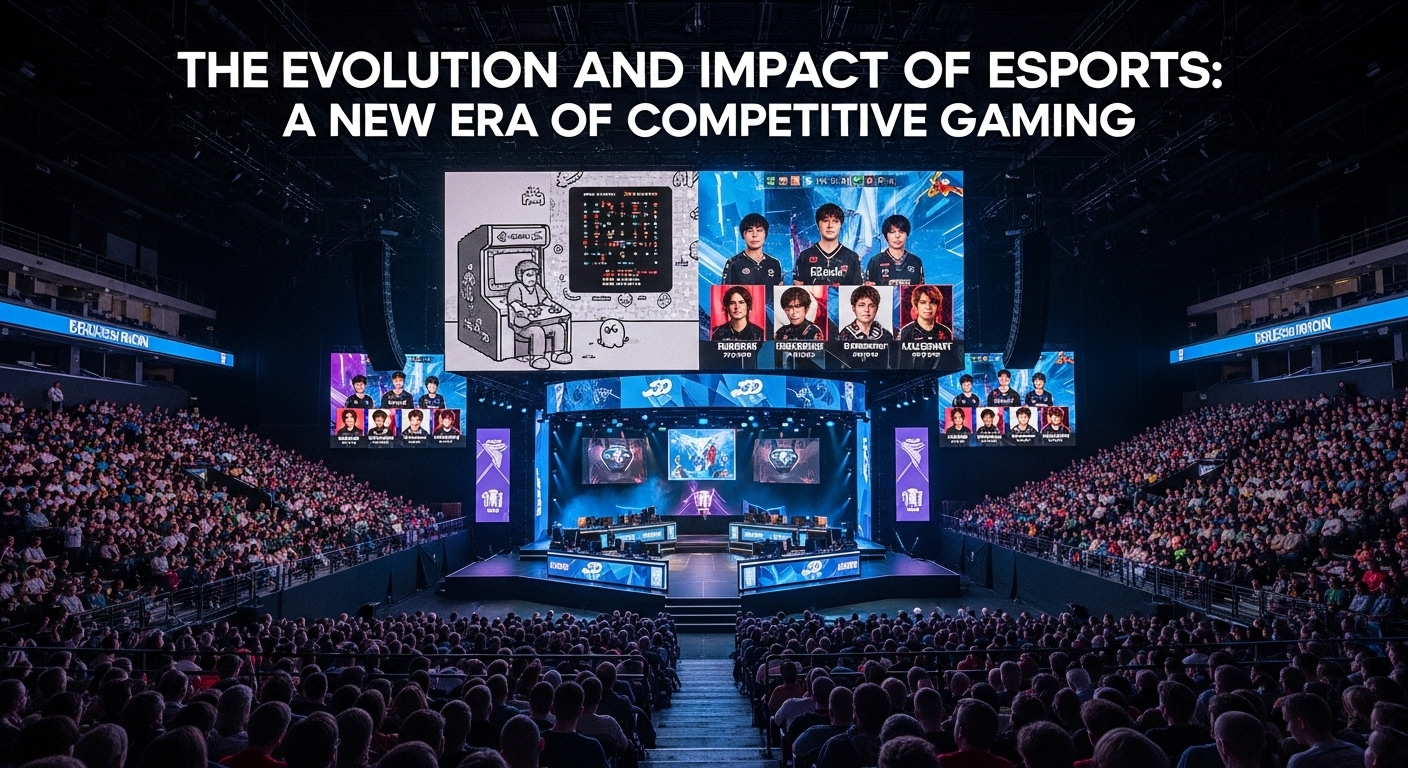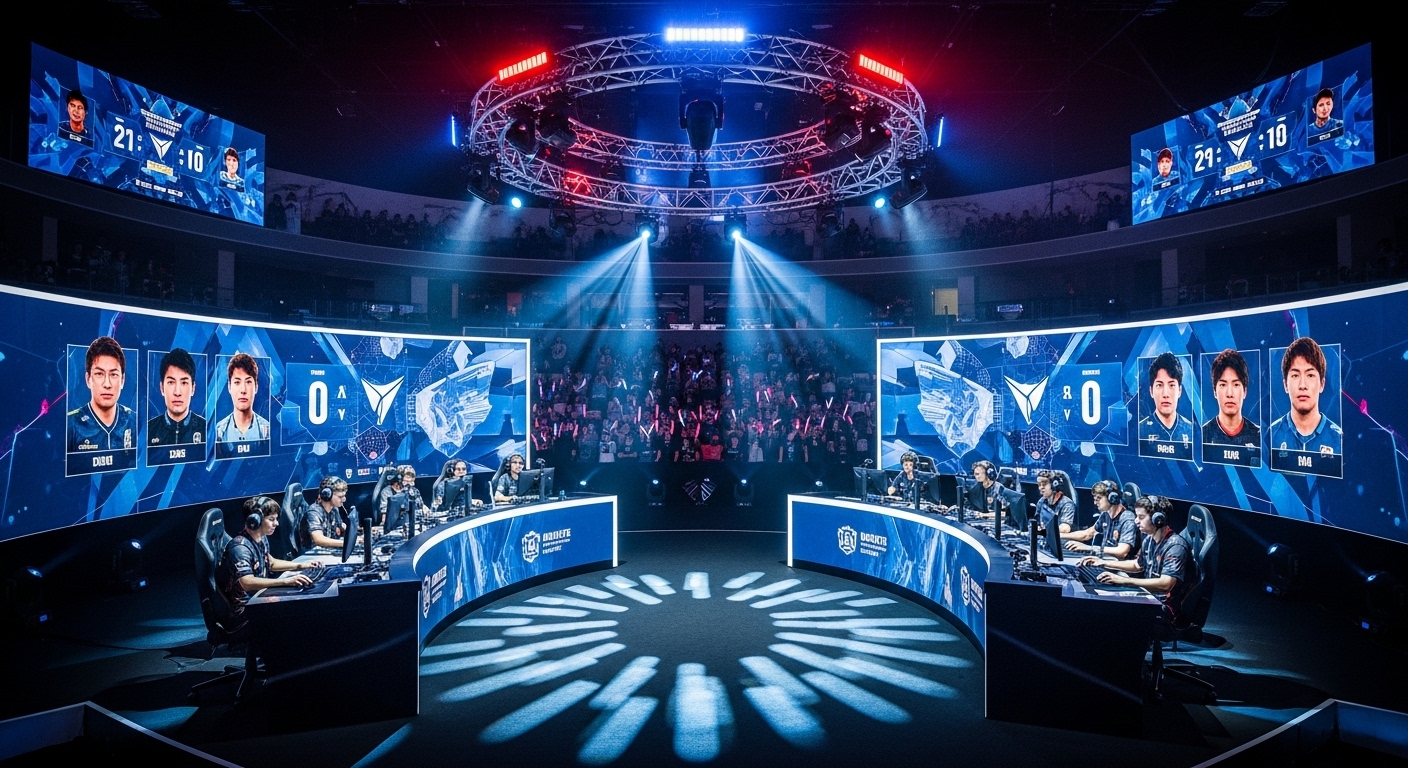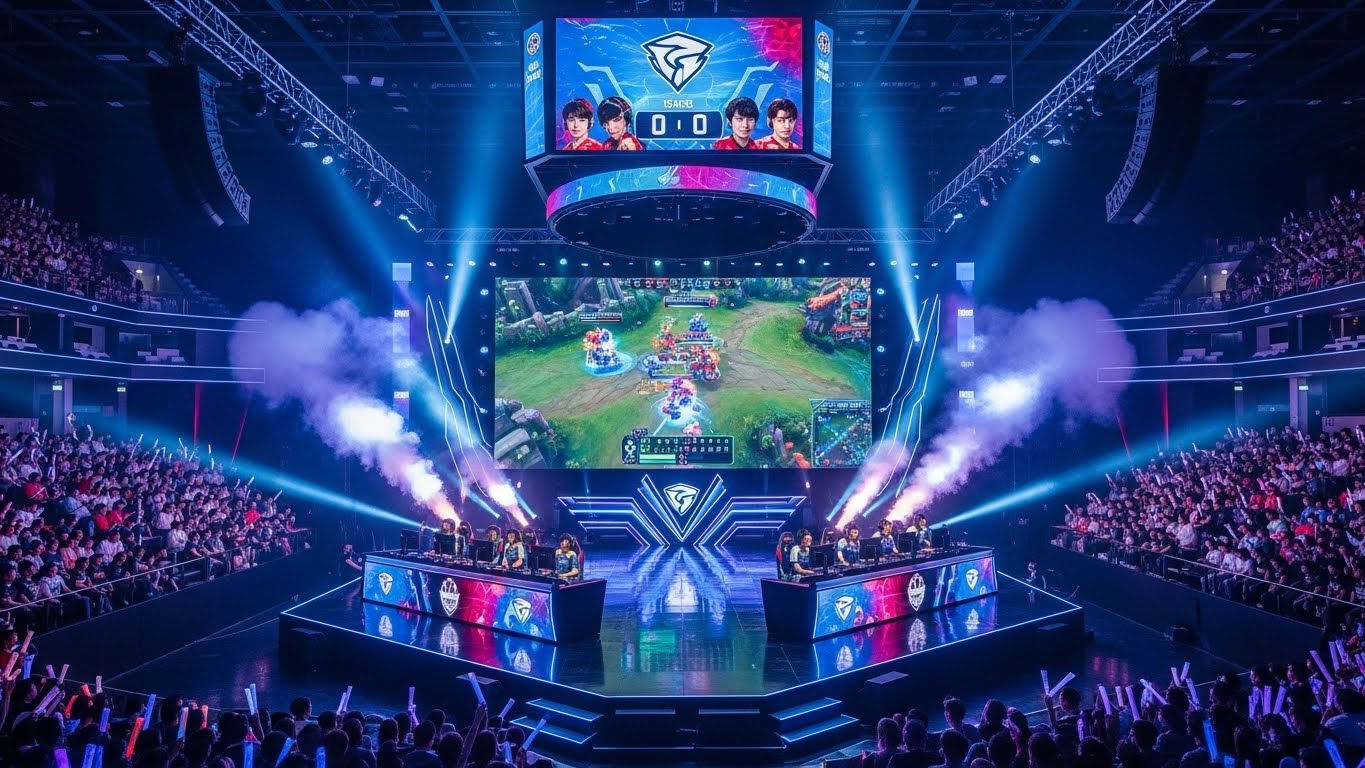






Esports, or competitive video gaming, has transformed from a niche hobby into a global phenomenon that rivals traditional sports in popularity, revenue, and influence. What was once a small community of dedicated gamers has grown into an industry worth billions of dollars, with professional players, international tournaments, sponsorship deals, and a massive fanbase spanning every corner of the globe. Esports is not just about playing video games; it is a cultural revolution that blends technology, entertainment, competition, and social interaction in ways never seen before.
The rise of esports reflects broader shifts in society. Digital culture, the ubiquity of internet connectivity, and the increasing legitimacy of gaming as both an entertainment and professional pursuit have propelled esports into the mainstream. For millions of fans, esports is more than a pastime—it is a lifestyle, a source of inspiration, and a community where people connect over shared passion and excitement.
The Origins of Competitive Gaming
Competitive gaming has roots dating back several decades. In the late 1970s and early 1980s, arcades became the breeding ground for early gaming competitions. Titles like Space Invaders and Pac-Man drew players who competed for high scores, and local tournaments began to form around these communities. These early contests were often informal, held in arcades or gaming centers, but they laid the groundwork for organized competition.
The 1990s brought a significant leap with the rise of personal computers and networked gaming. Titles like Doom and Quake introduced multiplayer first-person shooters, allowing players to compete across local area networks. LAN parties became cultural phenomena, with groups of friends and strangers alike gathering to test their skills against one another. These events emphasized skill, strategy, and teamwork, principles that remain central to esports today.
The Emergence of Professional Esports
The 2000s marked the transition from amateur competition to professional esports. The rise of internet connectivity enabled global tournaments, where players could compete from different countries in real-time. South Korea became a particularly influential hub during this period, as games like StarCraft: Brood War became national pastimes. Professional leagues, televised competitions, and sponsorships helped elevate esports from hobby to profession.
Players began to train rigorously, dedicating hours each day to improving mechanics, strategies, and teamwork. Teams formed structured organizations with coaches, analysts, and managers, much like traditional sports franchises. This professionalization established esports as a legitimate career path, attracting talented individuals who might once have pursued traditional athletic or entertainment avenues.
The Explosion of Multiplayer Online Games
One of the most significant drivers of esports’ growth has been the rise of multiplayer online games. Titles such as League of Legends, Dota 2, Counter-Strike: Global Offensive, and Overwatch revolutionized competitive gaming with complex strategies, team coordination, and dynamic gameplay. These games required not only quick reflexes but also deep tactical understanding, creating a spectator experience that was both thrilling and intellectually engaging.
Massive tournaments began to attract millions of viewers online. The League of Legends World Championship, for example, became an event comparable to the Super Bowl in terms of fan engagement and media coverage. Esports fans no longer just watched players—they followed storylines, rivalries, and personalities, creating narratives similar to those in professional sports.
Streaming Platforms and Audience Growth
The rise of streaming platforms has been pivotal to esports’ global expansion. Platforms like Twitch, YouTube Gaming, and later Facebook Gaming provided spaces where fans could watch live matches, interact with commentators, and engage with their favorite players in real-time. Streaming democratized access to esports, allowing audiences to follow games from anywhere in the world without relying on traditional broadcast networks.
Streaming also transformed how esports content is consumed. Fans no longer just watch matches—they engage with behind-the-scenes content, tutorials, and community-driven commentary. Streamers themselves became celebrities, blurring the lines between professional players and entertainment personalities. This dynamic created a new ecosystem where content creation and competitive play coexisted, fueling growth and innovation.
The Cultural Impact of Esports
Esports has had profound cultural implications. It has challenged traditional notions of sports, redefining what it means to compete at the highest level. Esports athletes are now recognized for their dedication, skill, and mental resilience, with professional training regimens, team strategies, and public recognition comparable to traditional sports figures.
The community aspect of esports is also significant. Fans form global networks of shared interest, participating in forums, social media groups, and fan clubs. These communities are inclusive and diverse, bringing together people of different ages, genders, and backgrounds. Esports has created cultural spaces where creativity, passion, and competition intersect.
Esports and Traditional Sports Collaboration
In recent years, traditional sports organizations have recognized the value of esports. Football clubs, basketball franchises, and even Olympic committees have invested in competitive gaming teams and leagues. This collaboration has legitimized esports further, bridging the gap between digital and physical sports cultures.
Sponsorships and partnerships with major brands have also contributed to esports’ professionalization. Companies see esports as a dynamic platform to engage younger audiences, and their investment helps fund tournaments, teams, and infrastructure. The financial growth of esports has created opportunities for players, commentators, analysts, and content creators alike.
The Psychology of Competitive Gaming
Competitive gaming requires more than dexterity—it demands mental acuity, emotional control, and strategic thinking. Professional esports athletes often undergo psychological training to maintain focus, manage stress, and perform under pressure. Unlike traditional sports, esports competitions unfold in digital arenas where milliseconds can determine victory, making cognitive performance critical.
Team dynamics are equally important. Successful esports teams rely on communication, coordination, and trust. Players must anticipate opponents’ strategies, adapt quickly to changing situations, and execute complex plans with precision. This mental and emotional intensity underscores the professionalism of esports, dispelling myths that gaming is merely recreational.
Gender and Diversity in Esports
Historically, esports has been male-dominated, but the landscape is gradually becoming more inclusive. Women, non-binary players, and individuals from diverse backgrounds are making their mark in professional gaming. Initiatives to support diversity, mentorship programs, and inclusive tournaments aim to break down barriers and create equitable opportunities for all players.
Representation in esports matters. Visibility of diverse players challenges stereotypes, inspires new participants, and enriches the community with a broader range of perspectives and playstyles. The industry’s ongoing efforts toward inclusivity reflect its commitment to growth, sustainability, and cultural relevance.
The Economics of Esports
Esports is a billion-dollar industry with multiple revenue streams. Professional tournaments offer substantial prize pools, often reaching millions of dollars for top competitions. Sponsorships, advertising, merchandise, ticket sales, and digital content contribute to the ecosystem’s financial vitality.
Teams operate like professional sports organizations, with coaches, analysts, marketing personnel, and managers. Players sign contracts, receive salaries, and engage in brand partnerships. Streaming revenue adds another layer, as popular players monetize their content through subscriptions, donations, and sponsorships. The economic model of esports demonstrates its viability as both a professional pursuit and a commercial enterprise.
Technological Advancements Driving Esports
Technology is integral to esports’ growth. High-speed internet, powerful gaming hardware, sophisticated graphics engines, and advanced streaming technology enable seamless gameplay and spectator experiences. Virtual reality and augmented reality are beginning to enter competitive gaming, creating new immersive formats and expanding the possibilities of engagement.
Analytics tools provide teams with insights into player performance, strategies, and trends. Data-driven decision-making enhances training, scouting, and tournament preparation. This fusion of technology and competition is at the core of esports’ appeal, attracting both players and spectators who value skill, innovation, and entertainment.
Esports as a Global Phenomenon
Esports transcends geographical boundaries. Tournaments attract participants and viewers from around the world, creating a global community united by passion for gaming. Countries like South Korea, China, and the United States have become esports hubs, hosting major events and nurturing professional talent.
International competitions foster cultural exchange and global narratives. Fans celebrate victories, analyze strategies, and engage in discussions across languages and time zones. Esports has created a shared culture that is digital, participatory, and inherently global.
Educational and Career Opportunities
The rise of esports has created diverse career paths beyond professional play. Game development, event management, broadcasting, marketing, analytics, and coaching are all viable professions within the esports ecosystem. Educational institutions have even introduced esports programs and scholarships, recognizing competitive gaming as a legitimate avenue for personal and professional growth.
These opportunities emphasize that esports is not just entertainment—it is an industry with sustainable career potential. Players can transition into roles as coaches, commentators, or business leaders, ensuring that expertise and experience remain valuable even after competitive play concludes.
Challenges Facing Esports
Despite its rapid growth, esports faces challenges. Player burnout, mental health concerns, and online toxicity are ongoing issues. The competitive nature of esports, combined with intense practice schedules and public scrutiny, can take a toll on mental and physical well-being.
Regulatory frameworks are still developing. Issues such as player contracts, tournament governance, cheating, and doping require standardized policies to ensure fairness and integrity. Furthermore, balancing monetization with accessibility and maintaining community trust are critical for long-term sustainability.
The Future of Esports
The future of esports is promising and expansive. Emerging technologies such as virtual reality, cloud gaming, and artificial intelligence will redefine gameplay and spectator experiences. Cross-platform play, interactive viewing, and immersive tournaments will make esports more engaging and accessible.
Esports is also likely to integrate further with mainstream culture. Partnerships with traditional sports, media, and entertainment industries will create hybrid experiences that appeal to broader audiences. Educational programs, professional leagues, and global tournaments will continue to nurture talent, making esports a permanent fixture in the landscape of competition and entertainment.
Conclusion
Esports has evolved from humble beginnings into a global industry that captivates millions of players and fans alike. It has redefined what it means to compete, challenged traditional notions of sports, and created vibrant communities built on shared passion and innovation. The rise of professional leagues, streaming platforms, and international tournaments demonstrates the legitimacy and cultural impact of competitive gaming.
At its core, esports is more than just playing video games—it is a testament to human creativity, skill, and connection. It combines strategy, teamwork, entertainment, and technology into a dynamic experience that resonates worldwide. As esports continues to grow, it will shape the future of entertainment, redefine competition, and inspire new generations to pursue excellence in the digital arena.
The story of esports is ongoing, and its influence will only expand, leaving a lasting legacy in both the world of gaming and the broader cultural landscape.