




Introduction
In the past few decades, few industries have seen such explosive growth as Esports. What began as a small-scale pastime among arcade enthusiasts and LAN party regulars has transformed into a billion-dollar global entertainment powerhouse. Today, millions of players and fans around the world tune in to watch professional gamers compete for glory, sponsorships, and prize pools that rival those of traditional sports. Esports is no longer a niche hobby; it is a legitimate cultural and economic movement shaping the future of entertainment, sports, and technology.
The rise of Esports is a story of passion, innovation, and community. It’s a story about how technology bridged continents, how virtual competition created real-life heroes, and how the digital generation redefined what it means to be an athlete. This blog explores the fascinating journey of Esports — from its early roots to its modern dominance — and looks at what the future holds for this ever-evolving digital arena.
The Origins of Esports
Before the word “Esports” even existed, competitive gaming was already finding its way into the hearts of tech-savvy players. The roots can be traced back to the 1970s, during the early days of computer gaming.
The 1970s: The Birth of Competitive Gaming
In 1972, Stanford University hosted what is widely recognized as the first-ever video game competition — a tournament for the game Spacewar!. The prize wasn’t millions of dollars or a sponsorship deal; it was a year’s subscription to Rolling Stone magazine. Yet, this event marked the beginning of something extraordinary — the idea that gaming could be competitive and communal.
The 1980s: The Arcade Era
The 1980s were the golden years of arcade gaming. Games like Pac-Man, Donkey Kong, and Space Invaders became cultural icons. Competitive gaming thrived in local arcades where players chased high scores that were displayed for all to see. Television even joined in: the show Starcade featured gamers competing live for prizes. While primitive compared to modern tournaments, this era built the foundation for organized play and spectator interest.
The 1990s: The Rise of PC and LAN Tournaments
As personal computers became more accessible, competitive gaming began to migrate from arcades to living rooms and computer cafes. Games like Doom, Quake, and StarCraft turned LAN parties into battlegrounds for elite players. The 1997 Red Annihilation Quake tournament marked a major milestone — the winner took home a Ferrari once owned by the game’s creator, John Carmack. Around the same time, South Korea began to heavily invest in broadband infrastructure, paving the way for the first professional Esports leagues. It was in Seoul where Esports started to resemble the industry we recognize today.
The 2000s: The Professionalization of Esports
The early 2000s brought massive changes that turned Esports from a niche pastime into a structured industry. Professional leagues, sponsorship deals, and international tournaments emerged, attracting millions of fans.
The Emergence of Global Leagues
Organizations such as the Cyberathlete Professional League (CPL), Major League Gaming (MLG), and the World Cyber Games (WCG) introduced professionalism into Esports. These leagues standardized rules, scheduled tournaments, and provided consistent platforms for players to compete. They also brought corporate sponsors into the fold, introducing prize pools worth hundreds of thousands of dollars — a major leap from earlier competitions.
StarCraft and South Korea’s Dominance
In South Korea, StarCraft became more than a game — it became a national obsession. Players like Lim “BoxeR” Yo-hwan were treated like celebrities, with fan clubs, television appearances, and endorsement deals. Dedicated Esports channels broadcast live matches to millions of viewers. This professional structure inspired the rest of the world to take Esports seriously.
The Role of the Internet and Streaming
Broadband internet changed everything. For the first time, players could compete online across continents. Games like Counter-Strike, Warcraft III, and Halo 2 connected players globally. Forums and websites allowed fans to follow their favorite teams, share strategies, and form communities. Esports was evolving from local tournaments to a connected global spectacle.
The 2010s: The Esports Explosion
The 2010s were the decade when Esports went mainstream. The convergence of high-speed internet, streaming technology, and social media created the perfect environment for explosive growth.
The Streaming Revolution
Twitch, launched in 2011, changed the landscape forever. For the first time, anyone could broadcast their gameplay live to a global audience. Fans could interact with players in real time, and talented gamers could build careers without relying on traditional sports networks. Esports became democratized — accessible to both viewers and players worldwide.
YouTube Gaming, Facebook Gaming, and later, platforms like Trovo and Kick, further expanded this ecosystem. Viewership numbers skyrocketed, and tournaments began drawing audiences comparable to traditional sporting events. The 2018 League of Legends World Championship Finals, for example, attracted over 100 million viewers — rivaling the Super Bowl in scale.
Iconic Games That Defined the Era
Several titles defined the 2010s and cemented Esports as a global phenomenon:
- League of Legends (LoL) – Riot Games’ strategic team-based MOBA became a worldwide Esports powerhouse, supported by consistent developer involvement and an annual World Championship.
- Dota 2 – With The International tournament offering multi-million-dollar prize pools funded by community contributions, Dota 2 proved that Esports could rival traditional sports in both prestige and payoff.
- Counter-Strike: Global Offensive (CS:GO) – The successor to Counter-Strike became a staple of competitive FPS gaming, known for its skill-based mechanics and dedicated fan base.
- Overwatch – Blizzard’s team shooter introduced the city-based Overwatch League, borrowing organizational structures from traditional sports.
- Fortnite – Epic Games revolutionized Esports by combining casual gaming appeal with massive competitive events, including a World Cup with life-changing prize money for teenagers.
Corporate Investment and Sponsorships
As Esports gained global visibility, major brands — from tech companies like Intel and Samsung to non-endemic sponsors like Coca-Cola and Mercedes-Benz — jumped on board. Universities began offering Esports scholarships, and traditional sports franchises invested in gaming teams. This legitimized Esports further and integrated it into mainstream entertainment.
The Global Esports Ecosystem
Today, Esports is not just about playing games — it’s an interconnected ecosystem involving players, teams, fans, sponsors, broadcasters, and developers. Let’s break down the key components of this vibrant industry.
Professional Players and Teams
Professional Esports players train with discipline comparable to traditional athletes. Many belong to well-funded organizations such as Team Liquid, Fnatic, T1, and Cloud9. They follow strict schedules, engage in physical conditioning, and work with coaches and analysts to perfect their strategies. The top players earn millions in prize money and sponsorships, making gaming a viable and lucrative career path.
Esports Organizations
Teams have evolved into professional brands, complete with managers, marketing departments, and merchandise lines. Some even operate like traditional sports clubs, with youth academies and scouting programs. This professional structure ensures sustainability and career longevity for players.
Event Production and Broadcasting
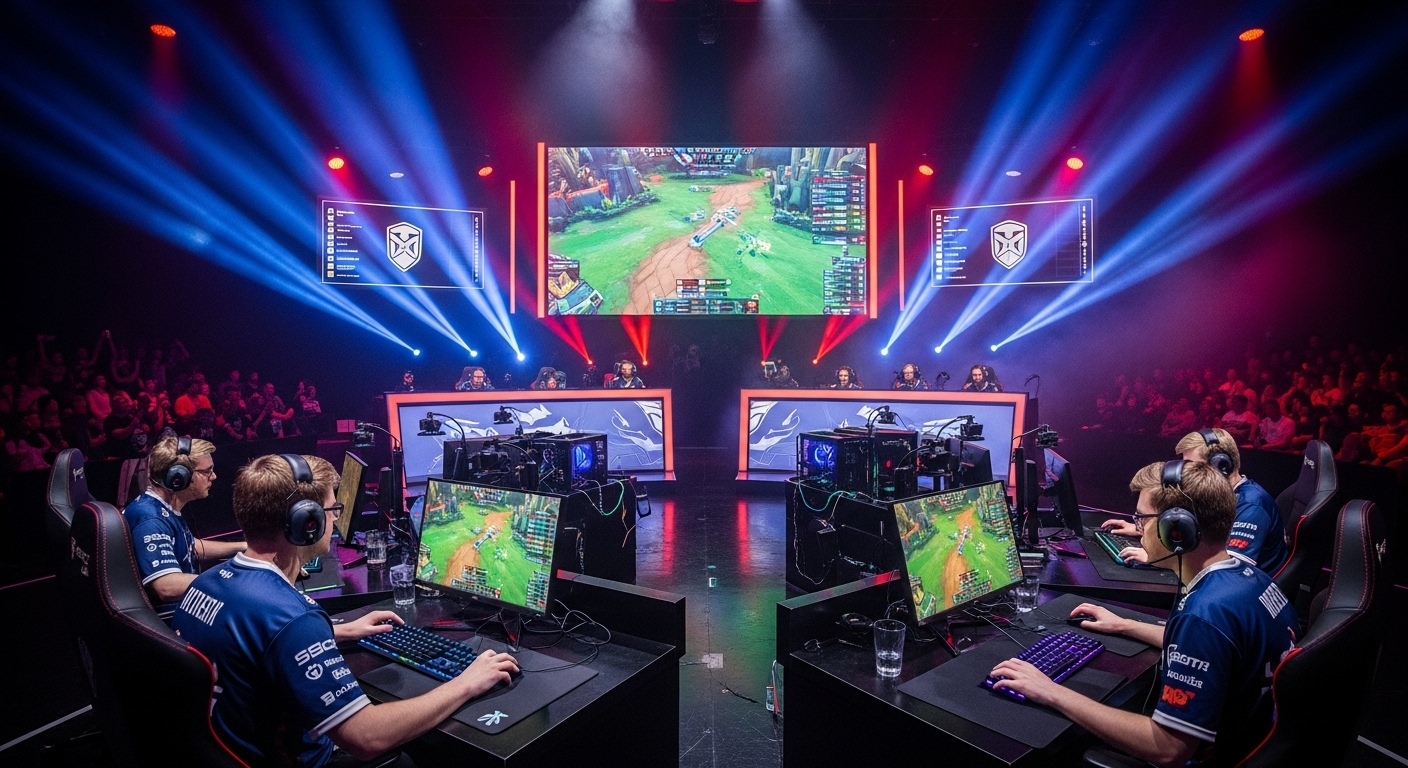
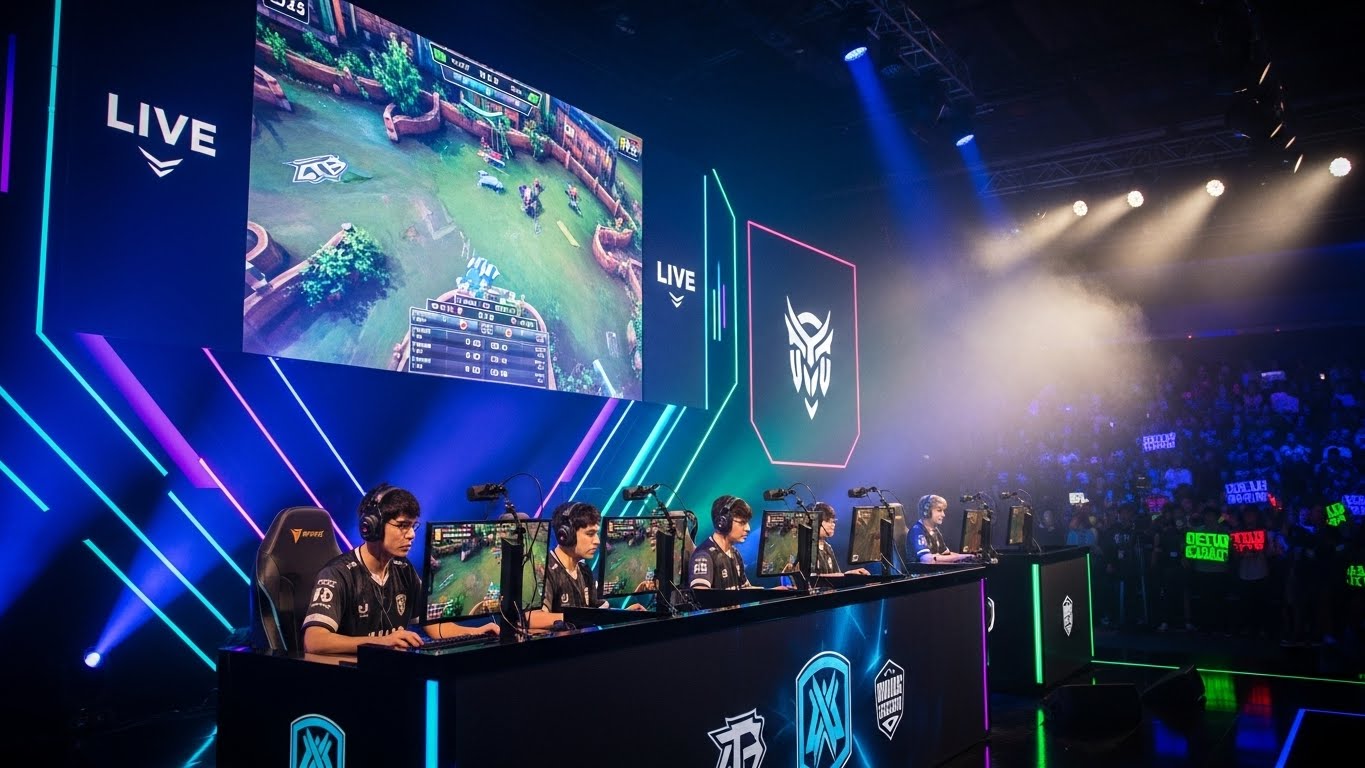
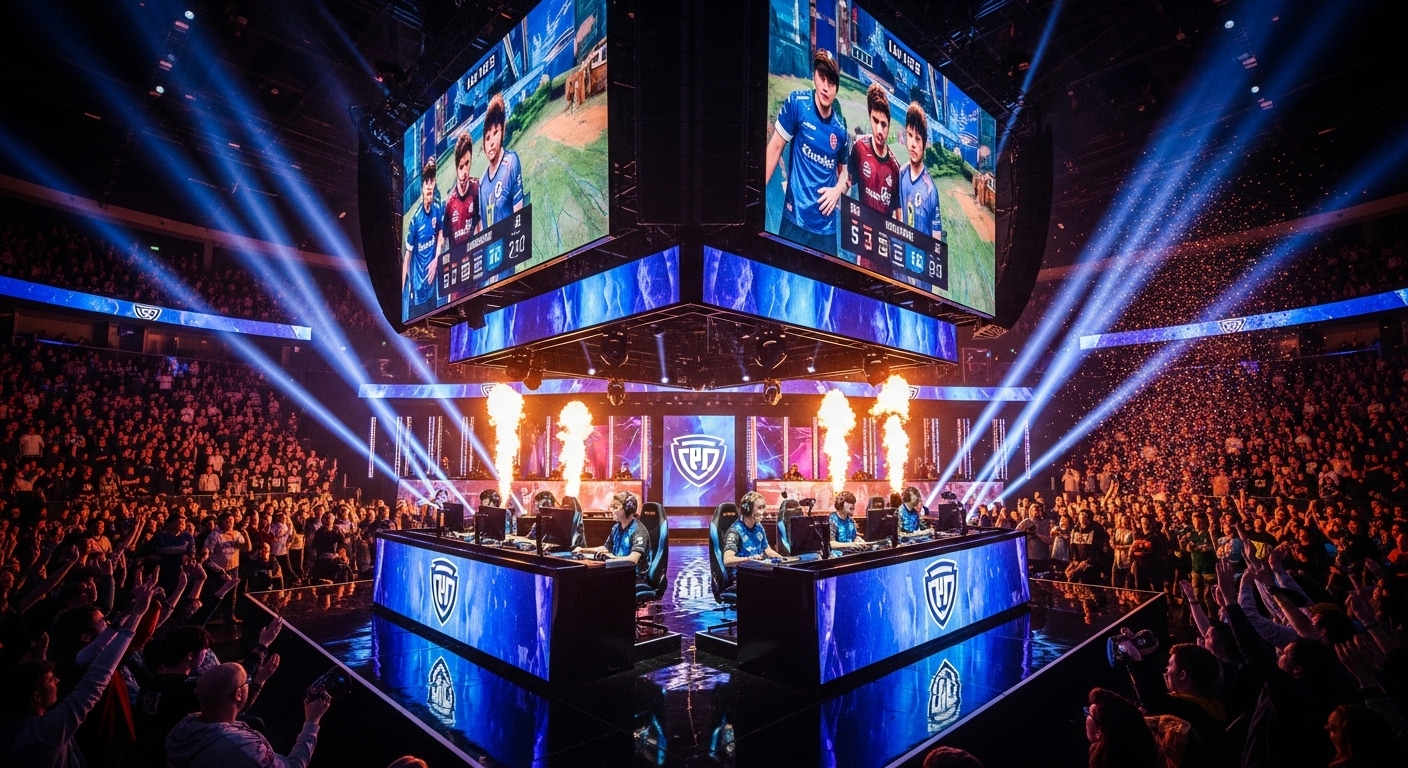
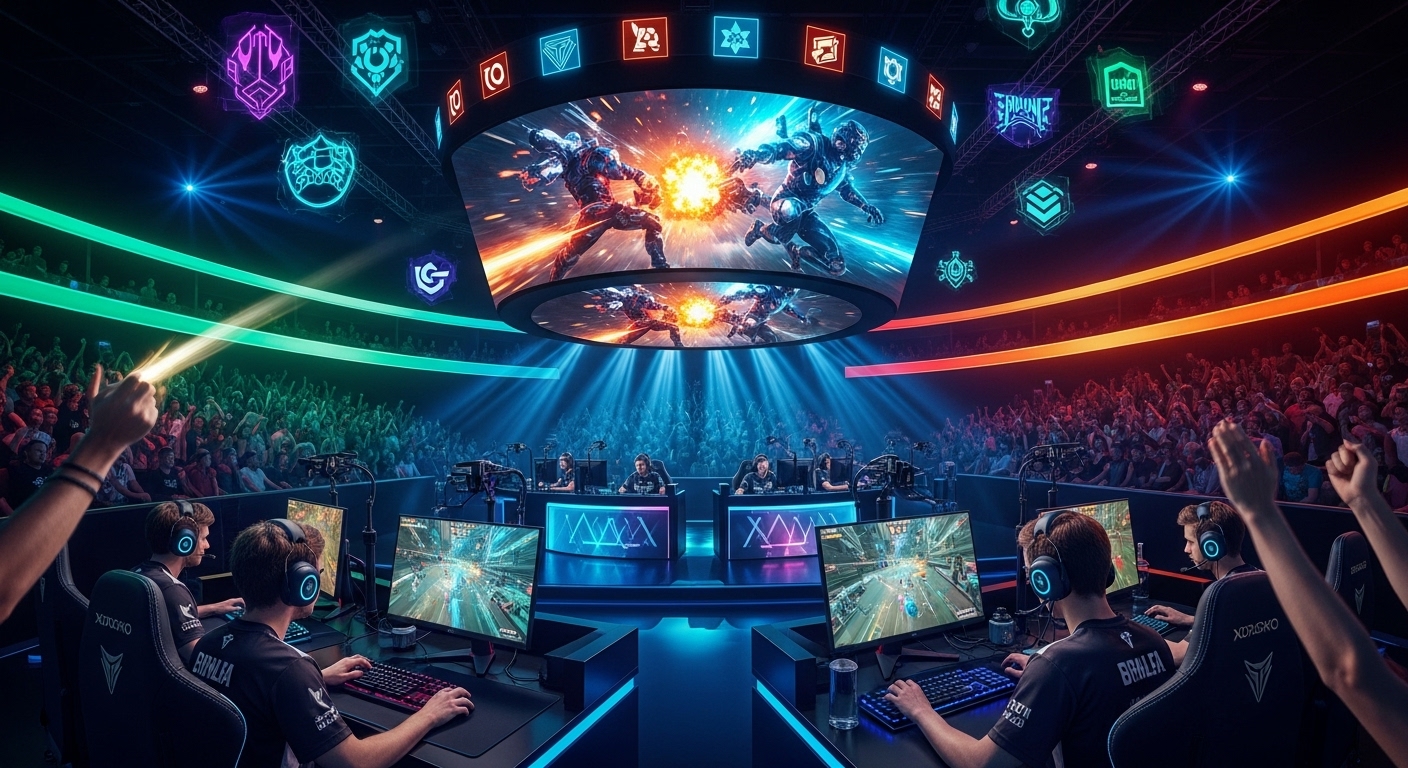
Esports tournaments are now major productions, often held in sold-out arenas and broadcast globally. State-of-the-art visuals, commentary teams, instant replays, and live music performances create a show that rivals major sporting events. Companies like ESL, DreamHack, and Riot Games set new standards for production quality and fan engagement.
Game Developers and Publishers
Developers play a critical role in sustaining Esports. Unlike traditional sports governed by neutral bodies, Esports relies on game publishers who control tournament rights, rules, and updates. Companies like Valve, Riot Games, and Blizzard balance game design with competitive fairness to keep the Esports scene vibrant.
Cultural Impact of Esports
Esports is more than just competition — it’s a cultural movement influencing music, fashion, education, and even how we define community.
Esports and Pop Culture
Gaming celebrities are now pop icons. Players and streamers boast massive followings, comparable to Hollywood stars. Collaborations between Esports teams and fashion brands — like Nike x T1 or Louis Vuitton x League of Legends — illustrate the merging of gaming and mainstream culture.
Esports in Education
Universities around the world now offer degrees and scholarships in Esports management, game design, and digital broadcasting. Institutions recognize the growing demand for professionals in the gaming industry, not just players but also marketers, event coordinators, and coaches.
Inclusivity and Diversity
While early Esports was male-dominated, diversity is increasing. More women and non-binary players are entering the competitive scene. Organizations and initiatives are working to ensure safer, more inclusive environments that welcome all backgrounds.
Mental Health Awareness
The mental demands of Esports — long hours, online pressure, and intense competition — have sparked conversations about player well-being. Teams now employ psychologists and wellness coaches to help maintain mental balance, proving that professional gaming is both a physical and psychological discipline.
The Economic Power of Esports
Esports is a financial powerhouse. Global revenue has surpassed the billion-dollar mark, fueled by sponsorships, media rights, advertising, and merchandising. The audience demographic — predominantly younger, tech-savvy, and globally connected — makes Esports a prime target for brands looking to engage the next generation of consumers.
Prize Pools and Salaries
Top tournaments like The International have shattered records with prize pools exceeding $40 million. Individual players, such as Bugha, who won the Fortnite World Cup at age 16, have earned millions overnight. Beyond prize money, players also earn from streaming, endorsements, and personal branding.
The Business of Franchising
Following the traditional sports model, some Esports leagues have introduced franchise systems. Teams pay for permanent spots, ensuring stability and long-term investment. The Overwatch League and Call of Duty League exemplify this shift, attracting investors from traditional sports, entertainment, and technology sectors.
Media and Entertainment Integration
Esports events are now featured on major television networks and streaming platforms. Documentaries, films, and series based on gaming culture have appeared, bridging the gap between gaming and mainstream storytelling. This cross-media exposure continues to fuel the industry’s growth and legitimacy.
Challenges Facing the Esports Industry
Despite its success, Esports faces a number of challenges as it continues to mature.
Sustainability and Burnout
Professional players often retire young due to physical strain and burnout. The fast-paced nature of gaming, constant updates, and tight schedules make longevity difficult. Organizations are now focusing on better player management and sustainable career paths.
Regulation and Governance
Unlike traditional sports, Esports lacks a universal governing body. Each game has its own ecosystem, rules, and tournaments. This fragmentation can cause inconsistencies in player rights, contracts, and disciplinary measures. Discussions are ongoing about forming global standards to protect players and ensure fair competition.
Cheating and Integrity
As money and fame increase, so does the temptation for unfair play. From cheating software to match-fixing scandals, Esports has had its share of controversies. However, with stronger anti-cheat systems and professional oversight, the industry is actively working to safeguard its integrity.
Inclusivity and Harassment
Toxic behavior and online harassment remain issues in gaming communities. Efforts are being made to promote positive behavior, enforce codes of conduct, and highlight diversity, ensuring that Esports continues to grow as a welcoming space for everyone.
The Future of Esports
The future of Esports is full of promise. With advancing technology and changing cultural attitudes, the next decade could redefine what competitive entertainment looks like.
Virtual Reality and the Metaverse
The integration of virtual and augmented reality could transform how players and fans experience Esports. Imagine entering a virtual stadium, standing beside your favorite players, or participating in a game as a holographic spectator. These immersive experiences could redefine the boundaries between player and audience.
Mobile Esports
Mobile gaming is booming, especially in regions like Southeast Asia, India, and Latin America. Games such as PUBG Mobile, Free Fire, and Mobile Legends: Bang Bang have massive followings. Mobile Esports democratizes competition, making it accessible to millions who might not afford gaming PCs or consoles.
Esports in the Olympics
The inclusion of Esports in international sporting events, such as the Asian Games, hints at eventual Olympic recognition. While debates continue about which games fit Olympic values, there’s no denying that competitive gaming has earned its place alongside traditional sports.
The Role of Artificial Intelligence
AI-driven analytics could revolutionize training, strategy development, and viewer engagement. Teams already use data science to analyze opponent behavior, while broadcasters employ AI to enhance commentary and highlight reels. The synergy between human creativity and machine precision promises an exciting evolution.
Conclusion
Esports is far more than a digital diversion — it’s a movement that reflects the values, aspirations, and creativity of a generation raised in the digital age. From humble beginnings in arcades and college dorms to grand arenas filled with roaring fans, the journey of Esports mirrors the growth of technology itself. It embodies community, innovation, and passion.
As Esports continues to expand, its influence will only grow stronger — shaping careers, redefining entertainment, and connecting cultures across the world. It is a testament to how far gaming has come and how limitless its future remains.
Esports is not the future of competition — it is competition, reimagined for a connected world.