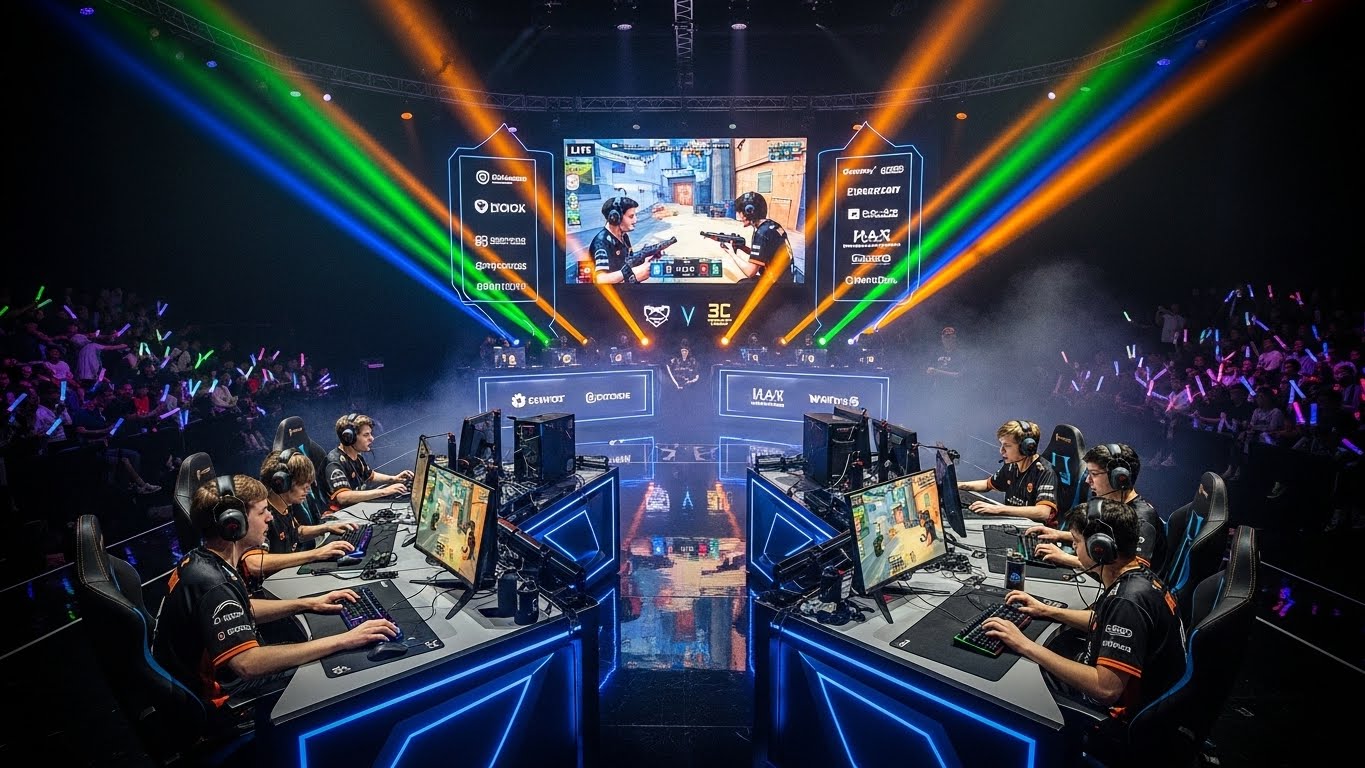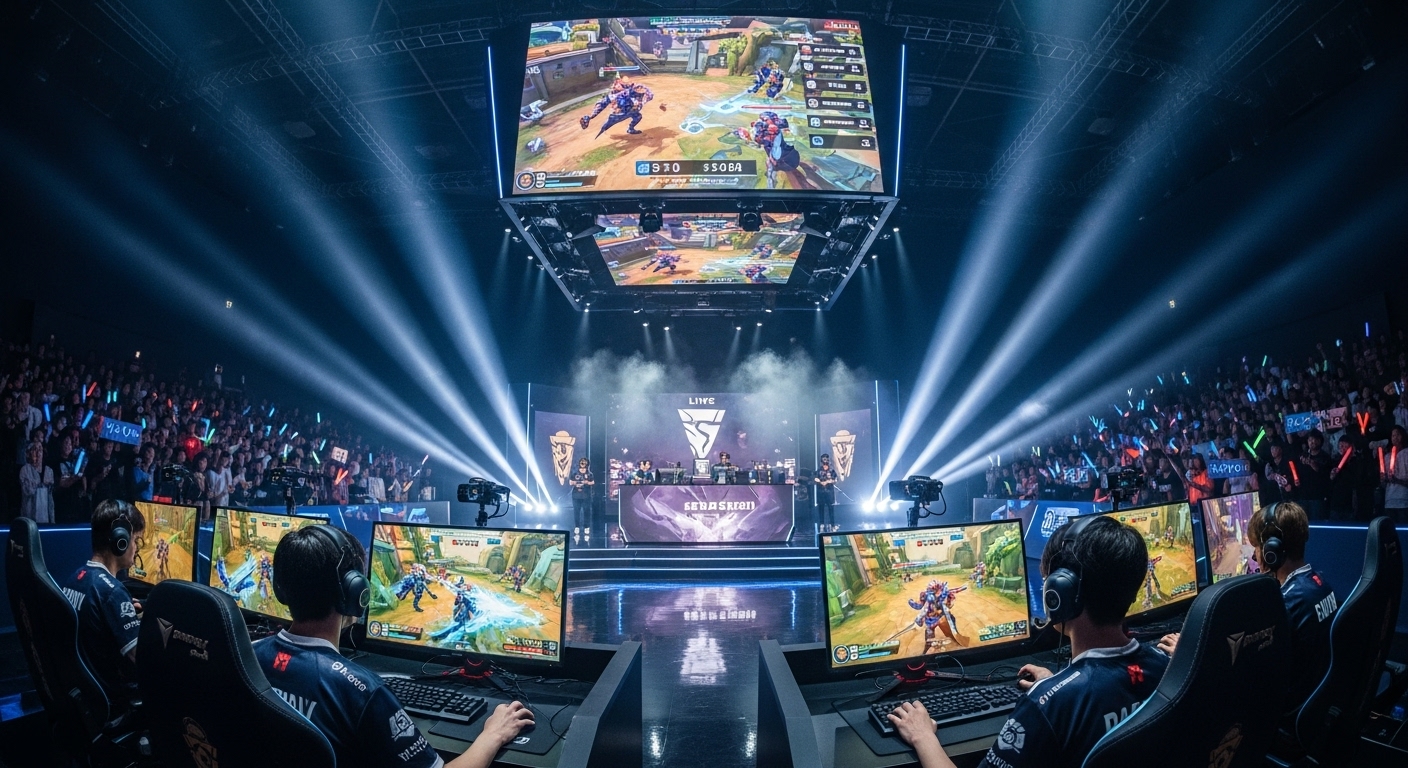





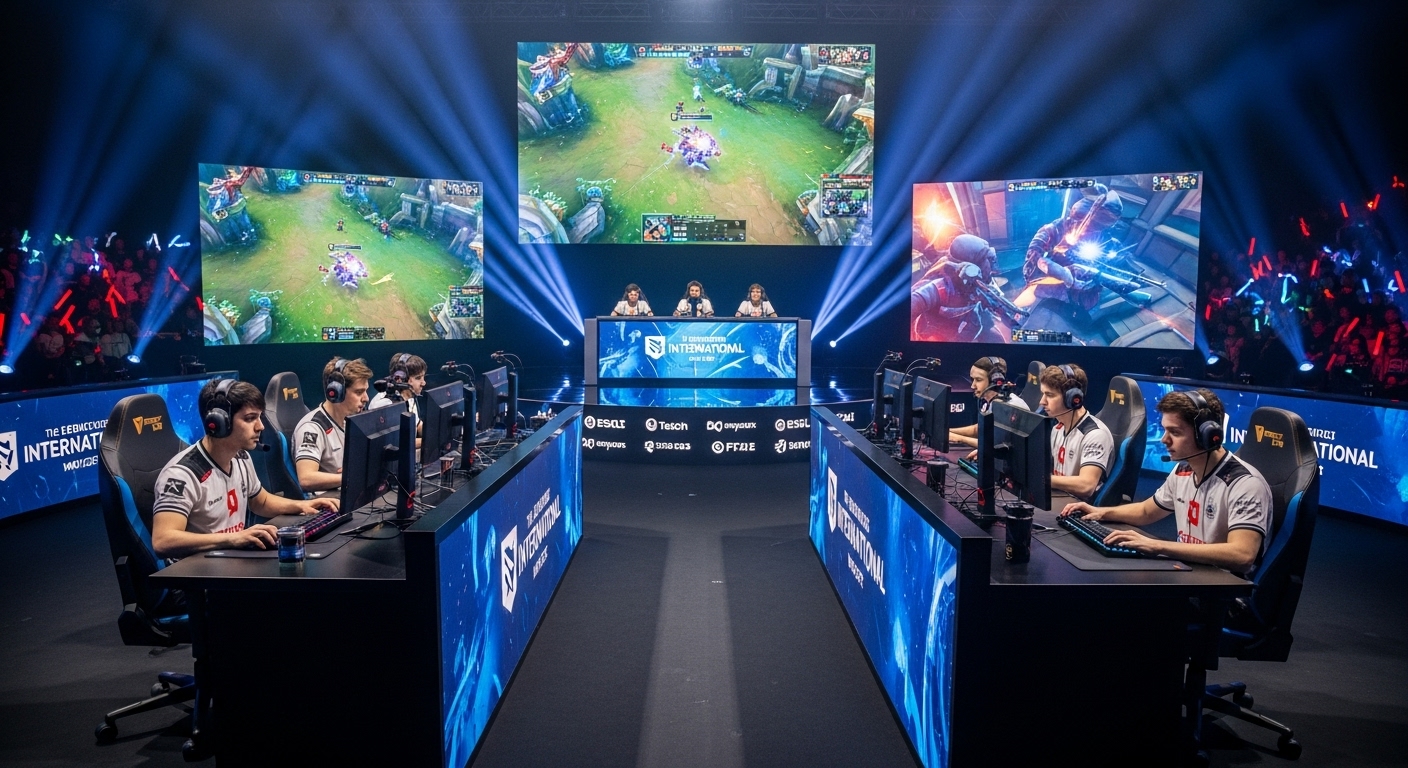
Esports, short for electronic sports, has evolved from a casual pastime into a global competitive industry, captivating millions of fans and generating substantial revenue. The journey of esports reflects not only technological advancements but also cultural shifts in how people perceive gaming. In this article, we will explore the history, growth, major games, cultural impact, economic significance, and future of esports.
Understanding Esports
Esports refers to organized, competitive video gaming where players and teams compete against each other in various formats, often with professional leagues, tournaments, and substantial prize money. Unlike traditional sports, esports is digital, allowing players from around the world to participate in real-time competitions. Its appeal lies in the combination of strategy, skill, teamwork, and entertainment.
The rise of esports has coincided with the evolution of the internet, gaming hardware, and streaming platforms. Gamers who once played for leisure now have pathways to professional careers, while fans have access to live events, commentary, and online communities.
The History of Esports
The origins of esports can be traced back to the late 1970s and early 1980s, when arcade competitions and home console tournaments started gaining attention. One of the earliest known gaming competitions occurred in 1980 at Stanford University, where students competed in the game “Space Invaders” for prizes.
Throughout the 1980s and 1990s, competitive gaming expanded alongside the rise of home computers and consoles. Games such as “Street Fighter,” “Mortal Kombat,” and “Doom” became staples in early tournaments. However, these events were largely local or regional, and the concept of professional esports as we know it today had yet to materialize.
The true global emergence of esports began in the late 1990s and early 2000s with the rise of online multiplayer games. Titles like “StarCraft” in South Korea helped establish esports as a professional pursuit. South Korea became the epicenter of esports culture, with dedicated TV channels broadcasting competitive gaming matches and players achieving celebrity status.
The Global Growth of Esports
Over the past two decades, esports has grown from a niche hobby into a billion-dollar industry. Technological advancements, such as high-speed internet and streaming platforms, have played a pivotal role in this growth. Platforms like Twitch, YouTube Gaming, and Facebook Gaming have made it possible for millions of viewers worldwide to watch esports tournaments live.
Major tournaments today attract audiences comparable to traditional sports events. For example, the League of Legends World Championship draws tens of millions of viewers, with stadiums filled with fans and millions more watching online. Similarly, Dota 2’s International Tournament boasts some of the largest prize pools in esports history, often exceeding tens of millions of dollars.
Esports has also gone mainstream through media coverage, sponsorships, and collaborations with traditional sports organizations. Brands and companies now recognize the marketing potential of esports, targeting younger demographics who are heavily engaged with gaming content.
Popular Esports Games
Esports spans a wide range of game genres, each with its own competitive scene and fanbase. Some of the most prominent categories include:
Multiplayer Online Battle Arenas (MOBAs)
MOBAs are strategic team-based games where players control individual characters with unique abilities, working together to destroy the opposing team’s base. Games like League of Legends, Dota 2, and Smite dominate this category. MOBAs require not only mechanical skill but also strategic thinking, teamwork, and coordination.
First-Person Shooters (FPS)
FPS games are action-packed titles where players engage in combat from a first-person perspective. Popular esports FPS games include Counter-Strike: Global Offensive, Call of Duty, and Valorant. Success in FPS esports demands precision, reflexes, and situational awareness.
Real-Time Strategy (RTS) Games
RTS games emphasize resource management, strategic planning, and tactical execution. StarCraft II is a quintessential example of an RTS esports game, known for its high skill ceiling and intense competition. RTS games often attract fans who enjoy observing the complex strategies and rapid decision-making of professional players.
Fighting Games
Fighting games, such as Street Fighter, Tekken, and Super Smash Bros., focus on one-on-one combat where players utilize combos, counters, and precise timing to defeat opponents. Fighting game tournaments have maintained a dedicated following due to their competitive intensity and the skill required to master characters.
Sports Simulation Games
Sports simulation titles like FIFA, NBA 2K, and Madden NFL translate real-world sports into digital arenas. Players compete in leagues and tournaments, often mirroring real-world sports structures. These games attract both gaming enthusiasts and traditional sports fans.
The Cultural Impact of Esports
Esports has not only transformed gaming but also influenced broader culture. It has fostered global communities, redefined entertainment, and challenged traditional perceptions of sports.
Community and Social Engagement
Esports communities are built around shared passion, discussion, and collaboration. Online forums, social media groups, and Discord servers provide spaces for fans to interact, strategize, and celebrate achievements. Major tournaments are not just competitions—they are social events, bringing people together from different countries and backgrounds.
Representation and Diversity
Esports has contributed to discussions about representation and diversity in gaming. While the industry has faced criticism for underrepresentation of certain groups, it has also provided opportunities for players of different genders, nationalities, and backgrounds to gain recognition. International tournaments showcase the global nature of esports and the universality of gaming skills.
Entertainment and Media Integration
Esports has influenced mainstream entertainment, inspiring documentaries, movies, and reality shows focused on professional gamers and teams. Celebrity gamers have emerged, leveraging their popularity for streaming, content creation, and brand endorsements. This fusion of gaming, media, and entertainment has helped normalize esports as a legitimate form of competition and spectacle.
Economic Significance of Esports
The economic impact of esports is substantial, spanning multiple sectors including gaming, media, sponsorships, and merchandising.
Revenue Streams
Esports generates revenue through several avenues, including tournament prize pools, team sponsorships, advertising, streaming platform subscriptions, and merchandise sales. Leading esports organizations operate much like traditional sports franchises, with management, marketing, and player development divisions.
Sponsorship and Marketing
Brands increasingly view esports as an effective marketing channel, particularly to engage younger audiences who may spend less time watching traditional television. Sponsorship deals often involve apparel, gaming peripherals, energy drinks, and tech products. These partnerships have helped professionalize esports and provide financial stability for teams and players.
Career Opportunities
Esports offers diverse career paths beyond professional play, including coaching, analysis, event management, content creation, marketing, and broadcasting. Universities and institutions have even started offering scholarships and programs focused on esports management, reflecting its growing legitimacy as a professional field.
Challenges Facing Esports
Despite its rapid growth, esports faces several challenges that could affect its long-term sustainability.
Player Health and Wellbeing
Professional gamers often face intense schedules, prolonged screen time, and high stress levels. Issues such as repetitive strain injuries, mental health challenges, and burnout are common in esports. Organizations and teams are increasingly emphasizing player wellness, incorporating structured schedules, physical fitness programs, and mental health support.
Regulation and Standardization
Unlike traditional sports, esports lacks a universally recognized governing body, making standardization difficult. Rules, tournament formats, and player contracts vary widely across games and regions. Establishing consistent regulations is crucial for long-term credibility and fairness.
Accessibility and Inclusivity
While esports has expanded globally, access to high-quality equipment, internet connectivity, and competitive opportunities is still limited in certain regions. Addressing these disparities is important to ensure that talent from all backgrounds can compete on a level playing field.
The Future of Esports
The future of esports looks promising, with continued growth expected in viewership, revenue, and global participation. Emerging technologies such as virtual reality and augmented reality could redefine gameplay experiences, while advances in AI and analytics could enhance training and performance evaluation for professional players.
Esports may also become increasingly integrated with traditional sports, with collaborations between leagues, teams, and media outlets. Educational programs, professional development, and career pathways will likely expand, further legitimizing esports as a sustainable industry.
As esports continues to evolve, its influence on culture, entertainment, and technology will only deepen. The combination of skill, strategy, storytelling, and community ensures that esports will remain a major force in digital entertainment for years to come.
Conclusion
Esports has transformed from a niche hobby into a global phenomenon that spans culture, economics, and technology. From humble beginnings in arcade tournaments to massive international events, the rise of esports reflects both the evolution of gaming and the power of digital communities. With diverse genres, passionate players, and growing recognition, esports is poised to continue reshaping entertainment, sports, and global culture. The journey of esports is a testament to how digital innovation can create new forms of competition, collaboration, and human connection.