




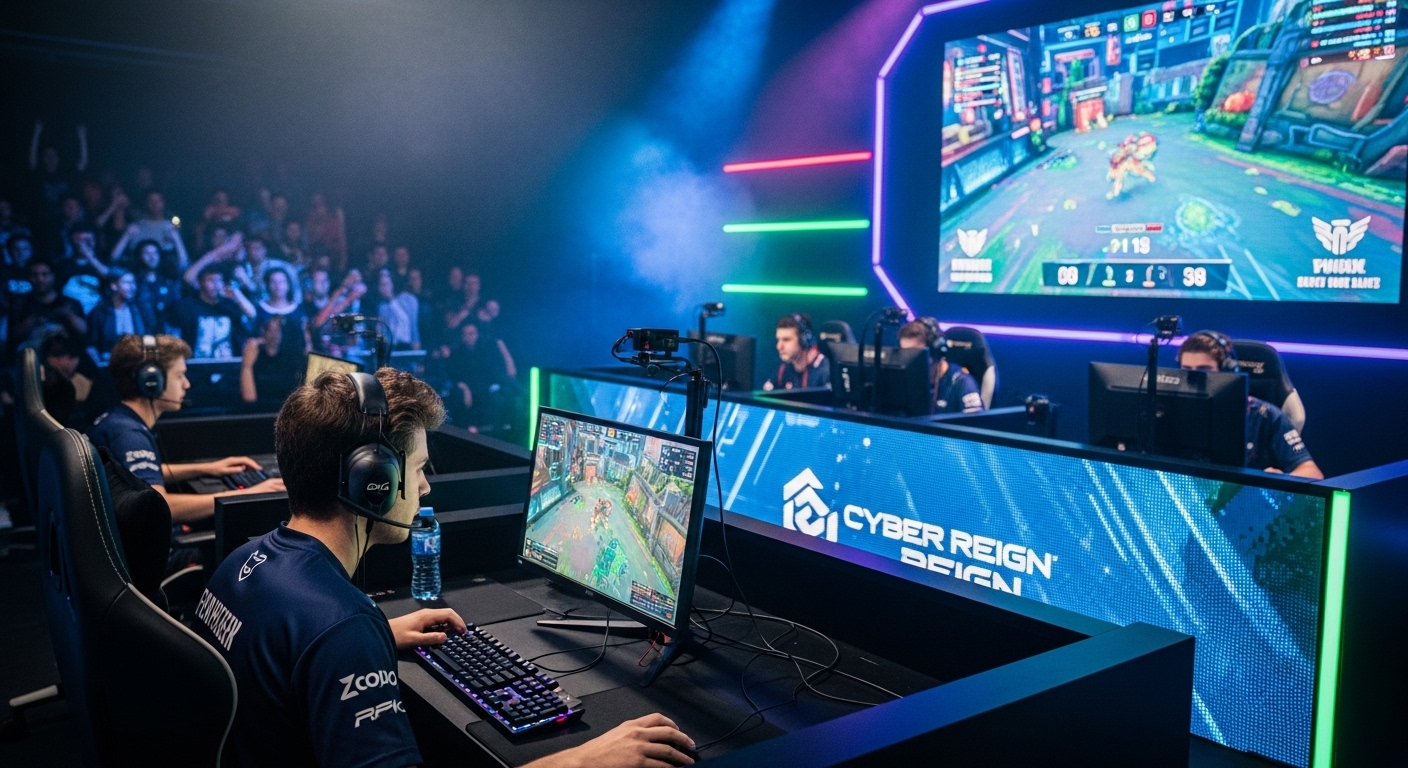
eSports has transformed gaming from a casual pastime into a global phenomenon. Once considered a niche hobby, competitive gaming now attracts millions of viewers, professional players, and sponsorship deals, making it a major force in the entertainment industry.
Understanding eSports
eSports, or electronic sports, refers to competitive video gaming at a professional level. Players compete individually or in teams across a variety of genres, including first-person shooters, strategy games, sports simulations, and multiplayer online battle arenas. Unlike traditional sports, eSports combines strategy, reflexes, teamwork, and adaptability in a digital environment.
Popular eSports Games
Several games have defined the eSports scene. Titles like League of Legends, Dota 2, Counter-Strike, and Fortnite have built massive competitive communities. Each game has its own rules, tournaments, and ranking systems, allowing players to climb from amateur to professional levels while engaging fans worldwide.
The Growth of eSports Industry
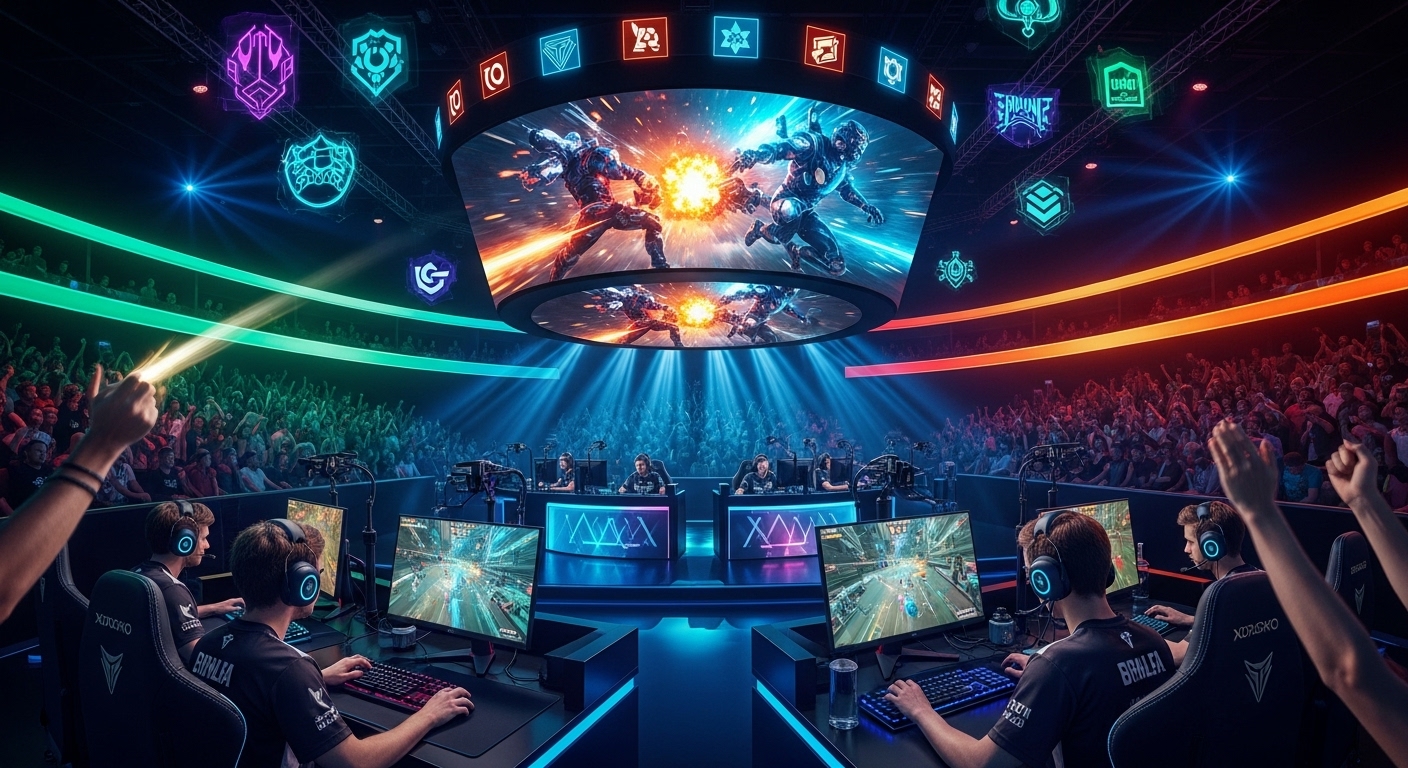
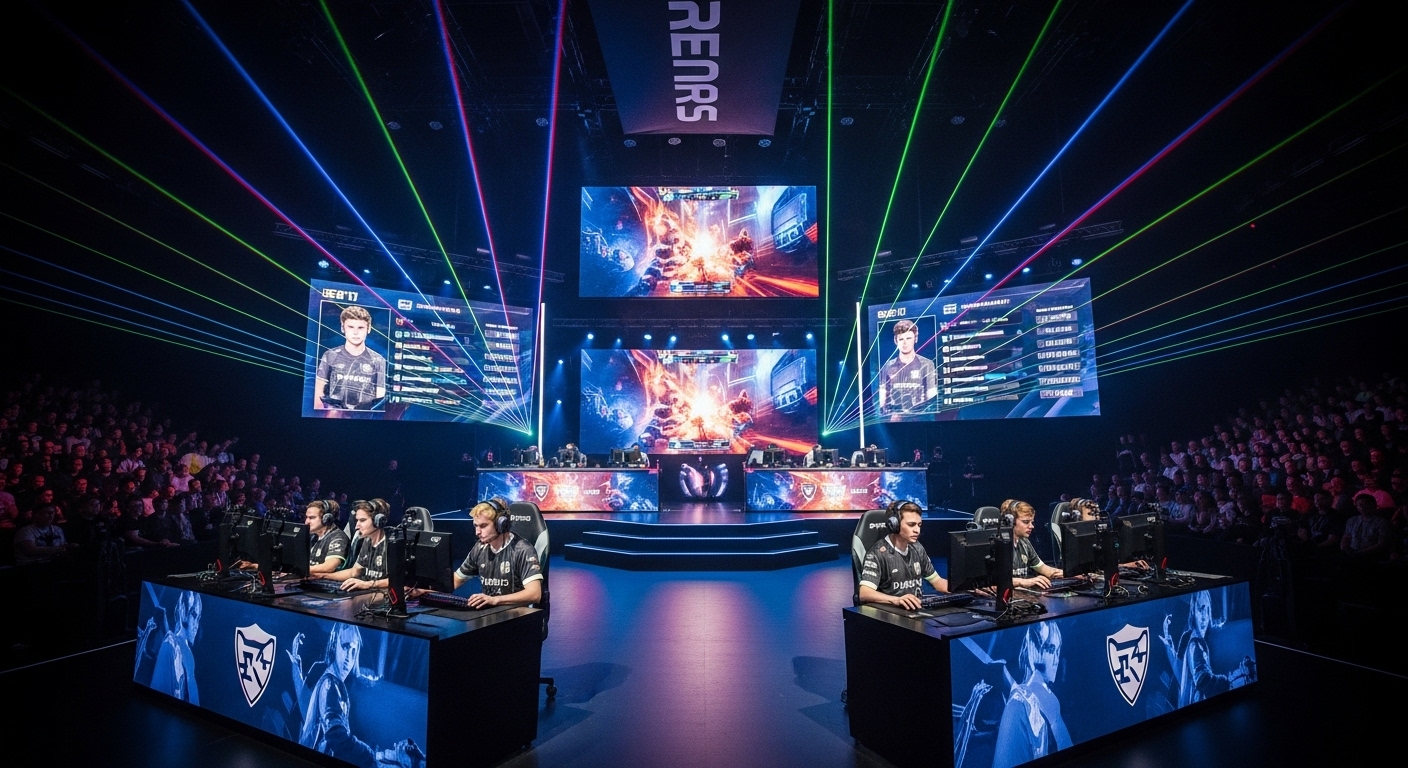
The eSports industry has experienced exponential growth in recent years. Large-scale tournaments now feature prize pools in the millions, attracting sponsorships, streaming deals, and media coverage. Platforms like Twitch and YouTube Gaming provide live coverage, creating an immersive experience for audiences who can watch matches in real-time from anywhere in the world.
The Life of a Professional eSports Player
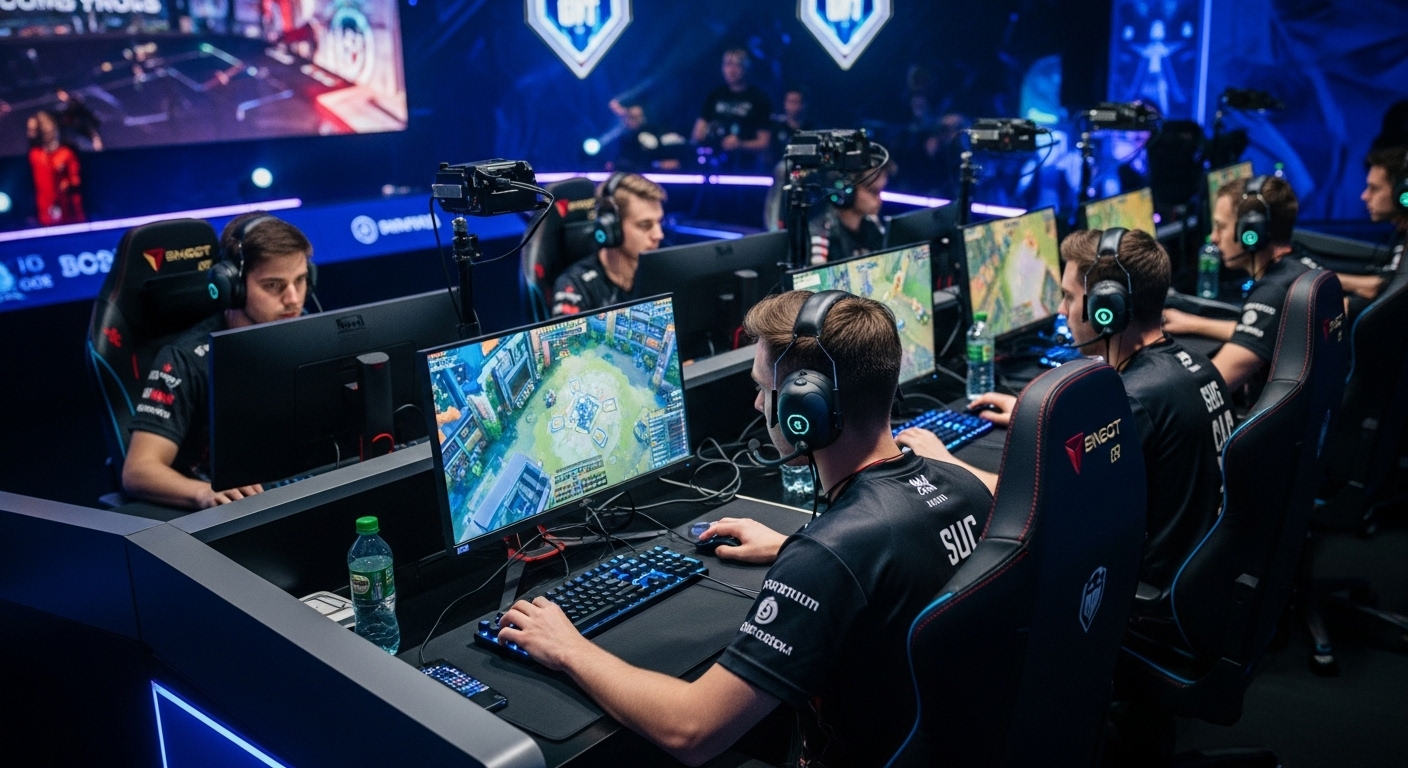
Being a professional eSports player requires dedication, practice, and strategy. Players often spend hours daily refining their skills, studying opponents, and maintaining physical and mental fitness. The lifestyle combines elements of traditional sports with the unique demands of the digital gaming world. Teamwork, communication, and quick decision-making are essential for success.
Impact on Youth and Society
eSports has had a significant impact on youth culture and social interaction. It provides opportunities for career development, creativity, and community engagement. Young players can aspire to become professional gamers, streamers, or content creators, while fans develop skills in strategy, teamwork, and critical thinking by following competitive play.
Challenges in eSports
Despite its popularity, eSports faces challenges. Issues like gaming addiction, long hours of practice, and physical strain from repetitive movements can affect players’ well-being. Additionally, ensuring fair play, proper regulation, and inclusivity remains an ongoing concern for the industry.
The Future of eSports
The future of eSports looks promising and expansive. Virtual reality and augmented reality are expected to enhance gaming experiences, while AI-driven training tools will improve player performance. As technology continues to evolve, eSports will likely become even more immersive, competitive, and accessible, bridging the gap between entertainment and professional sports.
Conclusion
eSports is no longer just a hobby—it is a thriving global industry that combines skill, strategy, and entertainment. With its growing fan base, professional opportunities, and technological advancements, competitive gaming is set to redefine the future of sports and digital entertainment. For players and fans alike, eSports offers a world of excitement, challenge, and endless possibilities.