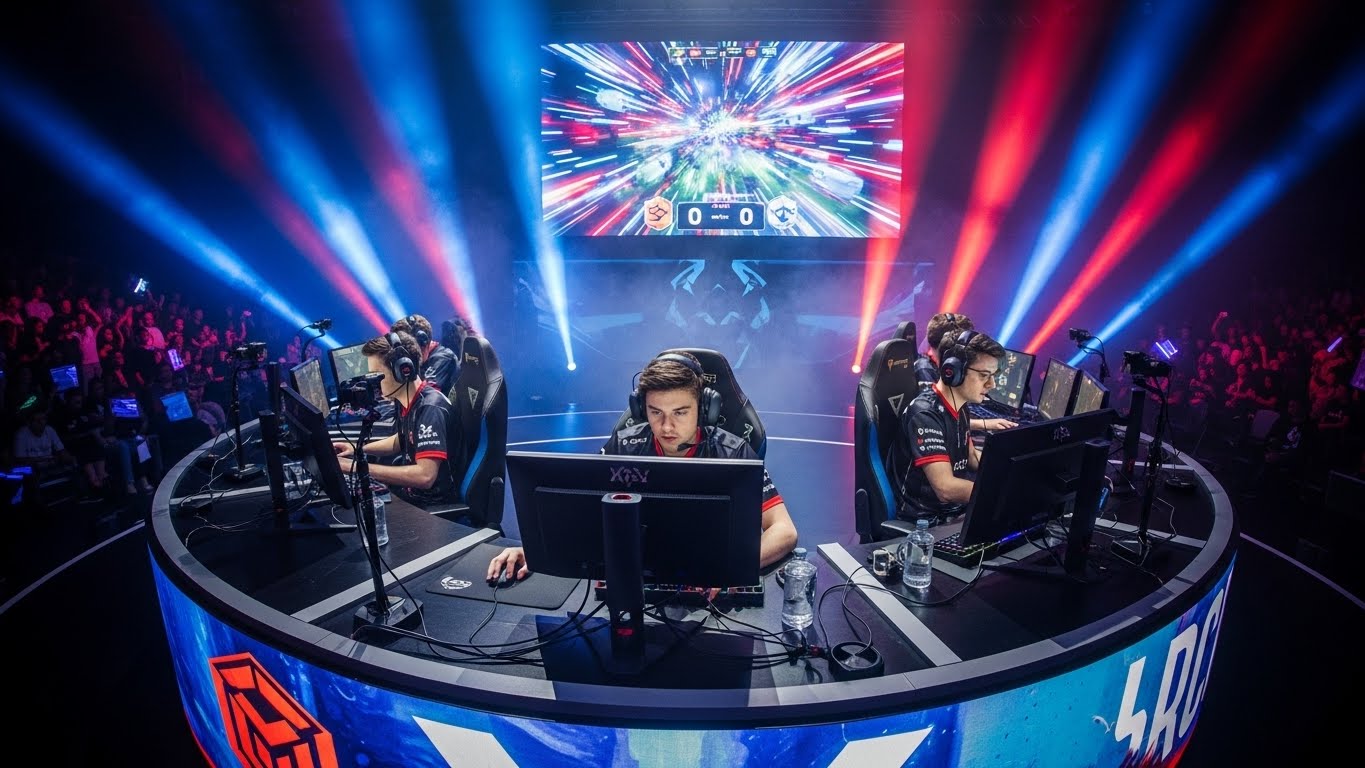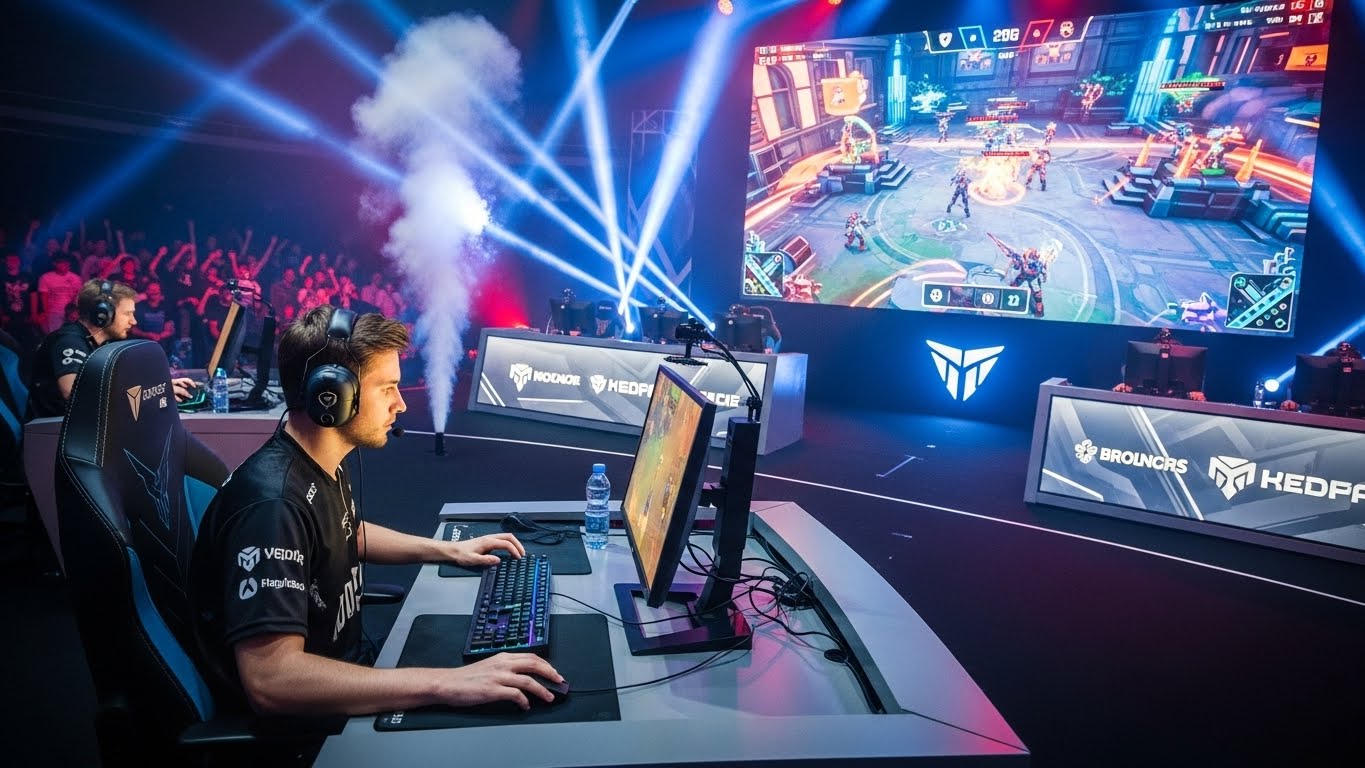





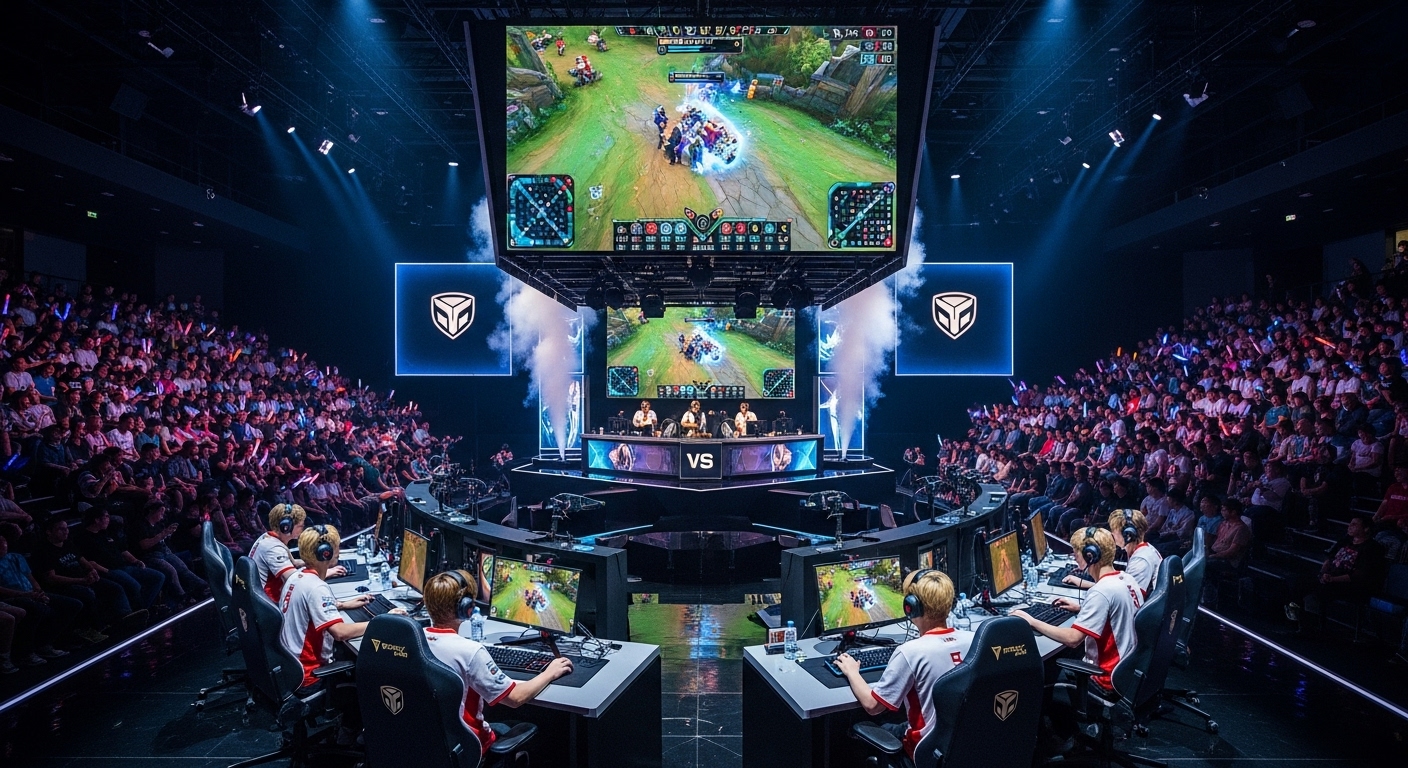
In the last decade, the world of competitive gaming, or esports, has evolved from a niche pastime into a global phenomenon. What was once seen as a mere hobby for a select few has now become a billion-dollar industry, drawing in massive audiences, creating million-dollar prize pools, and turning talented gamers into household names. But how did esports transform from casual fun to a mainstream entertainment powerhouse? Let’s dive into the world of competitive gaming and explore its meteoric rise, the cultural shift it has brought about, and what lies ahead for this digital sports revolution.
What is Esports? A Brief Overview
At its core, esports is organized, multiplayer video game competitions, particularly between professional players, individually or as teams. While video games have been around for decades, it wasn’t until the late 2000s and early 2010s that esports began to take shape as a formalized competitive sector. Games like League of Legends, Dota 2, Counter-Strike, Fortnite, and Overwatch have become staples in the esports community, with players competing for fame, fortune, and glory on both local and global stages.
The rapid development of high-speed internet, the rise of platforms like Twitch, and the widespread accessibility of gaming equipment have contributed significantly to esports’ boom. What started as small LAN tournaments in basements and gaming cafes has expanded into massive events held in arenas, broadcasted to millions of fans worldwide.
Esports: A Global Phenomenon
The most impressive aspect of esports is its global reach. Unlike traditional sports, which may be limited by geographical or cultural barriers, esports transcends these boundaries. Players and fans can connect with one another from anywhere in the world, forming communities that are united by their love for gaming. Major tournaments such as The International for Dota 2, the League of Legends World Championship, and CS:GO Major Championships attract millions of viewers and often generate viewership numbers that rival traditional sports events like the Super Bowl.
The biggest esports tournaments now offer prize pools in the tens of millions of dollars, turning the top players into millionaire professionals. What was once considered a hobby or a casual pursuit has transformed into a full-fledged career path for some of the world’s most skilled gamers. It has also led to an entirely new ecosystem, with gaming organizations, content creators, and professional teams emerging as influential brands.
Esports and Cultural Impact
Esports’ influence extends beyond just the realm of gaming. It has become an integral part of pop culture, with celebrities, musicians, and major corporations increasingly taking interest. Music festivals have partnered with gaming tournaments, and esports athletes are regularly invited to major award shows and even participate in charity events. Gaming itself has transcended its digital origins, becoming a social activity that brings people together from all walks of life.
The esports industry has also had a significant impact on education. Universities around the world are now offering scholarships to talented gamers, and specialized esports programs are emerging at educational institutions. Schools and colleges are forming their own esports leagues, while some have even built dedicated arenas for practice and competition. This not only provides a platform for young players to hone their skills but also offers an avenue for career development in a rapidly growing industry.
The Business Side of Esports
The commercial side of esports is booming, with brands ranging from tech companies to beverage giants recognizing the value of associating themselves with esports. Major sponsors like Coca-Cola, Intel, and Adidas have partnered with esports organizations and tournaments to reach a younger, tech-savvy demographic. Meanwhile, streaming platforms like Twitch and YouTube have capitalized on the esports boom, offering gamers and teams an opportunity to generate revenue through sponsorships, advertisements, and donations.
The rise of esports has also opened new doors for media rights and broadcasting. Many esports tournaments are now broadcasted on television or streamed on mainstream platforms, gaining more widespread visibility. The growth of digital streaming services has only accelerated this trend, providing fans with easy access to their favorite games and tournaments in real-time. This level of accessibility has been key to esports’ explosive growth, as it allows viewers from all around the world to tune in and follow the action.
Challenges and Sustainability in Esports
While esports is undeniably a booming industry, it is not without its challenges. One of the primary issues is the long-term sustainability of the industry. While major tournaments and big sponsorships provide a significant influx of cash, it remains to be seen if the industry can maintain this level of growth over time. Additionally, the mental and physical toll that competitive gaming can take on players—particularly the intense training schedules and long hours spent in front of screens—is a growing concern.
Another challenge for esports is ensuring diversity and inclusion. Although the community is vast and inclusive in many respects, the male-dominated nature of the industry has sparked conversations about how to better include women and other underrepresented groups in esports. Many organizations are now actively working to create more opportunities for women in gaming, as well as ensuring that the environment is more welcoming and equitable.
The Future of Esports
Looking ahead, the future of esports seems bright but uncertain. As technology continues to evolve, we can expect new innovations such as virtual reality and augmented reality to play an increasingly prominent role in esports competitions. New genres of games may emerge, creating new opportunities for players and fans alike. Furthermore, the potential integration of esports into traditional sports organizations and the possibility of the Olympic Games featuring esports in some capacity could drastically change the landscape.
As the esports community grows, the boundaries of gaming and competitive play will continue to expand. It is likely that esports will continue to become a central part of the entertainment industry, not only in terms of audience size but also in terms of cultural significance. With millions of passionate fans worldwide, esports is here to stay, and it’s only going to get bigger from here.
Conclusion: Esports as the New Frontier
Esports represents a new frontier in digital sports entertainment. From its humble beginnings in the gaming community to its current status as a global powerhouse, esports has shown that competitive gaming is more than just a trend—it is a cultural movement. Whether you’re a fan, a player, or an industry professional, there’s no denying the immense impact that esports has had on the world.
As technology advances and the gaming community continues to evolve, the future of esports is filled with endless possibilities. One thing is for sure: the world of competitive gaming is here to stay, and it’s only going to grow from strength to strength.