




Introduction: The Emergence of Esports as a Global Phenomenon
In recent years, esports has emerged as one of the most exciting and rapidly growing industries in the world. Once regarded as a niche hobby, competitive gaming has now become a global powerhouse with millions of fans, professional leagues, and major sponsors. From humble beginnings in local tournaments to sold-out arenas and multi-million-dollar prize pools, esports has transformed into a legitimate form of entertainment, rivaling traditional sports in viewership, investment, and cultural influence.
This blog post explores the rise of esports, examining its origins, the growth of its competitive landscape, and the impact it has had on the gaming community, entertainment industry, and broader society. With an increasing number of games, tournaments, and professional teams gaining prominence, esports is shaping the future of both gaming and entertainment.
The Origins of Esports: From Arcade Tournaments to Global Events
The history of esports dates back to the early days of video gaming. In the 1970s and 1980s, arcade gaming was the primary form of entertainment for many people. The first recognized esports tournament took place in 1972 at Stanford University, where students competed in a game called “Spacewar.” However, it wasn’t until the 1990s that the competitive gaming scene began to take shape with the rise of home consoles and the advent of online gaming.
In the early 2000s, games like “StarCraft” and “Warcraft” gained significant popularity, particularly in South Korea, where competitive gaming was quickly embraced. South Korea became the epicenter of esports, with the formation of professional leagues, sponsorships, and televised events. “StarCraft” became a cultural phenomenon, and players like Lim Yo-hwan, also known as “BoxeR,” became household names in the gaming world.
The mid-2000s marked the beginning of esports’ expansion into the global stage. The advent of high-speed internet and online multiplayer games such as “Counter-Strike” and “League of Legends” allowed gamers from all over the world to compete in real-time, laying the foundation for the large-scale tournaments and global events we see today.
The Growth of Esports: A Multi-Billion-Dollar Industry
Esports has grown exponentially over the last decade, with an estimated market value of over a billion dollars in 2021. Major gaming companies have capitalized on this growth by organizing competitive events, signing lucrative sponsorship deals, and investing in professional teams and leagues. One of the key drivers of this growth is the increasing popularity of streaming platforms like Twitch and YouTube, where gamers and esports organizations can broadcast their events to a global audience.
The rise of streaming has made esports more accessible than ever. Fans can watch their favorite teams and players in real-time from anywhere in the world, with interactive features that allow them to engage with the community. Twitch, in particular, has become the go-to platform for live esports coverage, with millions of viewers tuning in for tournaments, matches, and casual streams. This has created an ecosystem where gamers, streamers, and viewers can interact directly, fostering a sense of community that is vital to the success of esports.
Esports’ popularity has attracted major sponsors and advertisers, including global brands such as Coca-Cola, Intel, and Mercedes-Benz. These sponsorships have helped esports tournaments grow in scale and prize money. For example, the “Dota 2” International, one of the biggest esports events in the world, has boasted prize pools exceeding $40 million, with the majority of that money coming from fans who contribute through crowdfunding campaigns.
In addition to sponsorships, esports has also become a major source of employment. Professional players, coaches, analysts, and content creators can now earn substantial incomes from tournament winnings, salaries, and sponsorship deals. Teams, organizations, and even influencers are capitalizing on esports’ popularity, creating new business opportunities and expanding the gaming industry into a multi-faceted entertainment sector.
The Evolution of Esports Games: From Strategy to Action
One of the reasons esports has seen such tremendous growth is the sheer variety of games that cater to different types of players and audiences. From real-time strategy games to first-person shooters, battle royales, and multiplayer online battle arena (MOBA) games, esports offers something for every kind of gamer.
Real-Time Strategy Games (RTS)
Games like “StarCraft” and “Warcraft” are some of the earliest examples of competitive gaming. These real-time strategy (RTS) games involve players controlling units and resources to defeat their opponents in fast-paced, tactical battles. “StarCraft” remains one of the most iconic RTS games in esports history, especially in South Korea, where it became a cultural phenomenon.
First-Person Shooters (FPS)
The first-person shooter genre is one of the most popular in esports, with games like “Counter-Strike,” “Call of Duty,” and “Overwatch” leading the charge. FPS games test players’ reflexes, accuracy, and teamwork, as teams of players engage in fast-paced combat in virtual environments. “Counter-Strike” has long been one of the most competitive FPS games, with major tournaments such as ESL Pro League and Blast Premier attracting millions of viewers.
Battle Royale Games
In recent years, the battle royale genre has exploded in popularity. Games like “Fortnite” and “PUBG” have captivated millions of players and viewers, with their high-stakes, last-man-standing gameplay. Esports tournaments centered around battle royale games often feature massive prize pools and intense global competition.
Multiplayer Online Battle Arena (MOBA) Games
MOBA games, such as “League of Legends” and “Dota 2,” are perhaps the most successful esports titles in terms of global viewership and professional leagues. These games require players to control a single character with unique abilities and work together with their team to destroy the enemy’s base. The “League of Legends” World Championship, for example, has become a marquee event in esports, attracting millions of viewers every year.
Each of these genres has contributed to the diversity of esports, with unique gameplay mechanics that appeal to different types of players. As new games continue to emerge, the landscape of esports remains dynamic, with new games and formats continuing to shape the competitive scene.
Esports Leagues and Tournaments: A Glimpse into the Future
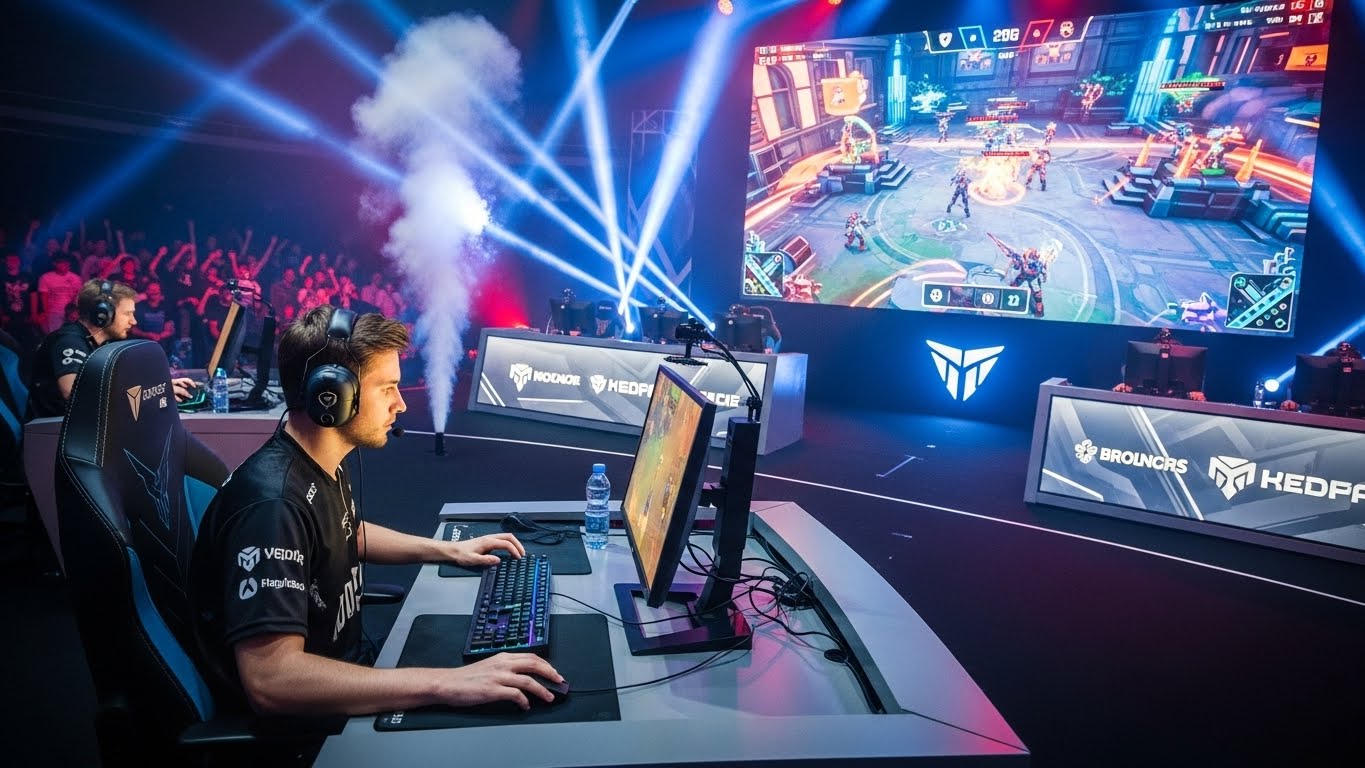
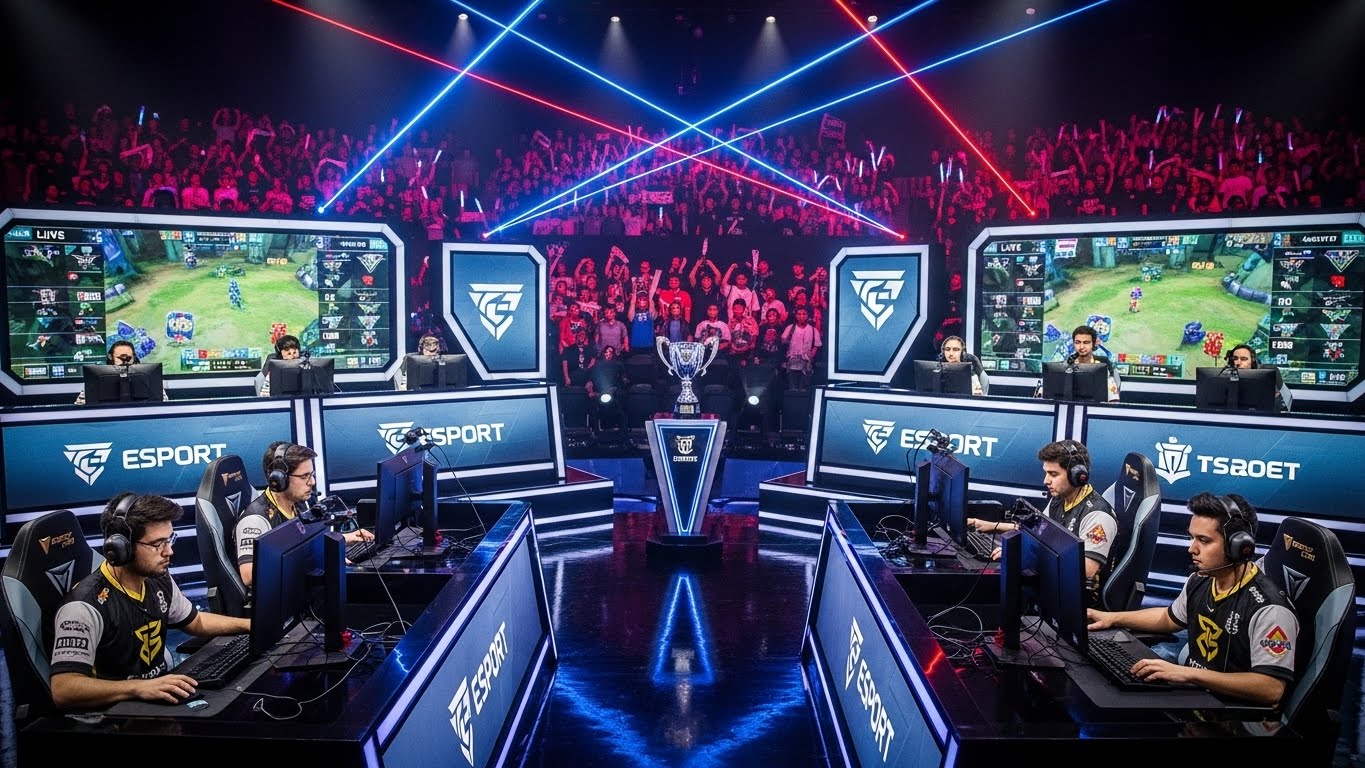
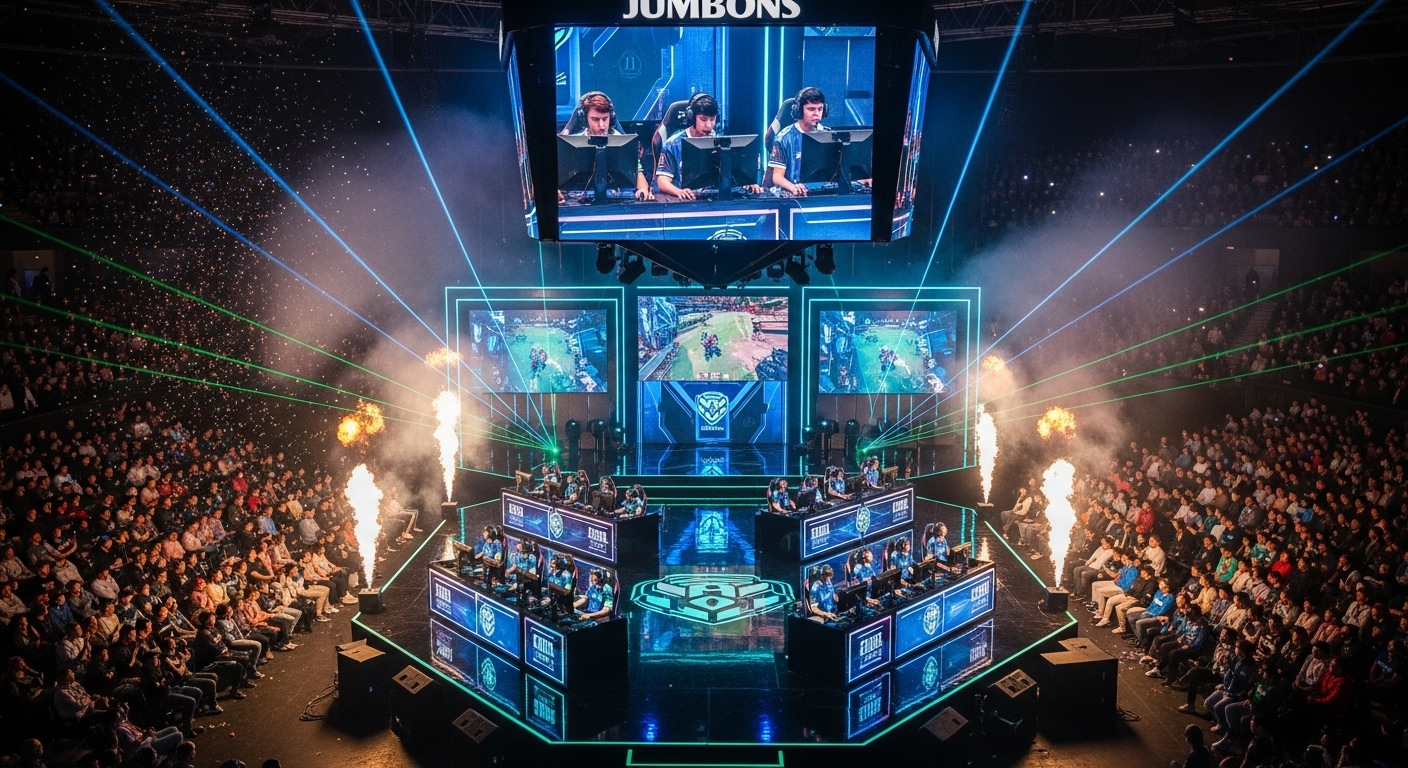
Esports is not only about the games themselves but also about the leagues, tournaments, and events that bring together the best players and teams from around the world. These events are often held in large arenas or broadcasted live online, with millions of viewers tuning in to watch the action unfold.
Major esports leagues include the Overwatch League, the Call of Duty League, and the League of Legends Championship Series (LCS). These leagues operate on a regular season basis, with teams competing throughout the year for a chance to qualify for playoffs and ultimately win the championship title.
Tournaments like the Dota 2 International, the League of Legends World Championship, and the CS:GO Major Championships are the pinnacle of competitive gaming. These events attract the best players and teams from across the globe and often feature prize pools that rival those of traditional sports. The Dota 2 International alone has awarded more than $40 million in prize money in some years, making it one of the most lucrative esports events worldwide.
Esports tournaments are often held in iconic venues, with events such as the Intel Extreme Masters held in locations like Katowice, Poland, and DreamHack offering some of the most prestigious competitions in the industry. These events are live-streamed globally, providing fans from all walks of life the opportunity to watch their favorite teams and players compete at the highest level.
The growing interest in esports has also led to the development of collegiate leagues, with universities offering scholarships for esports athletes and creating competitive teams. As esports continues to gain legitimacy as a form of competition, many believe that esports could one day become an Olympic sport, further cementing its place in the mainstream entertainment industry.
The Cultural Impact of Esports: Connecting Fans Around the World
Esports is more than just a competitive endeavor; it is a cultural phenomenon that has brought gamers and fans together in new and exciting ways. The rise of esports has created a global community of players, fans, and content creators who interact through social media, live streams, and gaming forums.
Streaming platforms like Twitch have become central hubs for esports content, where fans can watch live tournaments, interact with players, and even learn new strategies from top gamers. These platforms have democratized access to esports, allowing viewers to experience the excitement of live competition from anywhere in the world.
In addition to streaming, esports has found a home in social media platforms such as Twitter, Instagram, and Reddit, where fans can discuss matches, share highlights, and follow their favorite teams and players. The rise of gaming influencers and content creators has given esports an even wider reach, with individuals such as Ninja and Shroud amassing millions of followers and helping to mainstream competitive gaming.
The Future of Esports: Innovation and Growth
The future of esports looks incredibly bright, with technology continuing to evolve and new opportunities emerging for both players and fans. One area of innovation is the integration of virtual reality (VR) and augmented reality (AR), which could transform how players experience esports and how viewers engage with live events. As technology improves, esports could offer immersive experiences that bring fans closer to the action than ever before.
Furthermore, esports is likely to continue expanding into new markets, with emerging countries in Asia, Latin America, and Africa showing increasing interest in competitive gaming. With an expanding global fan base and new titles entering the competitive scene, esports is set to become even more mainstream.