





Esports, or electronic sports, is no longer a niche segment of the entertainment world. What started as a small group of gamers competing against each other in basement tournaments has evolved into a global phenomenon with millions of viewers, massive prize pools, and a thriving industry that spans the globe. From humble beginnings to becoming a multi-billion-dollar industry, esports has grown exponentially, and its impact on traditional sports, entertainment, and culture is undeniable.
In this blog post, we will explore the rise of esports, how it transformed from a hobby to a legitimate career, and what the future holds for this rapidly growing industry.
The Early Days: A Small Community of Gamers
Esports as we know it today did not emerge overnight. It started in the early 1990s when competitive gaming began to take shape in the form of small tournaments and local LAN (Local Area Network) events. The first documented esports competition took place in 1997 with the Red Annihilation tournament for the game Quake. The prize? A brand-new Ferrari. While the stakes were high, the esports scene was still relatively obscure, attracting only a small community of dedicated players.
As the internet became more accessible in the late 1990s and early 2000s, online multiplayer games began to gain popularity. Titles like StarCraft, Warcraft III, and Counter-Strike introduced competitive play to a broader audience, and the rise of gaming platforms like Battle.net and Steam allowed players from all over the world to connect and compete. The early esports scene was mainly centered around PC games, and professional gaming tournaments were organized by communities, fans, and developers, with little mainstream recognition.
The rise of dedicated online platforms for tournaments like World Cyber Games (WCG) and Electronic Sports World Cup (ESWC) in the mid-2000s began to legitimize esports as a form of professional competition. Although still under the radar in terms of mainstream visibility, these events drew attention from both players and media, sparking the beginning of the esports revolution.
The Growth of Esports: From Amateur to Professional
The true turning point for esports came in the late 2000s and early 2010s, as the popularity of games like League of Legends, Dota 2, Call of Duty, and Counter-Strike: Global Offensive skyrocketed. These games were not only fun to play but also thrilling to watch. The developers of these games understood the potential for competitive play, and they actively supported esports by hosting regular tournaments with large prize pools and offering robust tools for live streaming.
The introduction of platforms like Twitch in 2011 was a game-changer. Twitch, a live streaming platform dedicated to gaming, provided a space for fans to watch professional tournaments in real-time. Esports events were broadcast to millions of viewers worldwide, and this created a new form of entertainment. The live-streaming model allowed viewers to interact with streamers, ask questions, and discuss gameplay, creating a sense of community around esports that transcended borders.
In addition to Twitch, platforms like YouTube Gaming and Facebook Gaming began offering similar services, which further expanded the reach of esports and professional gaming. These streaming platforms played a significant role in making esports more accessible and popular, as viewers could easily tune in to watch their favorite teams and players compete.
Esports began to attract sponsorship deals from major corporations such as Intel, Coca-Cola, and Red Bull, which saw the potential in this rapidly growing industry. Tournament organizers like ESL (Electronic Sports League) and DreamHack began to attract large-scale sponsors, bringing in millions of dollars in investment. These sponsorships helped fund massive tournaments with millions in prize money and led to the creation of professional esports leagues.
Esports and the Rise of Professional Leagues
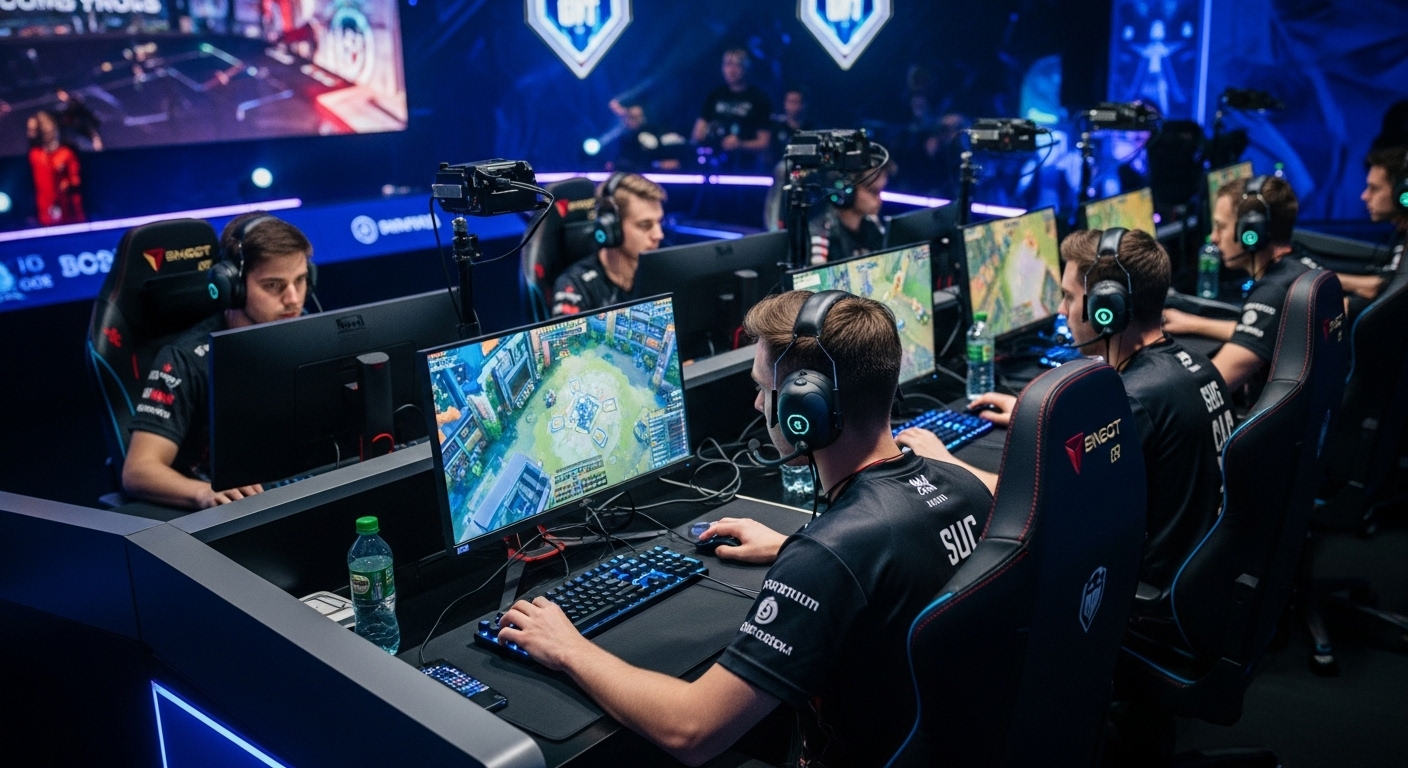
As esports continued to grow, it began to mirror traditional sports in many ways. Just as professional leagues exist for football, basketball, and other sports, esports organizations started forming their own leagues and tournaments, complete with salaried players, coaches, managers, and analysts. Some of the most prominent esports leagues in the world today include the League of Legends Championship Series (LCS), Overwatch League (OWL), Call of Duty League (CDL), and Rocket League Championship Series (RLCS).
These professional leagues brought structure and organization to esports, providing players with a clear path to turn their passion into a career. Teams were formed with the backing of major sponsors and investors, and esports players became full-time professionals with contracts, team management, and performance bonuses based on their success in tournaments.
One of the key differences between traditional sports and esports is the skill set required to compete at the highest level. While traditional sports often rely on physical attributes such as speed, strength, and endurance, esports is all about mental agility, strategy, and reaction time. Players spend hours each day practicing their mechanics, perfecting their teamwork, and studying game strategies to stay ahead of the competition.
Unlike traditional sports, where an athlete’s career may be limited by their physical performance, esports players often have longer careers, with many continuing to play at a high level well into their 30s. The mental and strategic aspects of esports can be just as demanding as physical sports, and the top players are revered as some of the best gamers in the world, often achieving celebrity status in the gaming community.
The Spectator Experience: Esports as a Mainstream Entertainment
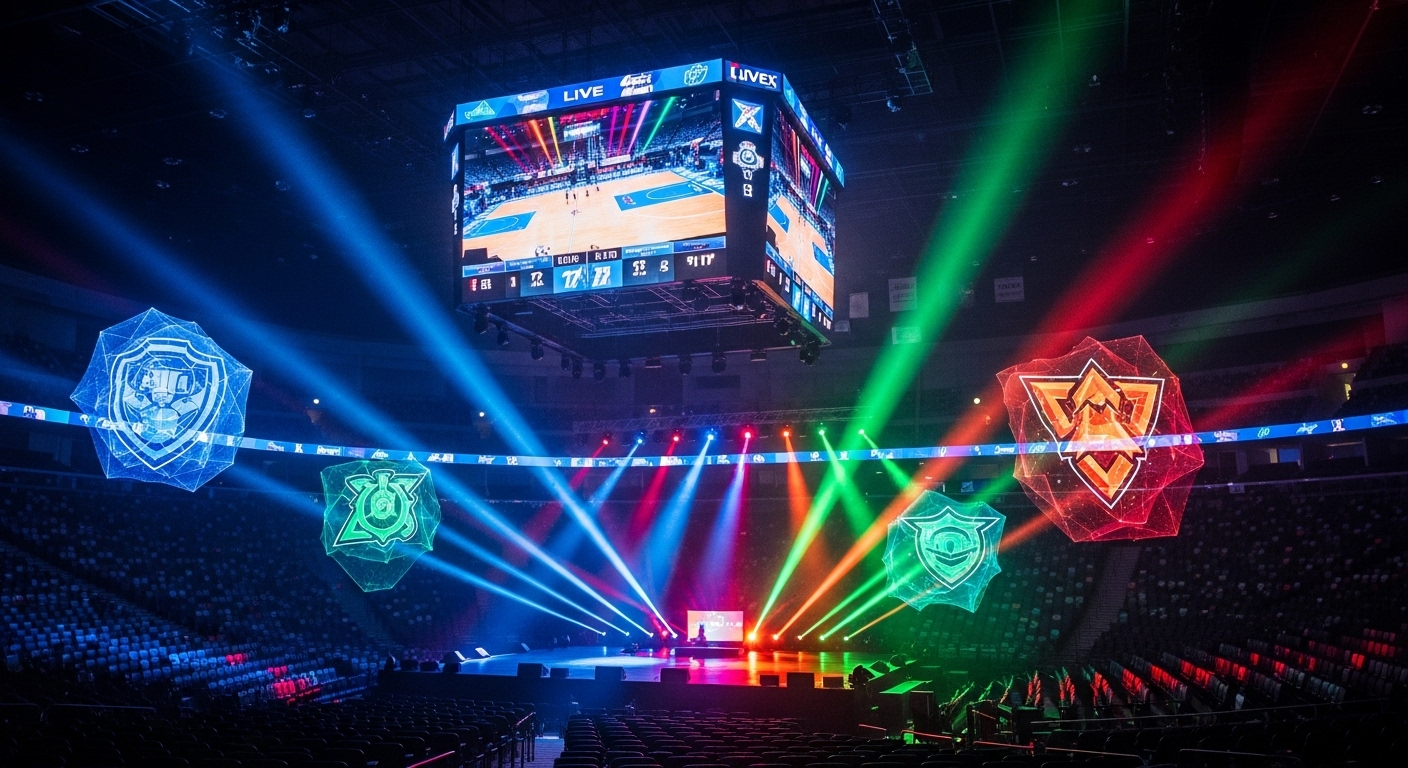
As esports grew in popularity, the spectator experience evolved as well. Major tournaments began to be held in large arenas, and esports fans flocked to these events to cheer on their favorite teams in person. The League of Legends World Championship and The International (for Dota 2) became marquee events in the esports calendar, drawing crowds of tens of thousands of fans and millions of online viewers.
These events have the same high production value as traditional sports broadcasts, complete with commentators, analysis desks, and expert pundits breaking down gameplay. The integration of live streaming, social media, and fan interaction has made esports a highly engaging and interactive experience for viewers, who can follow their favorite players, teams, and tournaments in real-time.
The growth of esports has also had a profound impact on the gaming culture at large. As more people engage with esports, gaming as a whole has gained respect as a legitimate form of entertainment. Esports has also led to the creation of esports-related content, including documentaries, news coverage, and analysis shows that break down the latest strategies, results, and player performance.
Additionally, esports has become an attractive career path for those interested in broadcasting, commentating, production, marketing, and event management. In many ways, esports is no longer just about the players—it’s a vibrant ecosystem that has created job opportunities across a variety of industries.
The Impact of Esports on Traditional Sports
While esports and traditional sports may seem vastly different at first glance, the rise of esports has had a noticeable impact on traditional sports culture. For one, many sports organizations and media outlets have recognized the potential of esports and have started to invest in the industry. Major sports networks like ESPN and Fox Sports have begun broadcasting esports events, and some professional sports teams have even launched their own esports divisions.
Furthermore, traditional sports figures have entered the esports world as team owners, investors, and advocates. This cross-pollination between esports and traditional sports has helped bring legitimacy and mainstream attention to competitive gaming.
Esports has also introduced a younger, tech-savvy audience to the world of sports. Many esports fans are avid followers of traditional sports as well, and the success of esports has sparked discussions about how traditional sports organizations can engage with this new generation of fans. The future of sports and esports could see more collaborations and partnerships as both industries continue to evolve.
The Future of Esports: What Lies Ahead
The future of esports is incredibly bright. With the growing popularity of gaming, advances in technology, and increasing investment from mainstream companies, esports is poised for continued growth in the coming years. Here are some key trends to watch out for:
1. Global Expansion
Esports is no longer confined to Western markets. It has exploded in popularity in regions like Asia, Latin America, and the Middle East, where gaming cultures have flourished. Major esports tournaments are now held around the world, and teams are recruiting international players, creating a truly global ecosystem.
2. Integration with Traditional Sports
Esports and traditional sports are continuing to converge. Many sports leagues and organizations are looking to incorporate esports into their portfolios, while esports tournaments are being held in major sports venues, showcasing the growing overlap between the two worlds.
3. Increased Viewership and Sponsorship
As esports continues to grow, it will attract more viewers, sponsors, and advertisers. With the increase in viewership, we can expect even larger prize pools, more sponsorship deals, and a higher profile in mainstream media.
4. Technological Advancements
Virtual reality (VR) and augmented reality (AR) are likely to play a major role in the future of esports. These technologies could offer more immersive gaming experiences and redefine how tournaments and competitions are organized.
5. Collegiate and Professional Pathways
More universities and colleges are offering scholarships for esports athletes, recognizing the legitimacy of competitive gaming as a career path. As the esports ecosystem matures, we may see a clearer pathway for young gamers to enter the professional scene.
Conclusion: Esports as a Cultural Phenomenon
Esports has grown from a small hobby into a global cultural force. It has captivated millions of players and fans worldwide, transforming into a professional industry that rivals traditional sports in terms of viewership, sponsorship, and prestige. As the industry continues to evolve, esports is set to redefine what it means to be a competitive athlete and how entertainment can be consumed in the 21st century. With its vibrant communities, passionate fan base, and immense growth potential