




Introduction: The Digital Battlefield
Once dismissed as a niche hobby for passionate gamers, esports has transformed into one of the most dynamic and lucrative entertainment industries of the 21st century. What began as small LAN parties and friendly competitions has evolved into multimillion-dollar tournaments watched by millions worldwide. Esports — or electronic sports — encapsulates competitive gaming at a professional level, with players, teams, sponsors, and fans shaping a new kind of athletic culture rooted in digital excellence.
This phenomenon has redefined not only the meaning of competition but also the structure of modern entertainment, education, and even business. To understand how this happened, one must explore its origins, evolution, and the ecosystem that supports it today.
The Early Days: Arcade Rivalries and LAN Battles
The seeds of esports were planted in the late 1970s and 1980s, during the golden age of arcade gaming. Players crowded around machines like Space Invaders and Pac-Man, chasing high scores that would grant them local fame. In 1980, Atari held the Space Invaders Championship, widely regarded as the first large-scale video game competition. Over 10,000 participants took part — a staggering number for that era.
As technology advanced, gaming shifted from arcades to home consoles and PCs. The 1990s witnessed the rise of LAN parties, where friends brought computers together in basements or community centers to play games like Doom, Quake, and StarCraft. These grassroots competitions built the social foundation that esports would later expand upon.
By the end of the decade, broadband internet allowed gamers to connect across continents, transforming friendly rivalries into global showdowns.
The 2000s: The Birth of Modern Esports
The early 2000s marked the true dawn of modern esports. Titles like Counter-Strike, Warcraft III, and StarCraft: Brood War became international sensations, particularly in South Korea, where gaming culture was already booming. Korean cable networks began broadcasting matches, and professional players became celebrities.
Organizations such as the World Cyber Games (WCG) and Electronic Sports World Cup (ESWC) legitimized competitive gaming as an international sport. Tournaments offered prize pools worth hundreds of thousands of dollars — unimaginable a decade earlier.
PC bangs (Korean internet cafés) became the cultural hubs of this new era. South Korea’s government even recognized professional gamers under a legal status similar to traditional athletes. This institutional support set the tone for global expansion and demonstrated that esports could be more than a pastime — it could be a profession.
The 2010s: The Explosion of Esports Culture
If the 2000s laid the groundwork, the 2010s ignited the explosion. This decade saw esports transcend into mainstream consciousness. The catalysts were streaming platforms like Twitch and YouTube Gaming, which democratized access to both players and viewers.
The Streaming Revolution
In traditional sports, fans relied on cable channels and expensive subscriptions. In esports, anyone could tune in for free and interact directly with streamers and teams. Personalities emerged not only from competition but from the charisma of gamers who built massive followings online.
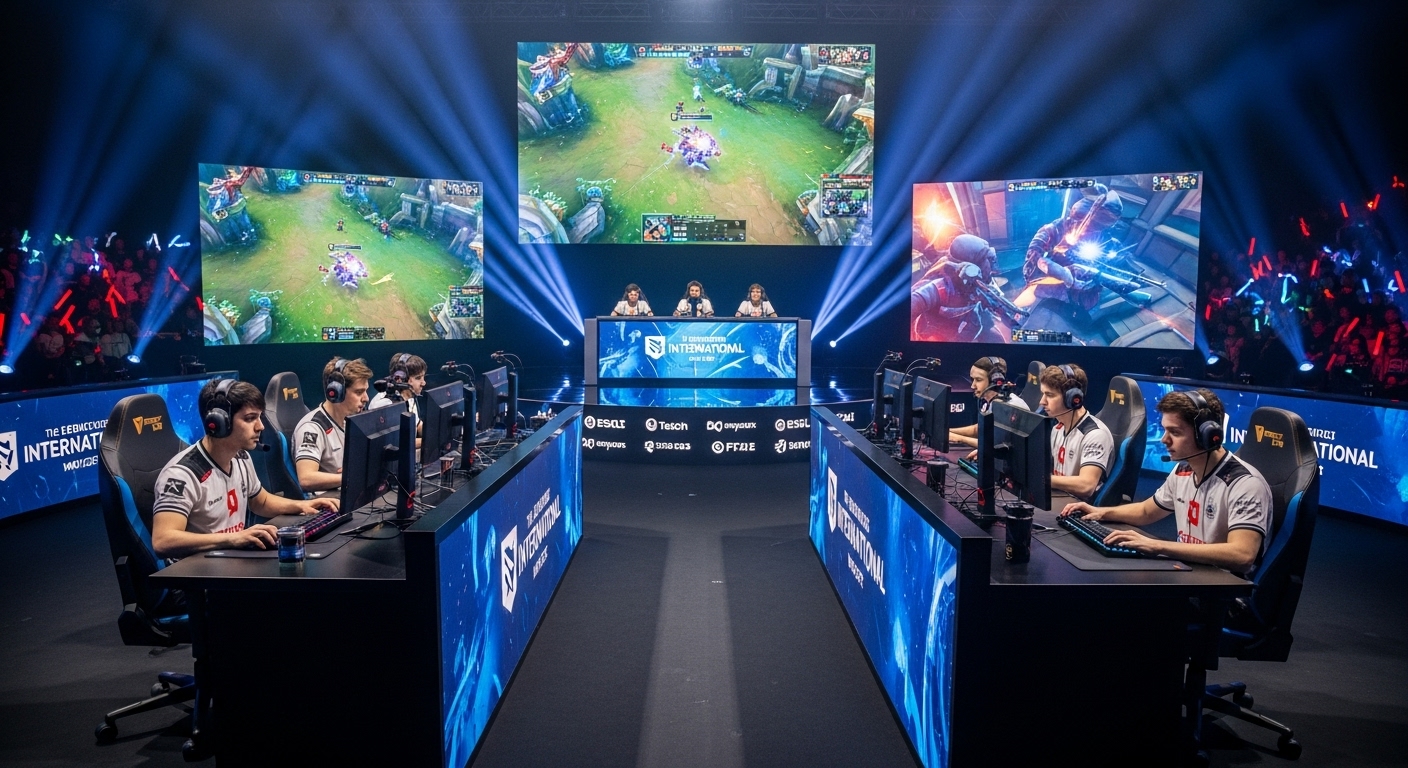
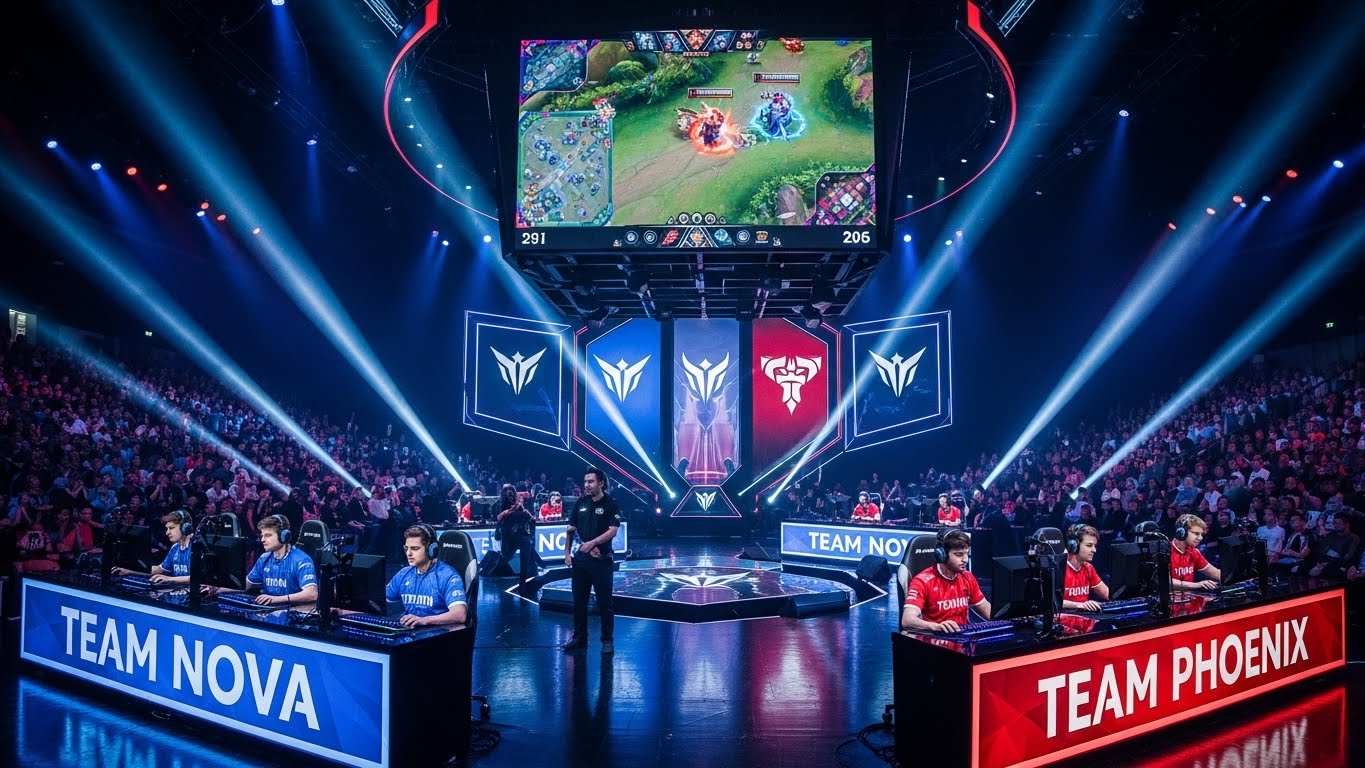
This blend of entertainment and skill turned esports into a cultural force. Games such as League of Legends, Dota 2, and Counter-Strike: Global Offensive became household names. Their tournaments filled massive stadiums, with fans waving team flags and chanting just like at football matches.
Global Tournaments and Record-Breaking Events
The League of Legends World Championship became a spectacle comparable to traditional sports finals, complete with opening ceremonies, live performances, and millions of concurrent viewers. Valve’s The International broke records annually with its crowd-funded prize pools, surpassing $40 million in some years.
These numbers attracted corporate sponsorships from major brands outside gaming — energy drinks, car manufacturers, and even financial institutions saw esports as the new frontier of marketing.
Esports as a Career: Players, Coaches, and Analysts
Today, esports is no longer limited to professional players alone. It has developed into a multi-tiered ecosystem of roles and opportunities.
Professional Players
Top-tier esports athletes train up to twelve hours a day, practicing reflexes, communication, and strategy. Their dedication rivals that of Olympic competitors. Games like Overwatch and Valorant have strict seasonal schedules, requiring mental stamina, teamwork, and discipline.
For many young fans, becoming a professional gamer is the new dream — much like aspiring to play in the NBA or Premier League. Organizations now sign players to contracts, pay salaries, and provide housing, nutrition, and psychological support.
Coaches and Analysts
Behind every successful team stands a group of strategists who analyze data, opponent playstyles, and game updates. Coaches guide players through training regimens, while analysts dissect every frame of gameplay to identify weaknesses. This scientific approach has made esports as complex and methodical as chess combined with high-speed reflexes.
Commentators and Content Creators
The voices behind the screen — commentators, or “casters” — bring emotion and clarity to live matches. Their ability to narrate digital chaos with insight and enthusiasm has turned them into stars of their own. Additionally, content creators and influencers help sustain community engagement between tournaments, ensuring that esports remains a year-round phenomenon.
Infrastructure and Organizations: Building the Ecosystem
The professionalization of esports required structure. Teams such as Fnatic, Cloud9, and Team Liquid evolved from small collectives into global brands with training facilities, merchandizing divisions, and sponsorship departments.
Leagues and Governance
Games like Overwatch and Call of Duty introduced franchise-based leagues modeled after the NFL or NBA. Teams represented specific cities — Los Angeles, Seoul, London — creating local fan bases. This structure brought stability, regular seasons, and business consistency.
However, unlike traditional sports, there is no single governing body for esports. Each game publisher owns its competitive ecosystem, setting rules and hosting official events. This decentralized model has advantages in creativity but also leads to disputes over player rights and tournament regulations.
Education and Esports: A New Academic Frontier
In the last decade, universities around the world have begun offering scholarships for esports athletes. What once seemed unimaginable — gaming as a path to higher education — is now a reality.
Colleges in the United States, Europe, and Asia have esports arenas on campus, dedicated coaching staff, and even degree programs focused on esports management, marketing, and game design. This intersection of education and gaming is shaping a generation that views esports not merely as entertainment but as a viable career path.
Esports and Technology: Innovation at the Core
Esports owes its existence to technological innovation, and the relationship continues to evolve.
Hardware and Performance
Cutting-edge graphics cards, high-refresh monitors, and mechanical keyboards are no longer luxuries — they are essential tools for competitive success. Hardware companies compete fiercely to sponsor teams, pushing the limits of gaming performance each year.
Artificial Intelligence and Analytics
AI is increasingly used to analyze gameplay, detect cheating, and optimize strategies. Advanced algorithms can simulate opponents or provide personalized training insights. This merging of AI and esports signifies a future where data-driven decision-making could replace intuition in tactical play.
Virtual Reality and the Metaverse
The next frontier is immersive competition. Virtual reality tournaments are in their infancy but show promise. As VR hardware becomes more accessible, esports could shift from screen-based observation to physical participation — where players move, dodge, and interact in 3D space.
The Business of Esports: Sponsorships, Brands, and Media Rights
The financial growth of esports is staggering. Global revenues have surpassed billions, driven by sponsorships, advertisements, media rights, and merchandise sales.
Sponsorships and Partnerships
Brands have realized that esports reaches an audience traditional media often cannot: young, tech-savvy consumers with disposable income. Companies like Intel, Red Bull, and Mercedes-Benz have invested heavily in teams and tournaments.
Media Rights and Streaming Deals
Just as television networks pay for the rights to broadcast traditional sports, digital platforms compete for exclusive streaming rights. This has given rise to complex negotiations and billion-dollar contracts. The competition between streaming giants ensures players and organizations benefit from increasing exposure and revenue.
The Cultural Impact of Esports
Esports is not just a business — it’s a cultural movement reshaping how society perceives gaming, entertainment, and even human achievement.
The Redefinition of Athletes
Skeptics once questioned whether esports players should be considered athletes. Yet, their mental agility, reflex precision, and team coordination demand immense discipline. As technology blurs boundaries, esports has expanded the definition of athleticism to include digital skill.
Representation and Inclusion
Esports has also become a platform for diversity. Although male players dominate the professional scene, female gamers and non-binary individuals are increasingly visible. Organizations now host women-only tournaments and diversity initiatives, promoting inclusivity and accessibility.
The Fandom and Lifestyle
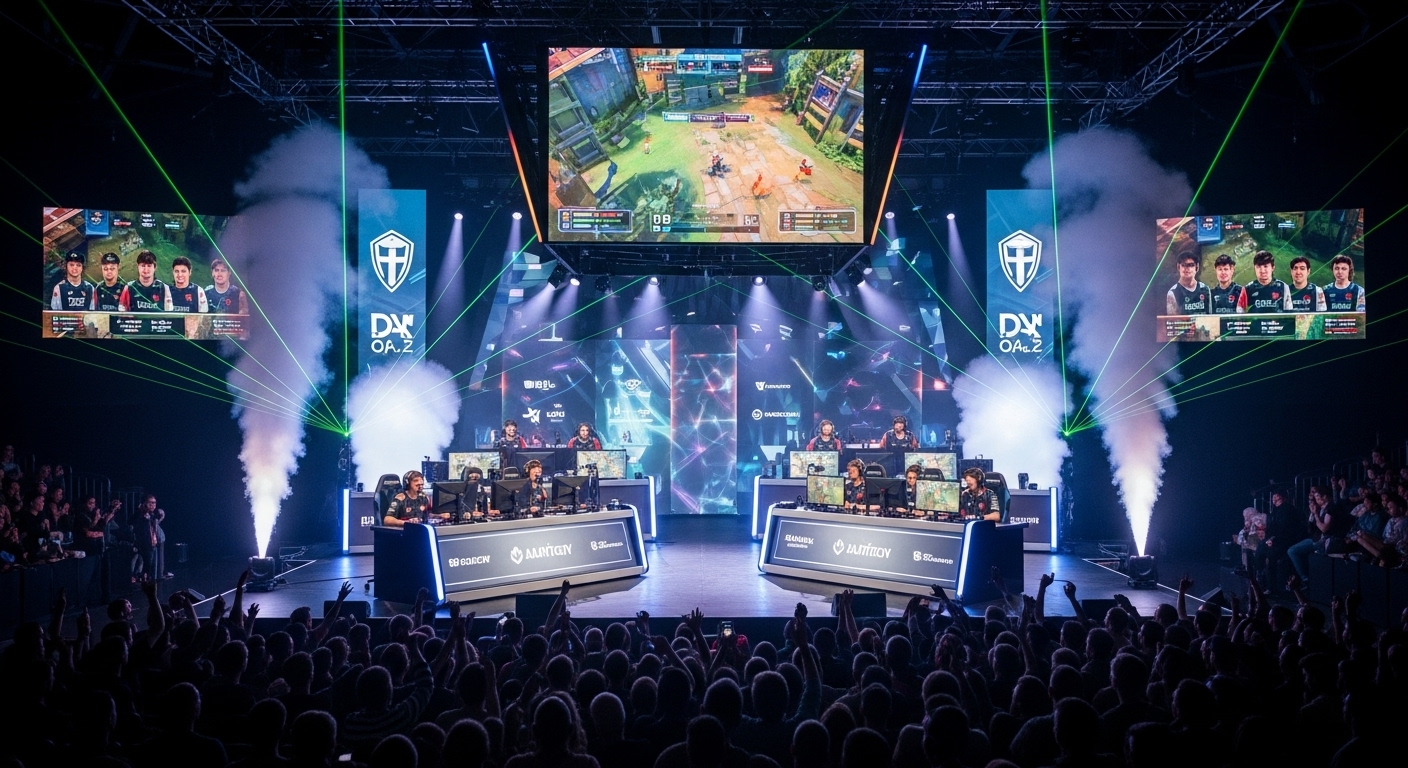
Esports fans express their passion through team jerseys, digital collectibles, and social media communities. Live events create electric atmospheres reminiscent of rock concerts. This shared enthusiasm has birthed a global subculture — part sports, part entertainment, and part digital art.
The Challenges Facing Esports
Despite its meteoric rise, esports faces challenges that must be addressed for sustainable growth.
Player Burnout
The intense training schedules and constant travel take a toll on young players. Burnout and mental health struggles are common. Organizations are beginning to implement wellness programs, but more systemic change is needed to support longevity.
Cheating and Integrity
With massive prize pools at stake, cheating remains a constant threat. Developers use sophisticated anti-cheat software, but the battle is ongoing. Maintaining fairness is critical to preserving credibility.
Economic Sustainability
While top-tier organizations thrive, smaller teams often struggle financially. Prize pools are unevenly distributed, and reliance on sponsorships makes many teams vulnerable to market shifts. A more balanced financial model is essential for long-term stability.
The Future of Esports: What Lies Ahead
Esports stands at the crossroads of technology, culture, and commerce. Its trajectory points toward continued expansion, innovation, and mainstream acceptance.
Global Integration
As internet access spreads, regions like Africa, the Middle East, and South America are emerging as new esports hubs. Local tournaments and language-based content will diversify the global scene.
Integration with Traditional Sports
Traditional sports organizations are investing in esports divisions, blurring the lines between digital and physical competition. The Olympic Committee has already experimented with esports events, signaling potential inclusion in future games.
Cross-Platform and Mobile Growth
Mobile esports — especially in Asia — is exploding. Games like PUBG Mobile and Mobile Legends attract millions of players, demonstrating that high-level competition is not limited to expensive hardware.
Conclusion: The Legacy of a Digital Generation
Esports is no longer a passing trend — it is a defining feature of modern culture. It unites technology, creativity, and competition under a single banner. From crowded LAN basements to sold-out stadiums, the journey of esports reflects humanity’s ability to turn passion into global phenomena.
For the new generation, esports isn’t just about winning games — it’s about storytelling, innovation, and connection. The screens we once used for escape have become windows into a new kind of reality — one where players, fans, and dreamers coexist in a digital world built on skill, community, and endless possibility.