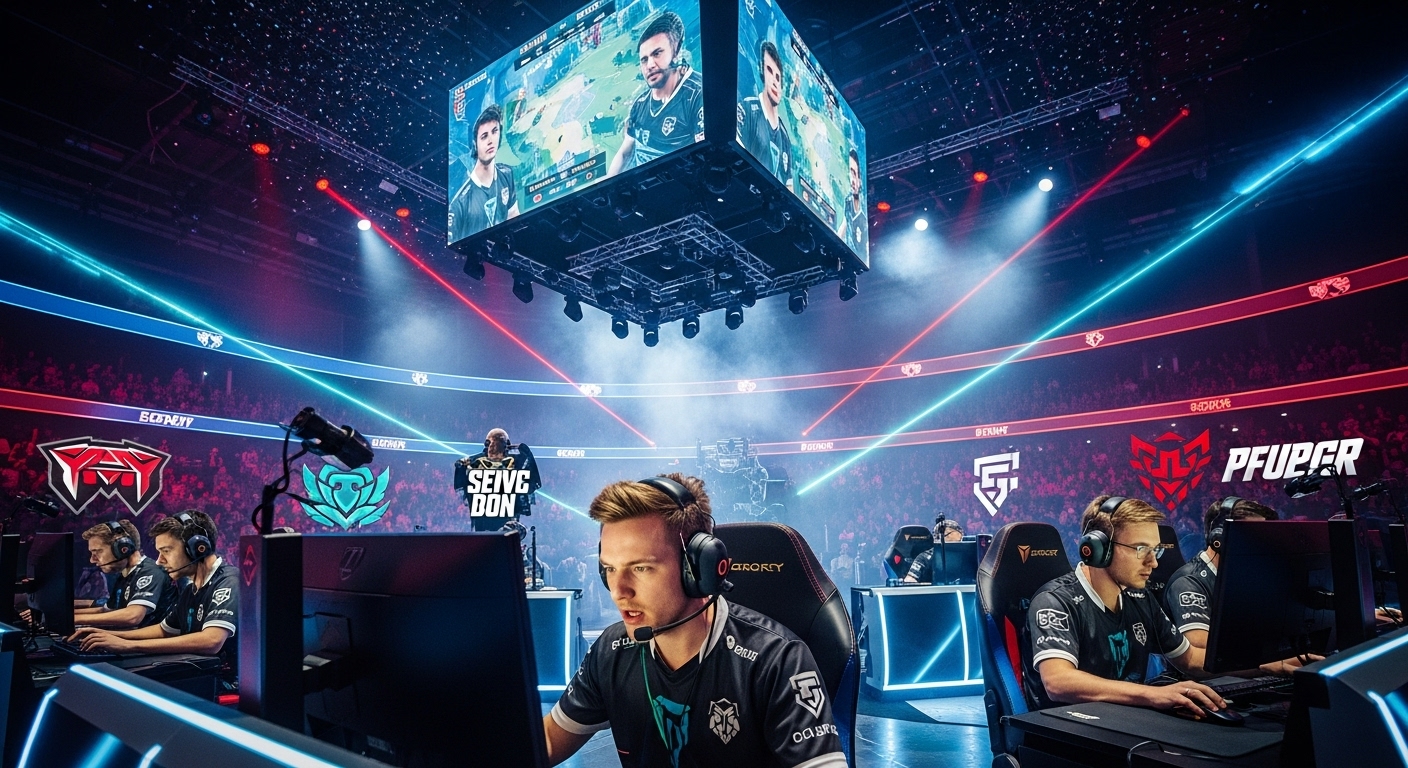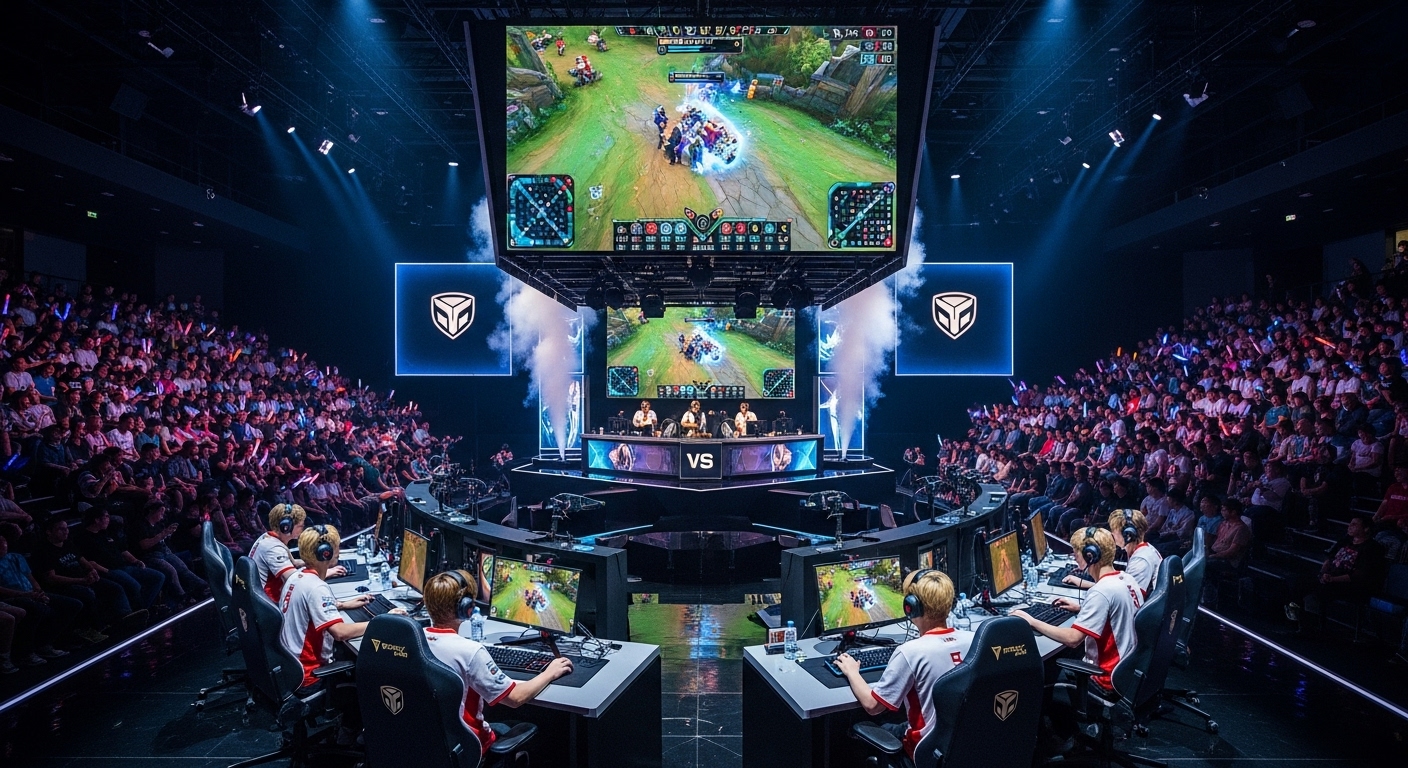





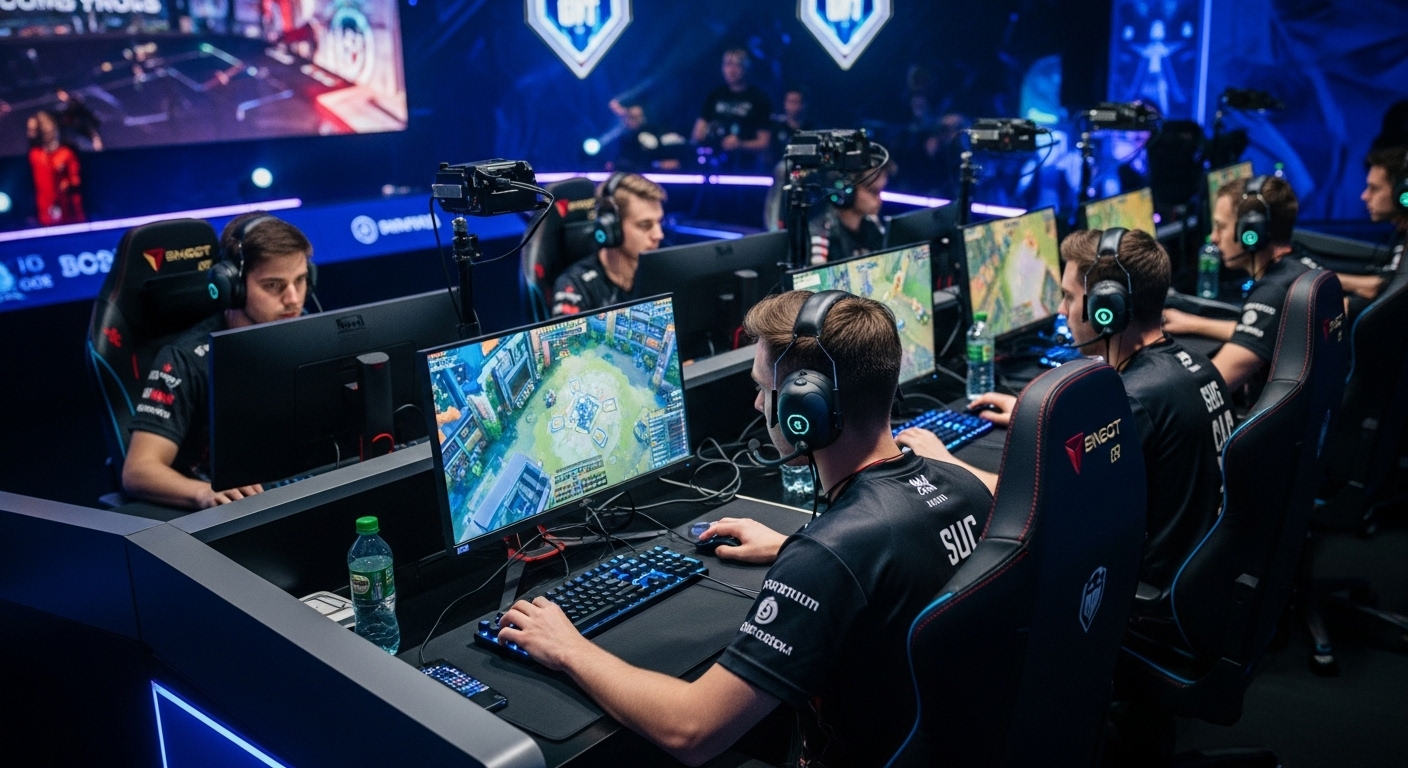
Competitive gaming, or eSports, has transformed from a niche hobby into a global phenomenon, captivating millions of players and viewers worldwide. As games become more sophisticated and competitive, the mental aspect of gaming has taken on greater importance. Winning in eSports is no longer just about reflexes, hand-eye coordination, and strategy; it’s also about mastering the psychological components that can make or break a game. From managing stress to maintaining focus under pressure, the psychology of winning plays a pivotal role in determining success in competitive gaming. Here’s a deep dive into how mental fortitude, mindset, and cognitive strategies influence the outcome of a game.
1. The Role of Focus and Concentration
In the fast-paced world of competitive gaming, staying focused is crucial for success. Unlike casual gaming, where players can take breaks or relax, competitive players are required to maintain intense concentration for extended periods—sometimes for hours. Whether it’s a first-person shooter, a strategy game, or a multiplayer online battle arena (MOBA), distractions can result in costly mistakes that may cost the game.
The ability to maintain focus is a psychological skill that separates the best players from the rest. Top eSports athletes practice techniques such as mindfulness and meditation to sharpen their concentration skills. These techniques help them block out distractions, stay in the zone, and make quick decisions without being overwhelmed by the intensity of the game. Players who can consistently focus are able to read their opponents’ movements, anticipate plays, and react faster, all of which are key to gaining the upper hand.
2. Handling Pressure and Stress
The pressure in competitive gaming can be immense, especially in high-stakes tournaments with large audiences or large prize pools on the line. Under these conditions, stress can cloud judgment, impair performance, and even lead to tilt—a term used to describe when a player becomes emotionally frustrated or upset, leading to poor decision-making.
The psychology of managing stress is critical to success in eSports. Top players often undergo mental conditioning and stress-management training to help them stay calm under pressure. Techniques such as deep breathing, visualization, and positive self-talk can be effective ways to manage anxiety and maintain composure. Furthermore, experience plays a huge role; players who have participated in many tournaments or high-pressure situations are typically better at managing the intense emotions that come with competition. Being able to stay cool under pressure not only improves performance but also helps players think clearly and make more effective decisions.
3. The Power of Confidence
Confidence is one of the most important psychological traits in competitive gaming. Players who believe in their abilities are more likely to take calculated risks, push their limits, and execute complex strategies that might be necessary to win. On the other hand, players who doubt themselves can hesitate, second-guess their decisions, and even underperform in crucial moments.
In eSports, confidence is built over time through consistent practice, learning from losses, and developing a growth mindset. Players who view each loss as an opportunity to improve rather than a failure are more likely to bounce back stronger. Positive reinforcement from teammates, coaches, or fans can also boost confidence, especially when players are struggling or facing setbacks. However, maintaining a balance is essential—too much confidence can lead to arrogance, while too little can result in a lack of assertiveness.
4. Team Dynamics and Communication
While individual skill is undeniably important, competitive gaming often involves teamwork. In multiplayer games like “League of Legends,” “Dota 2,” or “Overwatch,” effective communication and coordination with teammates can make the difference between victory and defeat. The psychology of team dynamics is just as crucial as individual performance.
Clear and efficient communication allows teams to synchronize strategies, share information, and adapt to opponents in real time. However, tension or poor communication can fracture a team and disrupt gameplay. Successful teams understand the importance of fostering positive relationships and maintaining mutual respect, even when things aren’t going well. Coaches and team leaders often help create an environment that encourages open communication and conflict resolution, ensuring that players stay focused on the game and work together toward a common goal.
Moreover, teamwork in eSports isn’t just about coordination; it’s also about mental resilience. Teams often undergo psychological training to develop emotional intelligence and empathy for one another, which helps in managing conflict and ensuring that players remain motivated throughout the course of a tournament or league.
5. Mental Fatigue and Cognitive Endurance
Mental endurance is just as important as physical endurance in competitive gaming. Many eSports tournaments are marathon events that can stretch over several hours or even days, requiring players to maintain their mental sharpness across multiple matches. Mental fatigue can significantly impair decision-making, reaction times, and problem-solving abilities, which can lead to mistakes and poor performance.
To combat mental fatigue, professional players often employ various cognitive training techniques, such as puzzle-solving exercises, memory drills, and strategy simulations. These exercises help enhance mental agility and increase cognitive endurance, allowing players to think more clearly and decisively under pressure. Regular breaks and proper sleep hygiene are also essential for maintaining peak cognitive function during long gaming sessions. Players who neglect their mental well-being are more likely to suffer from burnout or mental exhaustion, ultimately compromising their ability to perform.
6. The Impact of Motivation and Drive
Motivation is the engine that keeps competitive gamers pushing forward. In eSports, motivation comes in various forms—whether it’s the desire to win a prestigious tournament, the drive to improve personal rankings, or the aspiration to secure financial rewards. The most successful players are often those who maintain a deep, intrinsic motivation to keep improving, despite the inevitable setbacks and challenges they face along the way.
However, motivation can fluctuate, and it’s crucial for players to maintain a healthy balance. Overexerting oneself in pursuit of success can lead to burnout, while a lack of motivation can result in stagnation and poor performance. The most elite players are often those who are able to sustain long-term motivation while also enjoying the process of learning and improving. Many top players also emphasize the importance of passion for the game itself—those who truly love what they do are more likely to stay engaged and motivated over time.
7. Mental Toughness and Resilience
The psychology of winning in eSports heavily relies on mental toughness—the ability to persist through adversity, overcome obstacles, and stay resilient in the face of failure. In a competitive gaming environment, losing is inevitable. Whether it’s an unexpected defeat, a poorly executed strategy, or simply bad luck, every player faces setbacks. What separates the greats from the rest is how they respond to these challenges.
Resilience in eSports is about bouncing back after a loss, learning from mistakes, and using those lessons to improve. Elite players develop a growth mindset, viewing each setback as an opportunity for personal and professional growth. Rather than dwelling on losses, they focus on refining their skills, analyzing their gameplay, and staying committed to their long-term goals. Mental toughness is also about dealing with pressure, setbacks, and the emotional rollercoaster of competition without losing focus or motivation.
8. The Influence of Coaching and Support Staff
The importance of psychological coaching and support in eSports cannot be understated. Just like traditional athletes, eSports players benefit from having a coach who understands both the strategic and mental aspects of the game. Coaches help players prepare for matches, refine their skills, and analyze their performances. More importantly, they play a key role in nurturing the mental resilience of their players.
Psychological support can help players manage stress, anxiety, and pressure, which often come with the competitive nature of eSports. Many professional eSports teams have psychologists or performance coaches who work with players to help them improve their mental toughness, focus, and emotional regulation. These support systems allow players to stay mentally sharp and make better decisions, both during and after matches.
Conclusion
The psychology of winning in competitive gaming is an often overlooked, yet essential, component of success. While technical skill and practice are undoubtedly important, it is the mental fortitude, focus, and resilience that truly differentiate top-tier players from the rest. Understanding and cultivating a winning mindset can be the difference between losing and coming out on top. As eSports continues to grow, it’s clear that the psychological aspects of competition will play an increasingly important role in shaping the next generation of champions. By embracing mental strategies, players can unlock their full potential, rise above the pressure, and achieve greatness in the world of competitive gaming.