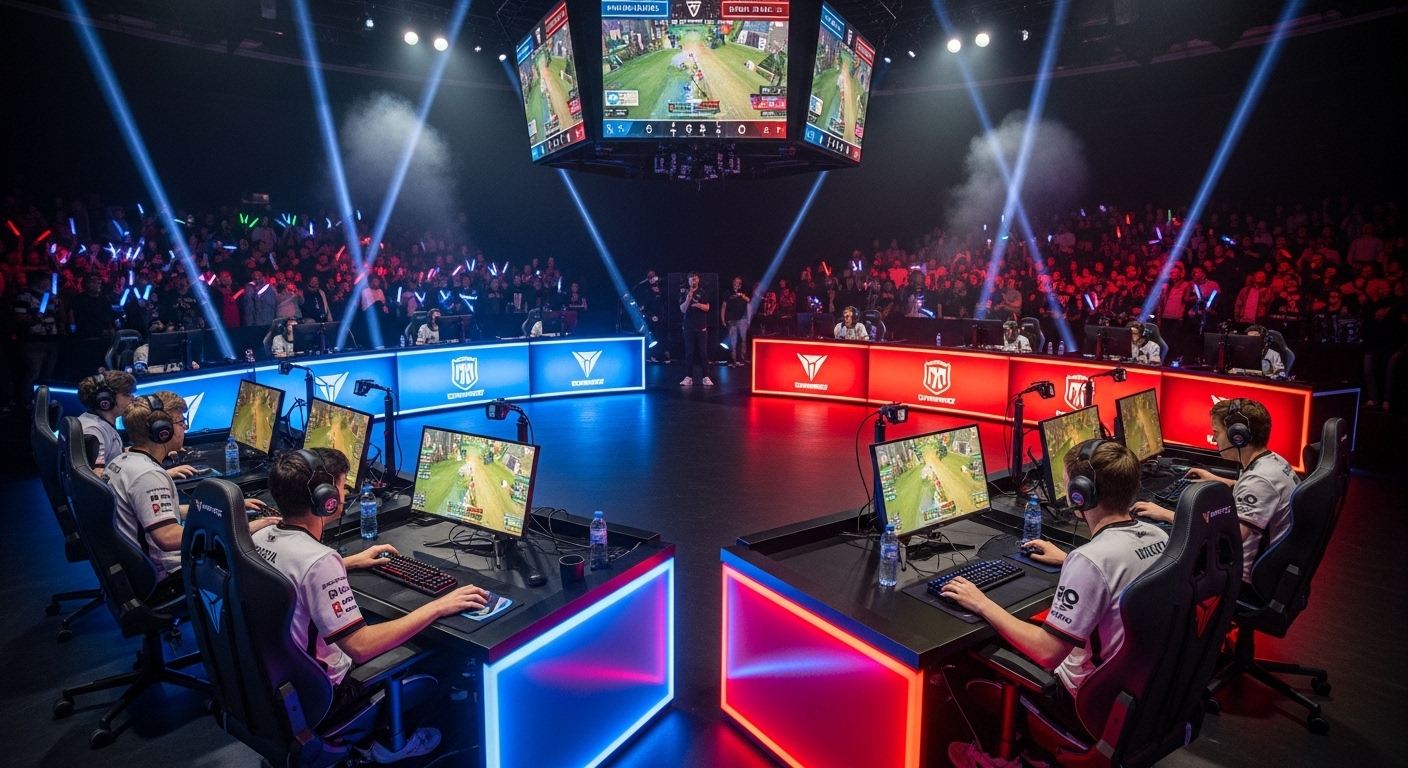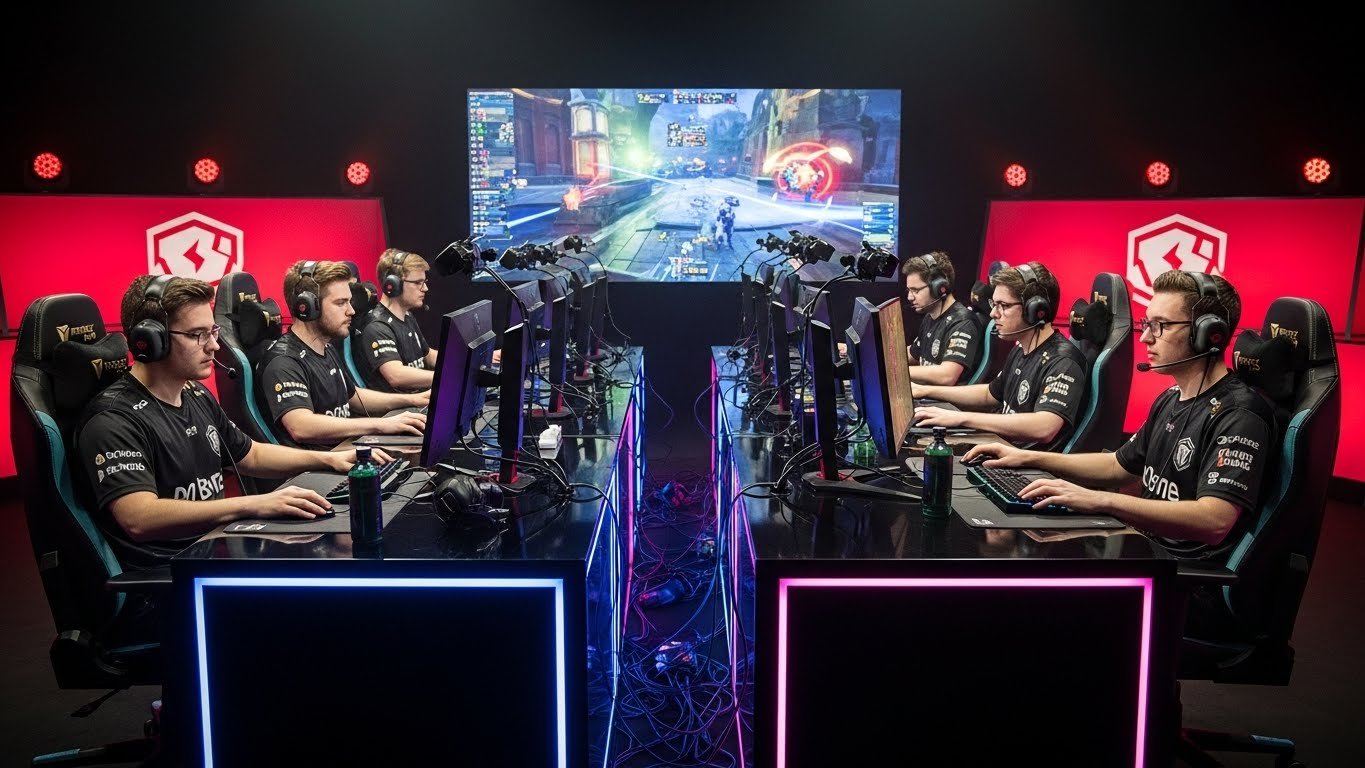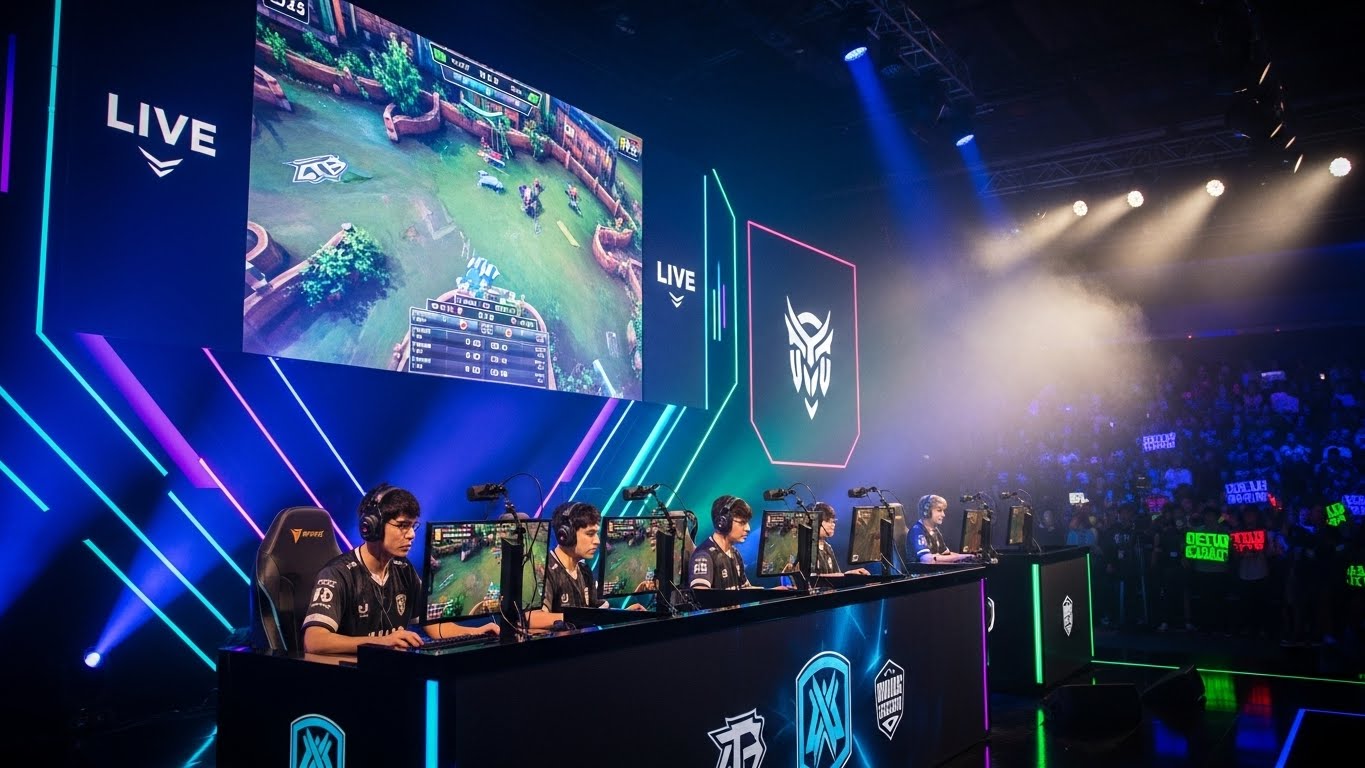





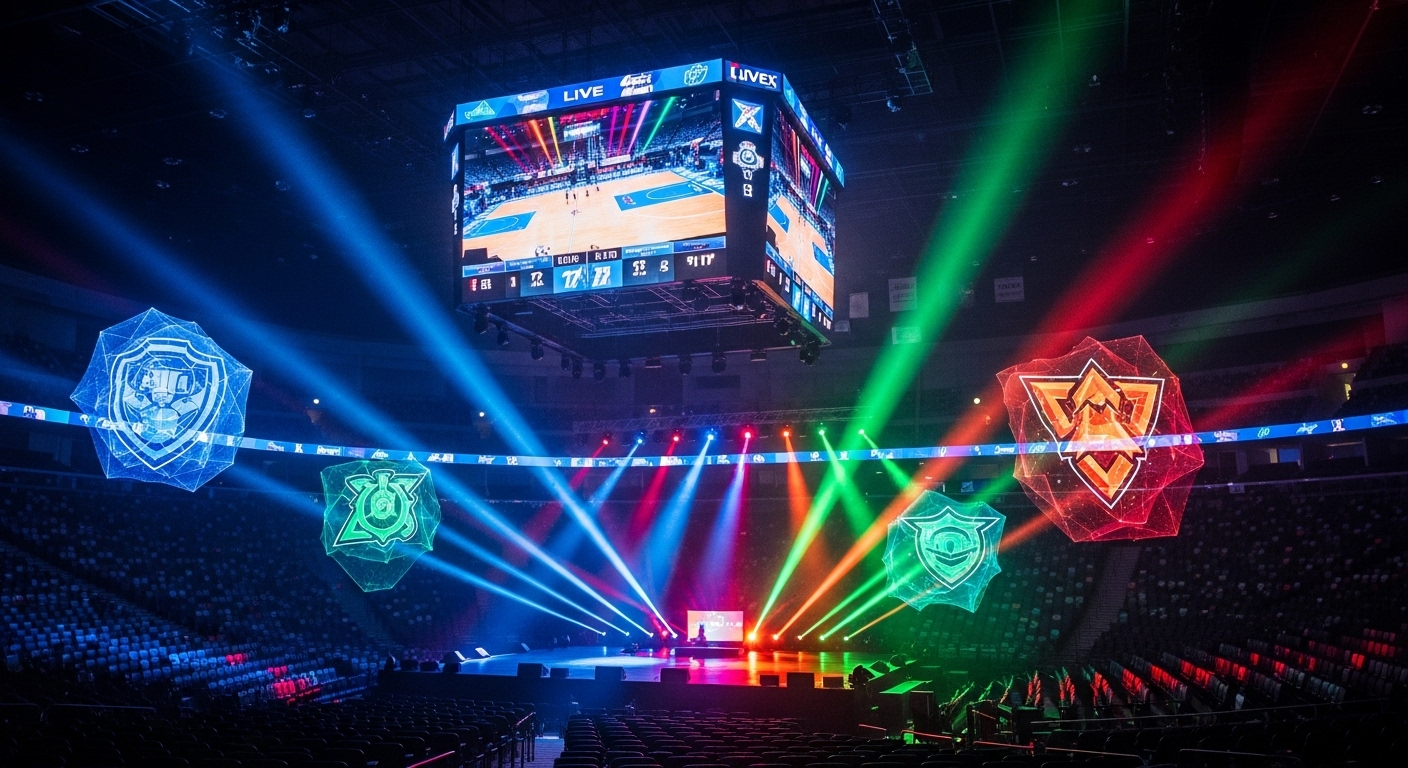
Esports has rapidly emerged as one of the most exciting and lucrative forms of entertainment in the 21st century. What once began as a niche hobby for passionate gamers has now grown into a global industry with millions of fans, professional teams, and multi-million-dollar tournaments. Competitive gaming is no longer just about high scores or casual matches; it’s a sophisticated, high-stakes arena where skill, strategy, and mental fortitude are tested at the highest level. In this blog post, we will explore the rise of esports, its cultural impact, the structure of competitive gaming, and the future of this dynamic industry.
The Origins of Esports: From Arcade Games to Professional Leagues
Esports, as we know it today, has its roots in the early days of video games. In the 1970s and 1980s, arcade games like Pong and Space Invaders ignited the imagination of players and set the stage for competitive gaming. However, these early games were more about individual high scores than organized competition. The next leap forward came with the advent of multiplayer games, particularly on PCs, in the 1990s.
The birth of LAN (Local Area Network) parties allowed gamers to connect and compete against each other in a more organized fashion, though the scope was still relatively small. As internet speeds improved and games became more complex, the rise of titles like Quake, StarCraft, and WarCraft led to the first esports tournaments. These early events helped lay the foundation for the global esports industry, but it wasn’t until the 2000s that esports started gaining real mainstream attention.
The Growth of Esports: A Global Industry
By the mid-2000s, esports had evolved from local LAN parties to large-scale, international tournaments. One of the most influential moments in esports history was the creation of the World Cyber Games (WCG) in 2000, followed by the establishment of Blizzard Entertainment’s World of Warcraft tournaments and League of Legends’ eventual rise to fame. The emergence of streaming platforms like Twitch, which launched in 2011, completely revolutionized how people consumed esports content.
With the ability to watch live broadcasts of matches and tournaments, viewers could now follow their favorite players and teams in real-time. This helped cultivate a passionate global fanbase. As esports grew in popularity, game developers, sponsors, and investors began recognizing the immense potential for monetization. Tournaments with prize pools in the millions of dollars started to become the norm, with some major events like The International in Dota 2 boasting prize pools of over $40 million.
Today, esports is a multi-billion-dollar industry, with high-profile games like League of Legends, Fortnite, Counter-Strike: Global Offensive, Valorant, and Overwatch leading the charge. Esports is no longer a fringe activity; it’s a central component of modern gaming culture, attracting millions of fans worldwide and millions in sponsorships, advertising revenue, and merchandise sales.
Understanding Esports Competitions and Structure
At the heart of esports is its competitive nature, with tournaments structured similarly to traditional sports. Each esports game typically has a professional league consisting of teams or individual players who compete in regular seasons, culminating in a series of playoffs and finals. The format often includes group stages, round-robin matches, and elimination rounds, where only the best teams rise to the top.
For example, the League of Legends World Championship follows a rigorous qualification process that involves regional leagues around the world. The top teams from these leagues face off in the World Championship, with intense matches determining the ultimate victor. Other games, such as Overwatch League and CS:GO Major Championships, operate under similar formats, where teams compete for a share of substantial prize money and global recognition.
Esports organizations have also adopted professional structures akin to traditional sports. Coaches, analysts, and managers work alongside players, analyzing opponents’ strategies and fine-tuning team performance. Players often train for hours each day, practicing specific game mechanics, map knowledge, and team communication to gain an edge over their rivals. The level of preparation in esports is intense, with many players treating their craft as a full-time job.
The Popular Games Driving Esports Forward
Esports includes a variety of game genres, each with its unique competitive appeal. Some of the most popular genres in esports today are:
Multiplayer Online Battle Arenas (MOBAs)
League of Legends and Dota 2 are two of the most well-known MOBAs in the esports scene. In these games, players control individual heroes and work together with their team to destroy the enemy’s base while defending their own. These games require exceptional teamwork, strategy, and individual skill, and they are among the most-watched esports titles worldwide.
First-Person Shooters (FPS)
Games like Counter-Strike: Global Offensive, Valorant, and Overwatch fall under the first-person shooter category. These games involve intense, high-speed action where players must rely on quick reflexes, precise aiming, and effective teamwork to eliminate the opposing team. Competitive FPS games have always been a staple of the esports scene, with major tournaments and leagues showcasing the best sharpshooters in the world.
Real-Time Strategy (RTS)
StarCraft II is one of the most prominent examples of an RTS game in esports. In RTS games, players manage resources, build units, and command armies to defeat their opponents. These games emphasize strategic thinking, multitasking, and decision-making under pressure. The StarCraft series has been a dominant force in esports, particularly in South Korea, where professional players have achieved celebrity status.
Fighting Games
The Street Fighter and Super Smash Bros. series are examples of popular fighting games in the esports world. These games are played in one-on-one combat, where players use different moves and strategies to knock out their opponent. Fighting game tournaments, such as EVO (Evolution Championship Series), attract thousands of competitors and fans annually.
The Role of Streaming and Content Creation in Esports
One of the driving forces behind the growth of esports has been the rise of streaming platforms like Twitch, YouTube Gaming, and Facebook Gaming. These platforms allow players to stream their games live, creating a direct connection with viewers and fans. Professional players, commentators, and content creators can build large followings by streaming their matches, offering gameplay tutorials, and interacting with fans in real-time.
Streaming not only offers fans access to live esports events but also provides a platform for players to showcase their talents, discuss strategies, and engage with their audience. This has led to the rise of esports influencers who are now able to monetize their channels through sponsorships, donations, and advertising. The ability to create content, whether it’s through gameplay or commentary, has opened up new career opportunities for people passionate about gaming.
Esports as a Career Path
Esports is no longer just a hobby for enthusiasts—it’s a legitimate career for many professional gamers, coaches, streamers, analysts, and team owners. Players can earn a living through tournament prize money, sponsorship deals, streaming revenue, and endorsements. Top players can make hundreds of thousands, if not millions, of dollars annually, especially those who perform well in major tournaments.
In addition to players, esports organizations offer a wide range of career opportunities. Coaches and analysts work with teams to refine strategies and improve performance. Broadcast talent, such as commentators and hosts, help bring esports events to life for viewers. There are also job opportunities in marketing, event planning, production, and even game design.
The rise of collegiate esports programs has also made it easier for aspiring players to pursue a career in competitive gaming while earning an education. Many universities offer scholarships for top esports players, and institutions are increasingly investing in esports infrastructure, such as dedicated arenas and training facilities.
The Challenges Facing Esports
While esports has flourished in many ways, it faces its own set of challenges. The industry has been criticized for player burnout, especially as the demands of training, traveling, and competing at the highest level can be overwhelming. Mental health issues, such as anxiety and depression, are also concerns among professional players.
Another challenge is the lack of universal governance and regulation across all esports titles. Different games have different tournament formats, prize distributions, and eligibility rules, which can make it difficult to unify the industry. Issues like match-fixing, cheating, and contract disputes also pose potential risks to the integrity of competitive gaming.
The Future of Esports
The future of esports looks incredibly promising. As technology continues to evolve, esports will become even more immersive, with innovations like virtual reality (VR) and augmented reality (AR) enhancing gameplay and spectator experiences. Cloud gaming will also help democratize access to high-quality esports content, as players no longer need powerful hardware to participate in competitions.
Esports will continue to merge with mainstream entertainment, potentially creating crossovers with traditional sports, movies, and even live music events. Major sports leagues like the NBA and NFL have already invested in esports, and we can expect this trend to continue as the lines between traditional and digital sports blur.
Conclusion
Esports has come a long way from its humble beginnings in local competitions and small LAN parties. Today, it is a global industry that attracts millions of viewers, players, and professionals.