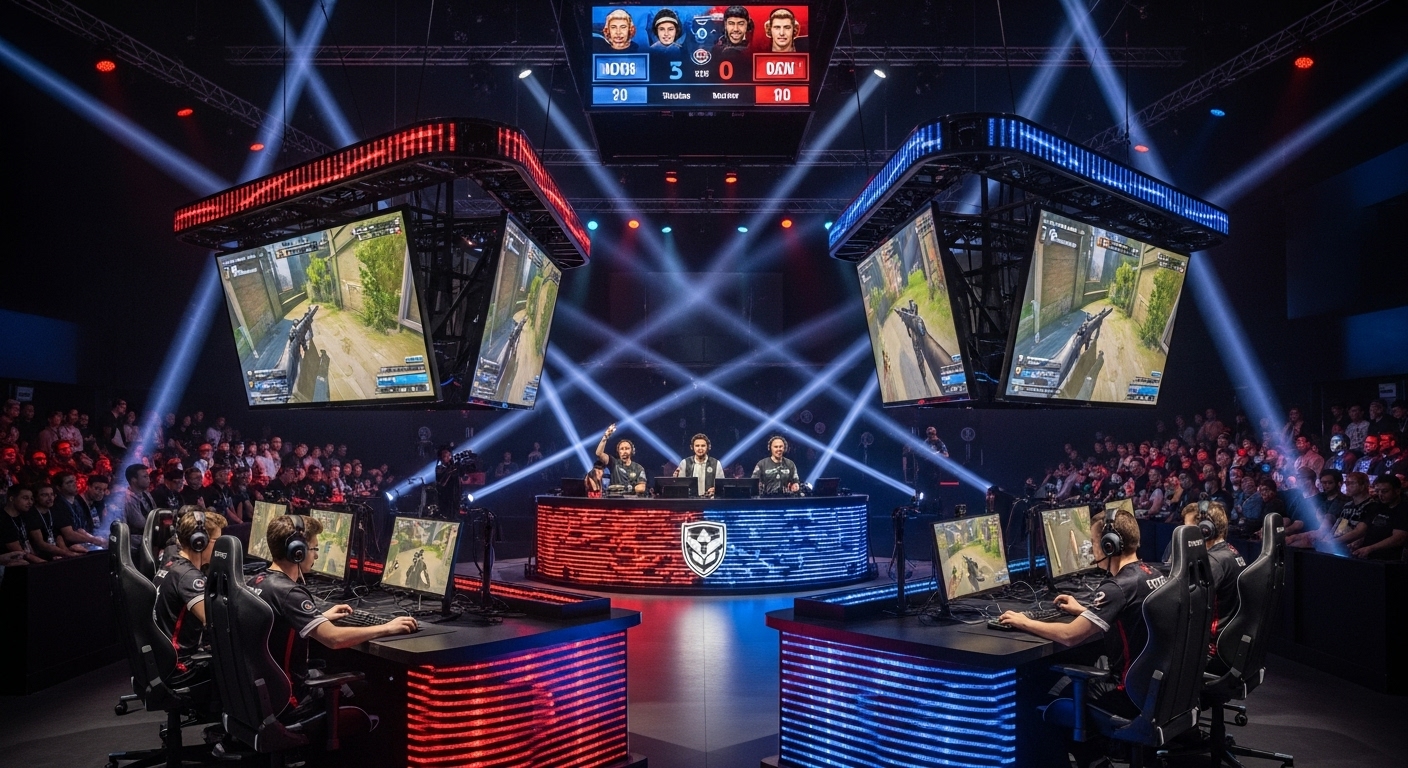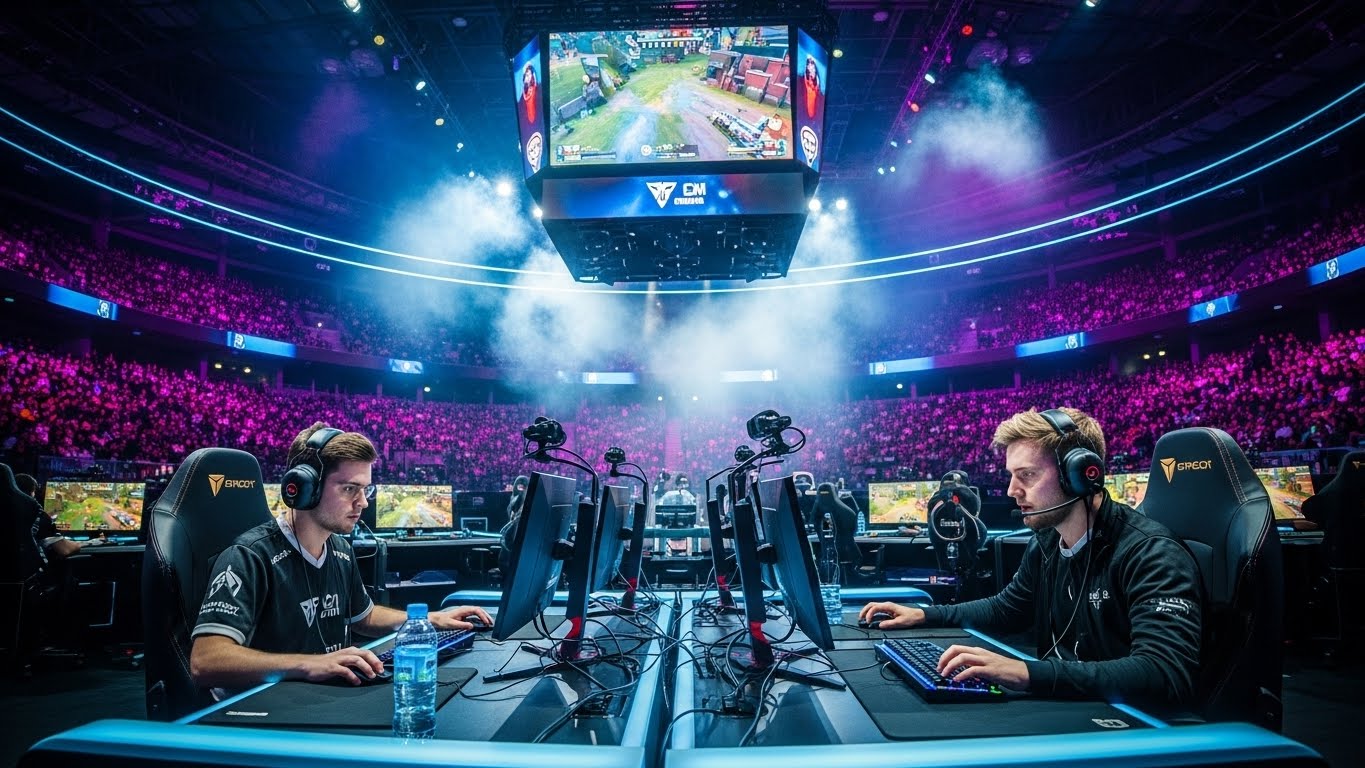





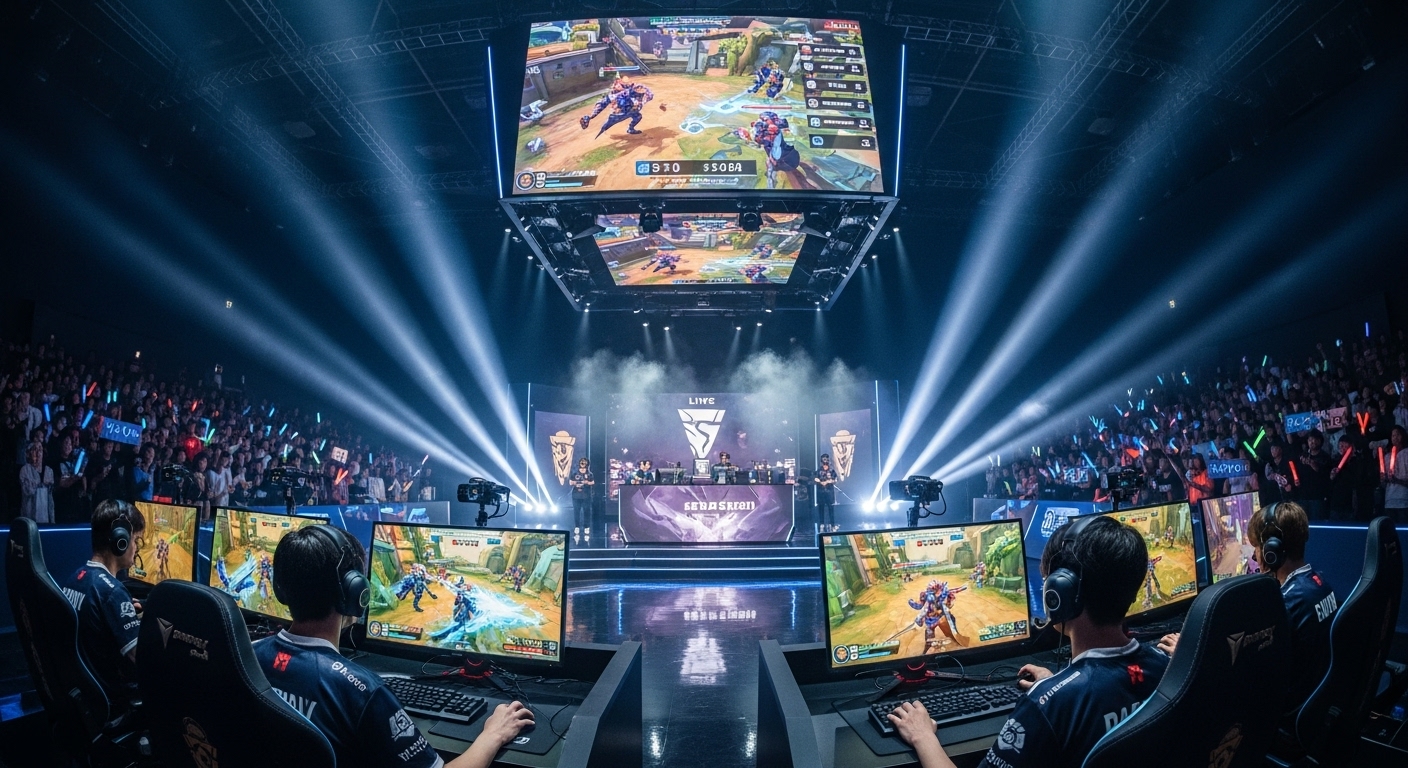
Esports, or electronic sports, has undergone a remarkable transformation over the past two decades. What began as a niche hobby for tech enthusiasts and competitive gamers has blossomed into a global phenomenon that commands millions of fans, significant sponsorships, and massive tournaments broadcasted worldwide. With professional leagues, large-scale events, and a growing community of players and viewers, esports has firmly secured its place in mainstream entertainment.
This blog post will take an in-depth look at the rise of esports, its various facets, key players, and what makes this multi-billion-dollar industry tick. We’ll explore the early days of competitive gaming, the development of major esports titles, the role of media and streaming platforms, and the future of esports in the coming decades.
1. The Birth of Esports: Humble Beginnings
Esports’ roots can be traced back to the late 1990s and early 2000s, when video games transitioned from a pastime to a competitive activity. The first tournaments were small-scale affairs, often held in arcades or on university campuses, where gamers would compete against each other in games like “Street Fighter” or “Quake.” These events were far from the glamorous, multi-million-dollar productions we see today but laid the groundwork for the growth of esports.
One of the earliest milestones in competitive gaming came in 1997 with the launch of the “Red Annihilation” tournament for the game “Quake.” This was one of the first major gaming events to be broadcast over the internet, providing a glimpse of the future of esports competitions. As the internet became more accessible, players began to connect with each other from different parts of the world, paving the way for larger, more organized competitions.
In the early days of esports, the focus was on PC-based games, with “StarCraft,” “Warcraft,” and “Counter-Strike” gaining popularity. These games were fast-paced, required quick reflexes, and provided ample opportunities for strategic gameplay—perfect for competitive play. Communities began to form around these games, and online gaming platforms like Battle.net and later Steam allowed players to compete against each other across the globe.
2. The Rise of Major Esports Titles
As esports began to gain traction, developers started to recognize its potential for competitive play and began designing games specifically for the esports scene. This marked a pivotal shift from gaming as a purely recreational activity to gaming as a legitimate form of competition.
One of the most influential esports titles in the early 2000s was “Warcraft III.” Released in 2002, the game introduced many of the concepts and mechanics that are now standard in competitive gaming, such as team-based strategies and complex, multi-layered gameplay. It was also the title that gave rise to “DotA” (Defense of the Ancients), which would later evolve into one of the most popular esports genres—MOBA (Multiplayer Online Battle Arena).
In the same period, “Counter-Strike” became a significant title in the competitive gaming scene. The game’s tactical, team-based gameplay and its emphasis on strategy and teamwork led to the creation of professional leagues and tournaments, most notably the “ESL” (Electronic Sports League) and “WCG” (World Cyber Games). These early competitions not only showcased the skill of the players but also highlighted the potential for esports to attract large audiences.
However, it was in the late 2000s and early 2010s that esports truly exploded into the global scene, particularly with the rise of “League of Legends” (LoL), “Dota 2,” and “Counter-Strike: Global Offensive” (CS:GO). Riot Games’ “League of Legends” revolutionized the esports industry with its regular seasonal events, culminating in the annual League of Legends World Championship, which today attracts millions of viewers and offers multi-million-dollar prize pools.
“Dota 2,” developed by Valve, took the competitive scene by storm when it introduced the first-ever esports tournament to offer a $1 million prize pool—the International (TI) tournament. The sheer size of the prize pool helped solidify the game’s place as one of the most watched esports titles.
3. The Growth of Esports: Media, Sponsorships, and Streaming
One of the driving forces behind the exponential growth of esports has been the role of media and streaming platforms. The rise of platforms like Twitch, YouTube, and Facebook Gaming has allowed esports to reach a global audience in ways that traditional sports have not been able to. Streaming platforms make it possible for fans to watch live competitions, interact with players, and even follow their favorite teams and players in real-time.
Twitch, in particular, has played a central role in the development of the esports ecosystem. Launched in 2011, it quickly became the go-to platform for watching esports broadcasts. It allowed gamers to stream their gameplay and engage with audiences, fostering a new form of interaction that went beyond simply watching sports on TV. This shift to live-streaming was pivotal, as it helped build a direct relationship between players, teams, and their fanbase.
In addition to streaming, media coverage and sponsorships have contributed significantly to the growth of esports. Major brands and companies, from Red Bull to Coca-Cola, have invested heavily in esports, recognizing the vast potential of the audience and the appeal of competitive gaming to younger demographics. Sponsorships have not only provided financial support for tournaments but also helped bring esports into the mainstream.
The success of esports also attracted media outlets like ESPN and traditional sports networks, which began to feature esports events alongside more conventional sports. Coverage of major events like The International and the League of Legends World Championship in mainstream media has helped legitimize esports as a serious form of entertainment.
4. Esports as a Career: Professional Players and Teams
Esports has not only become a form of entertainment but also a viable career path for many young gamers. Professional players, coaches, analysts, and managers are now able to make a living from esports, with top players earning substantial salaries through tournament winnings, sponsorships, and streaming revenues.
The idea of professional gamers as legitimate athletes has grown over time, with players now signing contracts with top-tier esports organizations like Team Liquid, Cloud9, Fnatic, and T1. These organizations provide players with the support they need to compete at the highest level, including coaching staff, analysts, and access to top-tier facilities.
For example, the salaries of top “League of Legends” players and “CS:GO” players have skyrocketed in recent years. At the peak of their careers, players can make millions of dollars through tournament winnings and endorsements, alongside any revenue from their streaming channels on platforms like Twitch or YouTube. This has led to the creation of a new type of celebrity, with players building their personal brands and attracting loyal fanbases.
Esports has also created a new industry around coaching and team management. As competitive games have become more complex, players are increasingly relying on dedicated coaches and analysts to help refine their strategies, identify weaknesses, and gain a competitive edge over their opponents.
5. The Role of Fans and Community in Esports
One of the unique aspects of esports is the passionate and dedicated community that surrounds it. Fans are often more than just spectators; they are integral to the esports experience. Fans engage with players and teams on social media, attend live events, and even interact with their favorite players during live streams. This level of engagement creates a sense of community that extends far beyond traditional sports.
Fans also play a key role in shaping the esports ecosystem. From organizing fan events to supporting their favorite teams, esports fans are deeply involved in the growth and success of the industry. Online communities, such as those on Reddit and Discord, provide a platform for fans to discuss games, share content, and stay up to date with the latest happenings in the esports world.
Moreover, esports events often take on a cultural significance. Tournaments are not just about the games—they are social events where fans gather, both online and in-person, to celebrate their shared passion for gaming. The energy at live events, such as the League of Legends World Championship, is electric, with fans cheering for their teams, dressing up in cosplay, and forming lifelong connections with others who share their enthusiasm.
6. The Future of Esports: Challenges and Opportunities
As esports continues to grow, it faces both significant challenges and exciting opportunities. One of the main challenges is the issue of sustainability. While esports has seen explosive growth, there are concerns about whether the industry can continue to thrive long-term, especially as competition for viewer attention increases with the rise of new media forms and entertainment.
Additionally, the rapid expansion of esports has brought with it some issues regarding player burnout and the pressure placed on young gamers to perform at the highest level. As esports becomes more professionalized, managing the mental and physical health of players will be a priority for organizations and event organizers alike.
However, the future of esports is undeniably bright. As technology continues to improve, the spectator experience will only get better, with virtual reality, augmented reality, and AI-driven broadcasts providing new ways to engage with esports. The potential for esports to become even more immersive and interactive will help attract new fans and keep the existing fanbase engaged.
Esports also has the opportunity to continue expanding its global reach, with more countries and regions embracing competitive gaming. The emergence of new games, platforms, and esports events in countries like China, South Korea, and Brazil has shown that the international appeal of esports is only going to grow.
Conclusion
Esports has come a long way since its humble beginnings in the 1990s. Today, it stands as a thriving, multi-billion-dollar industry that continues to captivate millions of fans worldwide. With the support of passionate communities, the rise of streaming platforms, and the backing of major sponsors, esports has cemented its place as a legitimate form of entertainment that rivals traditional sports.
As we look to the future, esports will undoubtedly continue to evolve and adapt, offering new opportunities for players, teams, fans, and organizations alike. With its impressive growth trajectory, esports is poised to remain a dominant force in the entertainment industry for years to come.