




Esports has undergone a remarkable transformation from niche interest to global phenomenon. In the span of just a few decades, competitive gaming has gone from being a pastime for a small group of enthusiasts to one of the most prominent forms of entertainment worldwide. Whether you are a gamer, a spectator, or someone interested in the business side of esports, it’s impossible to ignore the rapidly growing ecosystem. In this post, we will explore the evolution of esports, its cultural impact, economic growth, and its promising future.
The Birth of Esports: A Digital Revolution
The roots of esports can be traced back to the early 1990s, during the boom of personal computers and internet connectivity. Competitive gaming began with small, local tournaments where gamers could test their skills against each other. The most notable early examples of esports were events like the Red Annihilation Tournament in 1997, which featured the popular first-person shooter Quake. As the internet made multiplayer games more accessible, the competitive gaming scene began to grow.
The 1990s also saw the emergence of early esports organizations and online platforms that allowed gamers to compete against one another from their homes. The growth of games like StarCraft, Warcraft, and Counter-Strike in the early 2000s gave rise to the first true global esports competitions. These games not only had dedicated player bases but also attracted large audiences, proving that there was significant interest in watching others compete at a high level.
The Rise of Online Platforms and Streaming
One of the key factors in the rapid rise of esports has been the advent of live-streaming platforms. In the early 2010s, Twitch revolutionized the way gamers could connect with their audiences. What began as a platform primarily for gamers to share their gameplay evolved into a massive, global community where millions of people could watch live tournaments, interact with players, and discuss the latest trends in gaming.
The growth of streaming platforms like Twitch, YouTube Gaming, and Facebook Gaming helped esports grow exponentially. These platforms allowed fans to follow their favorite players, teams, and tournaments in real-time, while also giving new players the opportunity to learn from the best. The ease of access to content further fueled the growth of esports, especially among younger audiences who were already digitally savvy.
The Mainstream Acceptance of Esports
As esports grew, it gradually gained legitimacy in the eyes of mainstream media, advertisers, and sponsors. What once was seen as a hobby for “nerds” evolved into a professional industry with players, coaches, analysts, and managers—all akin to traditional sports teams. One of the key turning points in esports’ rise to mainstream popularity occurred in 2013 when the League of Legends World Championship attracted over 30 million viewers, a number that surpassed the viewership of some major traditional sports events.
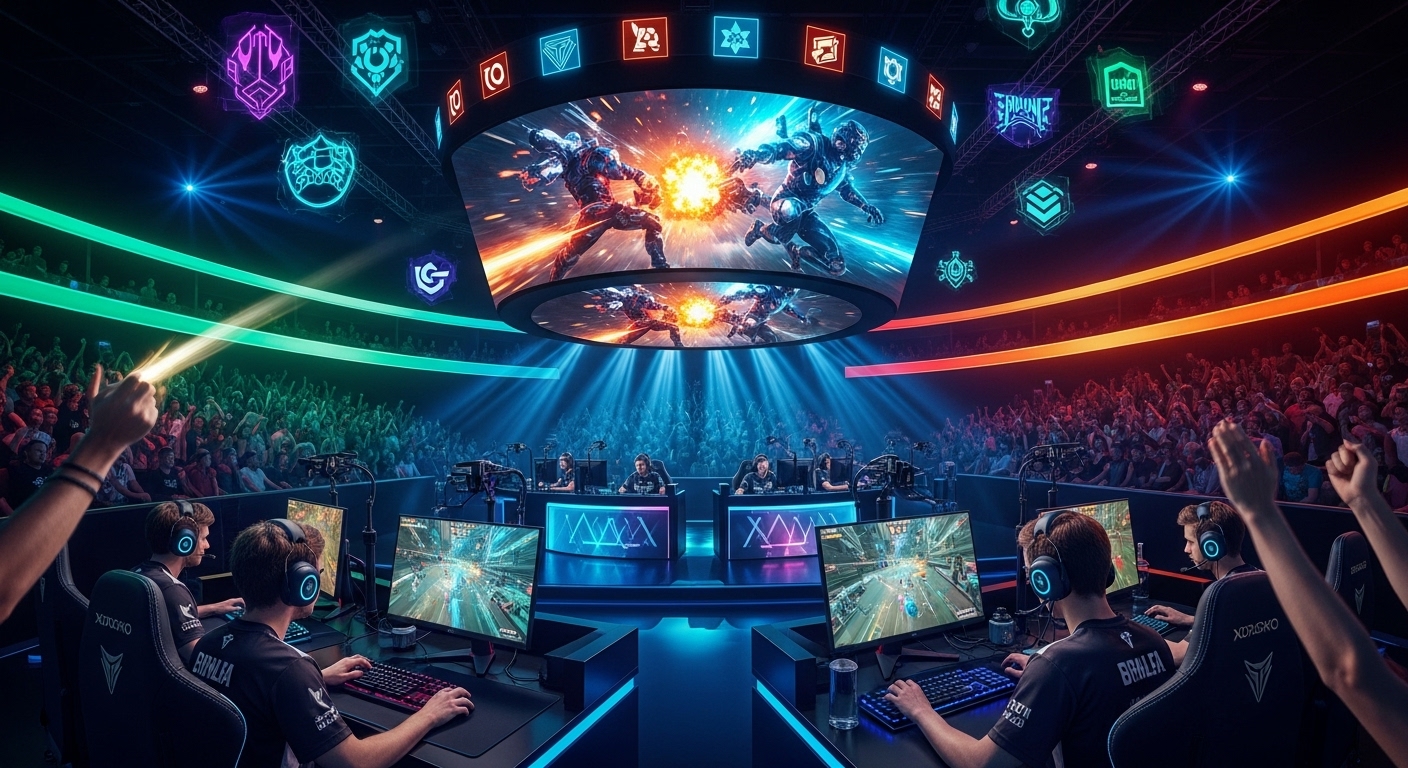
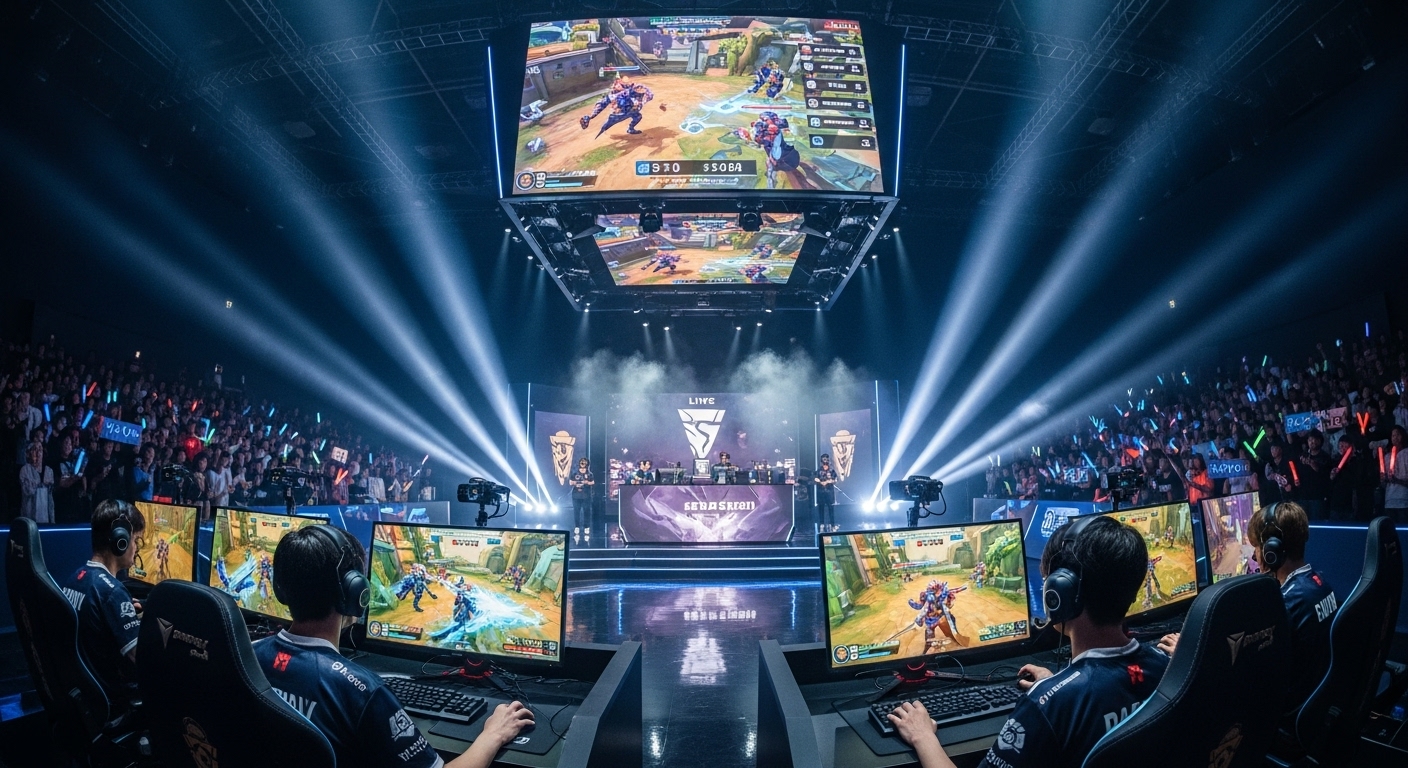
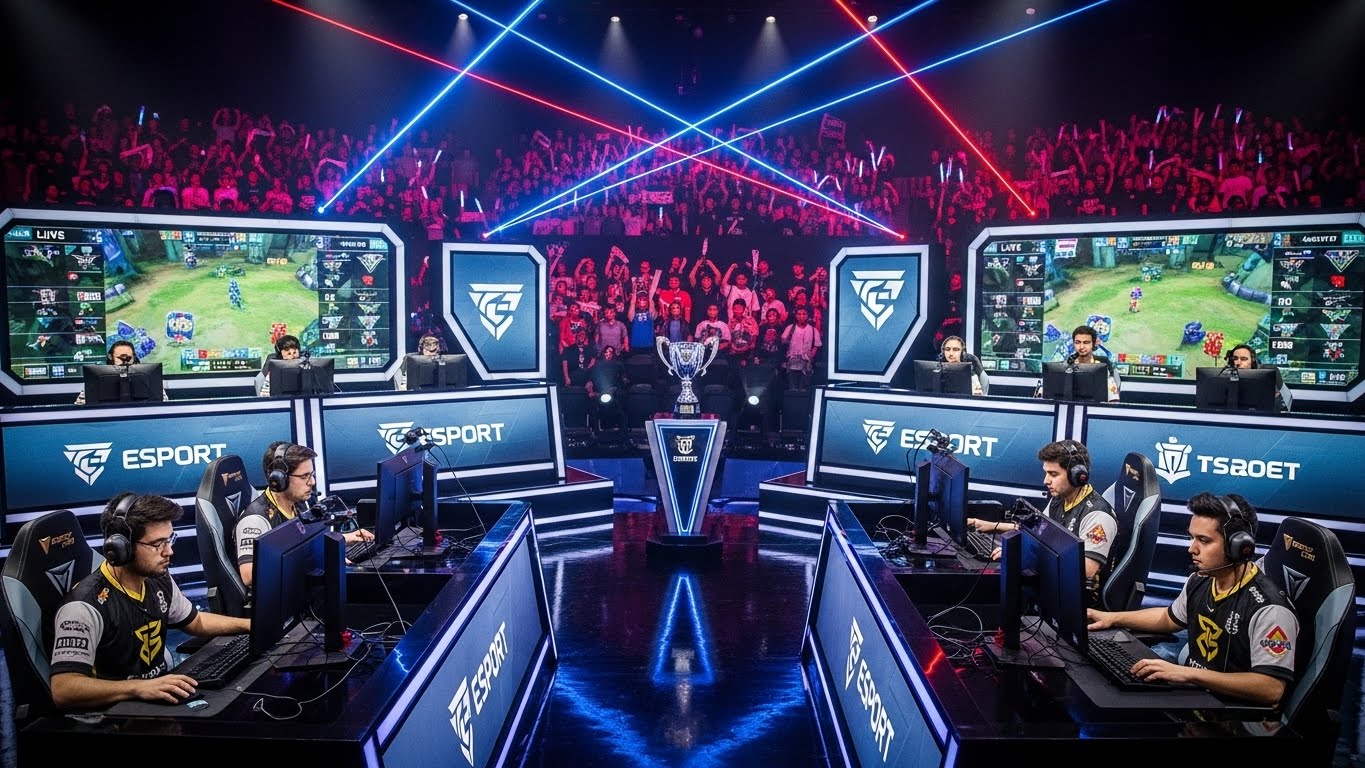
Esports tournaments began to fill large stadiums, much like traditional sports. Events like The International (Dota 2), League of Legends Worlds, and CS:GO Major Championships saw millions in attendance, with prize pools reaching astronomical figures. The International, for instance, has offered prize pools exceeding $40 million in recent years, making it one of the highest-paying tournaments in the world.
The Impact of Esports on Youth Culture
Esports has become a massive cultural movement, particularly among younger generations. According to various studies, the average age of an esports viewer is between 18 and 34 years, making it an incredibly important demographic for advertisers and marketers. Competitive gaming also plays a significant role in the development of digital communities and social groups.
Beyond the competitive aspect, esports has created a unique culture that blends gaming with entertainment, sports, and even traditional forms of media like streaming and broadcasting. The fusion of these elements has attracted a diverse audience that enjoys everything from intense gameplay to light-hearted commentary and behind-the-scenes content. Esports influencers and streamers such as Ninja, Shroud, and Pokimane have millions of followers on social media and are able to cross over into other areas of entertainment, including mainstream TV shows and product endorsements.
The rise of esports as a form of entertainment also led to its integration into schools and universities. Many educational institutions, particularly in North America, have now established esports programs, offering scholarships to talented players and even creating varsity teams. Esports has now become a legitimate career option for some students, with potential for lucrative sponsorship deals and professional contracts.
The Business of Esports: A Multi-Billion Dollar Industry
While the early years of esports were driven by passion and fan communities, the industry has since grown into a multi-billion dollar business. Revenue streams such as ticket sales, advertising, sponsorships, media rights, and merchandise sales now form the backbone of the esports ecosystem.
One of the most significant revenue generators for esports is sponsorships. Just like in traditional sports, brands are eager to connect with the young, tech-savvy audience that esports attracts. Companies like Coca-Cola, Intel, Nike, and Audi have all signed sponsorship deals with esports teams and events, cementing the legitimacy of esports as a profitable business. Sponsorship agreements can range from team kit deals to product placements and exclusive content collaborations.
The growth of media rights in esports is another important factor contributing to its financial success. Major esports organizations and tournament organizers have signed lucrative deals with television networks, streaming platforms, and digital media companies to broadcast events globally. For instance, the Overwatch League has made a deal with ESPN, while the League of Legends World Championship is regularly broadcast on platforms like Twitch, YouTube, and even traditional TV networks.
In addition to media rights, esports’ expanding merchandise market has proven to be a major revenue driver. Fans now have the option to purchase team jerseys, hats, collectibles, and other branded items. This has helped turn esports teams into fully-fledged brands, where team loyalty is on par with that seen in traditional sports.
The Future of Esports: A Global Powerhouse
As esports continues to grow, the future looks bright. The industry is expected to keep expanding in terms of viewership, revenue, and participation. According to Newzoo, the global esports market is expected to generate over $1.6 billion in revenue by 2024. This exponential growth is attributed to multiple factors, including technological advancements, an increasing global fanbase, and the continued involvement of major corporations.
One area where esports is particularly well-positioned for growth is in the virtual reality (VR) and augmented reality (AR) spaces. As technology continues to improve, VR and AR are expected to revolutionize how esports are played and watched. Immersive gaming experiences will allow fans to experience competitions in new, exciting ways, further blurring the lines between virtual and real-world entertainment.
The rise of mobile esports is another key trend shaping the future of the industry. Mobile gaming has exploded in popularity, especially in Asia, with games like PUBG Mobile and Clash Royale leading the charge. The accessibility of mobile devices and the continued development of high-quality mobile games mean that esports will become even more inclusive, with gamers from all over the world able to compete at a high level.
Lastly, the integration of esports into the Olympic Games has been a topic of debate and discussion for years. While we are still far from seeing esports as a formal Olympic sport, the International Olympic Committee (IOC) has shown interest in exploring how competitive gaming might be incorporated into future Olympic events. This could serve as the ultimate legitimization for esports as a global sport.
Conclusion: The Ongoing Evolution of Esports
Esports has evolved dramatically since its humble beginnings, and its future appears even more promising. From grassroots competitions to global stadiums, and from niche passion to mainstream recognition, esports has solidified its place in the global entertainment ecosystem. It has transcended the boundaries of gaming to become an integrated part of youth culture, a multi-billion-dollar industry, and a legitimate form of professional competition.
With technological advancements on the horizon and a growing global audience, esports is poised for even greater success. The next generation of gamers and fans will have opportunities to experience esports in ways that today’s enthusiasts could only dream of. As esports continues to evolve, there’s no doubt that it will continue to captivate audiences around the world, setting new records and achieving new milestones along the way.
In the end, esports is not just about competition; it’s about community, entertainment, and the unrelenting spirit of innovation. The future of esports is limitless.