




Introduction to the World of Esports
In the last two decades, esports has transformed from a niche hobby into one of the most powerful entertainment and sporting phenomena in the world. What began as small LAN parties among friends has now evolved into packed stadiums filled with roaring fans, million-dollar prize pools, and global tournaments streamed to millions. Esports, short for electronic sports, is more than just playing video games competitively. It represents a cultural shift, a new form of competition that merges technology, skill, strategy, and passion. The rise of esports has changed how people view gaming, turning it from a pastime into a professional career and a global industry worth billions.
The Early Days of Competitive Gaming
Before esports became a global spectacle, gaming competitions were small and simple. The roots of esports go back to the 1970s, when video games like Space Invaders and Pong started gaining popularity. The first recognized video game competition took place at Stanford University in 1972, where students competed in Spacewar! for a year’s subscription to Rolling Stone magazine. In the 1980s, arcade games became the stage for competitive play. Players chased high scores on classics like Pac-Man and Donkey Kong, often recognized in magazines and local contests.
But the real transformation began in the 1990s, when the internet started connecting players from different parts of the world. Titles such as Quake, StarCraft, and Counter-Strike laid the foundation for modern esports. These games introduced concepts like team play, online tournaments, and spectator modes. The introduction of broadband internet made it easier for players to compete from home, marking the beginning of organized online gaming communities.
The Rise of Major Esports Titles
As gaming technology advanced, so did the complexity and competitiveness of the games themselves. Titles like League of Legends, Dota 2, Counter-Strike: Global Offensive, Overwatch, and Fortnite became pillars of modern esports. Each offered unique gameplay mechanics, strategies, and team dynamics that drew in millions of players and fans.
League of Legends, released by Riot Games in 2009, is often credited with defining the modern structure of esports leagues and tournaments. With regional leagues, structured seasons, and massive international championships, it became the blueprint for other games to follow. Dota 2 brought enormous prize pools to the scene, with its annual “The International” tournament setting records year after year. Meanwhile, Fortnite introduced battle royale gameplay to the esports arena, attracting younger audiences and blending pop culture with gaming.
Esports as a Career Path
In the past, telling someone you wanted to be a professional gamer might have drawn laughs or skepticism. Today, it’s a legitimate and respected career path. Top esports players earn salaries comparable to traditional athletes, not just through tournament winnings but also through sponsorships, streaming, and endorsements. Organizations sign players to contracts, provide training facilities, and manage brand partnerships, similar to professional sports teams.
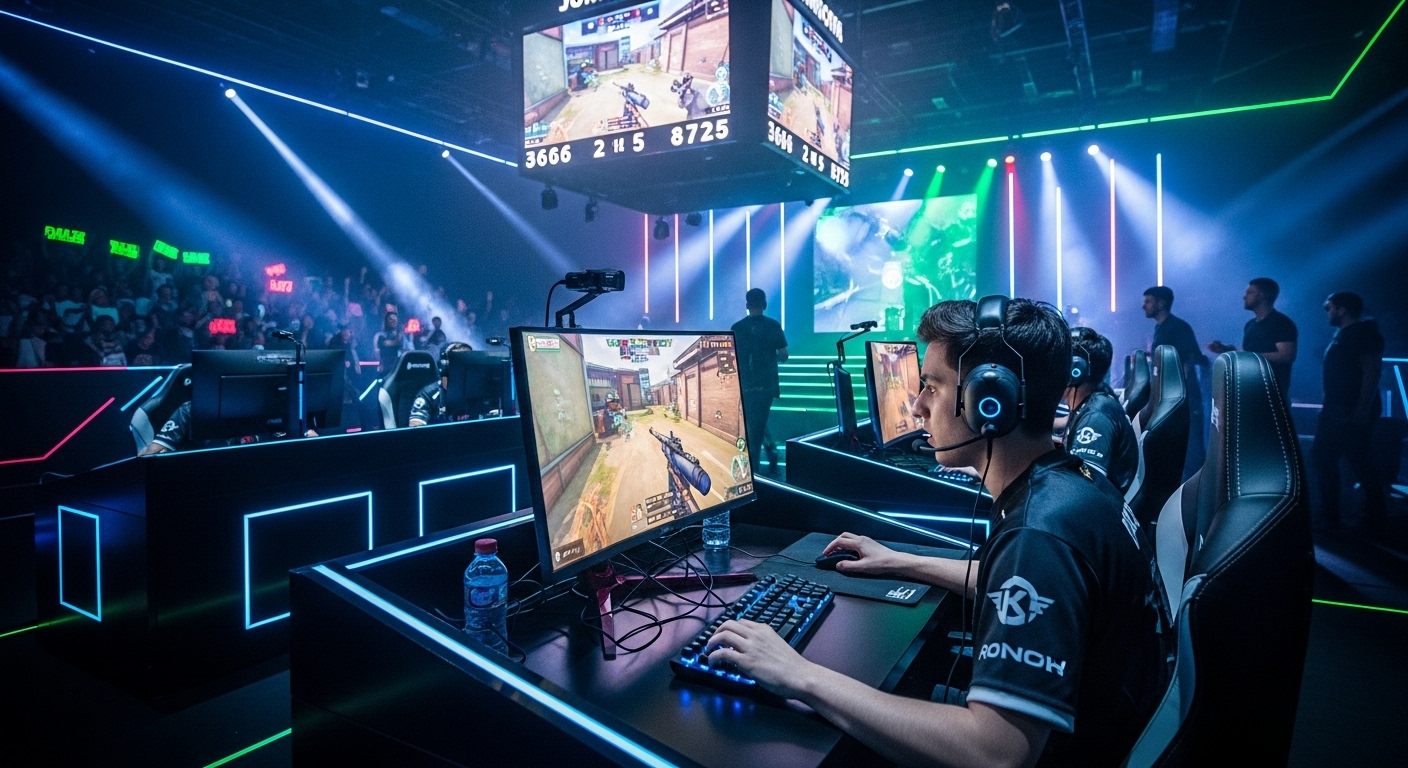
Esports players, often called pros, dedicate countless hours to mastering their craft. They train strategically, study opponents, and maintain strict routines to improve reflexes and coordination. Many even have coaches, analysts, and fitness trainers to help them perform at their best. The competitive lifespan of a player may be shorter than that of a traditional athlete, often peaking in their early twenties, but opportunities extend beyond playing. Retired players often move into coaching, content creation, commentary, or game analysis roles, ensuring their experience remains valuable to the community.
The Infrastructure Behind Esports
Esports isn’t just about players and teams—it’s a massive ecosystem involving game developers, event organizers, broadcasters, sponsors, and fans. Game publishers like Riot Games, Valve, and Blizzard have built dedicated esports divisions to support tournaments and league systems. Esports organizations manage player contracts, marketing, and branding, similar to football or basketball franchises.
Broadcasting platforms such as Twitch and YouTube Gaming have also played a key role in esports growth. These platforms allow fans to watch live tournaments, follow their favorite streamers, and engage with the community in real time. The ability to instantly stream matches globally has removed barriers, allowing anyone with an internet connection to participate as a spectator. This accessibility is one of the main reasons esports has exploded in popularity.
Esports Arenas and Events
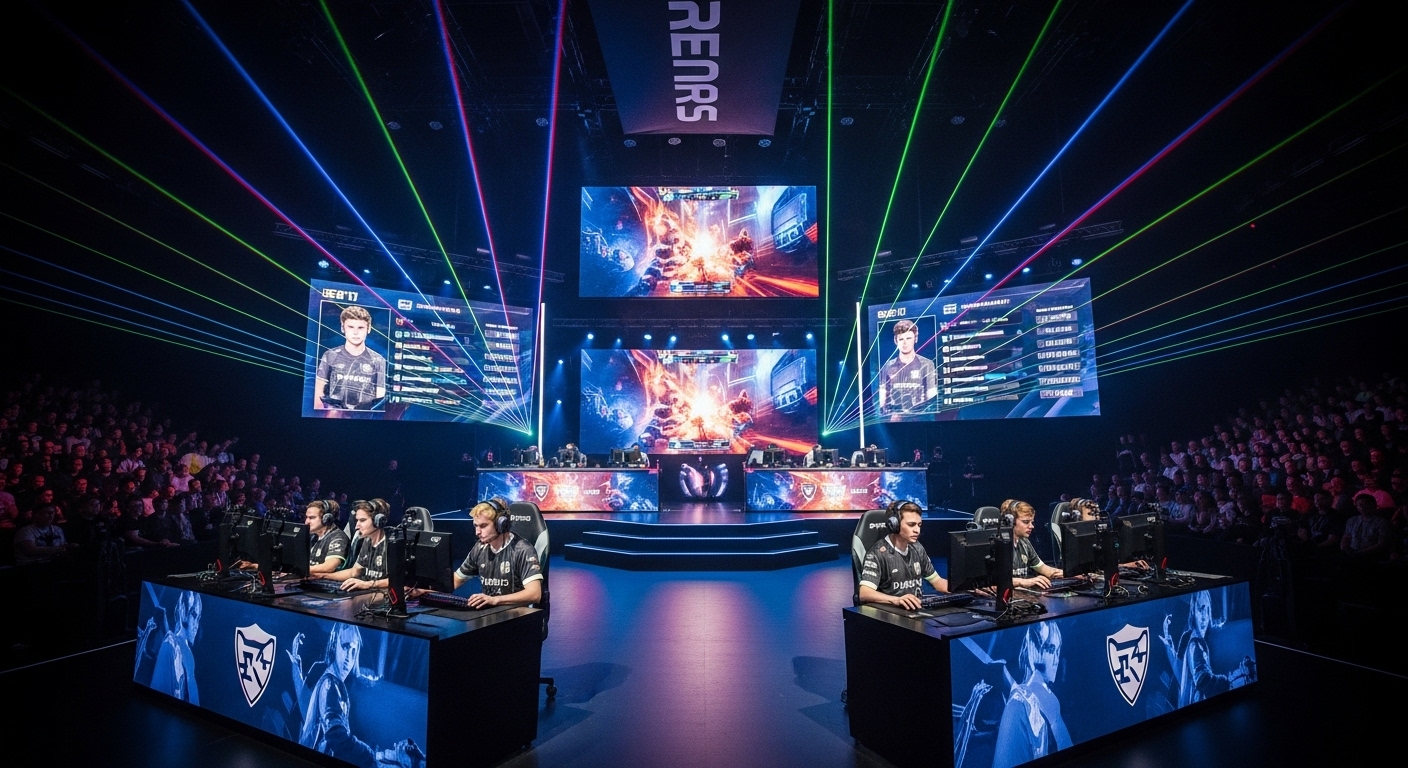
The experience of attending an esports tournament is unlike any other. Imagine thousands of fans gathered in a stadium, cheering for their favorite teams, waving banners, and reacting to every play with passion and intensity. Major tournaments such as the League of Legends World Championship, The International, and CS:GO Majors are produced with the same level of grandeur as traditional sports events. These competitions feature professional commentary, dynamic camera work, instant replays, and elaborate stage setups with lights, sound effects, and visual displays that rival major concerts.
The sense of community and excitement at these events is electric. Fans wear team jerseys, collect merchandise, and form connections with others who share their passion for gaming. It’s proof that esports is not just about playing—it’s about belonging to something larger, something that connects millions across cultures and languages.
The Role of Streaming and Social Media
Streaming changed everything. Before platforms like Twitch, watching others play video games was a niche activity limited to recorded videos or local events. Now, anyone can watch their favorite players live, interact through chat, and become part of a global conversation. Streaming has created stars out of gamers, transforming them into influencers with millions of followers.
Social media platforms like Twitter, Instagram, and TikTok have amplified esports exposure. Teams use them to engage with fans, announce tournaments, and promote highlights. Players use them to showcase their personalities beyond the game, building brands that transcend their performance. This combination of gaming, entertainment, and social interaction has made esports an integral part of modern digital culture.
The Business of Esports
The financial side of esports is massive and rapidly expanding. Global esports revenues have surpassed the billion-dollar mark, driven by sponsorships, advertising, ticket sales, and media rights. Major brands that once had no connection to gaming—such as car manufacturers, beverage companies, and tech giants—now invest heavily in esports. They see the immense potential of reaching younger, digitally connected audiences.
Esports teams have become valuable franchises, similar to football or basketball teams. Organizations like FaZe Clan, Team Liquid, and G2 Esports have diversified their businesses into lifestyle brands, clothing lines, and entertainment ventures. Meanwhile, universities and colleges worldwide are establishing esports programs, offering scholarships and degrees related to gaming, business, and technology. This shows that esports is not just entertainment; it’s an economic powerhouse with career paths in multiple directions.
Challenges in the Esports Industry
Despite its success, esports faces several challenges that must be addressed for long-term stability. One of the biggest issues is player burnout. The pressure to perform at a high level, combined with intense practice schedules, can take a toll on mental and physical health. Some players retire early due to exhaustion or stress.
Another challenge is maintaining fair play and integrity. Issues like cheating, match-fixing, and doping have surfaced in the past, prompting organizations to enforce strict rules and anti-cheat systems. Esports also struggles with player representation and regulation. Unlike traditional sports, there is no single governing body overseeing all esports. This lack of unified structure leads to inconsistencies in contracts, pay standards, and tournament regulations.
Additionally, diversity and inclusion remain ongoing conversations. While esports is open to anyone with a computer or console, representation of women and minorities in competitive play and leadership roles is still limited. The industry continues to evolve, and many organizations are working toward more inclusive and supportive environments for all players.
The Global Influence of Esports
Esports is a universal language. It brings people together regardless of nationality, gender, or background. Events like the Asian Games have already begun recognizing esports as a medal event, marking an important step toward its inclusion in mainstream sports competitions. Countries like South Korea, China, and the United States have become powerhouses in the esports world, producing some of the most skilled and famous players.
Esports also influences pop culture. From music collaborations to documentaries and TV shows, gaming has become a core part of entertainment. Characters and moments from esports are celebrated online, creating memes, art, and fan projects. Even fashion and design industries are collaborating with esports teams to create limited-edition apparel and accessories.
Esports and Education
One of the most promising developments in the esports world is its integration into education. Schools and universities are recognizing the benefits of gaming beyond entertainment. Esports programs teach teamwork, strategic thinking, communication, and leadership—all valuable skills in the modern world. Students compete in scholastic leagues, learn about game design, broadcasting, marketing, and event management, preparing them for future careers in the gaming ecosystem.
Some schools have even built esports arenas on campus, giving students access to professional-level equipment and mentorship. This new blend of academics and gaming is helping remove the stigma once attached to video games, proving that gaming can be both educational and productive.
The Future of Esports
Looking ahead, the future of esports seems limitless. Advancements in technology such as virtual reality, augmented reality, and artificial intelligence are expected to revolutionize how games are played and watched. Cloud gaming could make esports even more accessible, allowing players from any device to compete without needing expensive hardware.
Franchise-based leagues will continue to grow, attracting more investment and mainstream attention. Traditional sports organizations are already entering the esports space, creating crossover events and partnerships that blur the line between physical and digital sports.
The next decade may even see esports becoming part of the Olympic Games, a concept that is already being discussed. Whether or not that happens soon, one thing is certain: esports will continue shaping global entertainment, connecting people through competition and creativity.
Conclusion: A New Era of Competition
Esports is not just a trend—it’s a movement. It has redefined what competition means in the digital age, giving rise to a new generation of athletes, creators, and fans. From humble beginnings in arcades to billion-dollar arenas and international championships, esports has proven that gaming is far more than play. It’s passion, discipline, and art.
As technology continues to evolve, so will esports. The blend of innovation, storytelling, and global connection ensures that its impact will only grow stronger. Esports represents the heart of modern culture—dynamic, digital, and driven by community. The players of today are the pioneers of tomorrow’s entertainment frontier, and their journey is just beginning.