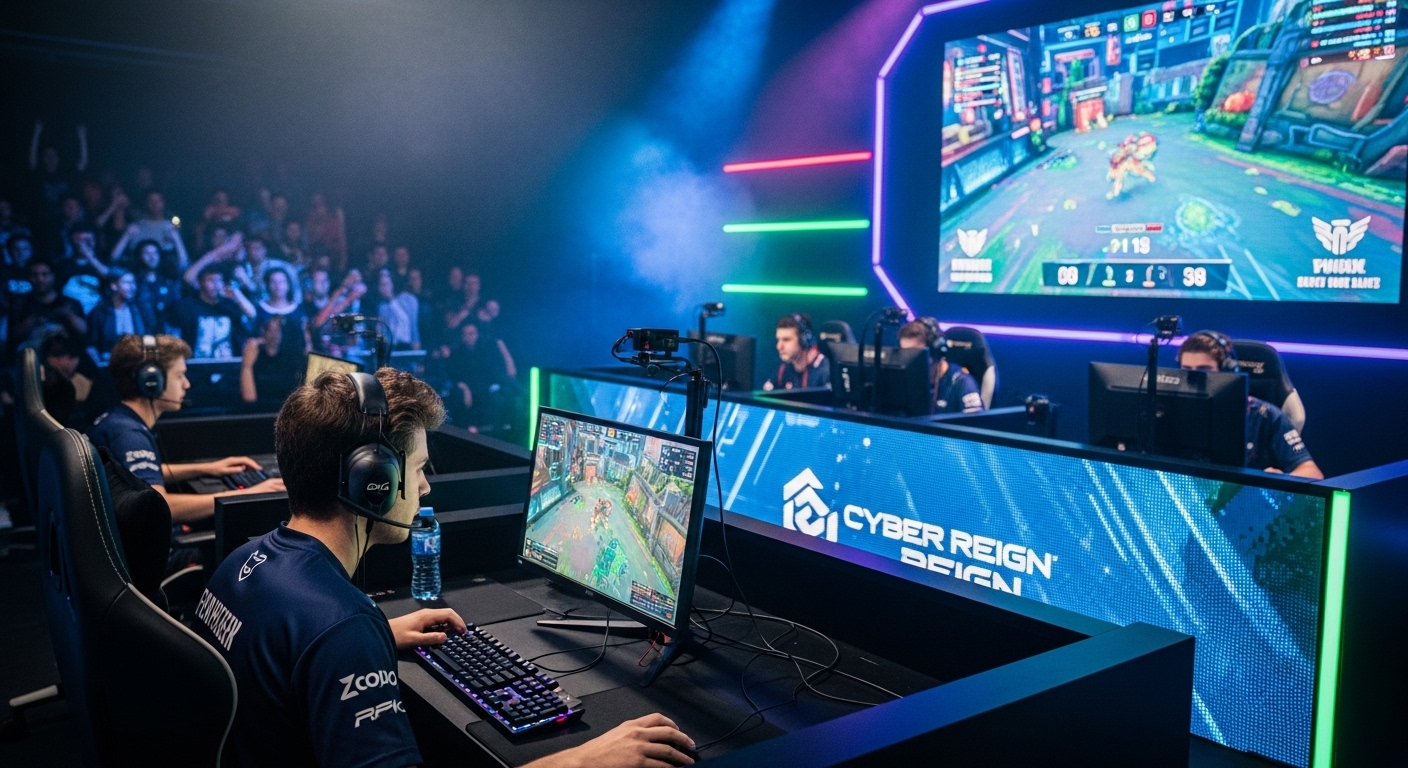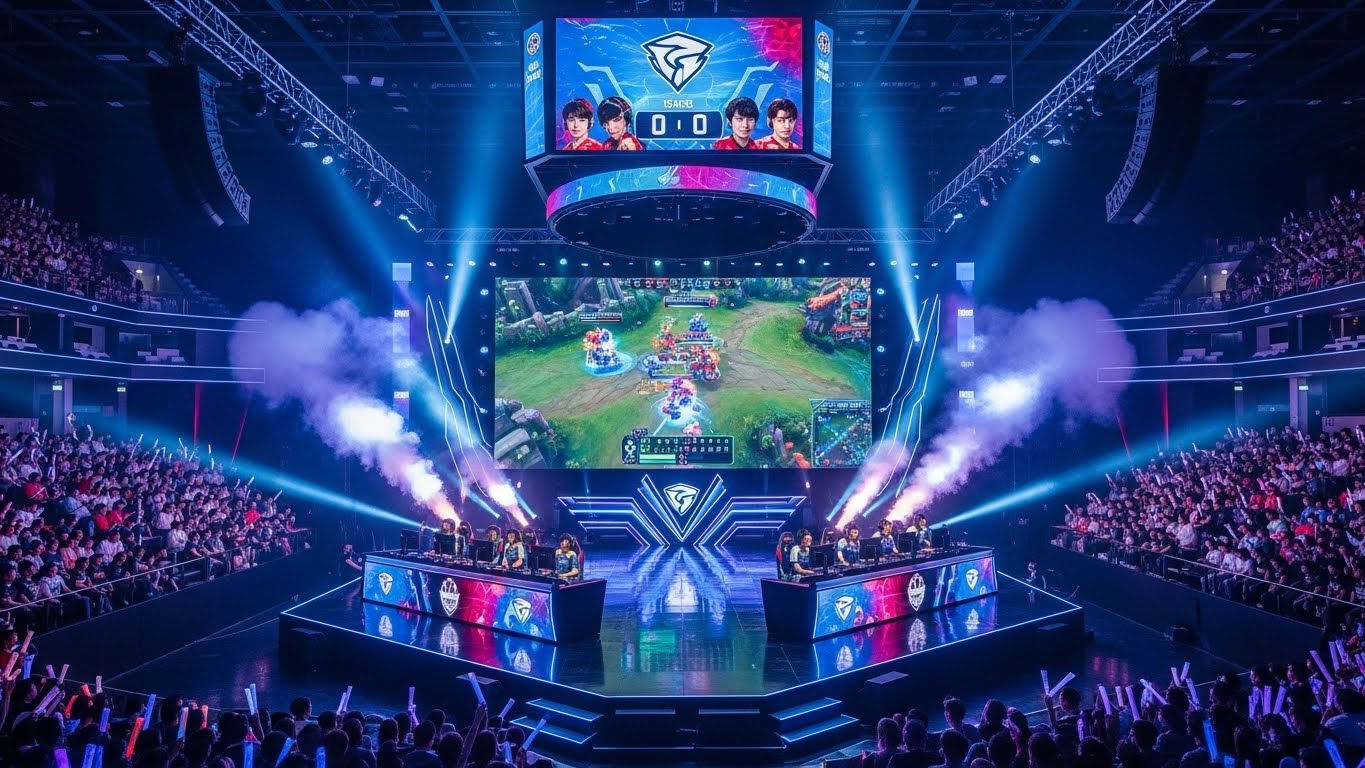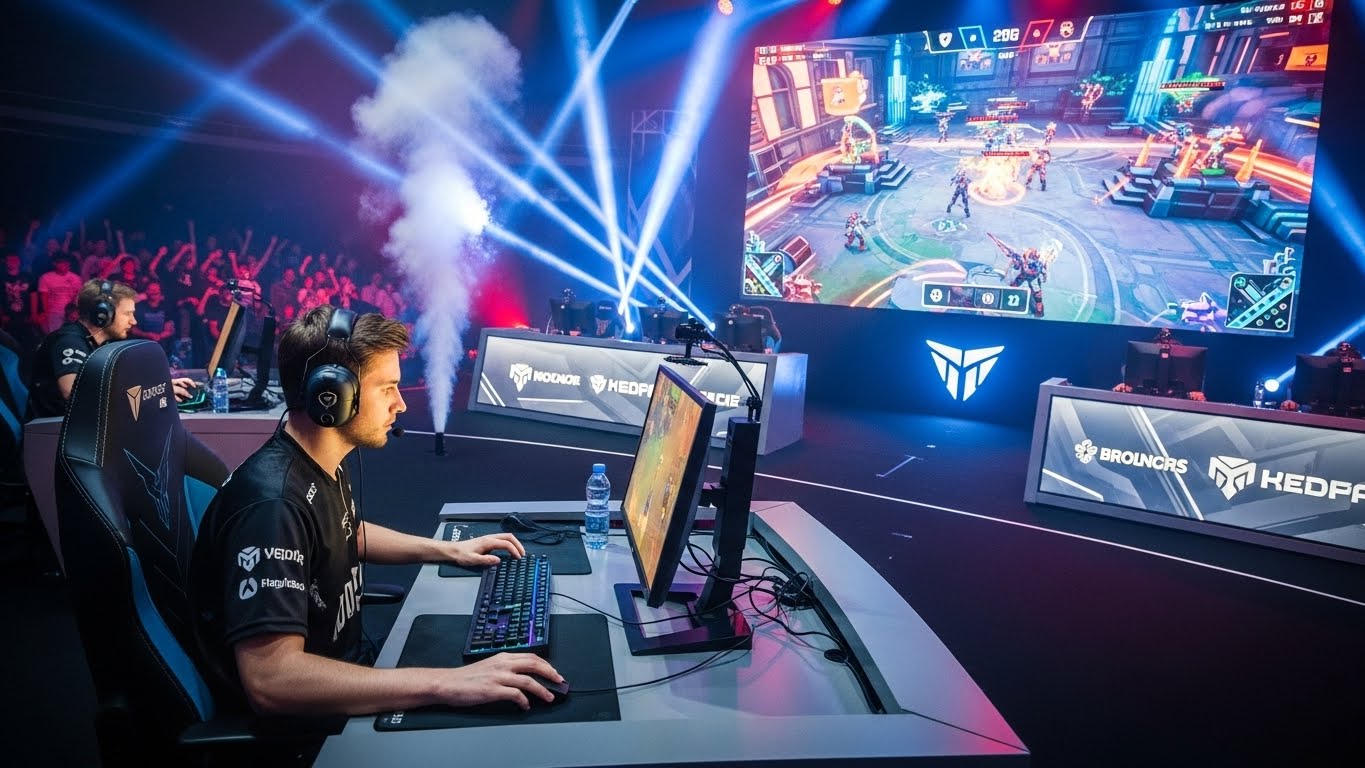






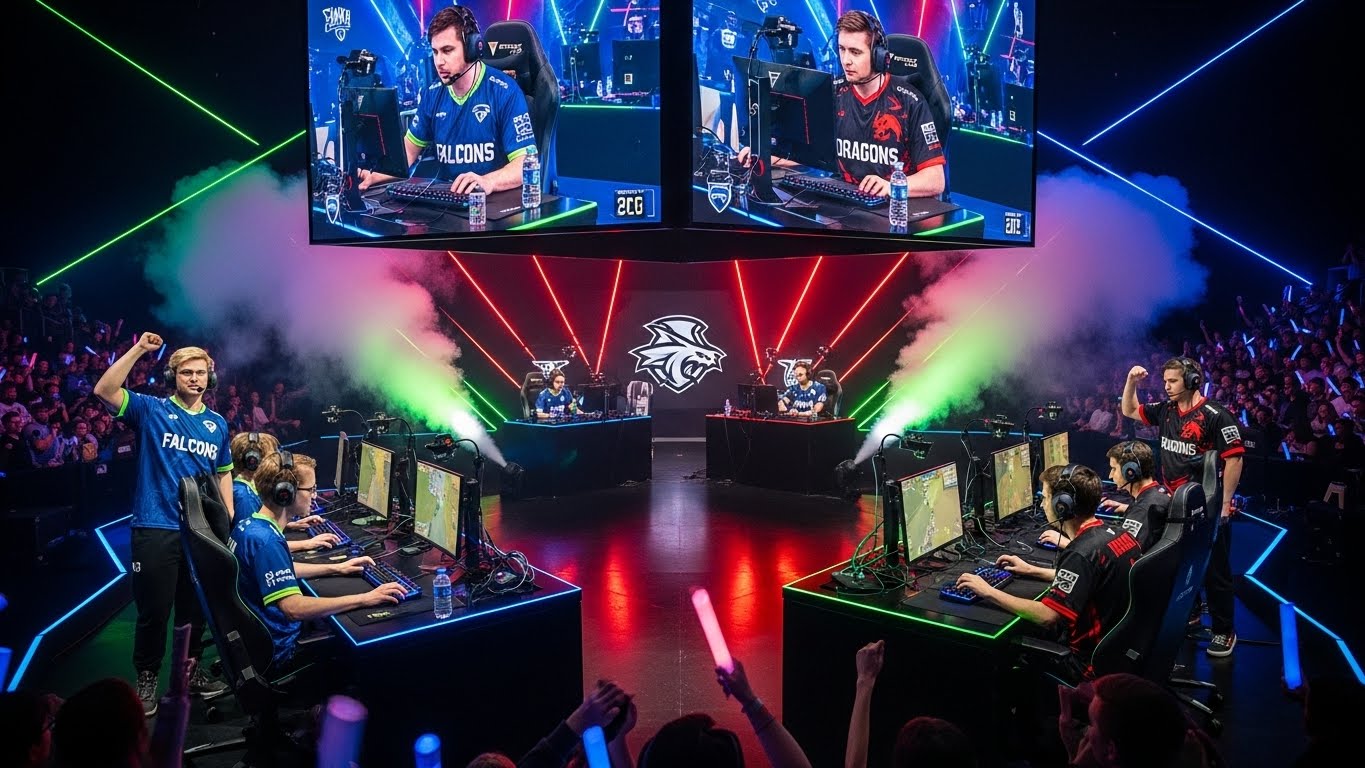
In recent years, esports has transformed from a niche hobby into a global phenomenon. What was once seen as casual video gaming has evolved into a highly competitive, professional industry with millions of players, spectators, and investors worldwide. Esports combines skill, strategy, teamwork, and technology to create a unique form of entertainment that rivals traditional sports in viewership and influence. This article explores the rise of esports, its cultural and economic impact, and how it is shaping the future of entertainment and professional competition.
Understanding Esports: More Than Just Gaming
At its core, esports refers to organized competitive video gaming. Players or teams compete in structured tournaments for rewards, recognition, and sometimes multimillion-dollar prizes. Unlike casual gaming, esports requires rigorous training, strategic thinking, and mental discipline, similar to traditional sports.
Esports encompasses a wide variety of genres, including multiplayer online battle arenas, first-person shooters, real-time strategy games, and sports simulations. Popular titles such as League of Legends, Counter-Strike, Dota 2, and Fortnite have become household names, attracting both amateur players and professional athletes. This diversity in games allows esports to appeal to a broad audience, catering to different interests, strategies, and skill sets.
The Growth of Esports: From Basement to Stadium
Esports has grown at an unprecedented rate over the last decade. Early competitive gaming started in small communities, with enthusiasts organizing local tournaments in basements and internet cafes. Today, esports events are hosted in massive arenas with thousands of live spectators, broadcasted to millions worldwide through streaming platforms and television networks.
This growth has been fueled by advances in technology and internet infrastructure. High-speed connections, sophisticated gaming hardware, and powerful graphics engines have elevated gaming experiences, enabling players to compete at professional levels and audiences to enjoy immersive broadcasts. The proliferation of streaming platforms has also allowed fans to connect directly with their favorite players, building strong communities around esports content.
The Economics of Esports
Esports is now a multibillion-dollar industry. Revenue comes from multiple streams, including sponsorships, advertising, ticket sales, merchandise, and media rights. Major tournaments offer prize pools that rival traditional sports championships, sometimes reaching tens of millions of dollars.
Professional teams operate much like traditional sports franchises, hiring coaches, analysts, nutritionists, and psychologists to optimize performance. Sponsorship deals with technology brands, energy drinks, and gaming peripherals contribute significantly to the industry’s financial growth. As esports continues to gain mainstream recognition, it attracts investors looking to capitalize on its global reach and growing audience.
Esports and Skill Development
Contrary to common misconceptions, esports requires exceptional skill, precision, and strategy. Players often dedicate several hours a day to practice, honing reflexes, coordination, and decision-making abilities. Team-based games demand communication, collaboration, and adaptive thinking, mirroring the dynamics of traditional sports.
Beyond gaming mechanics, esports cultivates cognitive and emotional skills. Players develop problem-solving abilities, resilience under pressure, and the capacity to analyze opponents’ strategies. These skills are transferable to real-world challenges, making esports a valuable arena for personal development.
Mental Health and Balance in Esports
While esports offers numerous benefits, it also poses unique challenges, particularly regarding mental health and lifestyle balance. Professional players often face intense pressure to perform, leading to stress, burnout, and anxiety. Long hours of practice without adequate rest can contribute to physical strain and fatigue.
Recognizing these risks, many esports organizations now incorporate mental health programs and physical training regimens to support players. Mindfulness practices, counseling, and scheduled breaks are increasingly common, emphasizing the importance of maintaining a sustainable competitive career. These initiatives highlight the growing understanding that success in esports depends not only on skill but also on holistic well-being.
Esports as a Career Path
Esports has created a wide range of professional opportunities. While top-tier players often receive the most attention, careers extend beyond gaming itself. Coaches, analysts, content creators, broadcasters, event organizers, and marketing specialists all play critical roles in the esports ecosystem.
Universities and institutions are also offering scholarships and programs specifically for esports, recognizing the legitimacy of the field. These developments indicate that esports is no longer just a hobby; it is a viable professional pathway for individuals with talent, dedication, and creativity.
The Cultural Impact of Esports
Esports has had a profound cultural influence, shaping media consumption, entertainment trends, and social interactions. Streaming platforms have transformed the way audiences engage with content, allowing fans to watch live matches, interact with players, and participate in gaming communities.
Moreover, esports has contributed to the normalization of gaming as a legitimate form of competition and entertainment. Professional players have become celebrities, influencing fashion, lifestyle, and even social values. This cultural shift challenges outdated perceptions of gaming and highlights the evolving relationship between technology, leisure, and society.
Inclusivity and Global Reach
One of the unique aspects of esports is its inclusivity. Unlike many traditional sports that require physical attributes or facilities, esports is accessible to a wide demographic. Players of all ages, genders, and physical abilities can participate, making esports a platform for diversity and representation.
The global nature of esports allows international competitions to thrive. Players from different countries and backgrounds compete on a level playing field, fostering cross-cultural exchange and mutual respect. This international reach also strengthens community bonds, connecting fans and players from around the world through shared experiences and passions.
Technological Innovation in Esports
Technology drives the esports industry, shaping gameplay, audience engagement, and professional training. Advanced graphics, virtual reality, artificial intelligence, and data analytics enhance performance and provide immersive experiences for players and spectators alike.
Data analytics, in particular, allows teams to study opponents, optimize strategies, and improve individual performance. Virtual reality and augmented reality technologies are gradually expanding esports into new dimensions, offering audiences interactive viewing experiences that were previously unimaginable. Technology not only improves gameplay but also elevates the entertainment value, making esports a dynamic and evolving industry.
Challenges Facing Esports
Despite its growth, esports faces challenges that must be addressed for sustainable development. Issues such as player exploitation, lack of standard regulations, and online harassment are significant concerns. The intense competitive environment can lead to early burnout, and not all players receive sufficient support to manage career pressures.
Additionally, ensuring fair play and combating cheating or hacking remains a constant challenge. Esports organizations and governing bodies are working to establish ethical standards, regulations, and anti-cheating protocols, but the industry is still evolving in these areas. Overcoming these challenges is critical to maintaining credibility and ensuring long-term growth.
Esports and Education
Esports is also making its mark on education. Schools and universities are integrating esports programs to develop skills such as teamwork, leadership, and critical thinking. Competitive gaming in academic settings encourages strategic thinking and problem-solving, providing students with practical experience in decision-making and collaboration.
Scholarships for esports athletes and educational initiatives highlight the growing recognition of esports as a legitimate field of study. By combining education and competitive gaming, institutions are fostering a new generation of skilled, disciplined, and innovative individuals prepared for careers in technology, media, and entertainment.
The Future of Esports
The future of esports is incredibly promising. As technology continues to evolve, the industry is likely to expand into new forms of interactive entertainment, including virtual reality competitions, mixed-reality broadcasts, and AI-driven game analysis. Global tournaments will continue to grow in scale, attracting larger audiences and investment.
Esports will also play a crucial role in shaping digital culture, influencing media, entertainment, and social interaction. Its accessibility and inclusivity position it as a platform for creativity, innovation, and cross-cultural exchange. As society increasingly embraces digital experiences, esports is set to become a defining aspect of the modern entertainment landscape.
Conclusion: Beyond the Screen
Esports is more than just competitive gaming. It represents a fusion of skill, strategy, technology, and culture, offering personal, professional, and societal benefits. From developing cognitive and emotional skills to creating economic opportunities and cultural influence, esports has grown into a significant global phenomenon.
As the industry continues to mature, it is redefining the meaning of competition and entertainment. Esports challenges traditional notions of sports, celebrates inclusivity and innovation, and inspires individuals to push the boundaries of skill and creativity. Ultimately, esports demonstrates that the power of play extends far beyond the screen, shaping the modern world in ways that are dynamic, impactful, and extraordinary.