




Introduction: The Digital Revolution in Sports
In the 21st century, the concept of sports has expanded far beyond traditional arenas. While football fields, basketball courts, and tennis courts have long been the stages for athletic prowess, a new arena has emerged—one powered by technology, strategy, and digital skill. Esports, short for electronic sports, has transformed competitive gaming into a legitimate profession, entertainment medium, and cultural phenomenon. Once seen as a hobby or pastime, esports now attracts millions of viewers worldwide, offers multimillion-dollar prize pools, and has professional athletes who dedicate years to perfecting their craft. The rise of esports reflects a broader shift in how society defines competition, achievement, and entertainment.
From Hobby to Professional Career
In the early days of video gaming, competitions were small and informal. Friends would gather in basements, internet cafes, or arcades to challenge one another in games like Street Fighter, Counter-Strike, and StarCraft. These early competitions were casual, often motivated by pride rather than profit. With the proliferation of high-speed internet and online multiplayer gaming, the landscape changed drastically. Players from across the globe could compete in real time, making esports an international phenomenon. As the community expanded, so did opportunities for professional play. Organizations emerged to manage teams, tournaments grew in scale, and players began training like traditional athletes. Esports transformed from a hobby into a structured, competitive, and lucrative career path.
The Professionalization of Esports
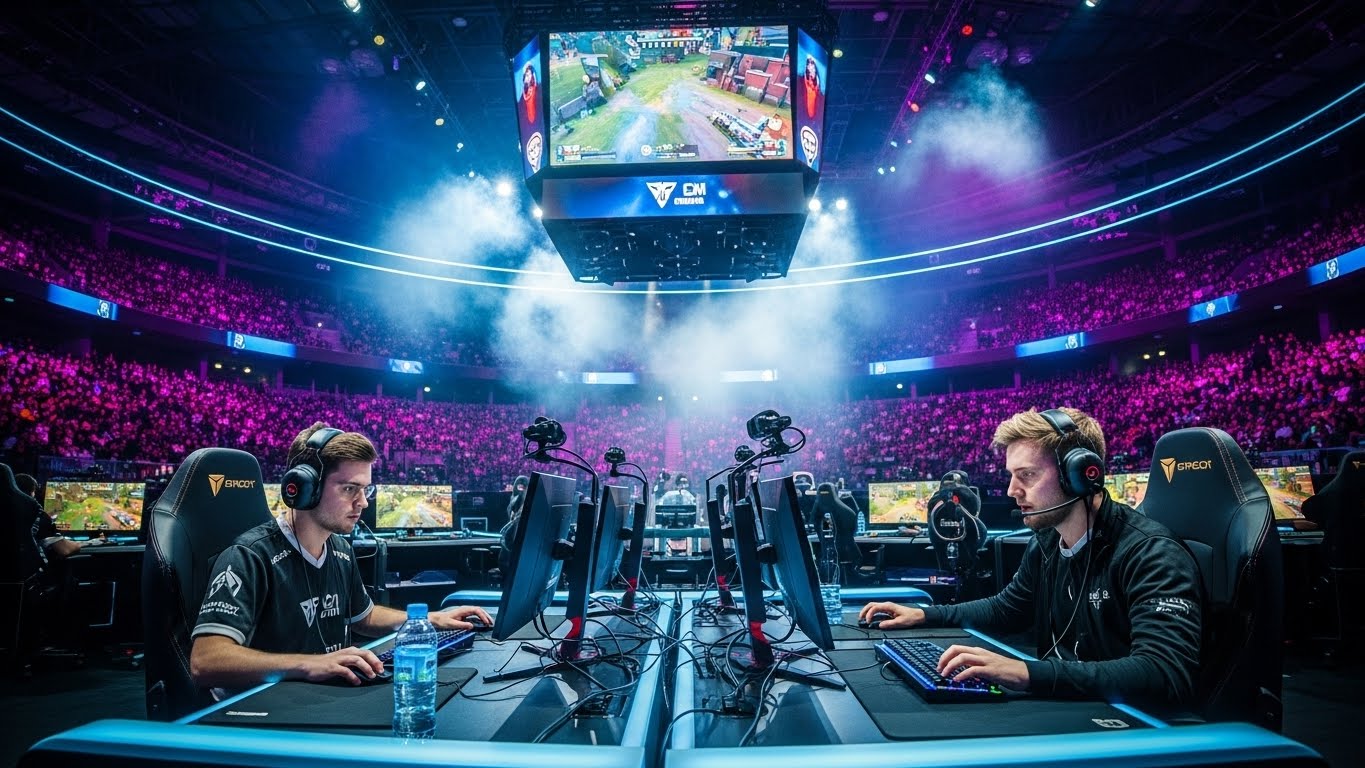
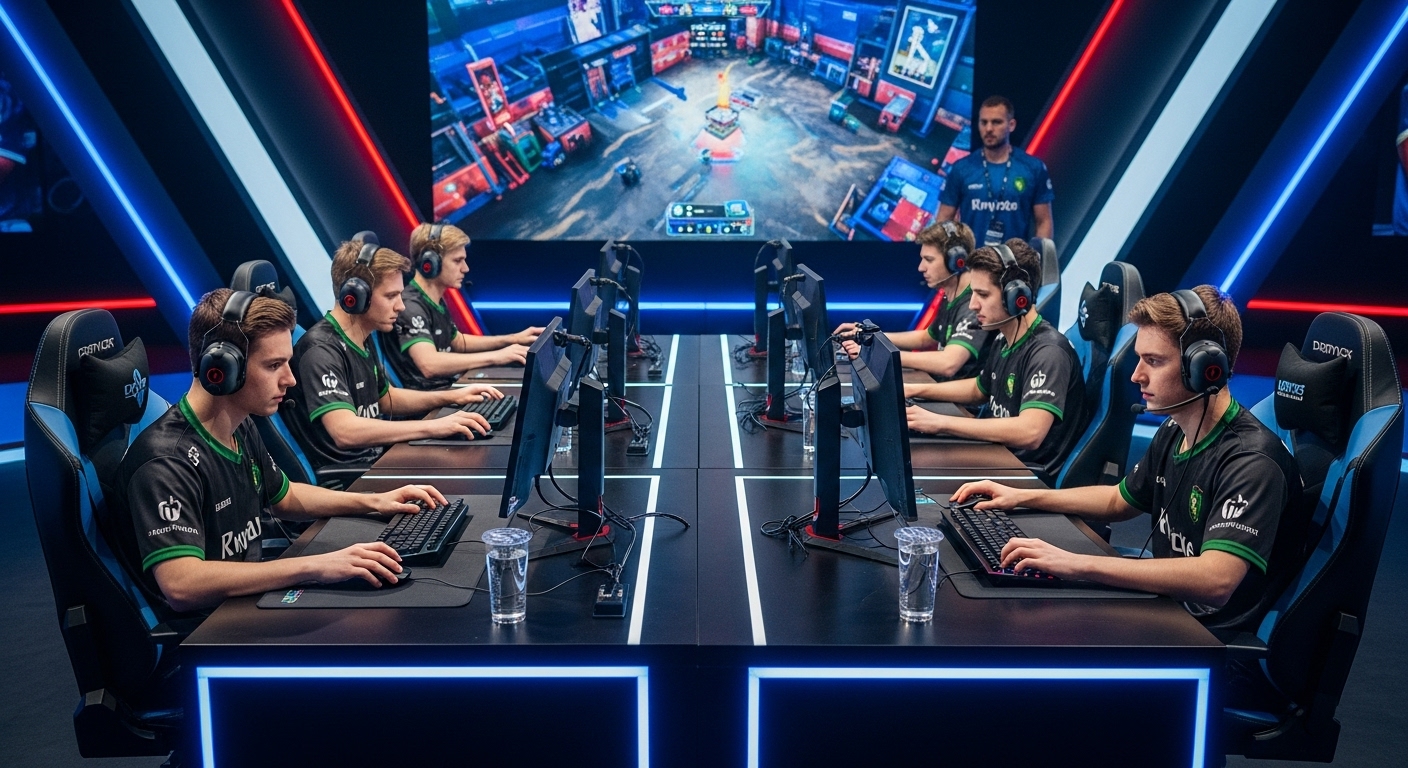
Professional esports teams resemble traditional sports organizations more than casual gaming groups. Players follow strict practice schedules, work with coaches, and participate in strategy meetings to improve teamwork and performance. Training facilities, sometimes called “gaming houses,” provide an environment designed to maximize focus, coordination, and skill development. Players must maintain mental sharpness, manage stress, and stay physically healthy to perform at the highest levels. Esports leagues, such as those for League of Legends, Dota 2, and Call of Duty, provide global platforms for competition and recognition. With prize money sometimes exceeding millions of dollars, professional gaming has become a viable and highly competitive industry.
The Spectator Experience
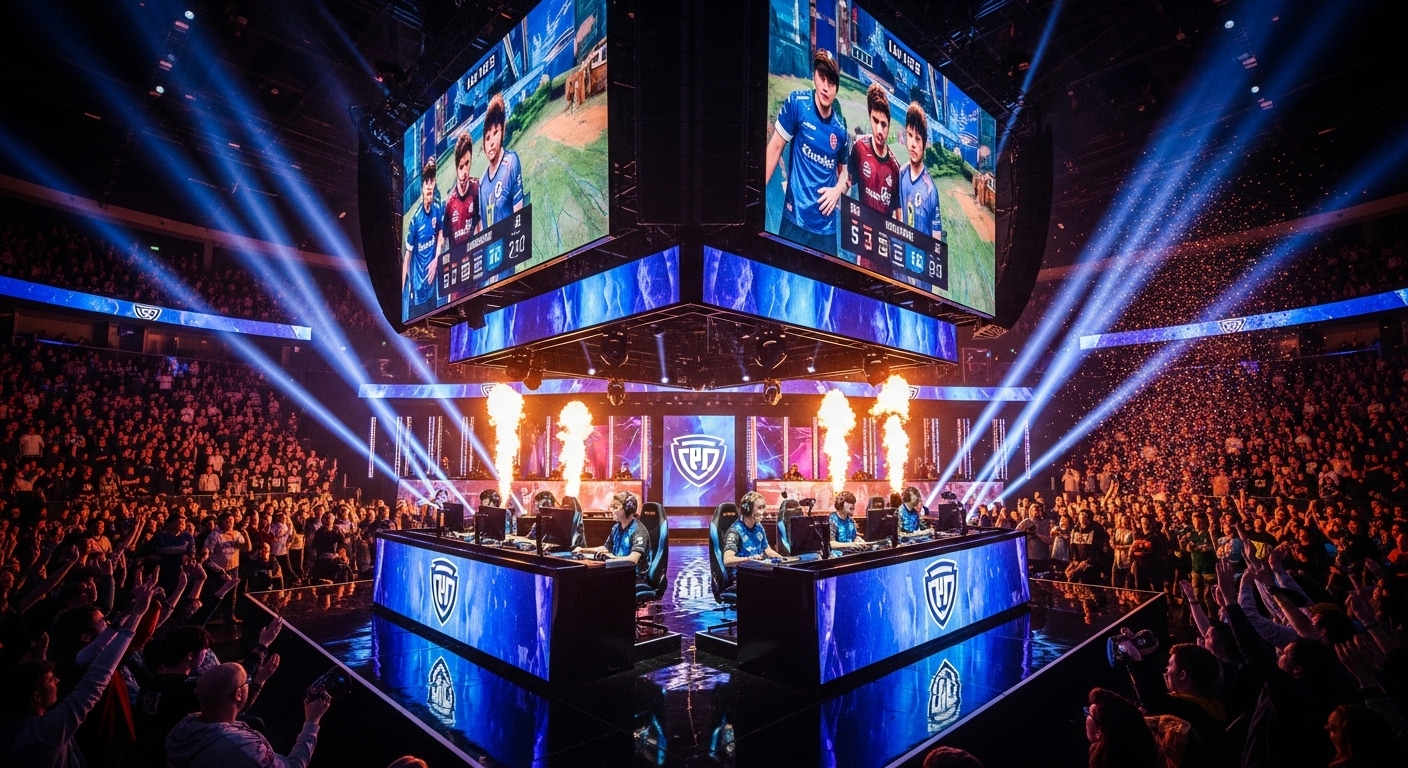
One of esports’ most unique qualities is its appeal to spectators. Unlike traditional sports, where fans attend stadiums or watch on television, esports thrives on digital platforms. Streaming services allow millions of viewers to watch live tournaments, interact with commentators, and engage with fans around the world. Professional commentary, slow-motion replays, and in-depth analysis enhance the viewing experience. Fans are no longer passive observers—they can participate through live chats, votes, and fan interactions. The global reach of esports means that a single tournament can bring together people from diverse cultures, uniting them through shared excitement and appreciation for skillful play.
The Mental and Physical Demands of Competitive Gaming
Although esports may not require physical strength in the traditional sense, the mental demands are extraordinary. Players must react within milliseconds, make strategic decisions under pressure, and maintain focus during long competitions. Communication with teammates is critical, often involving complex tactics executed in real time. To sustain performance, professional players follow strict routines that include physical exercise, healthy nutrition, and mental conditioning. Sports psychologists are often employed to help players manage stress, avoid burnout, and maintain optimal performance. The combination of cognitive skill, reflexes, and teamwork makes esports a unique arena where mental and physical abilities converge.
The Economics of Esports
Esports has grown into a billion-dollar industry. Revenue streams include sponsorships, advertising, media rights, merchandise sales, and in-game purchases. Teams operate like traditional sports franchises, managing contracts, branding, and marketing strategies. Major tournaments attract corporate sponsors, and successful players often become public figures with personal brands. Cities and organizations recognize esports’ economic potential, hosting international tournaments that draw tourism and investment. Universities now offer scholarships for esports athletes, further highlighting its legitimacy as both a career and a competitive pursuit. The financial ecosystem of esports demonstrates that competitive gaming is far more than a pastime; it is a structured and sustainable industry.
Technology as the Backbone of Esports
The growth of esports relies heavily on technological innovation. High-performance computers, low-latency internet, immersive graphics, and advanced gaming peripherals enable players to compete at elite levels. Emerging technologies like virtual reality, augmented reality, and artificial intelligence are poised to further enhance both player and spectator experiences. AI-driven analytics help teams study opponents, optimize strategies, and refine gameplay. Streaming technology allows live audiences to access tournaments instantly, creating a global stage accessible to anyone with an internet connection. The integration of technology in esports is a constant driver of growth, innovation, and engagement.
Cultural Impact and Acceptance
Esports have shifted perceptions about gaming worldwide. Once associated with stereotypes of isolation or laziness, competitive gaming is now widely recognized as a legitimate form of sport and entertainment. Professional players have become celebrities, influencers, and role models for younger generations. Educational institutions have embraced esports, forming clubs and offering scholarships that encourage skill development, teamwork, and leadership. Gaming culture has permeated mainstream society, shaping how people interact, compete, and socialize. The cultural acceptance of esports signifies a broader recognition of the digital world as an integral part of modern life.
Globalization of Esports
Esports transcends geographic boundaries. Unlike traditional sports that may require specific infrastructure or conditions, digital competitions can be accessed anywhere. Players from different continents can compete simultaneously, creating a truly global competitive environment. Countries like South Korea, China, and the United States lead in esports infrastructure and talent development, but regions across South America, Southeast Asia, and Africa are rapidly emerging as competitive powerhouses. International tournaments bring together diverse communities, fostering cultural exchange and global collaboration. Esports demonstrates that digital platforms can create inclusivity and connectivity unlike any other competitive medium.
Education and Skill Development
Esports is more than just entertainment; it is an avenue for education and skill development. Universities offer courses in game design, esports management, and digital marketing. Players develop critical skills such as strategic thinking, problem-solving, communication, and teamwork. Competitive gaming also encourages technological literacy, familiarity with programming, and analytical reasoning. For many students, esports serves as a gateway to careers in the gaming industry, technology, or media. Beyond playing, esports nurtures a generation of individuals capable of navigating complex digital environments with confidence and creativity.
Challenges in the Industry
Despite its rapid growth, esports faces significant challenges. Player burnout, mental health concerns, and rigorous schedules are common issues. Instances of cheating, match-fixing, and unethical practices have occasionally tarnished the industry’s reputation. Additionally, the rapid commercialization of esports raises questions about maintaining balance between profit and player welfare. To sustain long-term growth, esports organizations must prioritize ethical standards, ensure fair competition, and implement safeguards to protect the health and careers of players. The challenges, though significant, are opportunities for the industry to evolve and mature responsibly.
The Future of Esports
Looking ahead, esports shows no signs of slowing down. Innovations in virtual reality, mixed reality, and cloud gaming promise more immersive and interactive experiences. The line between spectators and players may blur as new technology allows fans to engage with competitions in real time. Expanding markets and emerging regions will continue to diversify the competitive landscape. As esports integrates further into education, media, and global culture, it will redefine entertainment, sportsmanship, and community in ways previously unimaginable. The future of esports is not just about games—it is about shaping the digital experiences that define modern society.
Conclusion: Esports as a Cultural Phenomenon
Esports has redefined competition in the modern world. From humble beginnings in basements and arcades to stadium-filling tournaments and global audiences, it has grown into a cultural, economic, and technological force. It represents the fusion of skill, strategy, and innovation, highlighting human adaptability in a digital age. Beyond entertainment, esports fosters community, education, and professional opportunity, proving that competitive gaming is more than a hobby—it is a lifestyle, a career, and a global movement. As technology evolves and society continues to embrace digital culture, esports will remain at the forefront of this transformation, inspiring millions to play, compete, and connect in ways that redefine what it means to be an athlete.