




Introduction
Esports has become one of the most significant cultural and competitive movements of the twenty first century. What once began as small gatherings of gamers challenging one another for fun has transformed into a global industry worth billions. Players are no longer simply hobbyists but highly skilled competitors who train for hours each day, striving for excellence in digital arenas across the world. Esports is not only changing how people perceive gaming but also how society understands competition, community, and entertainment. As more countries, schools, brands, and industries embrace esports, its influence grows stronger and more meaningful.
The Origins of Competitive Gaming
The story of esports begins long before stadiums were filled with cheering fans. Early video game competitions took place in arcades and college campuses, where players challenged one another to beat high scores or win simple matches. These events were small yet exciting, sparking a sense of rivalry that pushed competitive gaming forward. As technology progressed, games became more complex, and players developed deeper strategies. What was once an informal activity slowly started turning into a structured competitive landscape.
The arrival of online gaming changed everything. It connected players from different cities and countries, allowing them to compete without being in the same room. This evolution created global communities and laid the foundation for modern esports. The more people played together, the more competitive the environment became, eventually giving rise to professional teams, organized tournaments, and dedicated fan bases.
Esports as a Legitimate Form of Competition
One of the greatest achievements of esports is the recognition of gaming as a true competitive sport. For years, people believed gaming was purely recreational, but modern esports athletes have proven otherwise. They train with discipline, practice for countless hours, and study strategies with the same intensity seen in traditional sports.
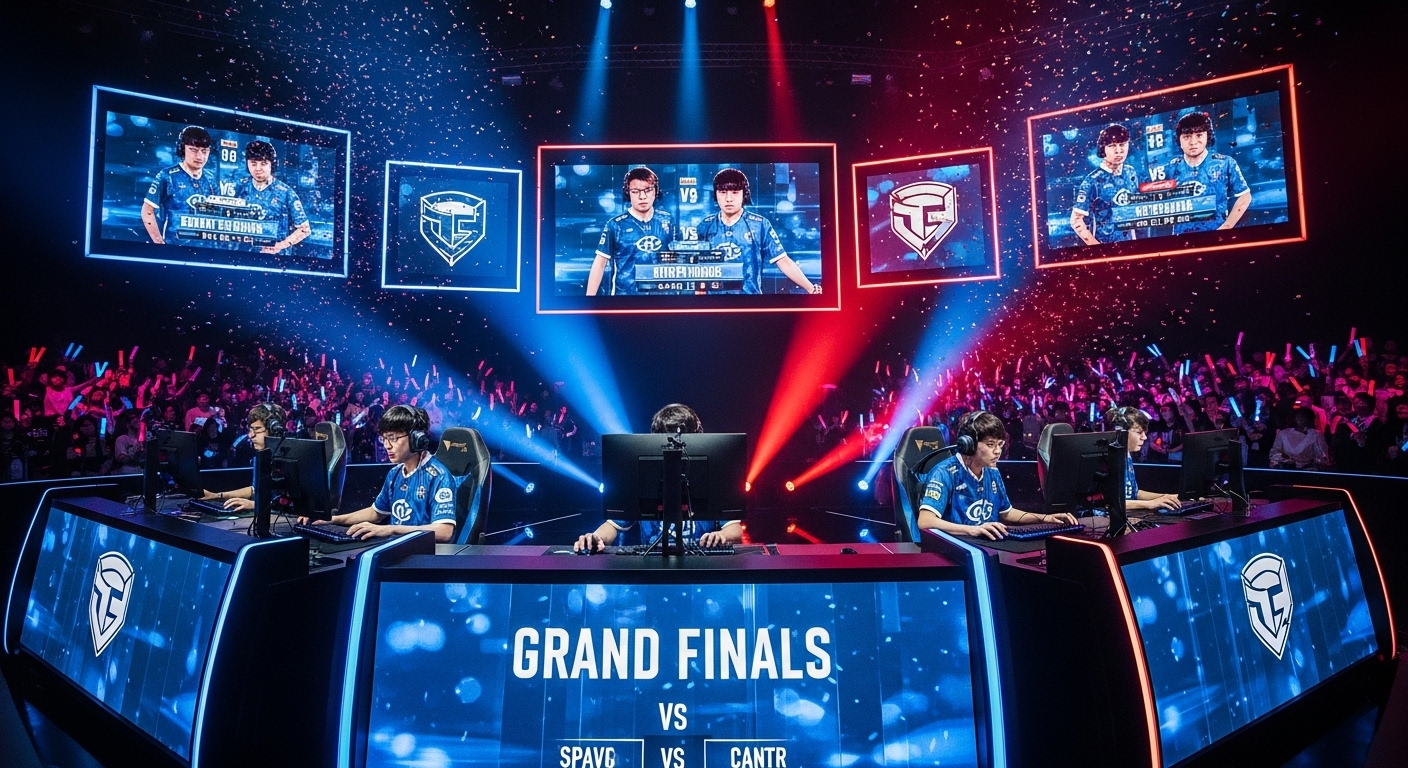
Esports requires quick reflexes, sharp decision making, teamwork, and excellent communication. A single mistake can cost an entire match, much like in any physical sport. Professional players work with coaches and analysts who help refine every aspect of their gameplay. Teams also prepare by studying opponents, reviewing game footage, and analyzing trends to stay ahead. This level of commitment demonstrates that esports is far more than playing games casually. It is a demanding competition that rewards skill, patience, and dedication.
The Global Growth of Esports
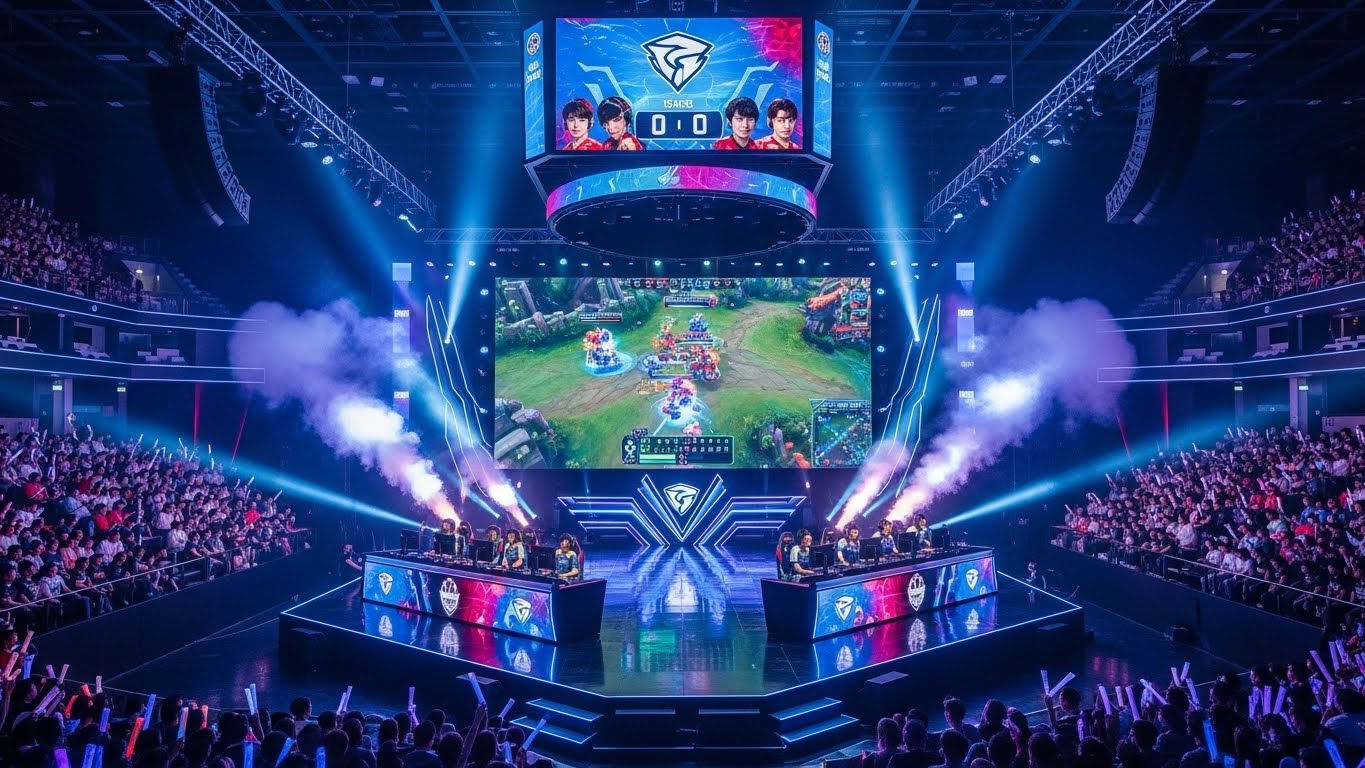
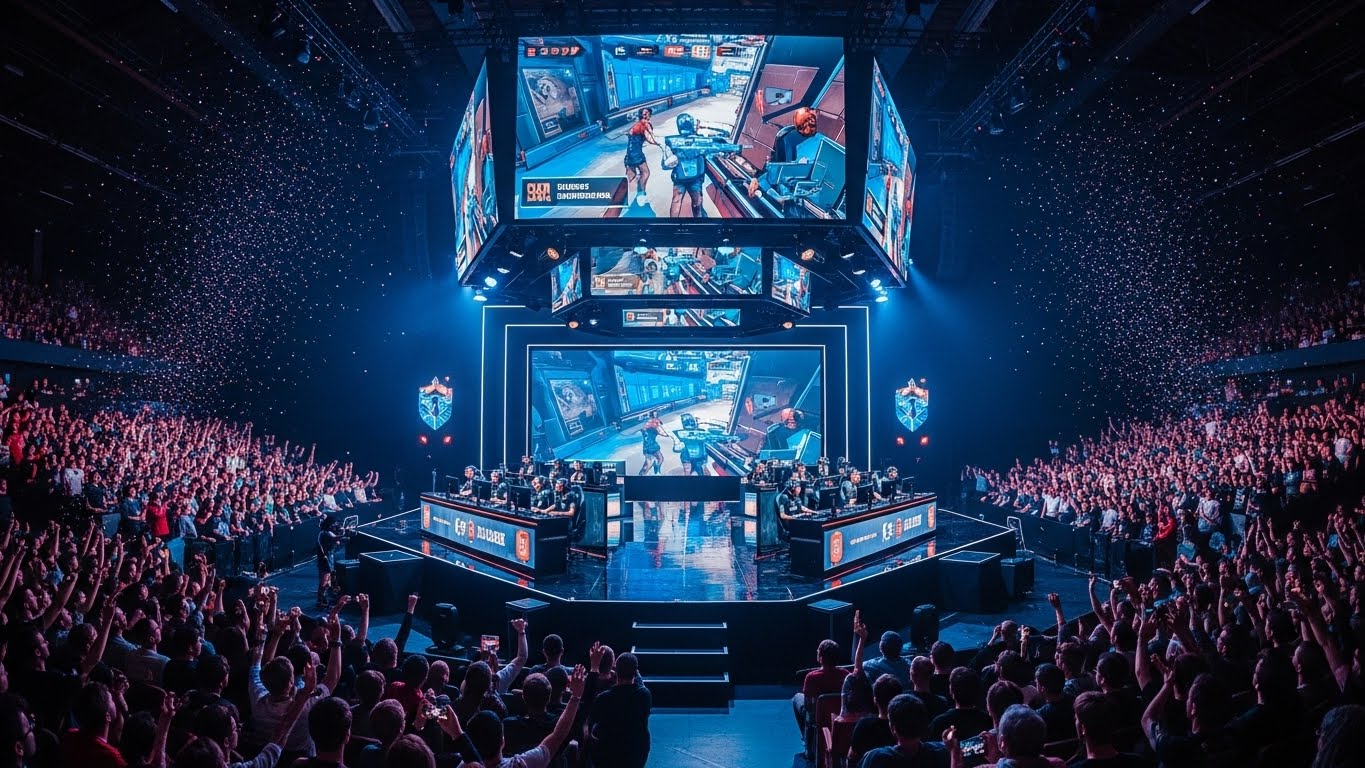
Today, esports has reached audiences all around the world. Stadiums in major cities host tournaments that attract thousands of fans in person and millions watching online. Esports events are now broadcast with professional commentary, high level production, and cinematic presentations that rival traditional sports broadcasts.
Many countries have embraced esports as an official sport, and universities are offering scholarships to talented players. This global interest shows that competitive gaming is not a passing trend but a growing cultural movement. Children, teenagers, adults, and even older generations are discovering the excitement of watching and participating in esports. This wide reach has helped esports develop into one of the fastest growing industries globally.
Diversity of Games and Genres
One of the reasons esports has grown so rapidly is the wide variety of games available. Unlike traditional sports, which often focus on physical abilities, esports offers a vast range of genres that cater to different skills and interests. Some of the most popular game types include strategic battle arenas, tactical shooters, fighting games, sports simulations, and real time strategy titles. Each genre offers its own style of competition, allowing players with different strengths to shine.
Strategic games reward teamwork, planning, and quick thinking. Tactical shooters require precision, coordination, and fast reactions. Fighting games rely on timing, technique, and psychological understanding of opponents. This diversity ensures that esports has something for everyone, making the industry more inclusive and accessible to a broader audience.
Esports and Technology
Esports would not exist without technological innovation. High speed internet, powerful computers, and advanced gaming platforms have made competitive play seamless. Technology has also improved the viewing experience, introducing features like instant replays, interactive broadcasts, and multi angle perspectives that make watching esports more engaging.
Virtual reality and augmented reality are expected to play even bigger roles in the future of competitive gaming. These technologies may create new genres of esports that blend physical and digital experiences. Additionally, smart devices and improved connectivity allow players from nearly anywhere in the world to participate in online tournaments. Technology continues to push esports forward, opening endless possibilities for players and fans alike.
Careers and Opportunities in Esports
Esports is not only about competing. It has created thousands of career opportunities across multiple fields. Players can become professionals, earning salaries, sponsorships, and prizes. However, many other roles exist behind the scenes. Event organizers, coaches, analysts, designers, broadcasters, social media managers, and content creators all play important parts in the esports ecosystem.
This industry has grown so large that it mirrors traditional sports in structure and business. Brands partner with teams, sponsorship deals generate major revenue, and media companies invest heavily in coverage. Many young people are discovering new career paths through esports, proving that gaming can lead to stable and successful futures.
The Social and Cultural Influence of Esports
Esports has shaped modern culture in surprising ways. It has brought together people from different countries, languages, and backgrounds, creating global communities where players bond through shared interests. Fans follow their favorite teams, enjoy discussing match strategies, and celebrate major victories together.
Esports also influences fashion, music, and entertainment. Clothing inspired by gaming culture is becoming mainstream, while musicians and celebrities collaborate with esports players or teams. Esports has become a cultural language that modern generations understand and embrace.
Moreover, esports encourages teamwork, communication, and problem solving. Many schools and organizations use gaming to teach students valuable skills while creating positive social environments. This cultural impact proves that esports is not just entertainment but also a tool for education, unity, and self expression.
Challenges Faced by the Esports Industry
Although esports has grown rapidly, it still faces challenges. Player burnout is a significant issue, as competitors practice for long hours and deal with intense pressure. Balancing mental health with competitive demands is crucial for long term success. Some players retire early due to stress or physical issues like hand injuries.
Another challenge involves maintaining fair competition. Developers and organizers work hard to prevent cheating, match manipulation, or toxic behavior. As the industry expands, strong guidelines and regulations become more important to protect both players and fans.
Financial stability is another concern for smaller teams and organizations. Not all esports regions receive equal investment, and some players struggle to find opportunities. These challenges highlight the need for continued growth, support, and improvement across the industry.
The Future of Esports
The future of esports is filled with possibilities. Continued advancements in technology will lead to more immersive and interactive experiences. New games will emerge, attracting different audiences and expanding the industry. Education will play a bigger role as more institutions introduce esports programs and scholarships.
Traditional sports organizations are also recognizing the power of esports and building their own teams. This merging of digital and real world competition will create exciting collaborations and new forms of entertainment. Esports may eventually become as mainstream as traditional sports, with players receiving widespread recognition and respect.
The most exciting aspect of esports future is its community. Fans and players continue to drive the industry forward with passion, creativity, and innovation. As long as this energy remains strong, esports will continue growing and shaping global culture in meaningful ways.
Conclusion
Esports has evolved far beyond a simple pastime. It is now a global force that blends competition, technology, culture, and community. From small arcades to massive arenas, esports has become a symbol of modern entertainment and human achievement. Its impact reaches across generations, inspiring players to challenge themselves and embrace new opportunities.