




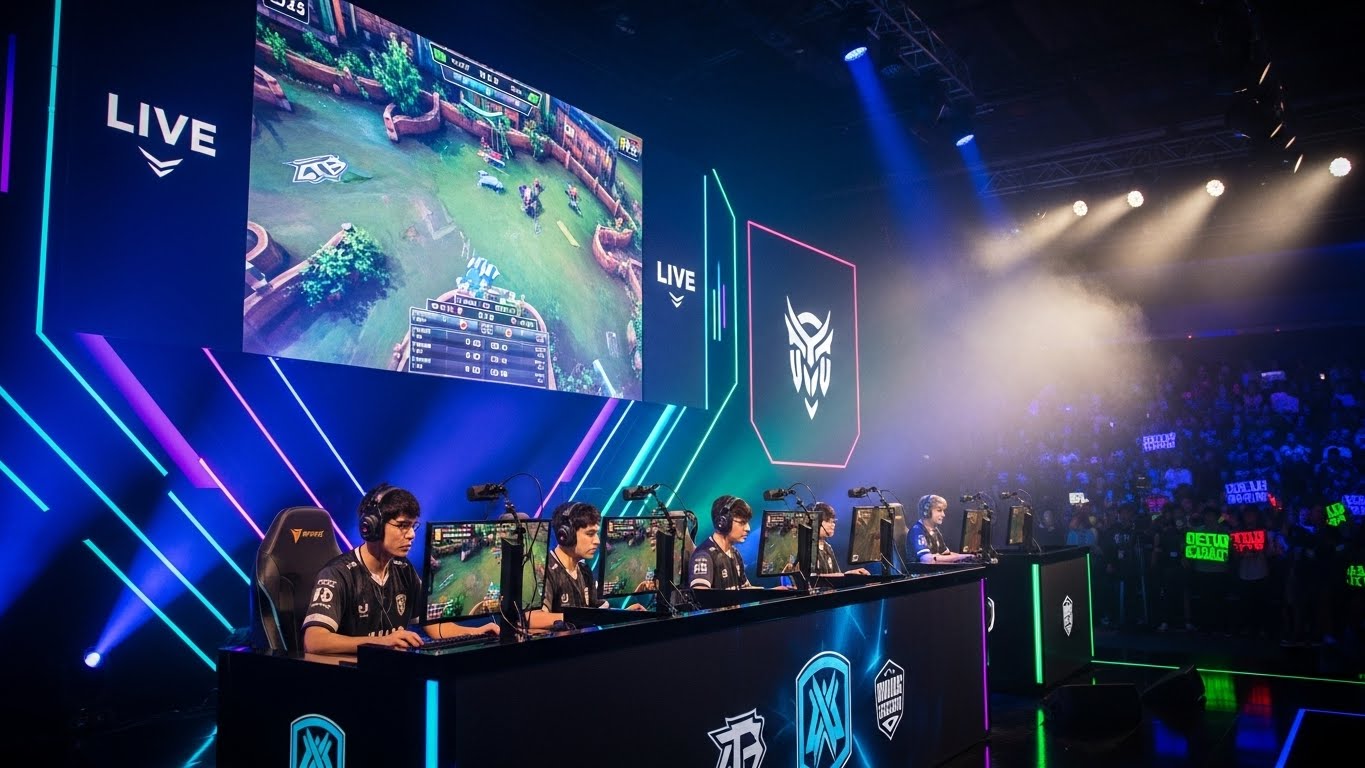
Introduction: The Emergence of Esports
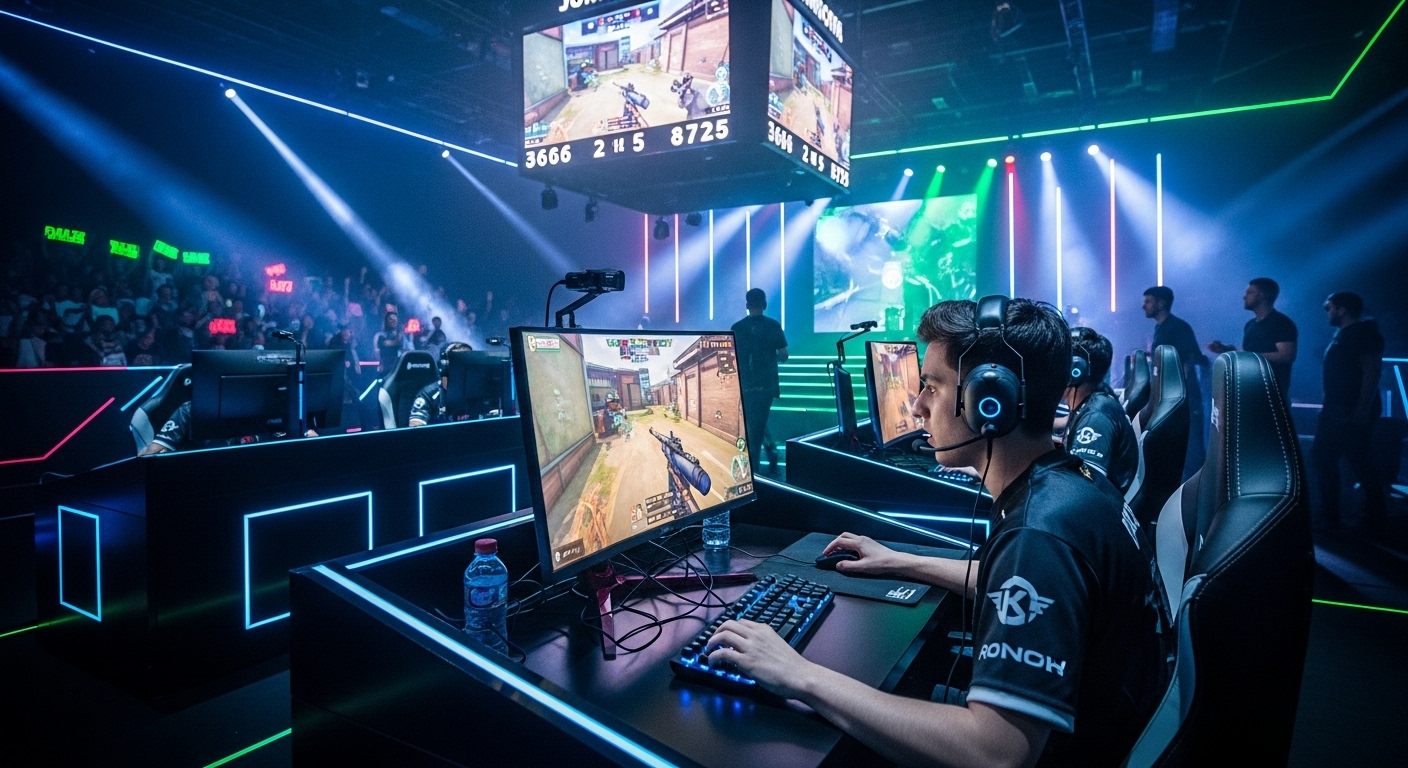
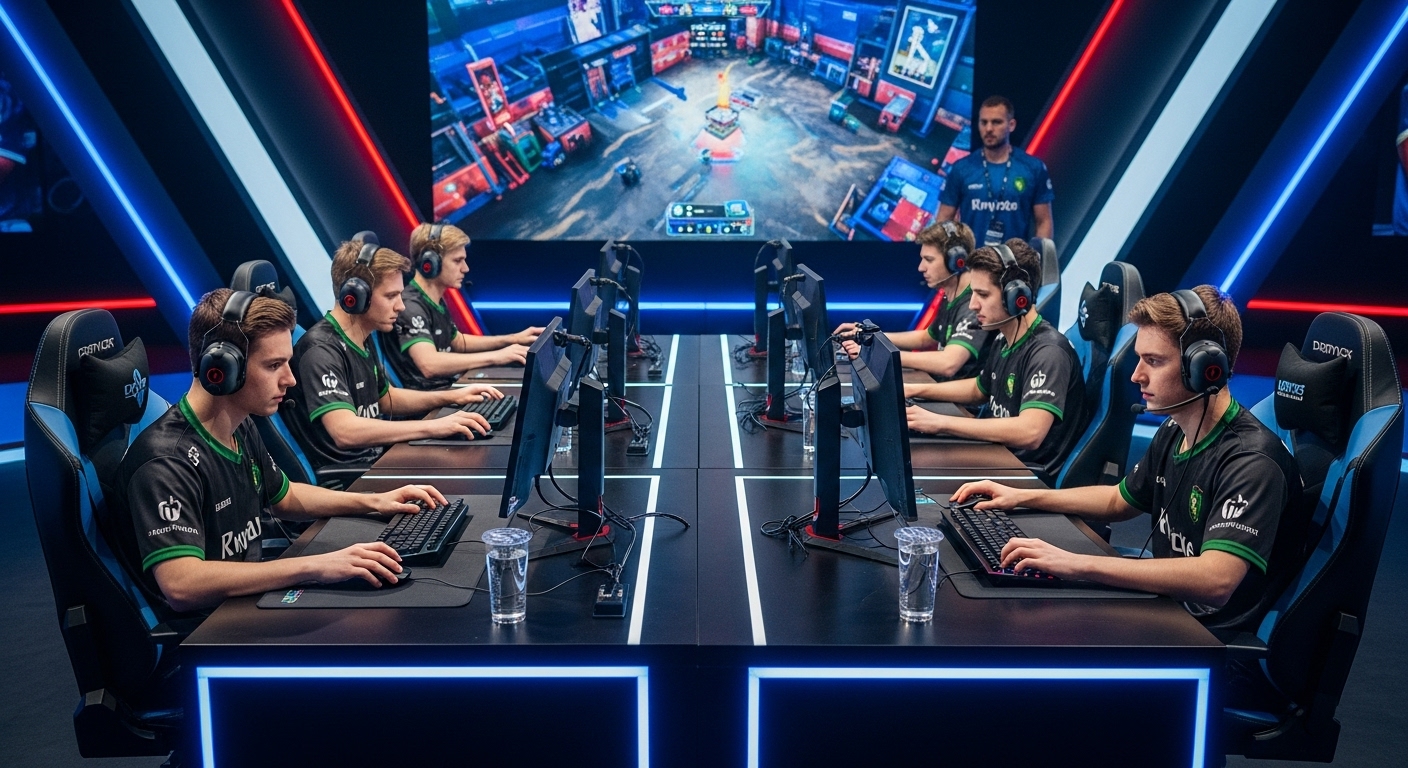
Esports, or competitive video gaming, has grown from niche hobbyist activity into a global phenomenon that rivals traditional sports in viewership, revenue, and cultural influence. What was once confined to small tournaments in local gaming cafes has evolved into professional leagues, international championships, and multimillion-dollar sponsorship deals.
The allure of esports lies in its combination of skill, strategy, and entertainment. Players from around the world compete in games that demand quick reflexes, sharp decision-making, and teamwork. Beyond competition, esports provides communities, career opportunities, and technological innovation, making it a significant cultural and economic force in the digital age.
The History and Evolution of Esports
Competitive gaming traces its roots back to the late 1970s and 1980s, with early arcade competitions and home console tournaments. Games like Space Invaders, Pong, and later Street Fighter and StarCraft became platforms for competition and community engagement.
The 2000s marked the rise of professional esports leagues, online streaming platforms, and international competitions. Titles like League of Legends, Dota 2, and Counter-Strike became central to the esports ecosystem, attracting millions of players and viewers worldwide. Today, esports encompasses a wide range of genres, including first-person shooters, real-time strategy, battle royale games, and sports simulations.
Popular Esports Genres
Esports is defined by its diversity of game genres, each requiring distinct skills and strategies:
1. Multiplayer Online Battle Arenas (MOBA): Games like League of Legends and Dota 2 emphasize teamwork, strategy, and real-time decision-making. Players coordinate roles, objectives, and resources to secure victory.
2. First-Person Shooters (FPS): Games such as Counter-Strike, Call of Duty, and Overwatch focus on reflexes, precision, and spatial awareness. FPS esports demand quick thinking under pressure and coordinated team strategies.
3. Real-Time Strategy (RTS): Titles like StarCraft II challenge players to manage resources, control units, and execute strategies efficiently. RTS games test multitasking, planning, and adaptability.
4. Battle Royale and Survival Games: Games like Fortnite and PUBG combine strategy, survival skills, and rapid decision-making. Players compete in large-scale arenas to be the last one standing.
5. Sports Simulations: Virtual representations of real-world sports, such as FIFA and NBA 2K, allow players to simulate and compete in athletic competitions, combining gaming skill with sports knowledge.
The Global Esports Ecosystem
Esports has developed a complex ecosystem that includes professional players, teams, tournaments, leagues, sponsors, streaming platforms, and fan communities. Players often train rigorously, dedicating hours to improving mechanics, strategy, and communication.
Professional esports organizations operate much like traditional sports franchises, with coaches, analysts, nutritionists, and marketing staff. Tournaments range from local competitions to international championships with multimillion-dollar prize pools. Streaming platforms allow fans to watch live matches, interact with players, and engage with communities in real-time.
Esports as a Career Path
Esports has created a wide array of professional opportunities. Competitive players can earn salaries, sponsorships, and tournament winnings. Analysts, coaches, content creators, event organizers, and marketers contribute to the industry’s growth.
The rise of streaming platforms has also allowed amateur players to build audiences, share expertise, and monetize their gameplay. Career opportunities in esports extend beyond playing, encompassing broadcasting, production, technology, and business management, making it a dynamic industry for creative and strategic professionals.
The Role of Technology in Esports
Technology is central to the growth of esports. High-speed internet, advanced gaming hardware, cloud services, and streaming platforms enable seamless competition and global connectivity. Tools such as performance analytics, training software, and communication platforms enhance player skill and team coordination.
Virtual reality and augmented reality are emerging technologies that may redefine the esports experience. Enhanced graphics, immersive environments, and interactive fan engagement are shaping the next generation of competitive gaming, merging technology with entertainment in unprecedented ways.
The Social and Cultural Impact of Esports
Esports is more than competition; it is a cultural phenomenon. Online communities provide social connection, collaboration, and shared experiences. Fans follow teams and players passionately, creating fandoms comparable to traditional sports.
Esports also influences fashion, music, content creation, and digital trends. It provides a platform for storytelling, personal expression, and creative collaboration. Communities built around esports foster global interaction, cultural exchange, and social inclusion, transcending physical boundaries.
Health and Well-Being in Esports
Professional esports players face physical and mental challenges, including long hours of practice, high stress, and the need for precise motor skills. Organizations now prioritize physical fitness, mental health, ergonomics, and nutrition to optimize performance and prevent burnout.
Balanced training regimens, mindfulness, and proper rest are crucial for sustaining competitive careers. Healthy practices ensure that esports remains a sustainable, enjoyable, and rewarding pursuit for players and participants alike.
Esports Tournaments and Events
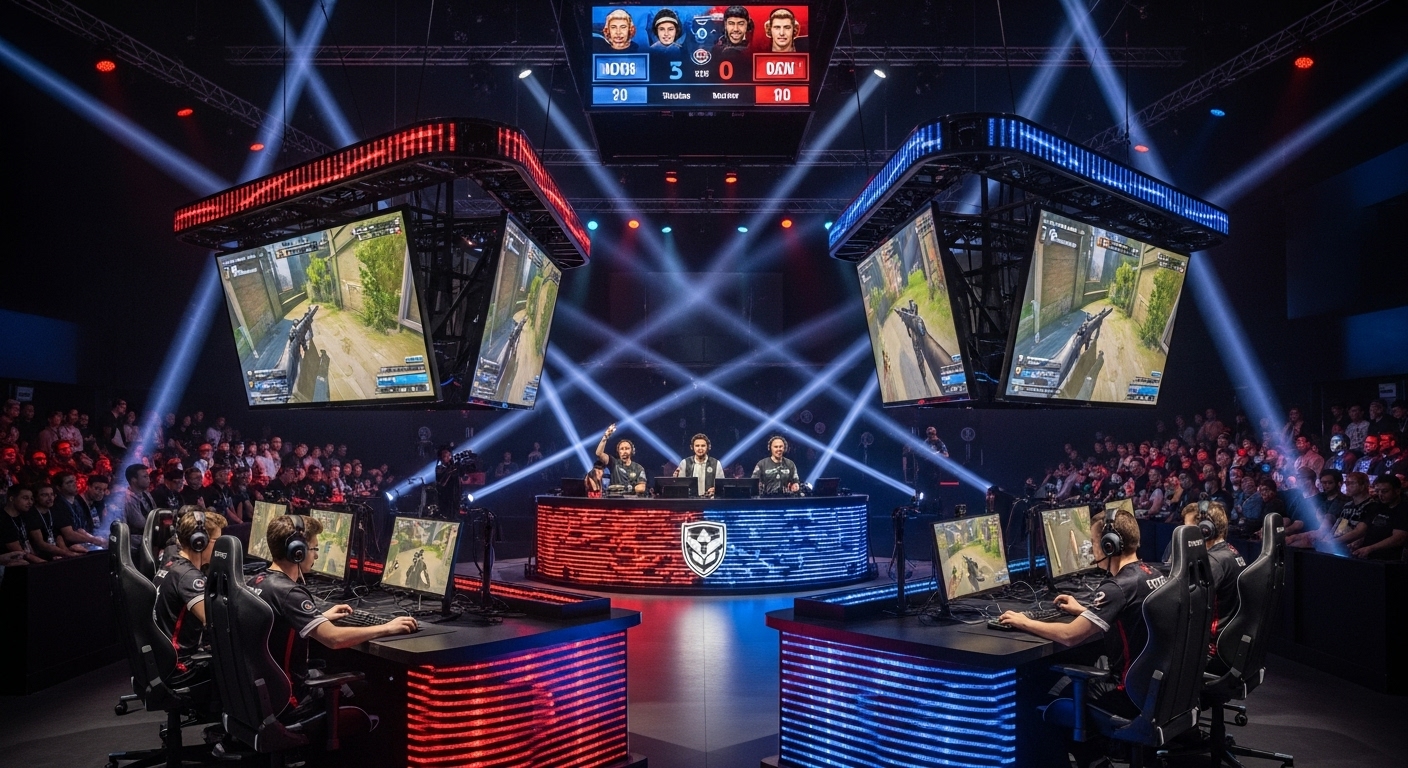
Tournaments are the centerpiece of esports, drawing massive audiences both online and offline. Events such as The International, League of Legends World Championship, and EVO provide high-stakes competition, global recognition, and entertainment spectacle.
These tournaments foster excitement, community engagement, and international collaboration. Fans experience tension, strategy, and drama in real-time, creating shared cultural moments that resonate far beyond the gaming community.
Esports and Education
Esports is increasingly recognized as a legitimate educational tool. Schools and universities are incorporating esports programs to teach teamwork, strategy, communication, and digital literacy. Scholarships for esports players provide opportunities for academic and professional development.
Esports also fosters problem-solving, critical thinking, and time management skills. By combining competition with learning, esports bridges entertainment and education, preparing students for diverse career pathways.
Women in Esports
The inclusion of women in esports is growing steadily. Female players, streamers, and commentators are challenging traditional norms and creating spaces for diversity and representation. Women in esports inspire new generations and highlight the importance of equal opportunity.
Efforts to promote gender inclusivity include tournaments, mentorship programs, and community initiatives. Greater representation ensures that esports reflects the diversity of its global audience.
Economic Significance of Esports
Esports has become a multi-billion-dollar industry with sponsorships, merchandising, ticket sales, and media rights contributing to rapid growth. Brands and advertisers invest heavily in esports due to its young, engaged, and digitally connected audience.
Revenue streams extend to streaming platforms, team merchandise, training programs, and virtual goods. Esports has become an influential economic ecosystem, driving innovation, entrepreneurship, and global investment.
The Future of Esports
The future of esports promises continued expansion, innovation, and mainstream recognition. Emerging technologies such as virtual reality, augmented reality, artificial intelligence, and cloud gaming will enhance the player and spectator experience.
Esports will integrate further with traditional sports, media, and entertainment, creating hybrid events and interactive experiences. Inclusivity, accessibility, and global collaboration will remain central to growth, ensuring that esports continues to inspire and connect millions worldwide.
Conclusion: Esports as a Global Phenomenon
Esports is more than a pastime—it is a transformative cultural, economic, and social force. It blends skill, strategy, technology, and entertainment in ways that redefine competition and community. From casual players to professional athletes, esports provides opportunities for growth, connection, and achievement.
As esports continues to evolve, it will influence media, education, technology, and society at large. It demonstrates that competitive gaming is not just about playing; it is about creativity, collaboration, and human potential in the digital era. Esports has arrived as a major pillar of modern entertainment, shaping the future of sports and global culture.