




Introduction: The Rise of a Digital Phenomenon
In recent years, esports has transformed from a niche pastime into a global phenomenon, attracting millions of players and viewers worldwide. Once considered a hobby for teenagers glued to their screens, competitive gaming has now entered the mainstream, becoming a lucrative industry with professional athletes, sponsorships, and high-stakes tournaments. The term “esports” itself, short for electronic sports, refers to organized, competitive video gaming where individuals or teams compete in various genres such as first-person shooters, real-time strategy, fighting games, and multiplayer online battle arenas.
The rapid growth of esports is not just a reflection of technological advancement but also a cultural shift. People across continents are embracing esports as a legitimate form of entertainment, a career path, and a social activity. The evolution of esports highlights the intersection of technology, community, and competition in the 21st century.
The Evolution of Esports: From Arcades to Arenas
The origins of esports can be traced back to the 1970s and 1980s when arcade games like Pong and Space Invaders were gaining popularity. Early gaming competitions were small-scale and often local events held in arcades or college campuses. However, the 1990s marked a significant turning point with the rise of PC gaming and the advent of the internet. Games like StarCraft in South Korea and Quake in the United States paved the way for organized online tournaments, creating communities of competitive gamers who would communicate, strategize, and compete in digital arenas.
By the 2000s, esports began to take on a more professional structure. Major tournaments with cash prizes emerged, drawing international attention. South Korea, in particular, became a hub for esports culture, with professional leagues, televised matches, and gaming cafes known as “PC bangs.” The early success in South Korea demonstrated the potential of esports as both a business and a cultural phenomenon, setting the stage for global expansion.
Popular Esports Genres and Games
Esports is not a monolithic entity; it encompasses a wide variety of gaming genres, each attracting different audiences and player skill sets. Some of the most popular genres include:
1. Multiplayer Online Battle Arenas (MOBAs)
Games like League of Legends and Dota 2 dominate the esports scene with complex gameplay that combines strategy, teamwork, and individual skill. MOBA tournaments often attract millions of viewers, and the games’ steep learning curves foster dedicated communities of players and fans.
2. First-Person Shooters (FPS)
FPS games such as Counter-Strike: Global Offensive and Call of Duty emphasize precision, reflexes, and tactical decision-making. FPS tournaments are known for their intense, fast-paced action and have become some of the most-watched esports events globally.
3. Real-Time Strategy (RTS)
RTS games like StarCraft require players to manage resources, build structures, and control units simultaneously. The genre’s emphasis on strategic thinking and long-term planning has cultivated a niche but highly dedicated fanbase.
4. Fighting Games
Fighting games like Street Fighter and Super Smash Bros have maintained a consistent presence in esports for decades. These games focus on one-on-one battles, requiring mastery of timing, combos, and character-specific strategies.
5. Sports Simulations
Games like FIFA and NBA 2K allow players to simulate real-world sports digitally. While these games often attract fans of the respective sports, they have developed their own competitive ecosystems with tournaments and leagues.
Each genre contributes to the diversity and richness of the esports landscape, providing entertainment options for a wide range of audiences.
The Business of Esports: Sponsorships, Teams, and Revenue
Esports is not just a cultural phenomenon; it is a booming industry generating billions of dollars annually. Revenue streams include sponsorships, advertising, merchandise sales, ticket sales for live events, and broadcasting rights. Major brands have recognized the marketing potential of esports, targeting young, tech-savvy audiences who may not engage with traditional sports.
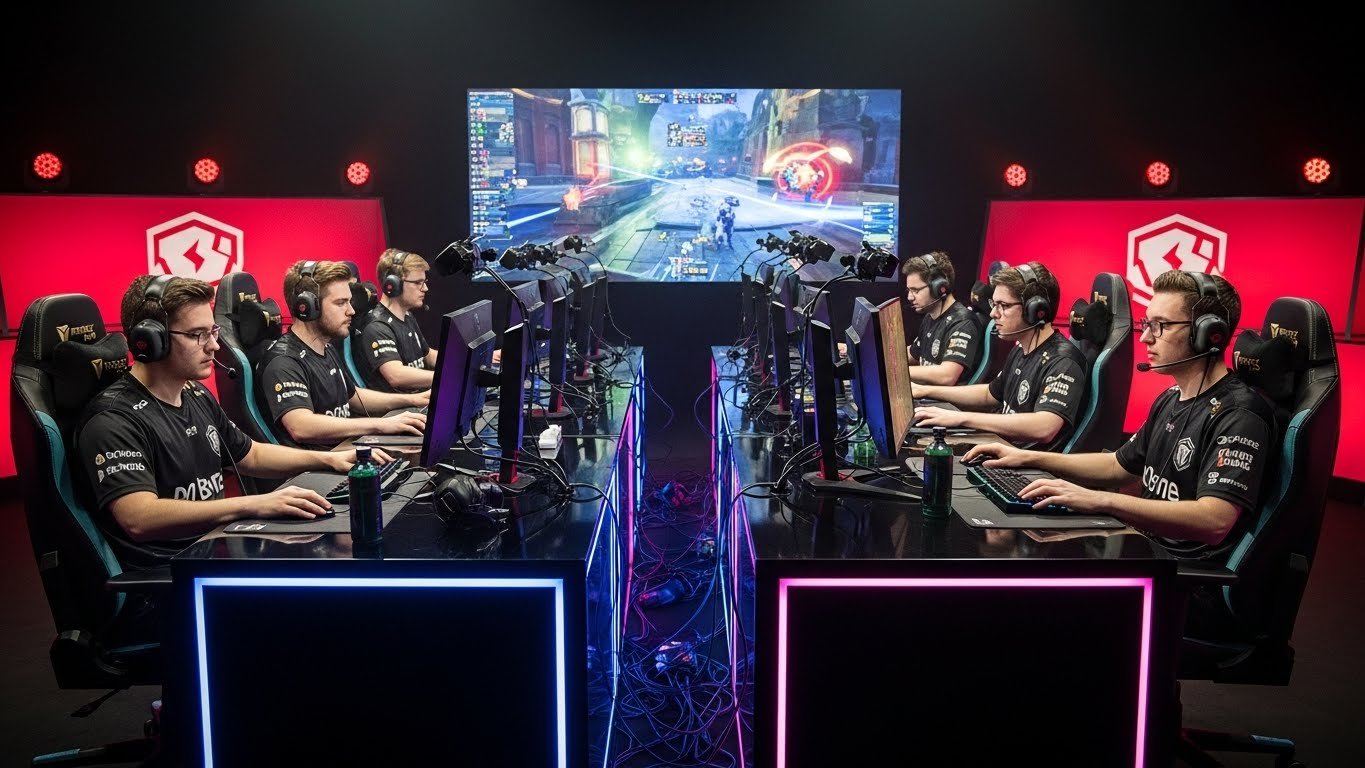
Professional esports teams operate similarly to traditional sports franchises. They recruit talented players, provide training facilities, and participate in global tournaments. Top players earn substantial salaries and can generate additional income through streaming, endorsements, and merchandise. The rise of streaming platforms has further revolutionized the industry, allowing players and teams to reach global audiences directly.
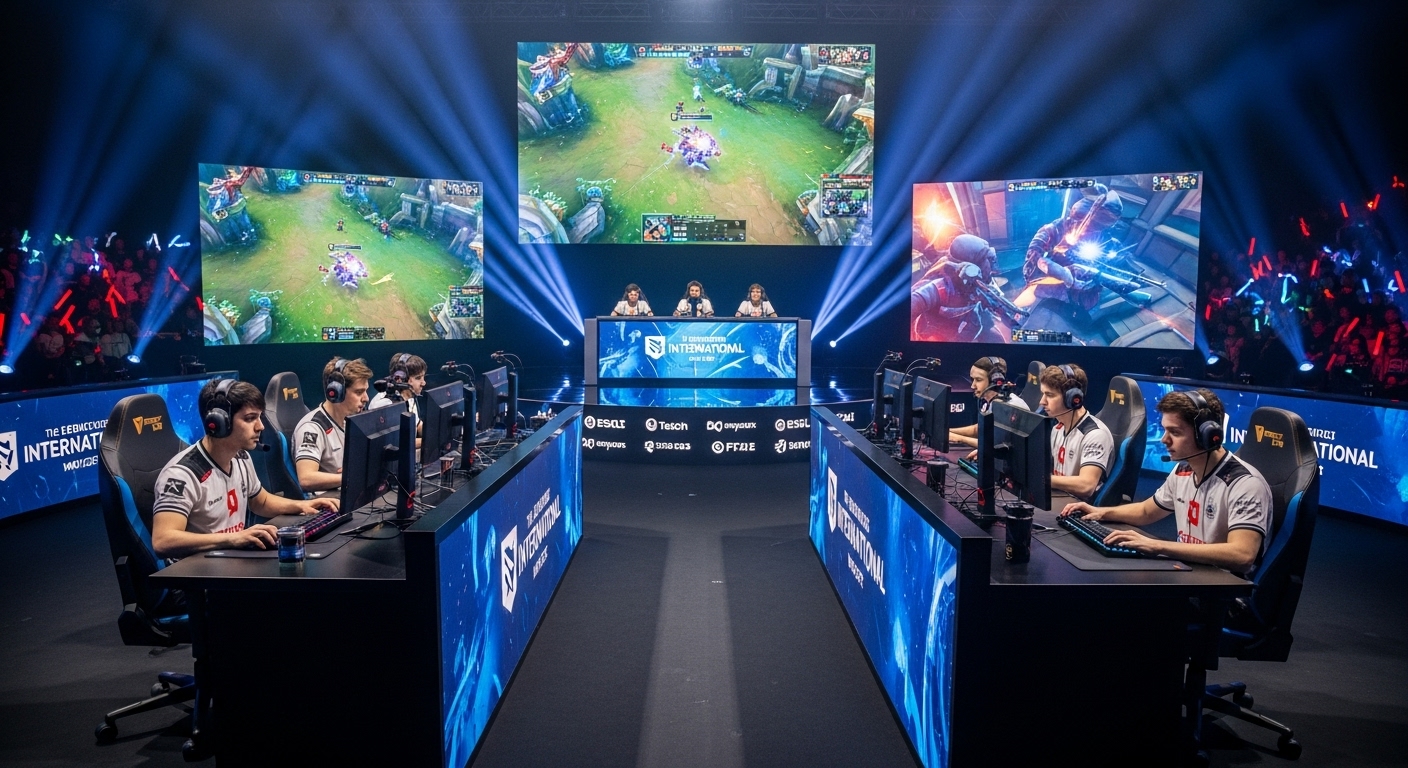
Tournaments like The International for Dota 2 or the League of Legends World Championship offer multi-million-dollar prize pools, rivaling the earnings of traditional sports. This financial growth has not only legitimized esports as a career path but also attracted investors, leading to the formation of esports leagues and structured competitions around the world.
Esports and Technology: Fueling the Competitive Edge
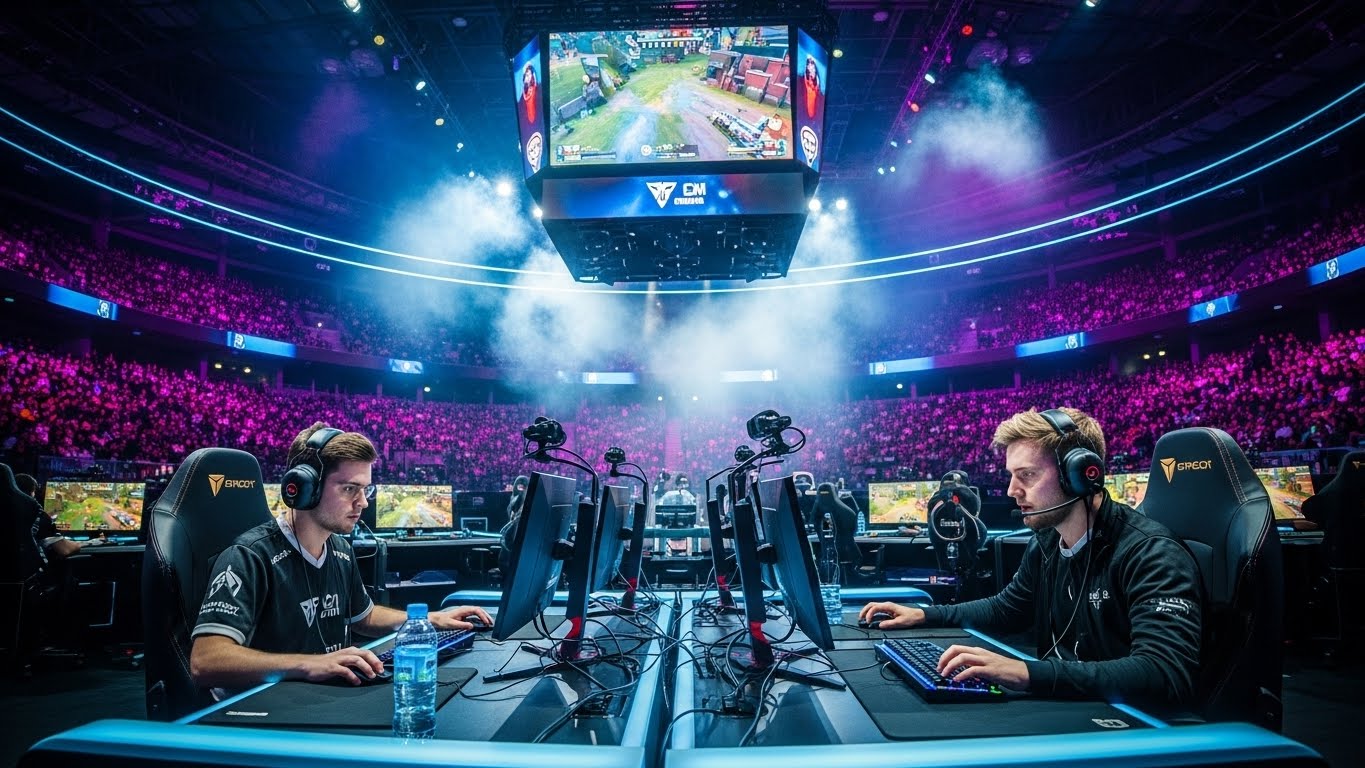
Technology plays a central role in the development of esports. High-performance computers, advanced graphics, and stable internet connections are fundamental to competitive gaming. Beyond hardware, software innovations such as game analytics, virtual reality, and artificial intelligence are reshaping the way esports is played and consumed.
Streaming technology has been particularly influential. Platforms allow players to broadcast their gameplay live to millions of viewers, turning individual gaming sessions into entertainment spectacles. Esports analytics, which track player performance and in-game statistics, provide insights that enhance training and strategy, much like performance analytics in traditional sports.
Virtual reality and augmented reality are emerging frontiers in esports, promising immersive experiences for both players and audiences. While still in the experimental phase, these technologies have the potential to redefine what it means to compete in a digital environment.
The Social and Cultural Impact of Esports
Esports has had a profound social and cultural impact. It has created a sense of community among players and fans, connecting individuals across the globe. Online forums, social media, and streaming platforms allow fans to follow their favorite players, discuss strategies, and engage in shared experiences.
Culturally, esports has challenged traditional notions of athleticism. The term “athlete” is now often applied to professional gamers, recognizing their dedication, skill, and mental endurance. Moreover, esports has become an avenue for social mobility, providing opportunities for individuals from diverse backgrounds to pursue successful careers without relying on physical sports.
Esports also intersects with education. Many universities now offer esports scholarships, degree programs, and training facilities, acknowledging the intellectual and strategic rigor of competitive gaming. These programs prepare students for careers in gaming, marketing, event management, and technology.
Challenges Facing the Esports Industry
Despite its rapid growth, esports faces several challenges. One of the most pressing issues is player burnout. Professional gamers often endure grueling training schedules, long hours of practice, and high-pressure competitions, leading to physical and mental strain. Unlike traditional sports, where physical injuries are visible, esports injuries such as repetitive strain injuries and vision problems are often overlooked.
Another challenge is regulation. The esports industry is still relatively young, and there is no standardized governing body to enforce rules, resolve disputes, or manage player contracts consistently. This lack of regulation can lead to disputes over tournament outcomes, prize distribution, and ethical concerns such as cheating or match-fixing.
Additionally, there is an ongoing conversation about inclusivity in esports. While the community has grown increasingly diverse, certain demographics remain underrepresented, and efforts to address gender disparities, accessibility, and fair treatment continue to evolve.
The Future of Esports: Beyond the Screen
Looking ahead, the future of esports is poised for expansion. Advancements in technology, growing investment, and increasing mainstream acceptance suggest that esports will continue to flourish. Integration with virtual reality and augmented reality could create immersive experiences where spectators feel as if they are part of the game. Cross-platform competitions may allow players from different devices to compete seamlessly, broadening participation.
The convergence of esports with traditional sports is another intriguing possibility. Collaborations between professional sports teams and esports franchises are already underway, hinting at hybrid models where digital and physical competitions coexist. As the industry matures, we can expect more structured leagues, standardized regulations, and a professional ecosystem that rivals traditional sports in scope and influence.
Beyond entertainment and competition, esports will likely continue to impact education, technology development, and social interaction. The skills cultivated through esports—strategic thinking, teamwork, communication, and digital literacy—are increasingly valuable in the modern workforce, further bridging the gap between gaming and real-world applications.
Conclusion: Esports as a Cultural Force
Esports has evolved from humble beginnings in arcades and internet cafes to a global cultural and economic powerhouse. It represents a fusion of technology, competition, and community, offering entertainment and career opportunities to millions. The industry’s growth reflects broader societal trends, including digital connectivity, the rise of online communities, and the changing definition of athleticism.
While challenges such as player burnout, regulation, and inclusivity remain, the future of esports is bright. With technological innovation, professionalization, and global engagement, esports is poised to become an enduring cultural force, shaping how people compete, connect, and experience entertainment in the digital age.
In the end, esports is more than just playing games; it is a testament to human creativity, skill, and the desire to connect through shared passion. As audiences continue to grow and technology advances, esports is set to redefine the very concept of competition, proving that the digital arena is just as thrilling and impactful as the physical one.