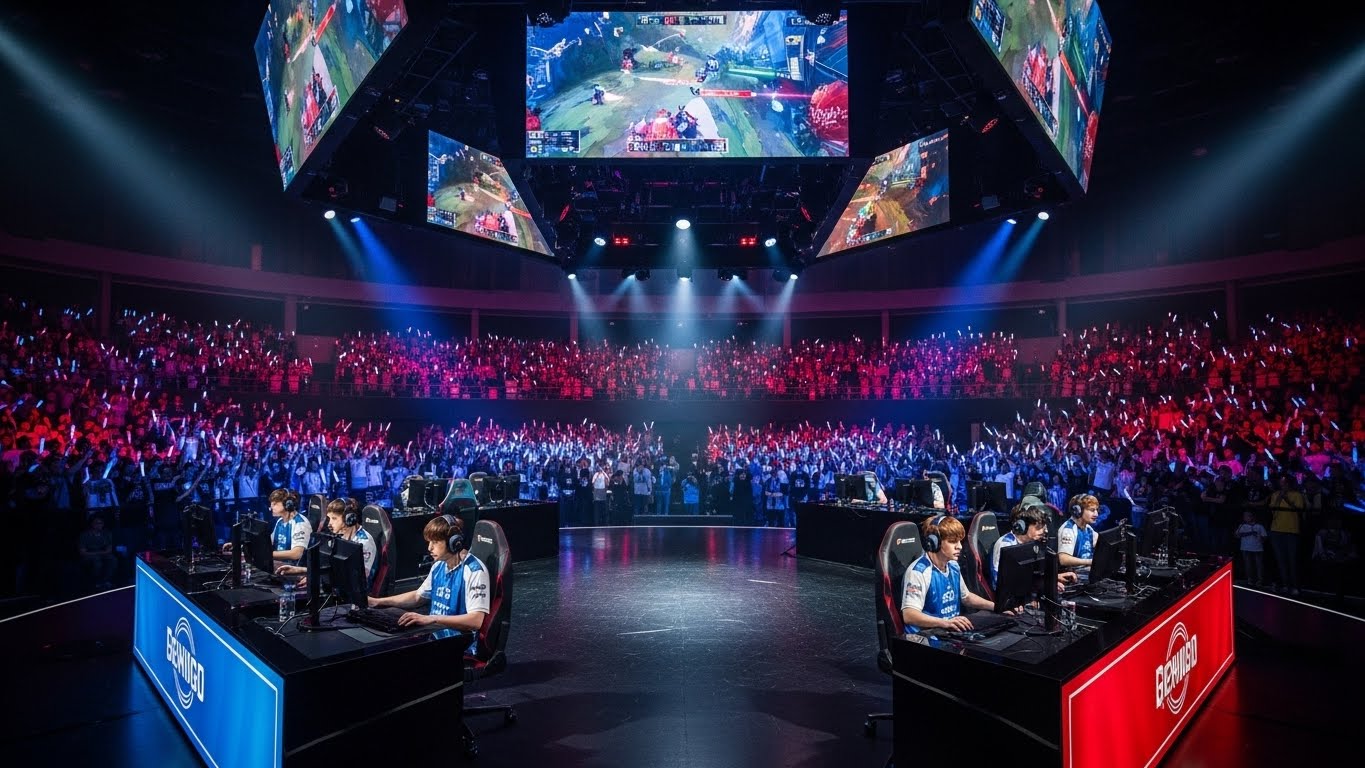





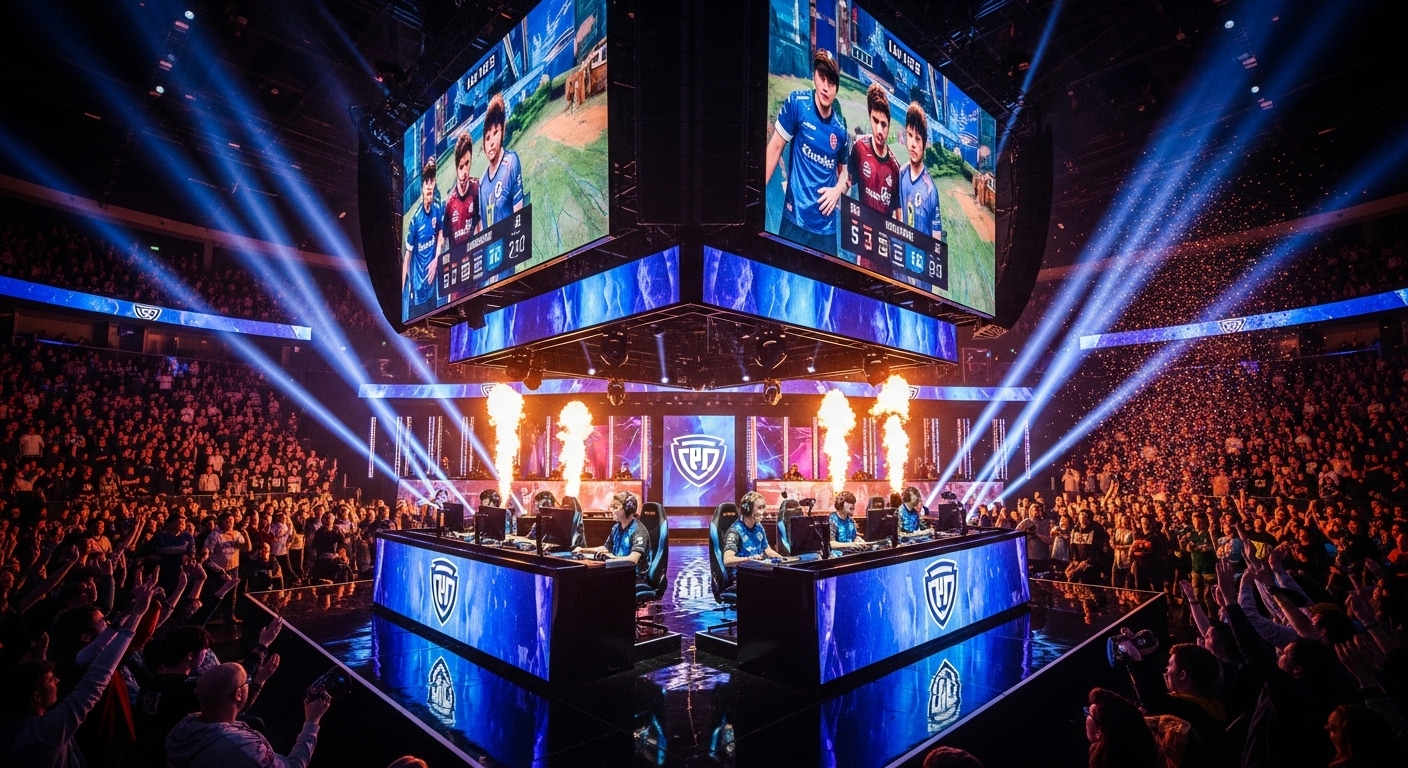
In the last few decades, a cultural revolution has taken place in the world of entertainment. It’s one that has reshaped the way people interact with games, transformed how competitions are viewed, and created an entirely new ecosystem for professional players, teams, and fans. This revolution is none other than esports. What began as a niche community of gaming enthusiasts has now ballooned into a multi-billion-dollar industry that continues to capture the imagination of millions worldwide.
Esports, or competitive video gaming, has quickly become a cornerstone of modern digital culture. It has grown from informal LAN parties to massive global tournaments, with professional players earning impressive salaries, massive brands backing top-tier teams, and millions of fans watching tournaments live online or in packed arenas. But how did esports get here, what makes it so captivating, and where is it headed in the future? In this blog post, we’ll explore the rise of esports, the forces that have fueled its growth, the various forms of competitive gaming, and the impact it has had on the entertainment industry as a whole.
The Origins of Esports: From Arcades to Professional Leagues
The story of esports can be traced back to the early days of gaming when arcades were the primary venue for competitive play. As early as the 1970s and 1980s, games like Pong and Space Invaders had multiplayer modes that allowed players to face off against each other for high scores. The competitive nature of these games quickly became apparent, and the seeds of what would later become esports were sown.
One of the first major milestones for competitive gaming came in 1980 with the introduction of the Space Invaders Championship. The tournament was a nationwide event in the United States and attracted over 10,000 participants. This event proved that there was a growing interest in competitive gaming and demonstrated the potential for larger-scale competitions. By the 1990s, with the rise of personal computers and consoles like the Sega Genesis and Super Nintendo, gaming communities began organizing local tournaments and events.
However, it wasn’t until the late 1990s and early 2000s that esports began to take a more professional shape. Games like StarCraft and Quake paved the way for organized tournaments with bigger prizes and more structured formats. The 1997 Red Annihilation tournament for Quake is often cited as one of the first major esports events, with a $10,000 prize for the winner. Around the same time, South Korea’s gaming culture began to explode, thanks in part to the popularity of StarCraft, and it was here that esports began to take on a level of professionalization that would eventually spread worldwide.
The Rise of Esports: Streaming, Sponsorships, and the Digital Revolution
The real turning point for esports came with the advent of streaming platforms, particularly Twitch. Founded in 2011, Twitch allowed gamers to stream their gameplay live to a global audience, turning casual players into celebrities and building an ecosystem of viewers who could watch their favorite players compete in real time. This shift from traditional broadcast to live streaming was instrumental in the growth of esports, as it provided a direct connection between players and fans.
With the rise of live streaming, esports tournaments began to be broadcast to a much larger audience than ever before. Events that once took place in small venues could now be streamed to millions of viewers worldwide. Major games like League of Legends, Dota 2, Counter-Strike: Global Offensive, Overwatch, and Fortnite became staples in the esports world, each cultivating its own unique fanbase and competitive scene. The prize pools for these games exploded, with tournaments like The International for Dota 2 reaching tens of millions of dollars in prize money.
As esports became more mainstream, it also attracted the attention of major sponsors and investors. Brands like Coca-Cola, Intel, Red Bull, and Mercedes-Benz started to see the marketing potential in associating with esports, and they began pouring millions of dollars into sponsoring events, teams, and players. Esports began to resemble traditional sports in terms of the scale of its business operations, with teams gaining sponsorship deals, athletes earning salaries, and leagues organizing year-round events.
The Structure of Esports: Games, Teams, and Leagues
One of the most fascinating aspects of esports is its diverse ecosystem of games, teams, and professional leagues. Esports isn’t limited to a single game or platform; instead, it encompasses a wide variety of genres, each with its own unique competitive format.
Popular Esports Games
The variety of games in esports is one of its most defining features. Each genre—be it multiplayer online battle arena (MOBA) games, first-person shooters (FPS), real-time strategy (RTS), or battle royale games—attracts different types of players and viewers. Let’s take a look at some of the most popular titles that have shaped the competitive gaming scene.
- League of Legends (LoL) – This MOBA has become one of the most popular and enduring esports games. Developed by Riot Games, LoL has been played professionally since its release in 2009. Its international tournaments, particularly the League of Legends World Championship, draw millions of viewers and offer multi-million-dollar prize pools.
- Dota 2 – Developed by Valve, Dota 2 is another MOBA with a massive esports following. The International, the annual tournament for Dota 2, holds the distinction of having some of the largest prize pools in esports history, with over $40 million in prizes at its peak.
- Counter-Strike: Global Offensive (CS: GO) – As a classic FPS, CS: GO has maintained a strong competitive presence. The game is beloved for its strategic depth, skill-based mechanics, and global tournaments, including the CS: GO Major Championships.
- Overwatch – Developed by Blizzard Entertainment, Overwatch is a team-based FPS that emphasizes cooperation, unique hero abilities, and fast-paced action. The Overwatch League has become one of the most prominent esports leagues in the world, attracting millions of viewers and major sponsors.
- Fortnite – Epic Games’ Fortnite revolutionized the battle royale genre, bringing massive popularity to competitive play. The Fortnite World Cup is one of the highest-profile events in esports, with prize pools reaching $30 million.
Esports Teams and Players
Esports is also home to professional teams, many of which have become household names in the gaming world. Teams like Cloud9, Team Liquid, Fnatic, T1, and FaZe Clan represent the pinnacle of esports competition. These organizations field teams in multiple games, compete in various tournaments, and have a dedicated fanbase.
Much like traditional athletes, professional esports players are highly skilled, training for hours a day to improve their gameplay, strategy, and teamwork. The life of an esports pro can be demanding, with strict schedules, travel, and intense practice regimens. But with that dedication comes lucrative sponsorships, media appearances, and, for the most successful players, the possibility of becoming esports celebrities.
Esports Leagues and Tournaments
Esports leagues and tournaments are the backbone of the competitive scene, providing structure and organization for players and teams. Prominent esports leagues include the Overwatch League, the League of Legends Championship Series (LCS), and the Call of Duty League. These leagues often feature regular-season play followed by playoffs and championships.
In addition to league-based competitions, there are also major standalone tournaments, such as The International for Dota 2, the Fortnite World Cup, and the CS: GO Majors. These tournaments often feature massive prize pools and attract millions of viewers, both online and in-person.
The Cultural Impact of Esports: Beyond the Games
Esports has had a profound impact on the broader entertainment landscape. It has changed how we think about competitive gaming, fan engagement, and media consumption. Here are a few key ways that esports has influenced popular culture:
Fan Communities and Engagement
Esports has cultivated some of the most passionate fan communities in the world. Fans don’t just watch the games; they live and breathe the competition. They follow their favorite players and teams on social media, participate in fan forums and subreddits, and attend live events. This engagement has fostered a unique relationship between esports professionals and their fans.
Esports has also been a significant driver of digital content creation, with streamers on platforms like Twitch and YouTube becoming stars in their own right. Fans watch these streamers for entertainment, educational content, and insight into professional play. Many esports pros also stream their practice sessions, giving fans a glimpse behind the curtain of professional gaming.
Esports in Mainstream Media
Esports has made its way into the mainstream media, with major television networks and digital platforms broadcasting major events. ESPN, for example, began airing esports tournaments in 2016, and platforms like YouTube, Facebook, and Twitch have become essential destinations for esports content.
Moreover, esports athletes have gained recognition beyond the gaming world. Some have been featured in commercials, magazine covers, and even documentaries. The mainstream success of esports events has also brought sponsorships from major global brands, further solidifying esports’ place in the entertainment industry.
Education and Career Opportunities
Esports has also contributed to the growth of educational opportunities. Many universities around the world now offer scholarships for esports players, while others have begun establishing dedicated esports programs to train the next generation of professional gamers, coaches, and broadcasters. Esports has created a new career path, not just for players but also for event organizers, analysts, streamers, and media professionals.