





The Rise of Esports
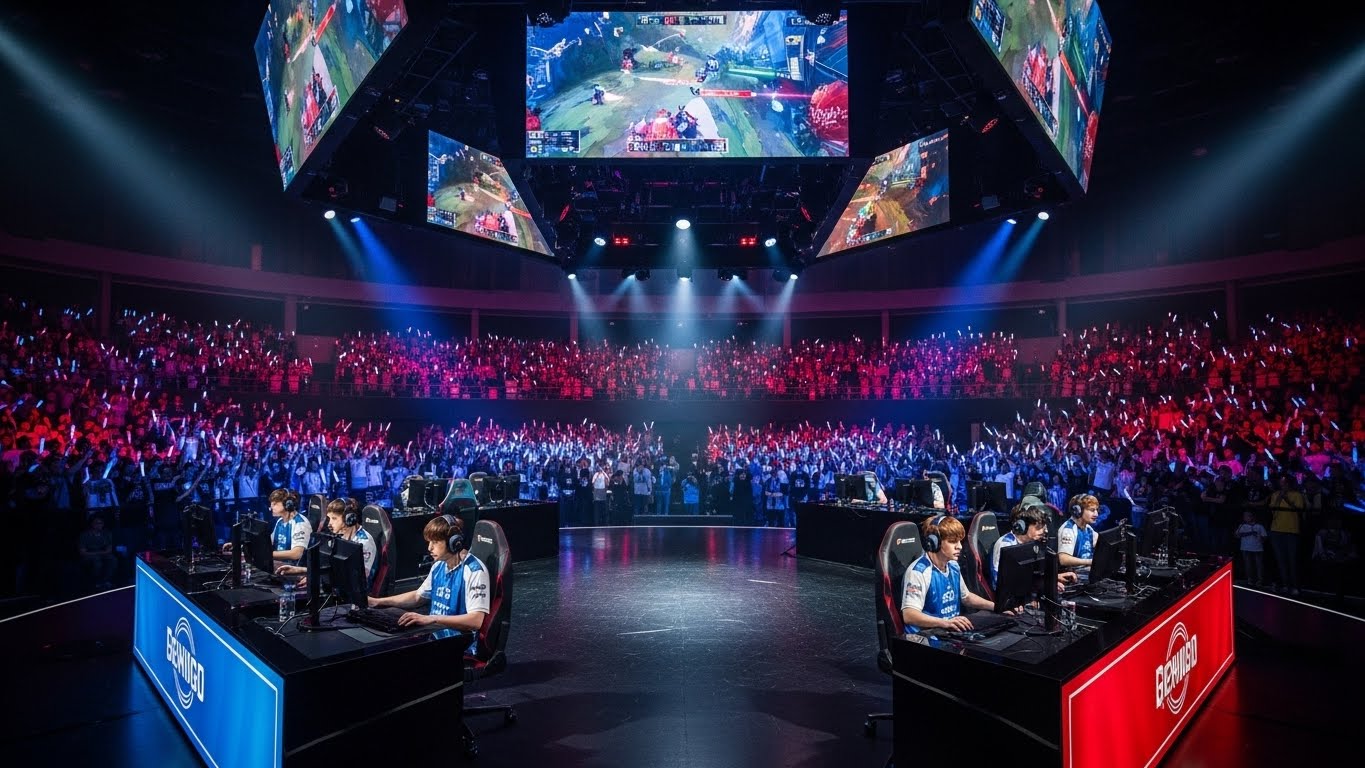
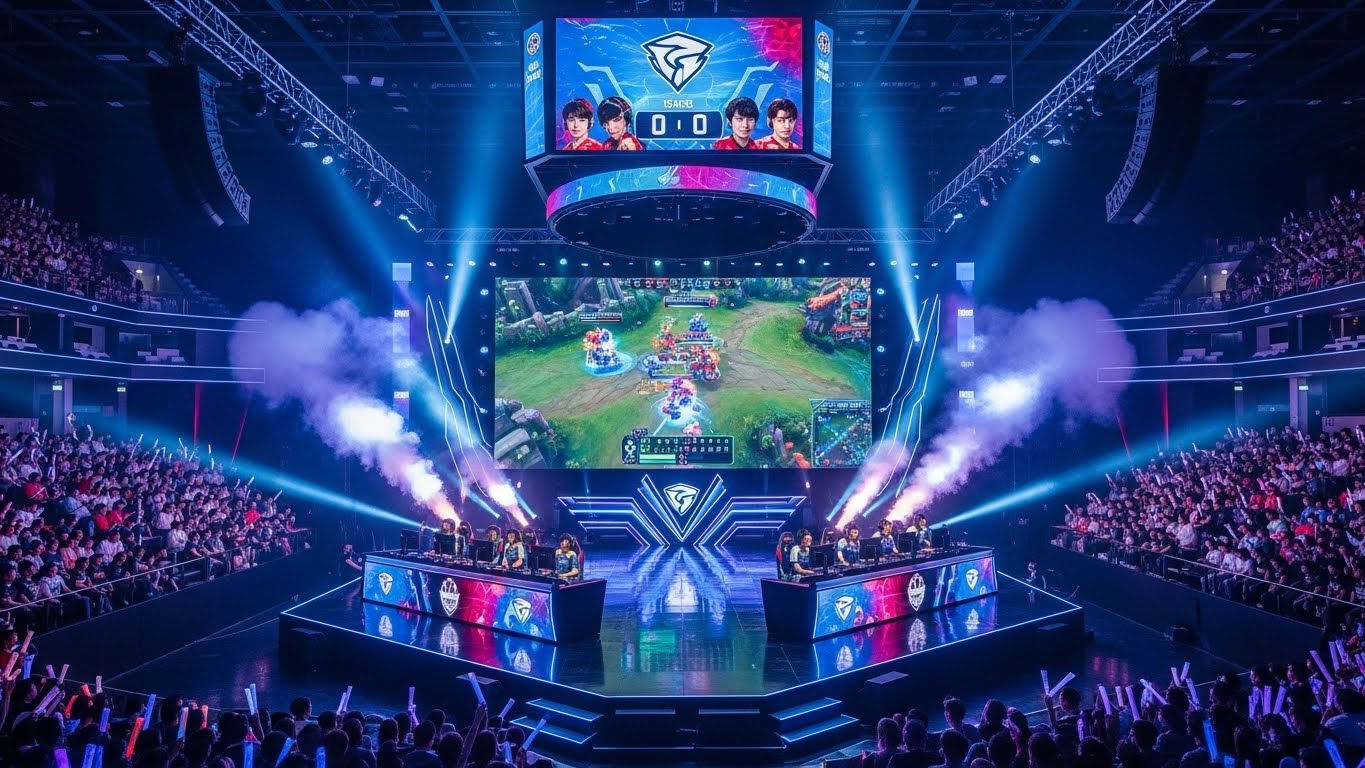
Esports, or competitive gaming, has grown from a niche hobby into a global phenomenon. What once began as casual video game competitions has now become a professional arena where players compete for fame, recognition, and substantial prize money. With millions of fans worldwide, esports is redefining what it means to be a “sport” in the digital age.
The Professional Landscape
Esports offers professional opportunities for talented gamers. Players join teams, participate in tournaments, and compete at local, national, and international levels. Many esports athletes undergo rigorous training schedules similar to traditional sports, focusing on strategy, teamwork, and physical and mental conditioning. The professionalism of esports has elevated competitive gaming to a respected and lucrative career path.
Popular Esports Games
Esports encompasses a wide range of genres and games. Multiplayer online battle arenas (MOBAs), first-person shooters (FPS), real-time strategy (RTS), and sports simulations dominate the scene. Games like League of Legends, Dota 2, Counter-Strike, and FIFA have massive global followings, drawing millions of viewers for tournaments and live streams. Each game requires unique skills, teamwork, and strategy, making esports a diverse and dynamic field.
The Social and Cultural Impact
Esports has created vibrant communities where players and fans interact, share experiences, and celebrate achievements. Streaming platforms allow audiences to watch live competitions, learn strategies, and connect with their favorite players. Esports tournaments bring people together, building a sense of camaraderie and shared excitement. Culturally, esports has blurred the lines between traditional sports, digital entertainment, and social media.
Cognitive and Skill Benefits
Competitive gaming develops more than just hand-eye coordination. Esports players cultivate critical thinking, strategic planning, quick decision-making, and effective communication. The intensity of competitive play also enhances focus, resilience, and stress management. For many, esports is a way to sharpen cognitive skills while enjoying the thrill of competition.
The Business of Esports
The esports industry is a multi-billion-dollar ecosystem. Sponsorships, advertising, merchandise, and tournament revenues drive significant economic growth. Gaming organizations invest in teams, training facilities, and marketing campaigns to expand their reach. With professional leagues and large-scale events, esports has become a major contributor to the global entertainment economy.
Challenges in Esports
Despite its growth, esports faces challenges. Mental and physical strain, excessive screen time, and balancing professional commitments are common concerns for players. Additionally, issues like cheating, toxicity in gaming communities, and maintaining fair competition require constant attention. Addressing these challenges is crucial for ensuring esports remains sustainable and rewarding.
The Future of Esports
The future of esports is bright and expansive. With advancements in virtual reality, augmented reality, and AI, competitions are becoming increasingly immersive and interactive. Esports is likely to gain even wider acceptance as a mainstream form of entertainment and sport, attracting new audiences and fostering global talent. Its potential to innovate, inspire, and connect people is limitless.
Conclusion
Esports is more than just playing video games; it is a professional, cultural, and social phenomenon. It combines strategy, skill, teamwork, and entertainment to create a unique competitive experience. As esports continues to grow, it will reshape the landscape of sports, offering opportunities for players, fans, and industries worldwide. The evolution of esports marks a new era where digital competition stands proudly alongside traditional sports.