





Introduction
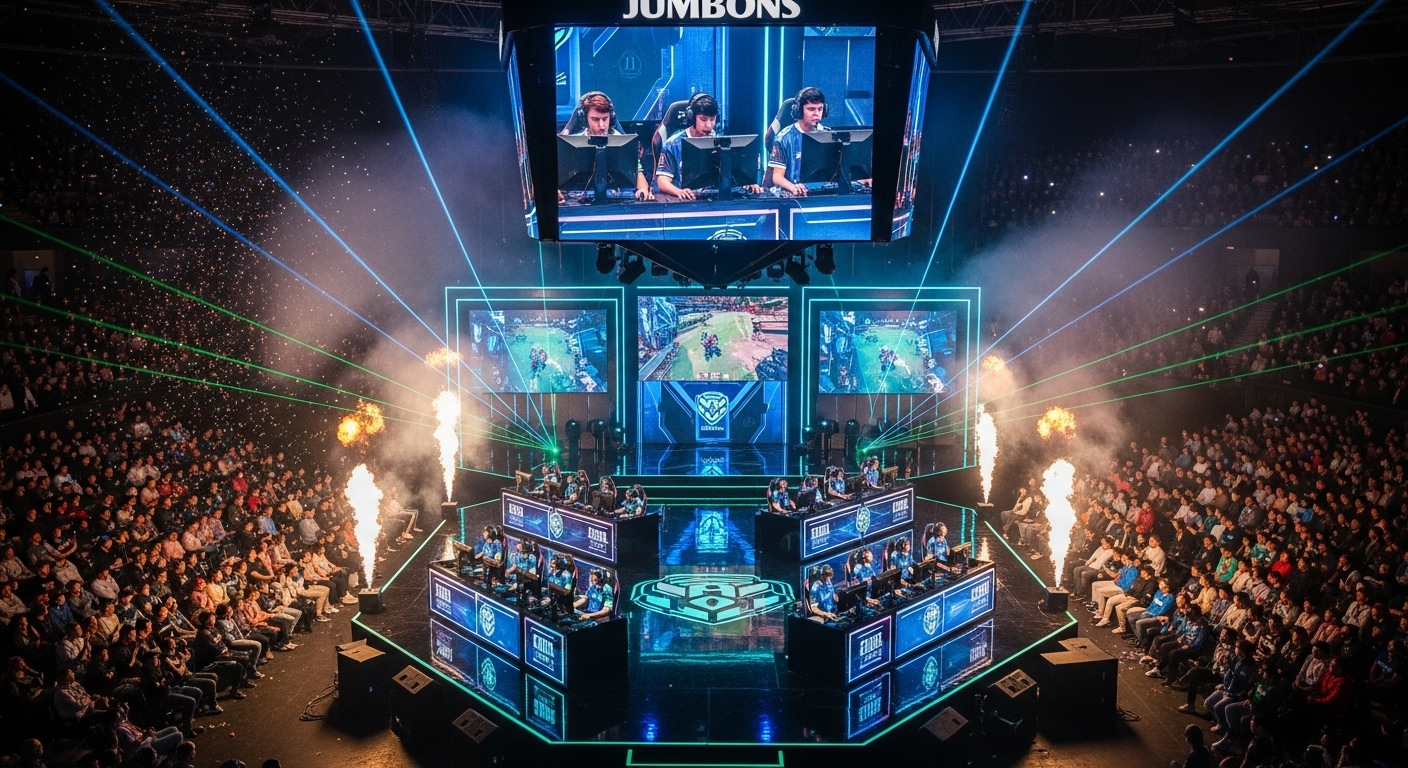
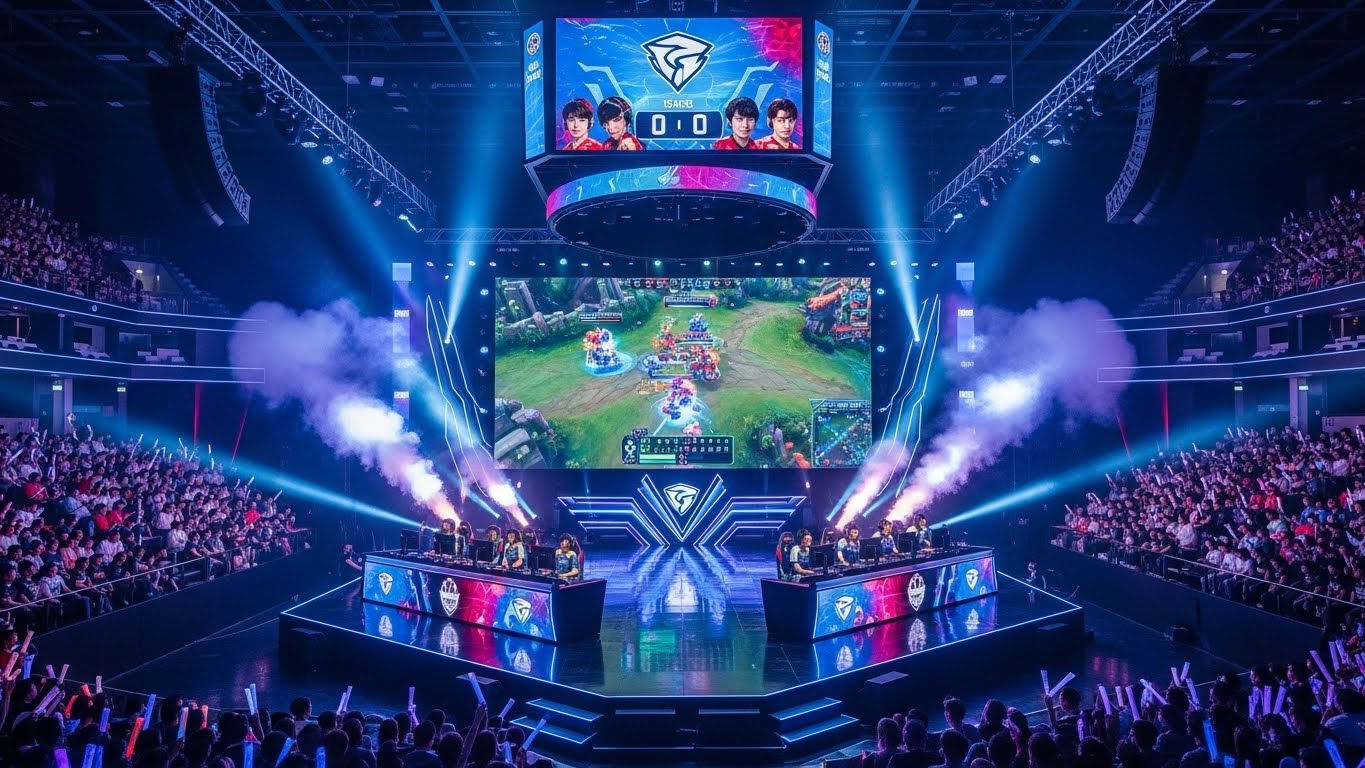
Esports, short for electronic sports, has rapidly transformed from casual gaming into a global competitive phenomenon. With professional players, international tournaments, and millions of fans worldwide, esports has carved its place alongside traditional sports. More than just entertainment, it showcases strategy, skill, and teamwork at the highest level.
The Rise of Esports
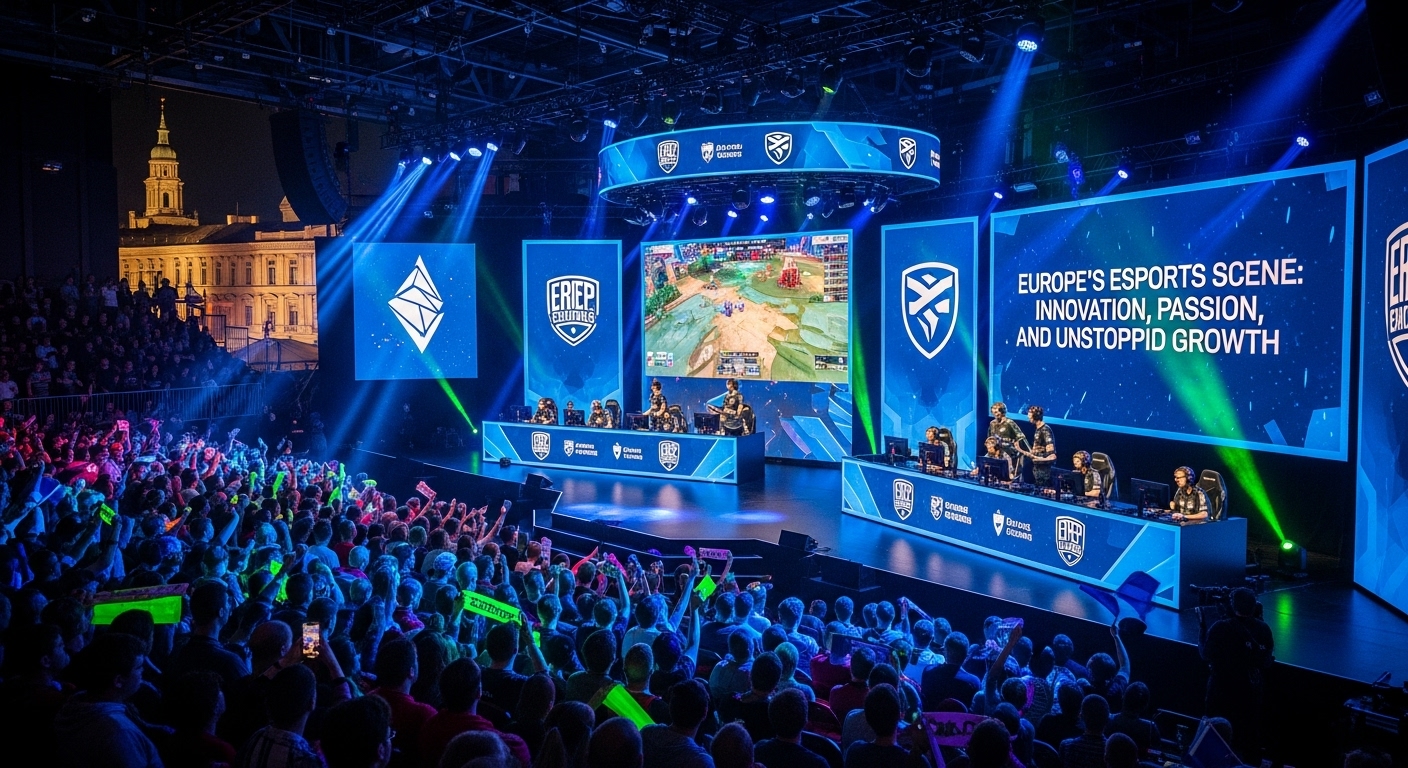
Esports started as small, community-driven competitions among friends and local gamers. With the growth of online platforms and live streaming, these events gained massive attention, turning hobbyists into professional competitors. Today, esports tournaments are hosted in stadiums and broadcast to millions, attracting sponsorships, media coverage, and even university programs dedicated to competitive gaming.
Professionalism in Esports
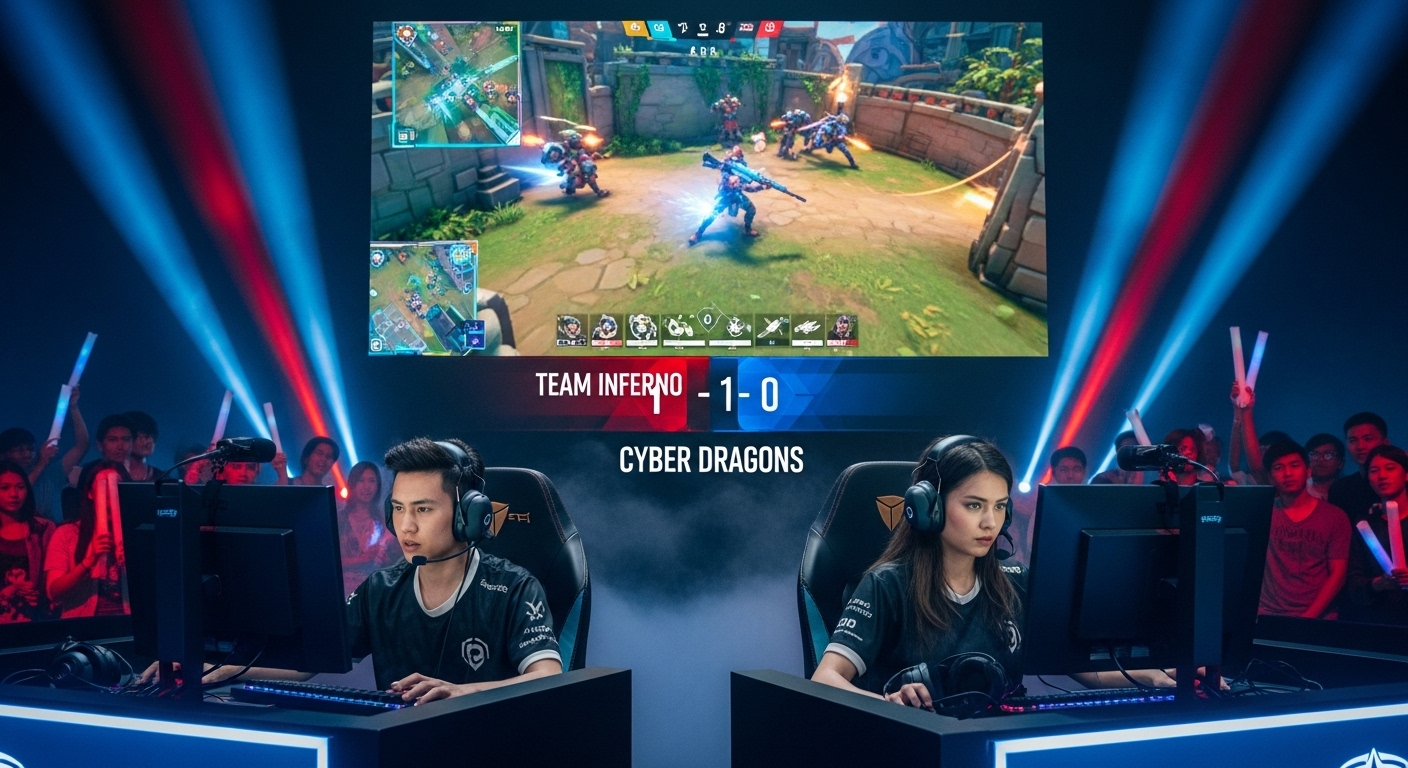
Modern esports mirrors traditional sports in terms of professionalism. Players undergo rigorous training routines, develop strategies with coaches, and compete in organized leagues. Teams invest in facilities, nutrition, and mental wellness programs to ensure peak performance. This level of dedication has elevated esports to a viable career path for talented individuals across the globe.
Technology Driving the Industry
Advancements in technology are at the heart of esports’ growth. High-speed internet, advanced gaming hardware, and realistic graphics have transformed gameplay and viewing experiences. Live streaming platforms allow fans to watch matches in real time, while innovations in virtual and augmented reality promise even more immersive competitions in the future.
Social and Cultural Impact
Esports is more than a game—it is a social and cultural movement. Online tournaments and gaming communities connect people worldwide, creating friendships and shared experiences. Esports promotes teamwork, strategic thinking, and communication skills while inspiring younger generations to pursue goals through digital competition.
Economic Growth of Esports
The esports industry has become a major economic driver, generating revenue through sponsorships, advertising, merchandise, and ticket sales. Job opportunities have expanded beyond players to include coaches, analysts, event managers, and broadcasters. Universities now offer scholarships for esports athletes, highlighting its legitimacy as a competitive field.
Challenges in Esports
Despite its popularity, esports faces challenges such as player burnout, online toxicity, and the need for fair play. Ensuring responsible gaming, mental wellness, and ethical competition is critical for the sustainability of the industry. Developers and organizers continue to implement systems that promote fairness, safety, and inclusivity.
The Future of Esports
The future of esports is bright, with continued technological advancements and growing global interest. Virtual reality, 5G connectivity, and AI-driven analytics will create new ways to play, watch, and interact. Esports will continue to bridge the gap between digital entertainment and traditional sports, shaping the future of competitive gaming for years to come.
Conclusion
Esports has redefined what it means to compete in the digital age. It combines strategy, skill, teamwork, and innovation, creating a new arena for global competition. As the industry grows, esports will continue to inspire players and fans alike, proving that competitive spirit thrives beyond traditional sports fields and into the digital world.