




Introduction: The Rise of Esports
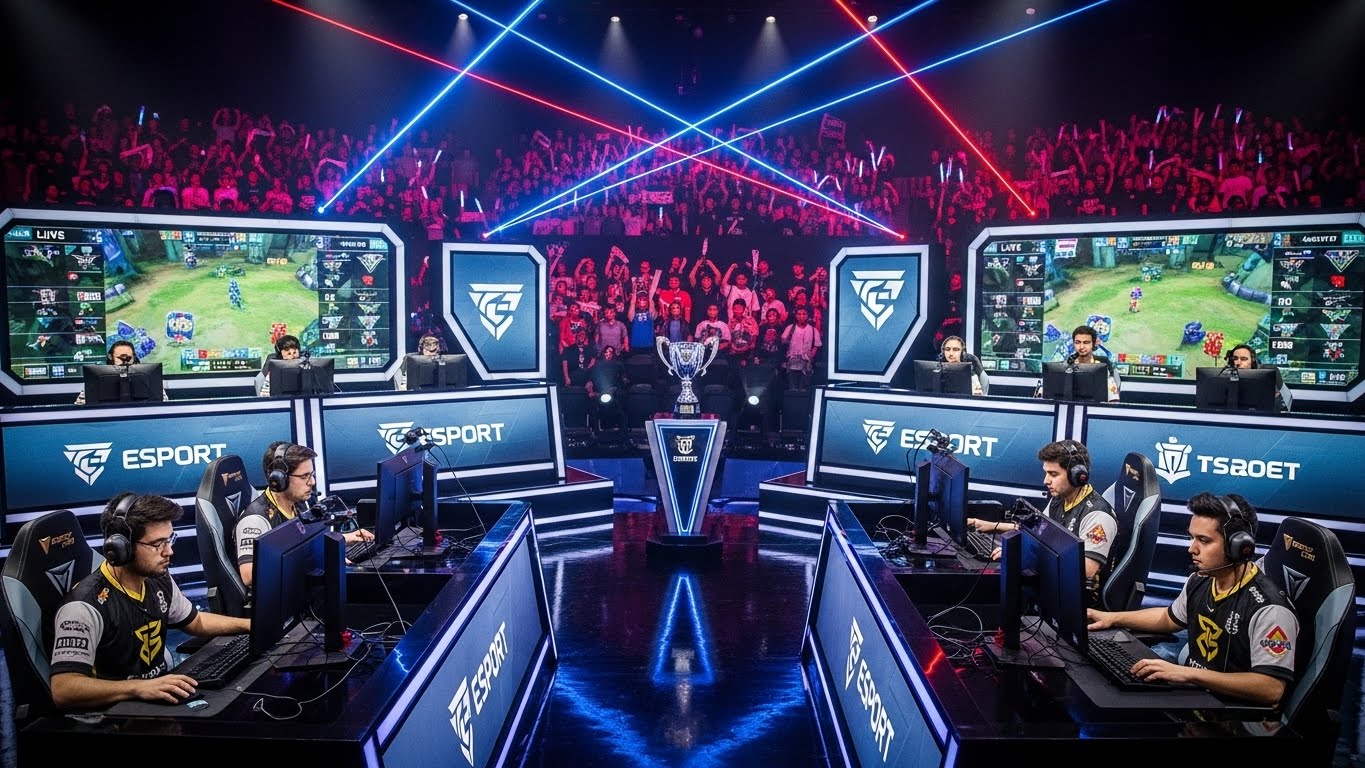
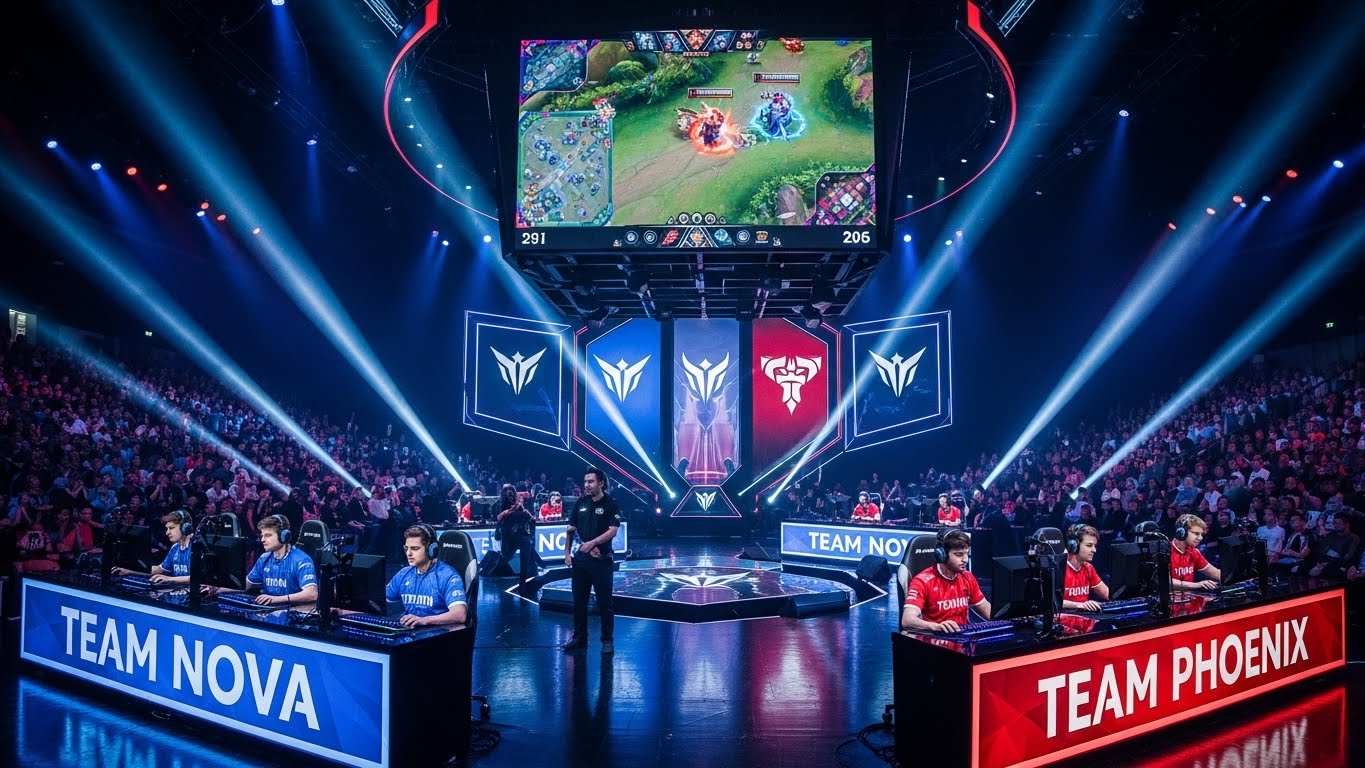
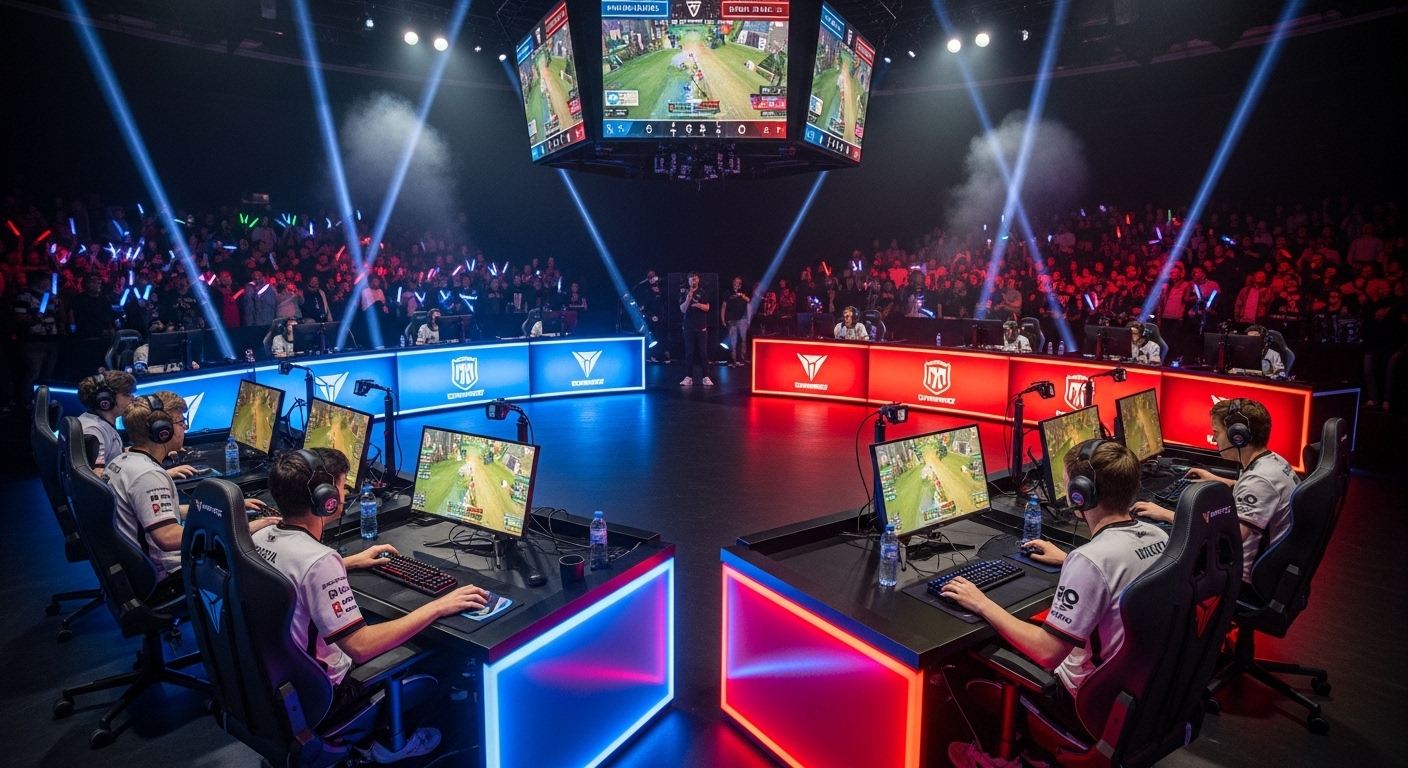
Esports, short for electronic sports, has grown from a niche hobby into a global phenomenon in less than two decades. Once viewed as casual gaming, competitive video gaming now attracts millions of viewers worldwide and offers professional careers for skilled players. Esports is no longer confined to bedrooms or internet cafes—it has become a mainstream form of entertainment, drawing sponsorships, media attention, and large audiences comparable to traditional sports. The rise of esports reflects how technology, connectivity, and digital culture are reshaping competition, entertainment, and social interaction.
The Origins of Esports
The origins of esports can be traced back to the 1970s and 1980s with arcade competitions and early video game tournaments. Events like Space Invaders competitions in the United States drew players together to showcase their skills. With the rise of home consoles and PCs in the 1990s, gaming competitions moved online, allowing players to compete across distances and creating the first sense of global digital competition.
The 2000s marked the emergence of professional leagues and international tournaments. Games such as StarCraft, Counter-Strike, and Warcraft became the foundation of competitive gaming communities. By the late 2000s, streaming platforms allowed players to broadcast matches live, connecting fans around the world and establishing esports as both a competitive and entertainment-driven phenomenon.
Popular Esports Genres
Esports encompasses a wide variety of game genres, each with its own competitive appeal:
First-Person Shooters (FPS): Games like Call of Duty, Counter-Strike, and Valorant require precision, speed, and tactical coordination. FPS games are fast-paced, demanding both mechanical skill and strategic planning.
Multiplayer Online Battle Arenas (MOBA): League of Legends and Dota 2 are popular examples. These games emphasize teamwork, strategy, and decision-making, with players controlling characters and working together to achieve objectives.
Real-Time Strategy (RTS): StarCraft and Age of Empires challenge players to manage resources, plan strategies, and anticipate opponents’ moves. RTS games reward tactical thinking and long-term planning.
Fighting Games: Street Fighter, Super Smash Bros., and Tekken test reflexes, timing, and prediction. These one-on-one games highlight skill and execution in high-pressure scenarios.
Sports Simulations: FIFA, NBA 2K, and Madden NFL allow players to recreate real-world sports digitally, attracting traditional sports fans into esports competition.
Battle Royale Games: Fortnite and PUBG combine survival, strategy, and quick decision-making, appealing to a broad audience with high-intensity gameplay.
The diversity of genres contributes to esports’ global appeal, providing players and fans with countless ways to engage and compete.
The Professionalization of Esports
Professional esports athletes train rigorously, much like traditional sports players. Many practice for eight to twelve hours daily, studying game mechanics, strategies, and opponents’ behaviors. Mental focus, quick decision-making, and hand-eye coordination are essential skills.
Teams employ coaches, analysts, and support staff to optimize player performance. Athletes also maintain physical fitness routines to improve reflexes, endurance, and overall well-being. Competitive esports is no longer just about raw skill—it requires preparation, strategy, and discipline.
Esports Teams and Organizations
Teams and organizations play a critical role in esports development. Esports organizations provide structure, training facilities, and career opportunities for players. Teams often operate like professional sports clubs, offering sponsorships, branding opportunities, and coaching support.
Teams participate in domestic and international leagues, cultivating fan bases and brand loyalty. Esports organizations also focus on marketing, media presence, and community engagement. This level of organization has elevated esports’ credibility and attracted investments from global brands, further fueling its growth.
Technology Driving Esports
Technology is the backbone of esports. High-speed internet, gaming PCs, consoles, and peripherals enable smooth, competitive gameplay. Streaming platforms allow millions of viewers to watch live tournaments, engage with content, and interact with players in real time.
Advanced analytics and data-driven tools help teams study opponents, optimize strategies, and track performance. Virtual reality and augmented reality are beginning to influence training and viewing experiences, making esports more immersive. Technology ensures that esports continues to evolve, enhancing both player performance and audience engagement.
Esports as a Spectator Sport
Esports has transformed from a participatory hobby into a spectator phenomenon. Millions of fans worldwide watch live streams, online tournaments, and highlights daily. Professional commentary, live statistics, and immersive production create an experience comparable to traditional sports broadcasting.
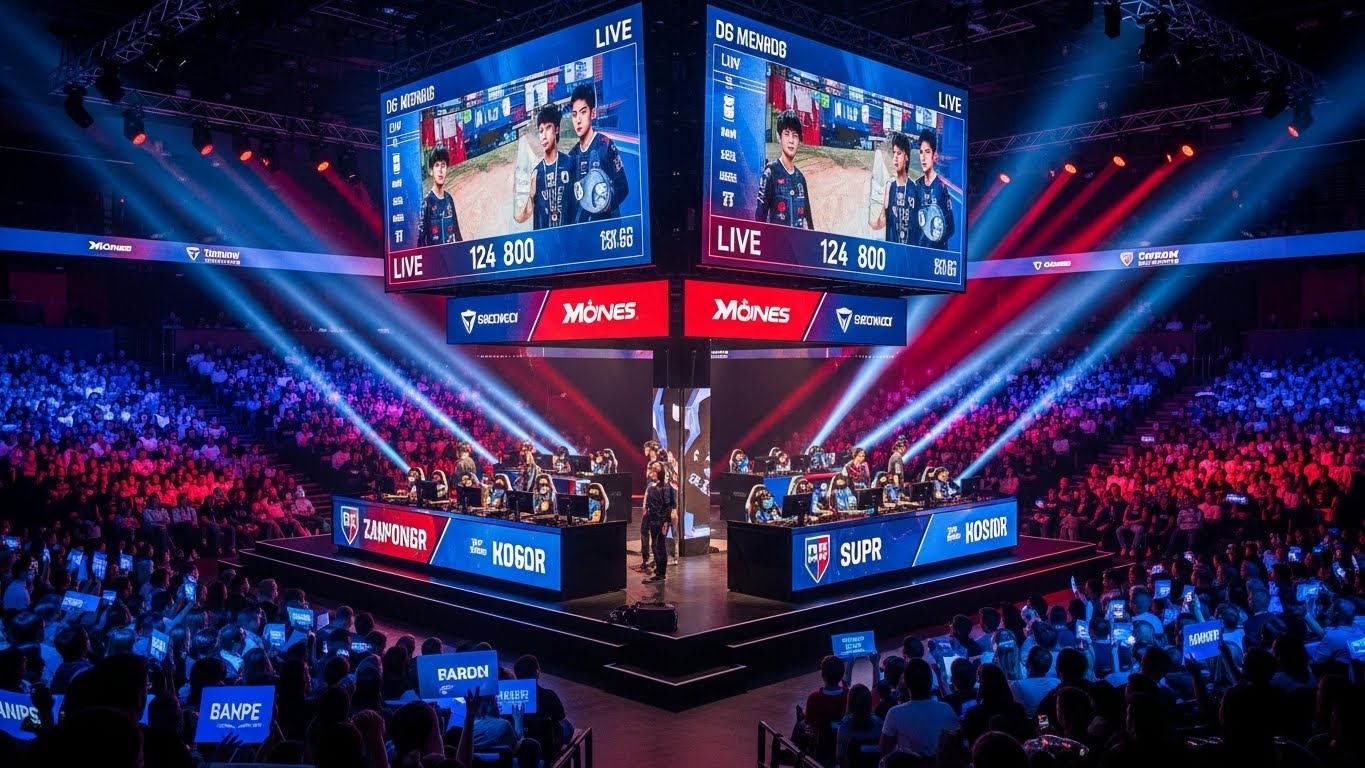
Live events attract thousands of attendees to arenas and stadiums. Fans interact with players, chat online, and participate in virtual communities. Esports viewers are highly engaged, forming global networks of fans united by their favorite games, teams, and players.
The Economic Impact of Esports
The economic impact of esports is substantial. Revenue comes from tournament prize pools, sponsorships, merchandise, media rights, and ticket sales. Major events attract international sponsors, creating multi-million-dollar investments.
Esports also generates employment beyond players, including coaches, analysts, commentators, content creators, event organizers, and marketing professionals. Hosting esports tournaments boosts local economies through tourism, media exposure, and infrastructure development. Esports is now recognized as a significant industry, contributing to both economic growth and innovation.
Social and Cultural Influence
Esports has a broad social and cultural impact. It fosters global communities, connecting people across countries, cultures, and languages. Players and teams serve as role models, inspiring fans through skill, dedication, and professionalism.
Esports also intersects with mainstream culture, influencing fashion, music, and lifestyle trends. It encourages teamwork, strategic thinking, and discipline among participants. Furthermore, esports provides platforms for discussing social issues such as mental health, diversity, and inclusion, demonstrating its influence beyond entertainment.
Mental and Cognitive Benefits
Competitive gaming requires more than reflexes; it demands strategy, critical thinking, and adaptability. Players analyze opponents, respond to evolving scenarios, and make rapid decisions under pressure. These cognitive challenges enhance problem-solving skills, focus, multitasking, and memory.
Esports also builds mental resilience. Players learn to manage stress, handle defeat, and maintain motivation through setbacks. Team-based games cultivate communication, leadership, and emotional intelligence. The combination of cognitive and social benefits makes esports a unique platform for skill development.
Education and Career Opportunities in Esports
Esports has entered the educational realm with scholarships, training programs, and academic courses. Universities now offer programs in esports management, game design, digital marketing, and competitive training. These initiatives prepare students for professional careers in esports and related industries.
Structured training environments teach professionalism, teamwork, and media literacy. As esports continues to grow, educational programs play a key role in nurturing talent, promoting ethical practices, and developing future leaders in the industry.
Challenges Facing Esports
Despite its rapid growth, esports faces several challenges. Player burnout is a significant issue due to long hours of practice and high-pressure competition. Online toxicity, cheating, and match-fixing threaten integrity and community engagement.
Regulation and governance remain inconsistent across games and regions. Establishing standardized rules, health guidelines, and ethical practices is essential for ensuring long-term sustainability. Addressing these challenges is critical to maintaining esports’ credibility and supporting player welfare.
The Future of Esports
The future of esports promises continued growth and innovation. Emerging technologies like cloud gaming, virtual reality, and artificial intelligence will create new competitive formats and immersive experiences. Mobile esports will expand accessibility, allowing more players to participate worldwide.
Esports is also likely to integrate further with traditional sports and entertainment, creating hybrid experiences and cross-industry collaborations. Sustainability, inclusivity, and mental health awareness will become increasingly important as the industry matures. Esports is poised to become a mainstream form of global entertainment with long-term cultural significance.
Conclusion: Esports as a Global Phenomenon
Esports is much more than playing video games—it is a cultural, social, and economic movement. It combines skill, strategy, and dedication with entertainment and community engagement. Professional players, teams, and organizations have created a structured, competitive environment that rivals traditional sports.
Esports empowers players and fans alike, offering opportunities for personal growth, cognitive development, and global connection. It redefines competition in the digital age, providing a platform where talent, perseverance, and creativity are celebrated. As technology continues to evolve and audiences expand, esports is set to remain a dominant force in entertainment, culture, and professional sports for years to come.