




Introduction
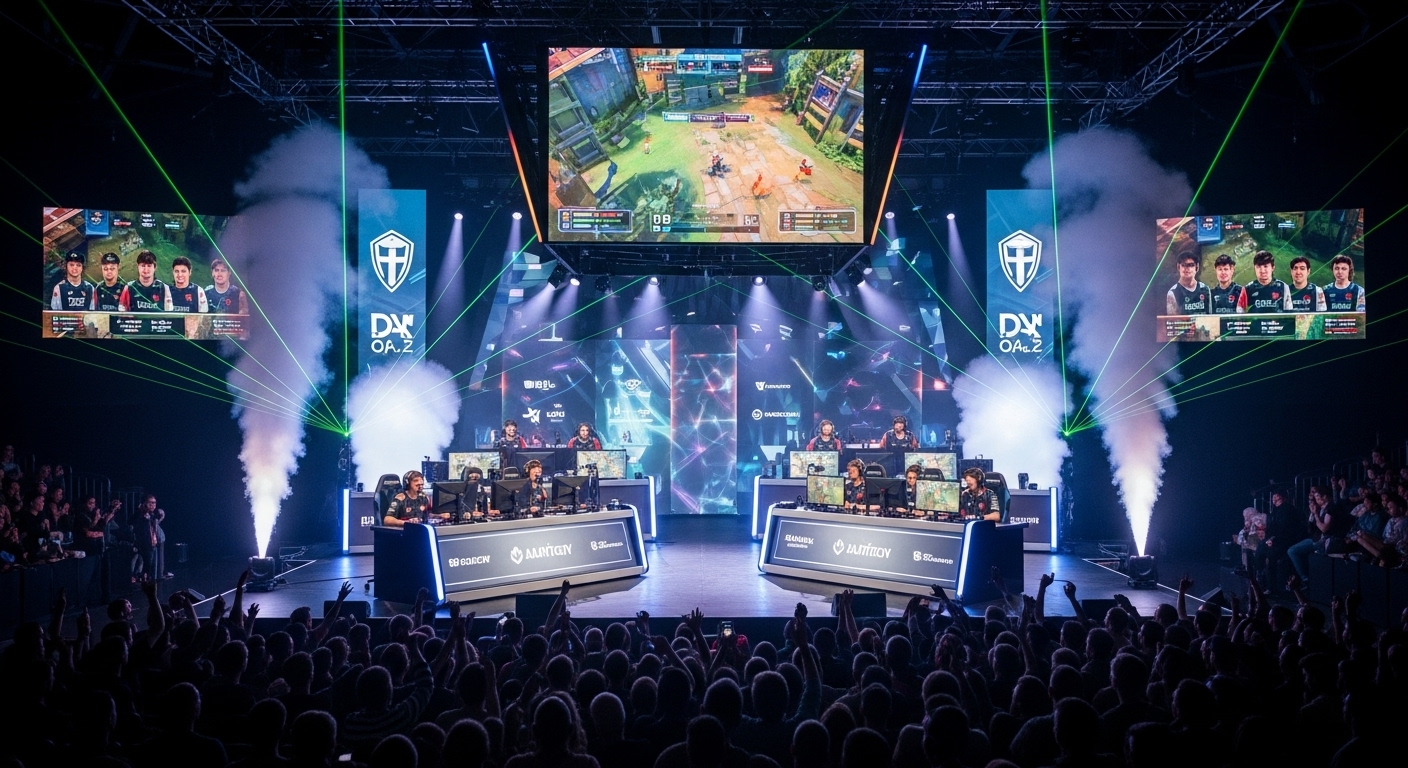
In the last decade, the world of competitive gaming, popularly known as esports, has shifted from a niche hobby to a global phenomenon. What was once considered a pastime for teenagers in their bedrooms has now evolved into a billion-dollar industry with professional players, massive tournaments, and dedicated fan bases. The rise of esports reflects the changing landscape of entertainment, technology, and sports culture, redefining what it means to be an athlete in the digital age.
The Origins of Esports
Esports may seem like a modern trend, but its roots trace back to the 1970s and 1980s when arcade gaming became popular. Early competitions were simple, often limited to local arcades or college campuses. Games such as “Space Invaders” and “Pac-Man” inspired small-scale competitions that celebrated high scores. The real turning point came with the advent of personal computers and multiplayer online games in the 1990s. Titles like “Counter-Strike” and “StarCraft” laid the foundation for organized competitive gaming. Online connectivity allowed players to compete across continents, and competitive gaming slowly began to take shape as an organized sport.
The Growth of Esports as a Global Phenomenon
The 2000s and 2010s marked the period when esports became a legitimate industry. Tournaments with prize pools in the tens of thousands, and later hundreds of thousands, began to emerge. South Korea played a pivotal role in establishing esports as a serious profession. The country’s strong gaming culture, combined with high-speed internet accessibility, turned games like “League of Legends” and “StarCraft II” into televised events with millions of viewers. Today, esports events rival traditional sports in terms of audience engagement. Major tournaments such as the League of Legends World Championship or The International for Dota 2 attract millions of viewers worldwide, both online and in packed stadiums.
Esports and the Professional Player
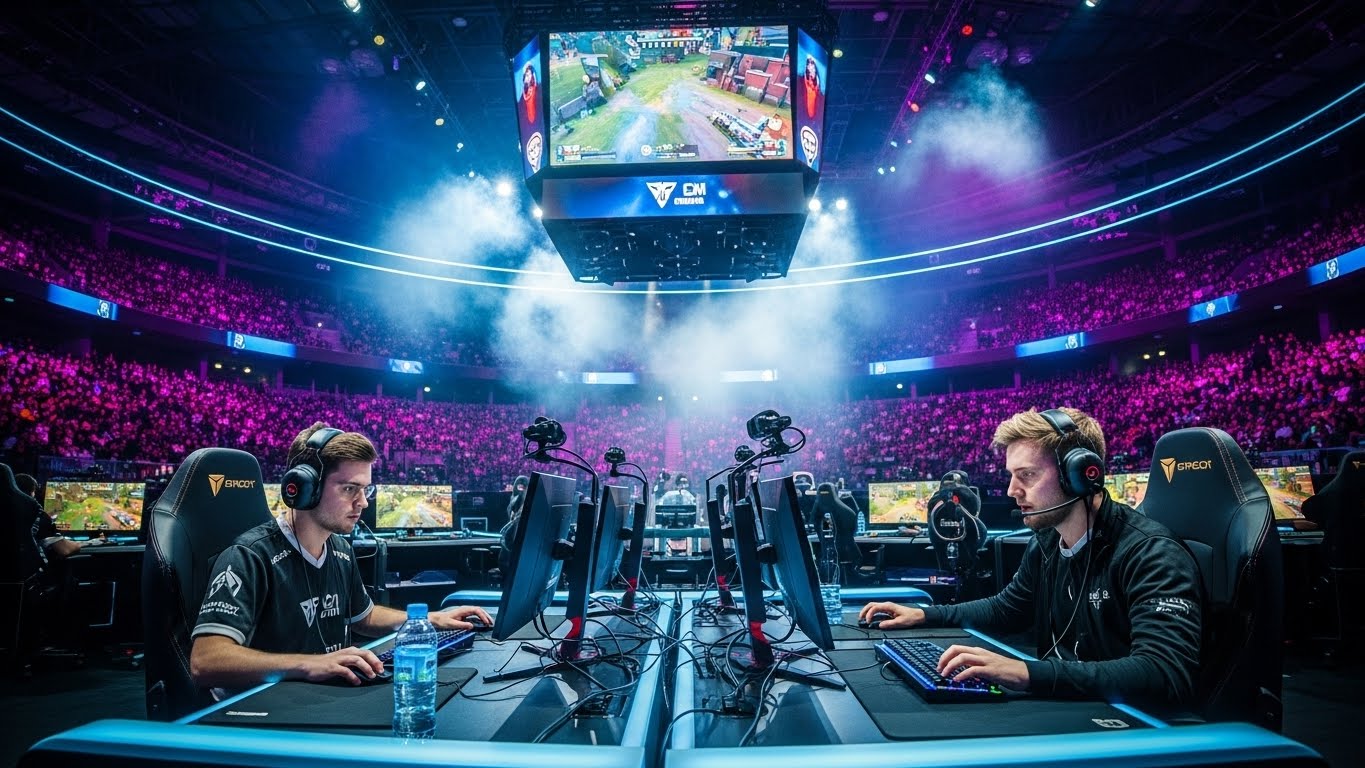
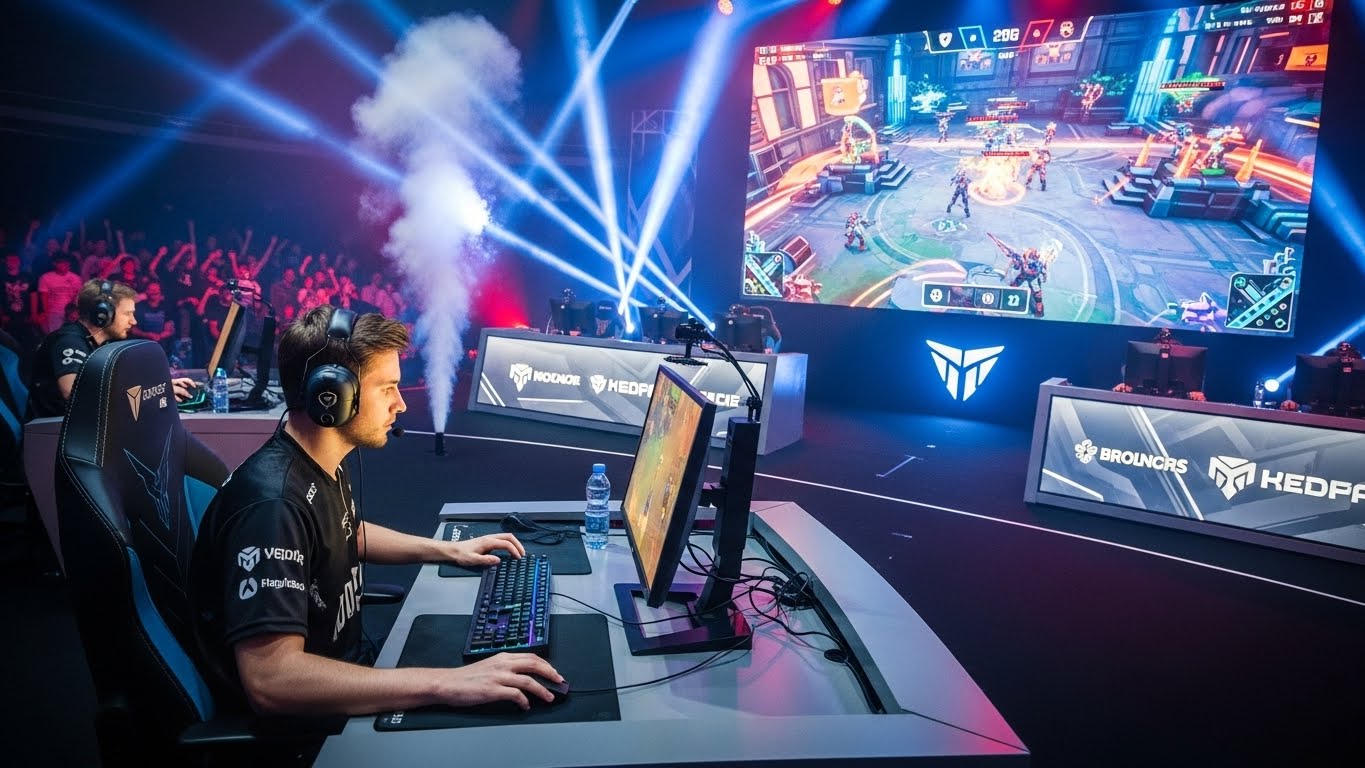
Esports athletes are no longer casual gamers. They undergo rigorous training, often practicing for eight to twelve hours a day to perfect strategies, coordination, and reflexes. Like traditional sports athletes, they rely on coaches, analysts, nutritionists, and psychologists to optimize performance. The professional esports player embodies the convergence of skill, strategy, and mental resilience. Teams compete in leagues and tournaments across the globe, with sponsorships, merchandise, and streaming income supplementing their earnings. The rise of professional players has also led to the creation of esports organizations, mirroring the structure of traditional sports franchises.
The Impact of Streaming and Social Media
One of the major drivers behind the esports boom is streaming platforms. Services that allow gamers to broadcast their gameplay to live audiences have transformed esports into a spectator sport accessible to millions worldwide. Platforms like Twitch, YouTube Gaming, and regional equivalents have created new career opportunities for both professional players and content creators. Social media amplifies the visibility of tournaments and players, creating global communities united by a shared passion for gaming. The interactive nature of these platforms allows fans to engage directly with their favorite players, turning spectatorship into an immersive, participatory experience.
Economic Impact and Industry Growth
The financial impact of esports cannot be overstated. The industry has grown to encompass tournaments, sponsorships, merchandise, streaming, media rights, and more. Corporations outside the gaming world, including sports brands, technology companies, and beverage giants, now invest heavily in esports. Prize pools for major tournaments have reached staggering figures, sometimes exceeding thirty million dollars. In addition to financial growth, esports has created thousands of jobs ranging from game developers and event organizers to marketing specialists and commentators. The economic ecosystem surrounding esports is complex, reflecting its legitimacy as a modern entertainment industry.
The Cultural Significance of Esports
Esports has transcended gaming culture to influence mainstream entertainment. Movies, documentaries, and reality shows about professional gamers have emerged, reflecting society’s growing interest in this new form of competition. Esports also challenges traditional perceptions of sports and athletes, proving that skill, dedication, and strategy are not confined to physical arenas. Communities of fans connect over shared experiences, fostering global cultural exchange. In many ways, esports represents a new cultural paradigm where digital talent, creativity, and strategy are celebrated on an international scale.
Challenges Facing the Esports Industry
Despite its explosive growth, esports faces challenges. Player burnout is a significant concern due to long hours of practice and high-pressure competition. Regulatory oversight is still developing, with questions about contracts, player rights, and fair competition. Additionally, some critics argue that esports lacks the physical component of traditional sports, sparking debates about its legitimacy as an “athletic” pursuit. Balancing rapid growth with sustainability, player welfare, and industry regulation remains a central challenge for the future of esports.
The Role of Technology in Shaping Esports
Technology is the backbone of esports. High-speed internet, advanced graphics, virtual reality, and artificial intelligence have all enhanced the gaming experience. Innovations in hardware, such as high-performance PCs, gaming consoles, and peripherals, allow players to push the limits of skill and reaction time. Emerging technologies like augmented reality and AI-driven coaching tools promise to further revolutionize competitive gaming. The evolution of technology will continue to shape how esports is played, viewed, and experienced, making it a dynamic and rapidly changing industry.
Esports and Education
An interesting development is the integration of esports into education. Many universities now offer esports programs, scholarships, and research opportunities. These programs emphasize teamwork, strategy, communication, and problem-solving—skills that are transferable beyond gaming. Some high schools and colleges have even established esports clubs and competitive teams, reflecting society’s recognition of esports as a legitimate and skillful pursuit. This trend highlights the educational and developmental potential of competitive gaming.
The Future of Esports
The future of esports looks promising, with continuous expansion into new regions, demographics, and technologies. Mobile gaming has opened the doors for wider participation, particularly in regions where access to high-end gaming equipment is limited. Esports may increasingly intersect with traditional sports, entertainment, and media, creating hybrid events and experiences. As the industry matures, governance structures, player welfare initiatives, and professional standards are likely to become more robust. One thing is certain: esports is no longer a fleeting trend; it is a cultural and economic force shaping the way the world experiences competition, skill, and entertainment.
Conclusion
Esports represents more than just competitive gaming—it is a reflection of the digital age’s cultural, technological, and social evolution. From humble beginnings in arcades to stadium-filling tournaments broadcast worldwide, esports has grown into a professional, legitimate, and influential industry. It challenges traditional notions of sports, creates economic opportunities, fosters global communities, and highlights the extraordinary skill and dedication of its players. As technology advances and society continues to embrace digital experiences, esports will remain a driving force in entertainment, culture, and innovation, proving that the world of competition extends far beyond the screen.