





Introduction: The Essence of Sports
Sports are more than a form of entertainment or competition; they are a reflection of human spirit, resilience, and determination. Across all cultures and ages, sports bring people together, foster teamwork, and inspire individual excellence. They offer an arena where discipline meets passion, where physical skill combines with strategy, and where dedication transforms into achievement.
Whether played professionally, recreationally, or watched as a spectator, sports have a profound impact on communities, health, and society at large. They teach values, create social bonds, and influence culture, making them an essential aspect of human life.
The Historical Evolution of Sports
The history of sports stretches back thousands of years. Ancient civilizations used athletic competitions not only for entertainment but also for ritualistic and educational purposes. In ancient Greece, the Olympic Games celebrated physical prowess, honor, and communal pride. Similarly, traditional sports in regions like Africa, Asia, and South America were deeply connected to cultural identity and social cohesion.
As civilizations evolved, sports became more structured and organized. The invention of codified rules, leagues, and tournaments in the nineteenth and twentieth centuries brought sports into the mainstream. Modern sports such as football, basketball, and cricket developed professional frameworks, turning passion into careers and games into global spectacles. Today, sports blend tradition, innovation, and technology to create experiences that resonate across generations.
The Universal Appeal of Sports
The appeal of sports lies in their ability to entertain, challenge, and inspire. They provide an emotional rollercoaster for both players and spectators. A last-minute goal, a perfect serve, or a record-breaking sprint captures attention and evokes excitement, pride, and admiration.
Sports also offer personal benefits. Participation promotes physical fitness, mental resilience, and goal-setting skills. Spectating allows fans to engage emotionally and socially, fostering a sense of community and shared identity. Across cultures, sports are a common language, bringing people together regardless of background, age, or social status.
Physical and Mental Health Benefits
Engaging in sports provides significant physical and mental health advantages. Regular activity improves cardiovascular health, strength, flexibility, and coordination. It reduces the risk of chronic diseases such as obesity, diabetes, and heart conditions.
Sports also promote mental well-being. Physical activity releases endorphins, reduces stress, and improves mood. The competitive and strategic elements of sports enhance cognitive abilities, decision-making, and concentration. Players learn to manage pressure, cope with setbacks, and stay motivated—skills that extend to all areas of life.
Moreover, sports teach discipline, persistence, and time management. These qualities are crucial for academic, professional, and personal development. Through sports, individuals develop confidence, resilience, and self-esteem, fostering a positive outlook on life.
Team Sports and Collaboration
Team sports are a powerful platform for teaching collaboration and communication. Games like football, basketball, hockey, and volleyball require coordinated effort, strategic planning, and mutual support. Each player contributes unique skills, but success depends on collective performance.
Participation in team sports builds leadership, empathy, and conflict resolution skills. Players learn to navigate diverse personalities, manage differences, and motivate teammates. Team dynamics foster trust and camaraderie, creating lifelong friendships and social networks.
Team sports also cultivate emotional intelligence. Players must read situations, anticipate reactions, and respond effectively, building interpersonal skills that are valuable in professional and personal life.
Individual Sports and Personal Development
Individual sports, such as tennis, swimming, running, gymnastics, and martial arts, emphasize self-discipline, focus, and personal mastery. Athletes must rely on their abilities, maintain rigorous training routines, and cultivate mental resilience.
Individual competitions teach accountability and self-motivation. Athletes face their challenges head-on, learning to overcome obstacles without relying on others. Personal achievements in these sports foster self-confidence and a deep understanding of one’s potential.
The pursuit of excellence in individual sports encourages goal-setting, perseverance, and continuous improvement. Each success, whether minor or monumental, reinforces the values of dedication and determination.
Sports as a Cultural Connector
Sports have a unique ability to transcend cultural, linguistic, and geographic boundaries. International competitions, such as the Olympic Games or FIFA World Cup, unite nations and communities in celebration of skill, dedication, and sportsmanship. Fans experience pride and shared excitement regardless of background, fostering global unity.
Sports also reflect societal values and identity. Traditional games often carry historical significance, while modern sports become symbols of national pride. Sporting events provide opportunities for cultural exchange, promoting understanding and mutual respect among diverse populations.
Furthermore, sports influence fashion, music, language, and social behavior, integrating into everyday life and shaping cultural narratives. They are not only games but platforms for expression, storytelling, and collective experience.
Economic Impact of Sports
Sports contribute significantly to the global economy. Professional leagues, tournaments, and sporting events generate revenue through ticket sales, broadcasting, merchandising, sponsorships, and advertising. Stadiums, arenas, and sports facilities create employment and stimulate local businesses.
Tourism benefits from sports-related travel, as fans attend events and explore host cities. Major international tournaments attract global attention, boosting local economies and infrastructure development.
Athletes, coaches, and sports organizations also play a role in the economic ecosystem. Endorsements, partnerships, and media appearances contribute to economic growth, while grassroots programs create opportunities for youth development and community engagement.
The Role of Media in Sports
Media has revolutionized how sports are consumed and appreciated. Television, radio, newspapers, and digital platforms allow fans to follow games in real time, access analysis, and engage with athletes. Media coverage amplifies the excitement, provides context, and highlights the stories behind the scores.
Digital platforms and social media have transformed fans into active participants. They can share opinions, interact with players, and follow behind-the-scenes moments, deepening their engagement. Media also brings attention to emerging athletes, niche sports, and global competitions, expanding access and visibility for all forms of sports.
Challenges Facing Modern Sports
Despite their benefits, sports face several challenges. Doping, corruption, and unethical practices threaten integrity and fair competition. Ensuring transparency, proper governance, and adherence to rules is essential for maintaining credibility.
Athlete health is another concern. High-intensity training and competitive pressure can lead to injuries, burnout, and mental health challenges. Providing proper medical support, rest periods, and mental wellness resources is crucial for sustainable athletic performance.
Accessibility and inclusivity are ongoing challenges. Socioeconomic barriers, gender inequality, and limited resources can prevent participation. Efforts must focus on creating opportunities for all individuals to experience the benefits of sports, regardless of background or circumstance.
Technological Advancements in Sports
Technology is reshaping sports in training, performance, and fan engagement. Wearable devices, smart sensors, and performance analytics help athletes monitor fitness, optimize strategies, and reduce the risk of injury. Data-driven insights allow coaches and players to improve techniques and make informed decisions.
Virtual reality and augmented reality are enhancing fan experiences, providing immersive simulations and interactive viewing opportunities. Sports broadcasting now integrates real-time statistics, 3D visuals, and multiple camera angles, bringing fans closer to the action than ever before.
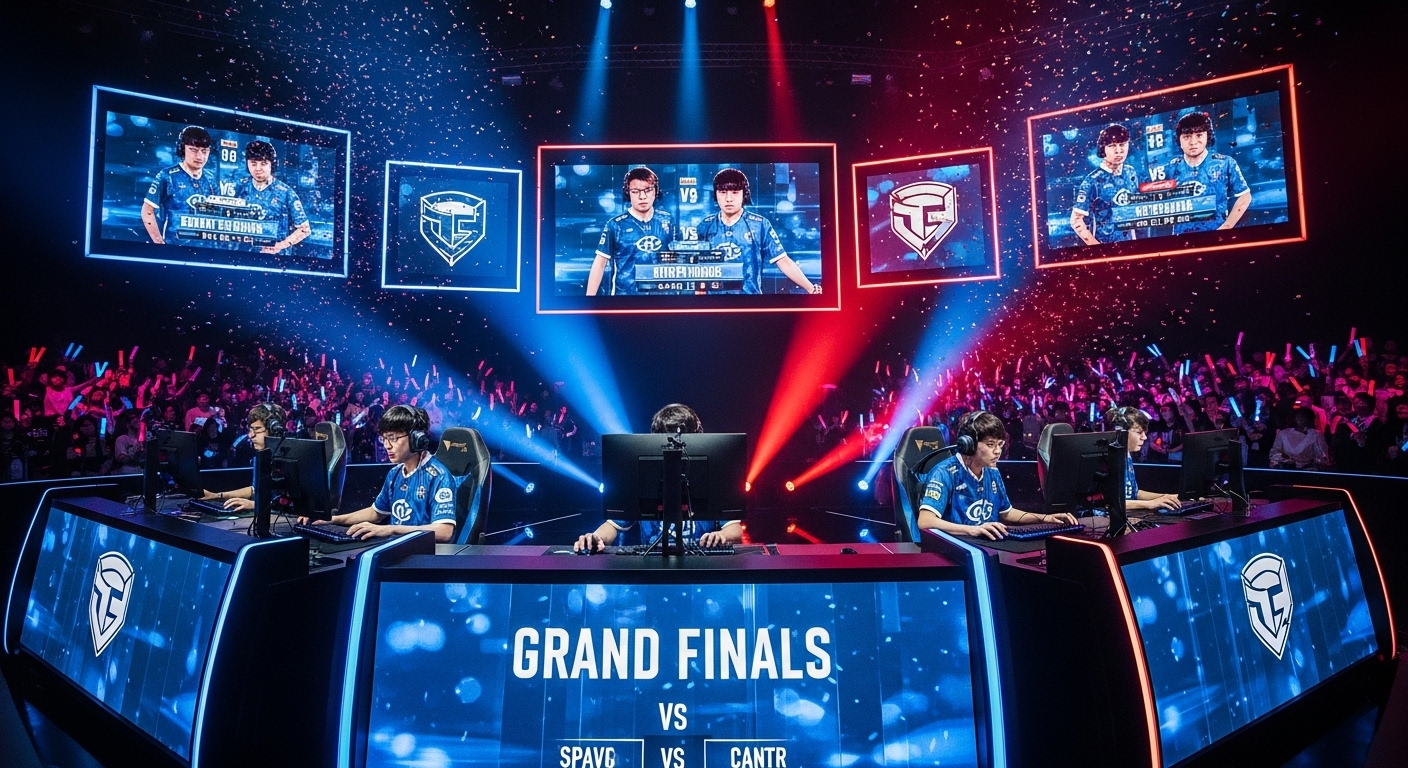
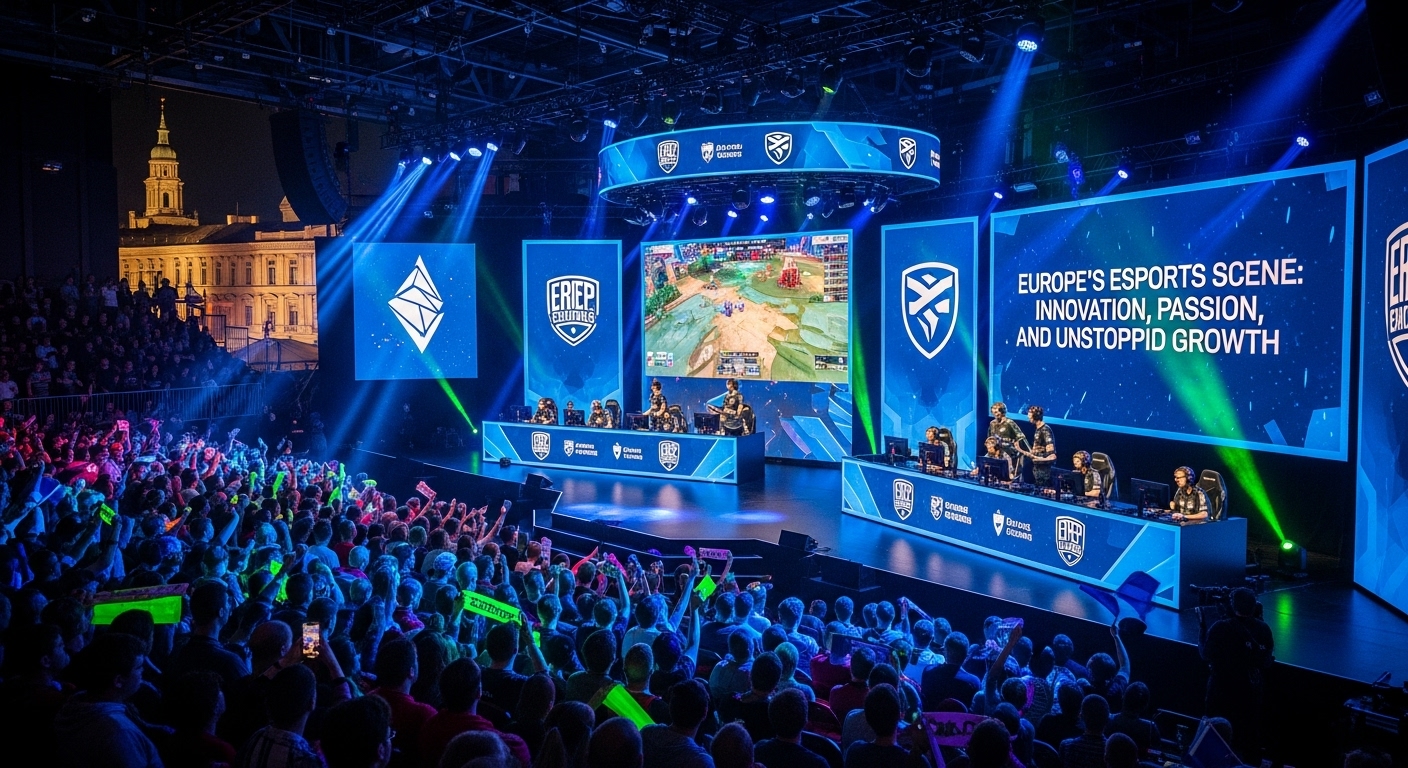
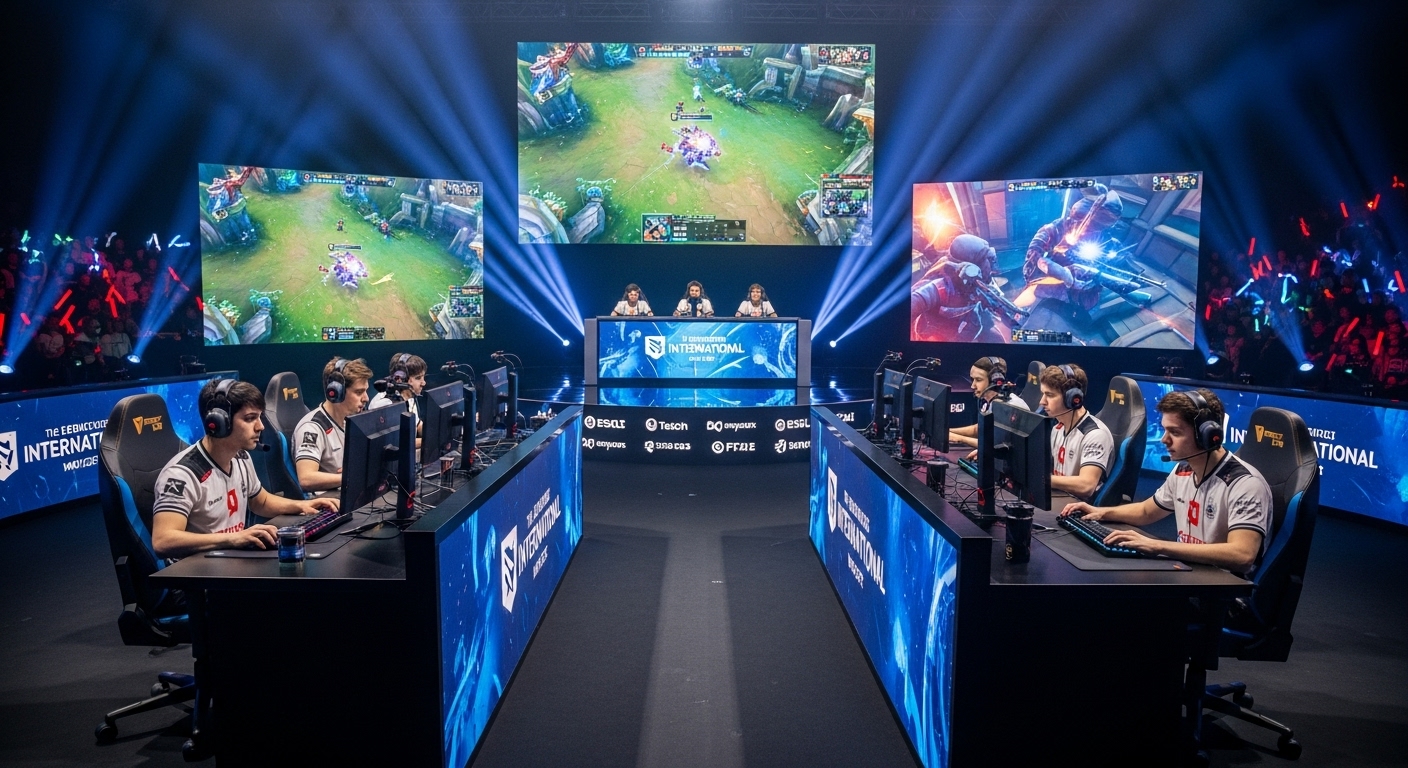
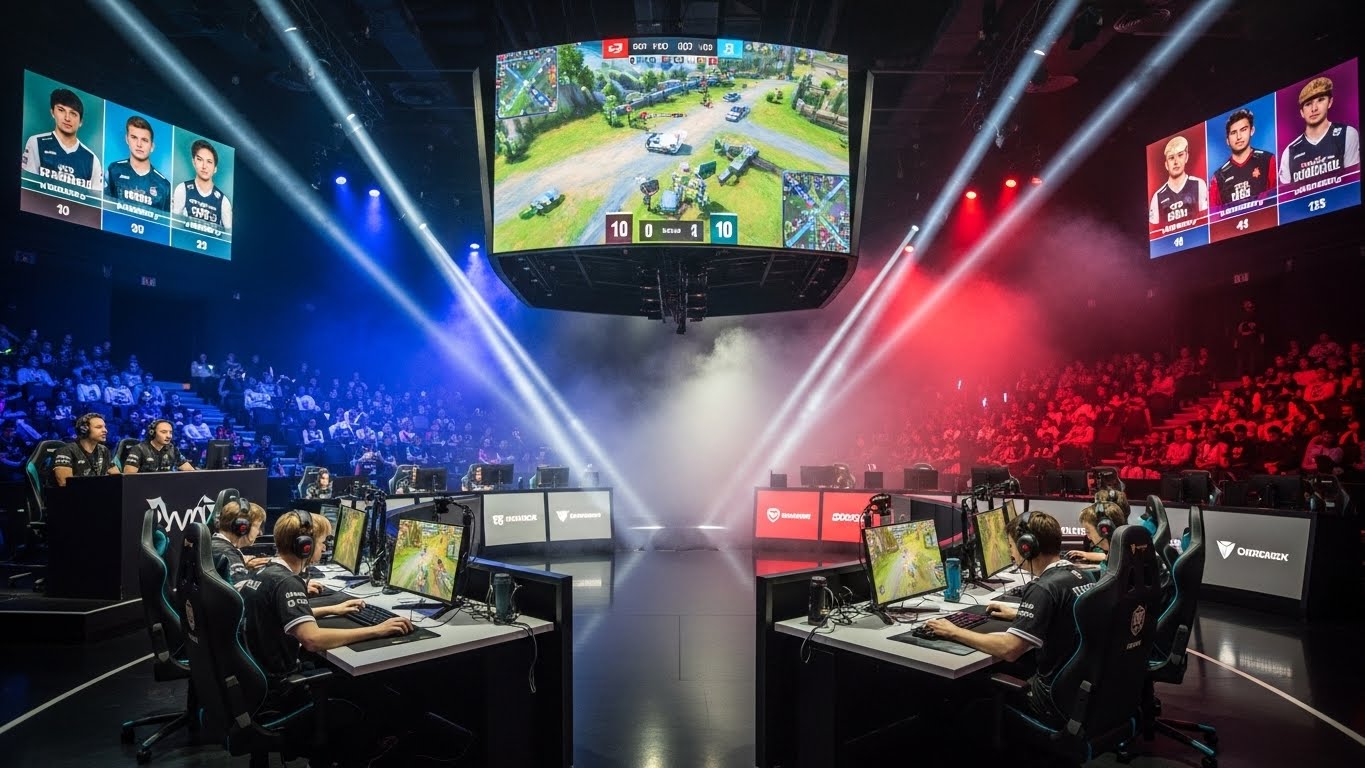
Emerging technologies also create new sporting formats, including esports and hybrid competitions that merge physical and digital experiences, expanding the definition and accessibility of sports worldwide.
The Future of Sports
The future of sports promises innovation, inclusivity, and sustainability. Emerging technologies will continue to enhance training, fan engagement, and performance analytics. Sports organizations are increasingly focused on social responsibility, environmental sustainability, and community development.
Youth participation will shape the next generation of athletes, coaches, and sports enthusiasts. Schools, community programs, and digital platforms will play key roles in nurturing talent, promoting healthy lifestyles, and inspiring lifelong involvement in sports.
Global collaboration will continue to elevate sports as a cultural connector. International competitions, shared values, and cross-cultural exchange will ensure that sports remain a universal language that transcends boundaries.
Conclusion
Sports are more than games; they are a reflection of human potential, values, and creativity. They foster physical fitness, mental resilience, teamwork, and personal growth. Sports unite communities, inspire generations, and influence global culture in meaningful ways.
From grassroots participation to professional leagues, sports shape lives, economies, and societies. They teach lessons that extend beyond the field, instilling discipline, perseverance, and respect.
As sports continue to evolve through technology, innovation, and cultural integration, their impact will only grow stronger. They remain a testament to the enduring human spirit, the pursuit of excellence, and the joy of shared experiences. Sports are not just about winning or losing—they are about shaping lives, building communities, and celebrating the limitless potential of humanity.