




Introduction
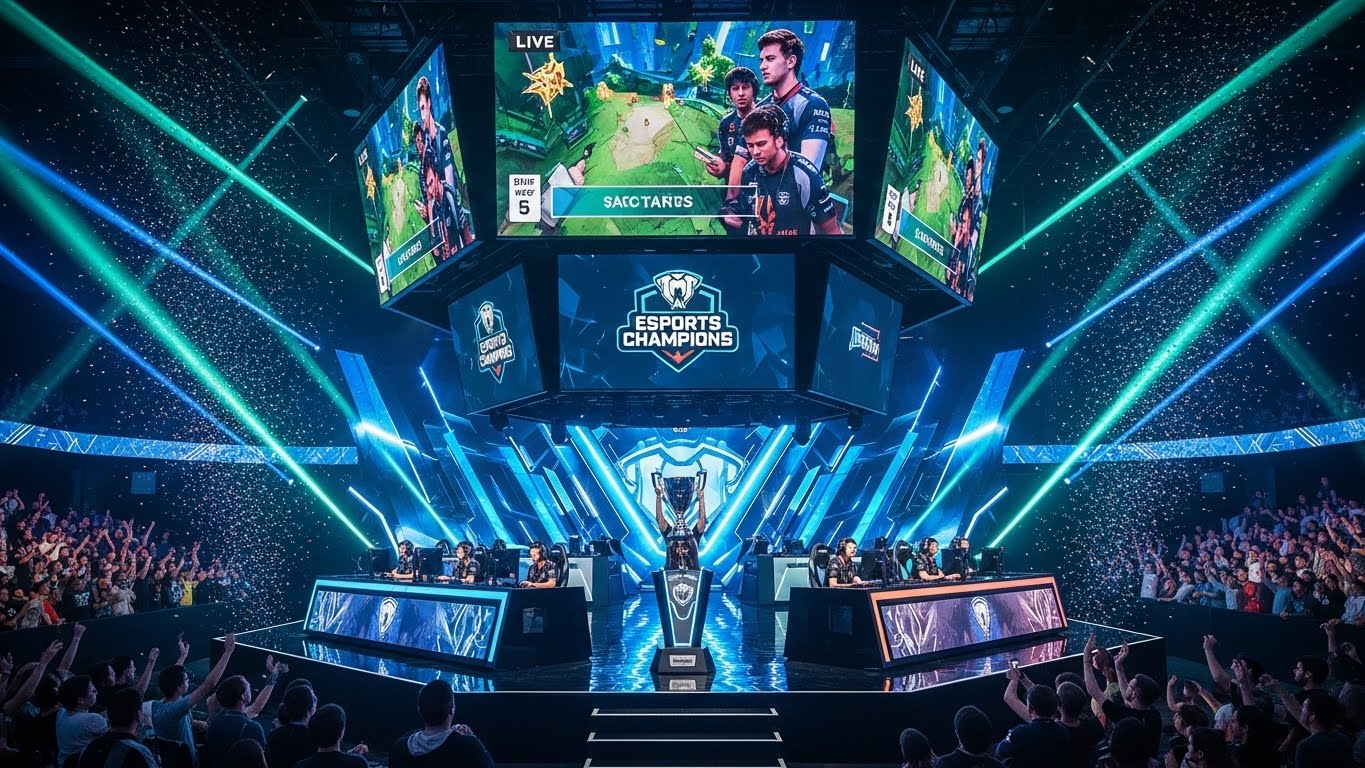
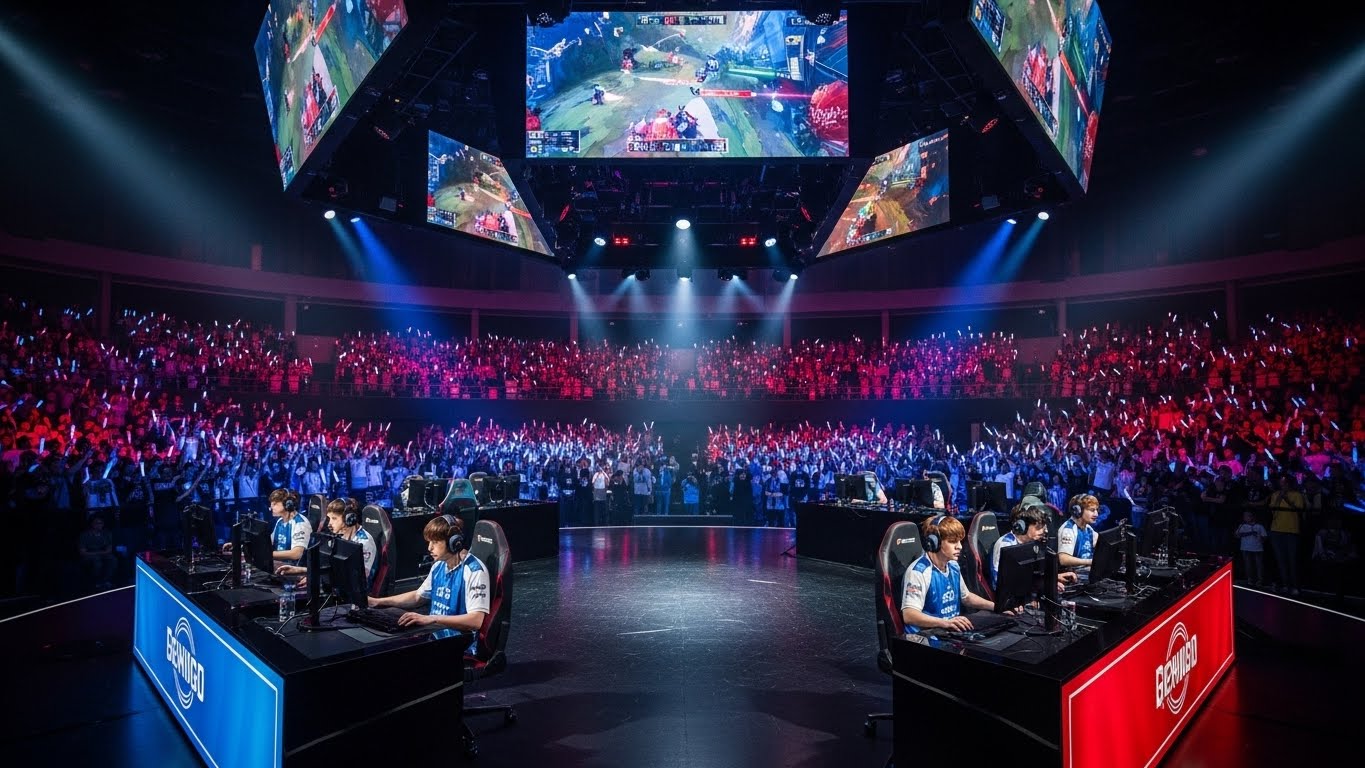
In the last two decades, the world has witnessed the remarkable rise of esports, a phenomenon that has transformed video gaming from a niche hobby into a global entertainment powerhouse. What was once confined to living rooms and arcades has now evolved into a multibillion-dollar industry with professional teams, international tournaments, sponsorships, and millions of dedicated fans. Esports, short for electronic sports, refers to organized video game competitions where individuals or teams compete against each other, often in front of live audiences and millions more watching online. The growth of esports reflects the changing nature of entertainment, technology, and sportsmanship in the digital era.
The Origins of Esports
The concept of competitive gaming is not new. Its roots can be traced back to the early 1970s when students at Stanford University competed in the game Spacewar, one of the first known video game tournaments. The event, titled “The Intergalactic Spacewar Olympics,” was modest compared to modern esports spectacles, but it laid the foundation for what was to come. In the 1980s and 1990s, arcade gaming and home consoles like the Nintendo Entertainment System popularized competition among friends and local communities.
The turning point came with the advent of the internet in the late 1990s. Games such as Quake, Counter-Strike, and StarCraft allowed players to connect and compete globally. This era marked the beginning of organized online tournaments, clans, and professional teams. By the early 2000s, esports had gained recognition as a legitimate form of competition, especially in countries like South Korea, where professional gaming leagues and televised matches became part of mainstream culture.
The Rise of Professional Esports
The professionalization of esports began when companies and sponsors started to see its potential for mass appeal. In South Korea, the launch of dedicated esports channels brought competitive gaming into households nationwide. Titles like StarCraft: Brood War produced national celebrities and packed stadiums with cheering fans. Western markets soon followed suit, with major tournaments like Major League Gaming (MLG) and the Electronic Sports World Cup (ESWC) giving gamers an opportunity to earn substantial rewards.
As internet speeds improved and streaming technology advanced, platforms that allowed gamers to broadcast their gameplay emerged. The rise of Twitch and YouTube Gaming gave esports an enormous boost. Millions could now watch their favorite players compete in real time, creating a community-driven entertainment ecosystem similar to traditional sports broadcasting. The accessibility of these platforms also allowed aspiring gamers to build careers as streamers and content creators, further blurring the line between entertainment and competition.
The Growth of Esports Games and Genres
Esports encompasses a wide variety of games and genres, each with its own rules, strategies, and fan base. Among the most popular are multiplayer online battle arenas (MOBAs) such as League of Legends and Dota 2, first-person shooters (FPS) like Counter-Strike and Call of Duty, battle royale games such as Fortnite and PUBG, and sports simulations like FIFA and NBA 2K.
Each genre contributes to the diversity and depth of the esports ecosystem. MOBAs emphasize teamwork, strategy, and coordination, while FPS games test reflexes, aim, and tactical awareness. Fighting games like Street Fighter and Super Smash Bros appeal to audiences that enjoy one-on-one competition and fast-paced action. This diversity ensures that esports offers something for every type of gamer, helping the industry appeal to a broad and global audience.
Global Expansion and Cultural Acceptance
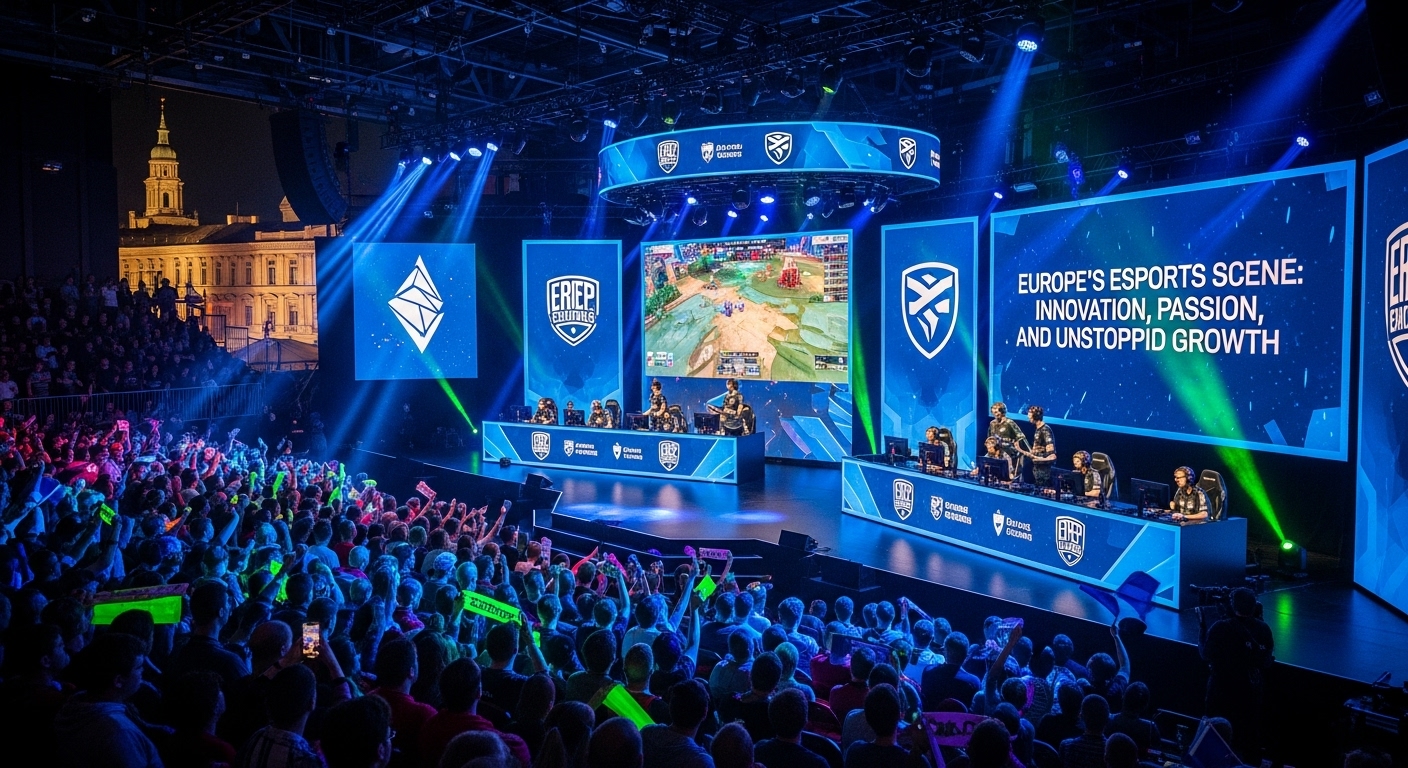
The expansion of esports from a niche hobby to a global entertainment medium is one of the most impressive cultural shifts of the 21st century. Today, esports events are held in arenas that once hosted concerts and traditional sporting matches. Tournaments like The International for Dota 2 and the League of Legends World Championship attract millions of viewers and offer prize pools that rival or even surpass those of established sports events.
Countries around the world have embraced esports as a legitimate cultural and economic force. In nations like China, the United States, and South Korea, esports has become a national phenomenon. Universities and colleges now offer scholarships to skilled players, while governments in several countries have recognized professional gamers as athletes. The esports industry has also created thousands of jobs ranging from event management and broadcasting to marketing and game development.
The Role of Technology in Esports Evolution
The rapid growth of esports would not have been possible without the parallel advancement of technology. Faster internet connections, high-performance gaming hardware, and improved streaming services have all contributed to its success. Virtual reality and augmented reality are now being explored to create more immersive gaming experiences, potentially shaping the next generation of esports competitions.
Artificial intelligence and data analytics have also found a place in esports. Teams use advanced software to analyze gameplay footage, study opponents’ strategies, and refine their tactics. The use of technology in performance tracking, similar to traditional sports, has allowed teams to optimize their training regimens and improve results.
The Economic Powerhouse of Esports
Esports is now a billion-dollar industry, supported by multiple revenue streams including sponsorships, advertising, ticket sales, merchandise, and media rights. Major brands such as Nike, Red Bull, and Intel have invested heavily in esports sponsorships, recognizing the potential of reaching younger and digitally engaged audiences. Game publishers also play a significant role by organizing official leagues and tournaments that generate both revenue and brand loyalty.
The business model of esports mirrors that of traditional sports. Teams have ownership structures, coaching staff, and player contracts. Players can earn significant salaries, and the most successful ones become celebrities with millions of followers. Esports organizations often diversify into content creation, apparel, and even lifestyle branding, further expanding their economic influence.
The Psychology of Esports and Competition
Esports is not only a test of mechanical skill but also of mental fortitude, teamwork, and strategy. Professional players often train for hours daily to refine their reflexes, learn complex game mechanics, and maintain peak mental performance. The cognitive demands of esports are immense, requiring quick decision-making, situational awareness, and precise coordination.
The psychological aspect of esports has gained academic interest as well. Studies have found parallels between esports and traditional sports in terms of motivation, teamwork, and stress management. Mental health has also become an important topic, as the pressure of constant competition and public scrutiny can take a toll on players. Organizations are increasingly providing psychological support to ensure players maintain balance in their professional and personal lives.
Esports and Education
Educational institutions are beginning to recognize the value of esports beyond entertainment. Schools and universities are creating esports programs that teach not only game mechanics but also related skills such as event organization, digital marketing, and broadcasting. Esports scholarships are becoming more common, allowing talented players to pursue higher education while competing professionally.
These programs encourage teamwork, communication, and problem-solving skills, which are valuable in many other fields. Esports in education also helps bridge the gap between technology and traditional learning, promoting digital literacy and innovation.
The Role of Women in Esports
While the esports industry has historically been male-dominated, the presence of women in competitive gaming has grown significantly. Female gamers, streamers, and commentators are breaking barriers and challenging stereotypes. Organizations are forming all-female teams and hosting tournaments to promote inclusivity and equal representation.
However, the path toward gender equality in esports remains ongoing. Issues such as harassment, underrepresentation, and lack of sponsorships have hindered progress, but the community is becoming increasingly aware and proactive in addressing these challenges. As more women take leadership roles in esports management and game development, the industry moves closer to achieving a truly diverse environment.
Esports as a Form of Entertainment
Esports is not just about competition; it has evolved into a complete entertainment ecosystem. Major tournaments are produced with high-quality visuals, music performances, and commentary, resembling large-scale sporting events. Fans engage not only by watching but also through interactive chatrooms, social media, and in-game features that allow them to support their favorite teams.
Streaming platforms have played a critical role in turning esports into a global spectacle. Streamers provide real-time entertainment, tutorials, and behind-the-scenes insights, fostering deeper connections with audiences. Esports celebrities often have fan bases comparable to movie stars or athletes, showing how entertainment and gaming have become inseparable.
Esports and Traditional Sports: A Comparison
The debate between esports and traditional sports continues to evolve. While traditional sports rely on physical athleticism, esports tests mental agility and precision. Both demand discipline, teamwork, and endurance. Traditional sports organizations are increasingly acknowledging the influence of esports, with clubs such as football and basketball teams investing in their own esports divisions.
This convergence highlights how esports is reshaping our understanding of what constitutes a sport. As technology becomes more integrated into daily life, digital forms of competition are gaining the same respect and admiration as physical sports. The Olympic Committee has even explored incorporating esports into future events, signaling the growing recognition of its global influence.
The Challenges Facing Esports
Despite its success, esports faces several challenges. One of the biggest is maintaining player well-being. The pressure to perform at high levels can lead to burnout, mental stress, and even physical strain from repetitive motions. Additionally, the industry must address issues like cheating, match-fixing, and toxic behavior within gaming communities.
Regulation remains another major concern. Unlike traditional sports governed by established bodies, esports operates across multiple games and platforms, each controlled by private companies. This lack of central regulation can create inconsistencies in rules, contracts, and tournament structures. As the industry continues to mature, standardization and ethical oversight will become increasingly important.
The Future of Esports
The future of esports looks brighter than ever. With advancements in virtual reality, artificial intelligence, and cloud gaming, the next decade will likely see even more immersive and accessible forms of competition. Mobile esports, in particular, are expanding rapidly in regions like Asia and South America, bringing new audiences into the fold.
Esports will continue to integrate with mainstream culture, with collaborations in fashion, music, and entertainment. Educational programs, youth leagues, and government recognition will further legitimize esports as a professional pursuit. The lines between gaming, sports, and media will blur even further, creating a dynamic ecosystem that continues to shape the digital generation.
Conclusion
Esports has come a long way from its humble beginnings in university halls and arcade centers. It is now a global cultural and economic powerhouse that influences how people play, watch, and interact. The rise of esports reflects broader changes in society—how technology shapes entertainment, how communities form online, and how competition transcends physical boundaries.
What makes esports truly remarkable is its inclusivity and adaptability. Anyone with a device and an internet connection can participate, watch, or aspire to compete at the highest level. It represents the digital spirit of the 21st century: innovative, connected, and boundaryless. As technology and culture continue to evolve, esports stands as a testament to the power of human creativity and the unending desire to compete, entertain, and inspire.