




Introduction
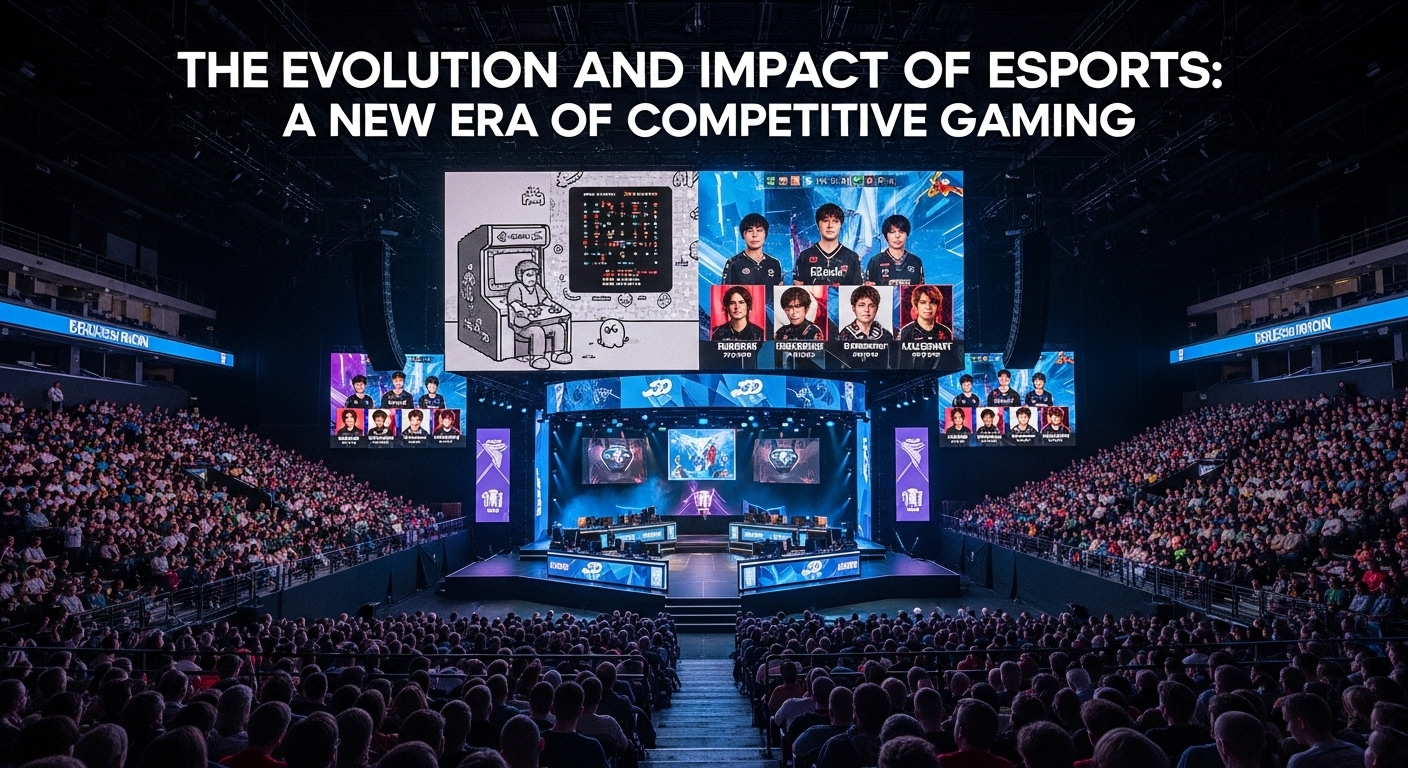
In the last few decades, human entertainment has undergone a massive transformation. From the rise of television to the dominance of social media, every generation has seen a shift in how people spend their leisure time. One of the most striking revolutions of the modern age is the emergence of Esports, or electronic sports, which has transformed video gaming from a pastime into a professional, competitive, and global phenomenon. Esports is not merely a trend; it represents a cultural movement that bridges technology, entertainment, sportsmanship, and community in an unprecedented way.
The Birth of Esports
To understand the massive success of Esports today, it’s essential to look back at its humble beginnings. The concept of competitive gaming began long before the internet era. In the early 1970s, students at Stanford University competed in a game called Spacewar! which is often regarded as the first known video game competition. The prize back then was modest—a subscription to a magazine—but the spirit of competition was already alive.
By the 1980s, with the rise of arcade gaming, high-score competitions became a new form of entertainment. Titles like Pac-Man, Donkey Kong, and Space Invaders allowed players to compete for top scores, often immortalized on arcade machines across the world. The idea of being the best gamer was no longer a personal goal; it became a community-driven ambition.
The 1990s marked a turning point. With the development of local area network (LAN) technology and the growth of internet connectivity, multiplayer gaming took on a new life. Games like Quake, Counter-Strike, and StarCraft paved the way for organized tournaments, drawing participants from across the globe. These games laid the foundation for what would later become professional Esports, where skill, teamwork, and strategy mattered as much as athletic ability in traditional sports.
The Rise of Professional Gaming
As internet access became more widespread in the 2000s, online gaming exploded. Titles such as League of Legends, Dota 2, and Call of Duty redefined competitive play. What once happened in small LAN events began to move to large arenas and broadcasted tournaments. Professional teams started forming, complete with sponsors, coaches, and training facilities.
The early 2010s saw Esports transition from a niche interest to a mainstream spectacle. Organizations like Major League Gaming (MLG) in North America and the Electronic Sports League (ESL) in Europe began hosting large-scale tournaments. Prize pools reached hundreds of thousands of dollars, later growing into the millions. Suddenly, being a professional gamer was no longer a dream; it was a viable career path.
Esports and the Global Audience
One of the key factors behind the explosion of Esports is accessibility. Unlike traditional sports, where physical limitations and location can restrict participation, Esports is open to anyone with a computer or console and a stable internet connection. This inclusivity has created a truly global community where players from different continents can compete on the same stage.
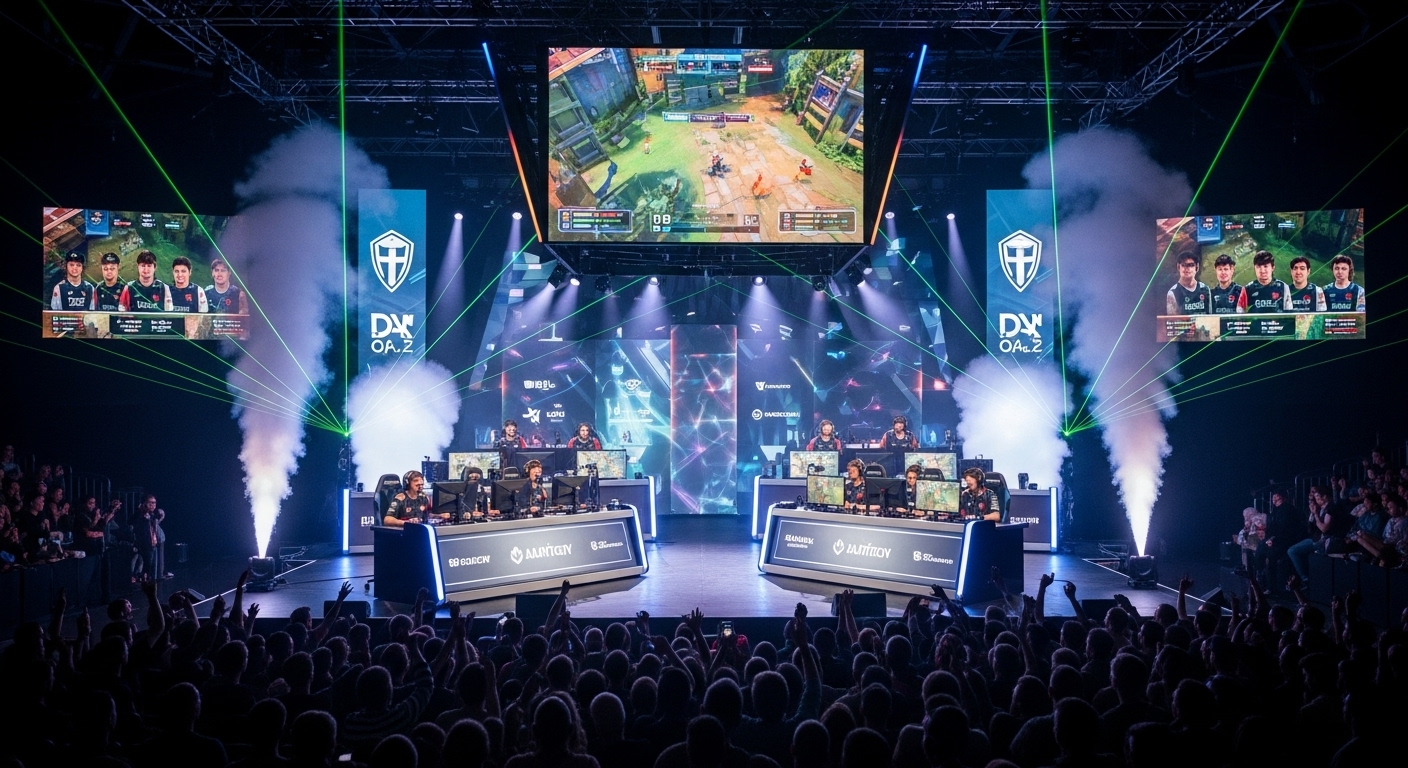
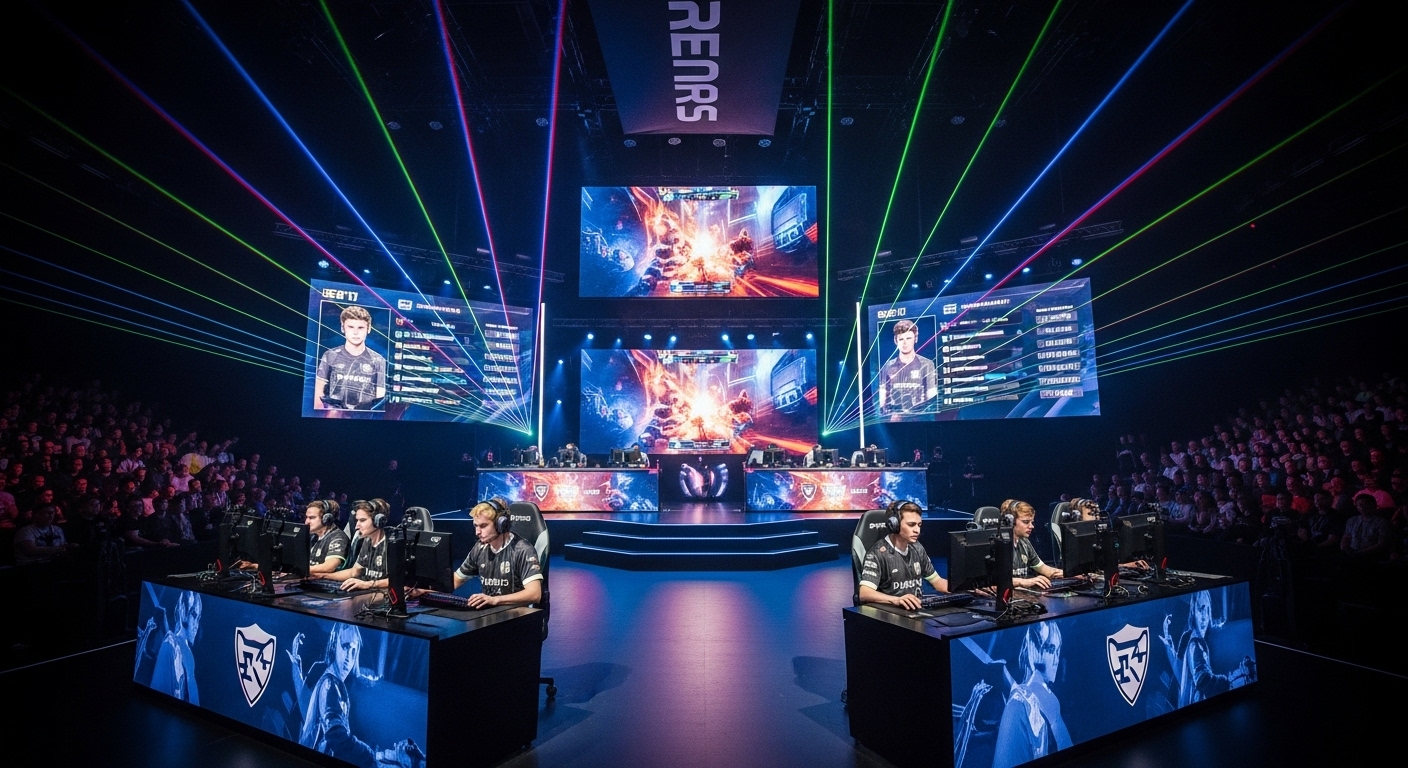
Streaming platforms have further accelerated this growth. Viewers can now watch their favorite players compete in real-time, interact through chat, and even support them financially through donations or subscriptions. Millions of fans tune in daily to watch tournaments, commentary, and live gameplay. The biggest events, such as The International for Dota 2 or the League of Legends World Championship, attract audiences rivaling those of traditional sporting events like the Super Bowl or the Olympics.
The Economics of Esports
Esports has evolved into a multi-billion-dollar industry. Revenue streams come from sponsorships, advertising, ticket sales, merchandise, and media rights. Big brands that once invested only in traditional sports—like Coca-Cola, Intel, and Adidas—have now entered the Esports market. Teams and players become influencers, representing global brands and reaching young, tech-savvy audiences that are often hard to reach through conventional media.
Prize pools have grown tremendously, too. For example, major tournaments now offer multi-million-dollar rewards. Beyond that, players can earn salaries, streaming income, and sponsorship deals. Esports organizations function like traditional sports clubs, complete with managers, analysts, and marketing teams. The business infrastructure surrounding Esports is now professionalized and competitive in itself.
The Evolution of Esports Games
Different genres of games have become the backbone of Esports. Real-Time Strategy (RTS) games like StarCraft dominated the early years, requiring fast thinking and perfect multitasking. Later, First-Person Shooters (FPS) such as Counter-Strike and Overwatch became fan favorites for their intense, action-packed gameplay.
However, the true giants of Esports emerged from Multiplayer Online Battle Arena (MOBA) games like Dota 2 and League of Legends. These games emphasize teamwork, strategy, and adaptability, and they attract millions of players globally. Fighting games like Street Fighter, sports simulations like FIFA and NBA 2K, and even battle royale titles such as Fortnite have expanded the Esports landscape further, ensuring there is something for every gaming taste.
The Culture of Esports
Beyond competition, Esports has developed its own unique culture. Gamers form communities around their favorite titles, teams, and players. Fan art, memes, cosplay, and streaming personalities contribute to a rich, interconnected digital ecosystem. Unlike traditional sports fans who might support a local team, Esports fans often connect globally, forming friendships and collaborations across borders.
The language of Esports has also become a shared dialect among young people worldwide. Terms like “GG” (good game), “meta,” and “buff” are now part of everyday speech in gaming circles. The passion of Esports fans mirrors that of traditional sports supporters, complete with chants, merchandise, and loyal devotion to teams and individual players.
Esports as a Career
For many young people, the dream of becoming a professional gamer has become as legitimate as aspiring to be a footballer or actor. Professional players dedicate countless hours to practice, analysis, and team coordination. They must maintain discipline, manage mental stress, and continually adapt to ever-evolving game updates and strategies.
However, the Esports ecosystem offers more than just the role of a player. The industry includes shoutcasters (commentators), analysts, coaches, event organizers, social media managers, and game developers. Universities around the world have even begun offering scholarships for Esports athletes and degrees in gaming-related fields, acknowledging the sector’s growing academic and professional relevance.
The Role of Technology in Esports
Esports wouldn’t exist without technological progress. High-speed internet, advanced graphics processing, and powerful gaming devices have made it possible to host tournaments that are smooth, immersive, and globally accessible. Artificial intelligence and data analytics are now used to analyze player performance, optimize training, and enhance spectator experiences.
Virtual reality (VR) and augmented reality (AR) are also poised to revolutionize Esports further. These technologies promise new levels of interactivity and realism, potentially leading to new genres of competitive gaming. The integration of blockchain and digital ownership may reshape how players and fans interact with in-game items, achievements, and economies.
Esports and Education
The connection between Esports and education is another emerging frontier. Many schools and universities now recognize gaming as a tool for developing cognitive skills, teamwork, and problem-solving abilities. Educational institutions have begun to include Esports clubs, courses, and even varsity programs to encourage balanced, structured competition among students.
In addition, Esports provides a pathway to careers in technology, game design, marketing, and management. Students engaged in gaming learn critical thinking, strategic planning, and leadership skills that are transferable to many other industries.
The Debate Around Esports Recognition
One of the most debated topics in the Esports world is whether it should be considered a “real sport.” Critics argue that traditional sports require physical exertion, while gaming is sedentary. However, supporters emphasize that Esports demands extreme mental focus, reaction speed, coordination, and teamwork—qualities that parallel those found in conventional sports.
In recent years, many countries and sporting organizations have begun recognizing Esports officially. The inclusion of Esports in multi-sport events like the Asian Games signals a shift toward broader acceptance. While it may never fully replace physical sports, Esports has earned its place as a legitimate form of competition deserving respect and regulation.
Challenges in the Esports Industry
Despite its growth, Esports faces several challenges. One major concern is player burnout. Professional gamers often practice 10 to 12 hours a day, leading to mental and physical strain. Maintaining health, balance, and longevity in such an intense environment is a growing concern for organizations and trainers.
Another issue is fairness and integrity. Cheating, hacking, and match-fixing have occasionally tarnished the reputation of Esports tournaments. As prize money and sponsorships increase, the stakes become higher, making strict regulation and enforcement essential.
Additionally, there is an ongoing debate about inclusivity and diversity within Esports. Female representation remains limited, and toxic online behavior can create barriers for new players. Many organizations are now taking active steps to promote inclusivity and create safer, more welcoming environments for all participants.
The Future of Esports
The future of Esports is undeniably bright. As technology continues to evolve, the boundaries between reality and the digital world will blur even further. Esports could integrate more closely with virtual reality experiences, allowing fans to feel as though they are physically present in a match.
The continued expansion of 5G and cloud gaming will also allow players from even remote regions to compete at high levels, further globalizing the competitive scene. With the growth of media coverage, Esports may eventually become a standard part of mainstream television and even Olympic-level events.
The line between gaming and entertainment will continue to dissolve, creating hybrid experiences where music, fashion, and storytelling merge with competitive play. The rise of AI-powered commentators, virtual arenas, and interactive fan engagement platforms will make watching Esports as thrilling as playing them.
Conclusion
Esports has grown from a modest pastime into a global movement that touches nearly every corner of modern life. It has transformed the way people view competition, teamwork, and digital interaction. What began as simple arcade contests has evolved into one of the most dynamic industries in the world—uniting millions under a shared passion for gaming excellence.
As Esports continues to expand, it will not only redefine the boundaries of entertainment but also inspire new generations to pursue creativity, innovation, and collaboration through the digital frontier. In this age of screens and connectivity, Esports stands as a symbol of how technology and human ambition can come together to create something extraordinary—a digital sport for the modern era that shows no signs of slowing down.