




Introduction: A New Era of Competition
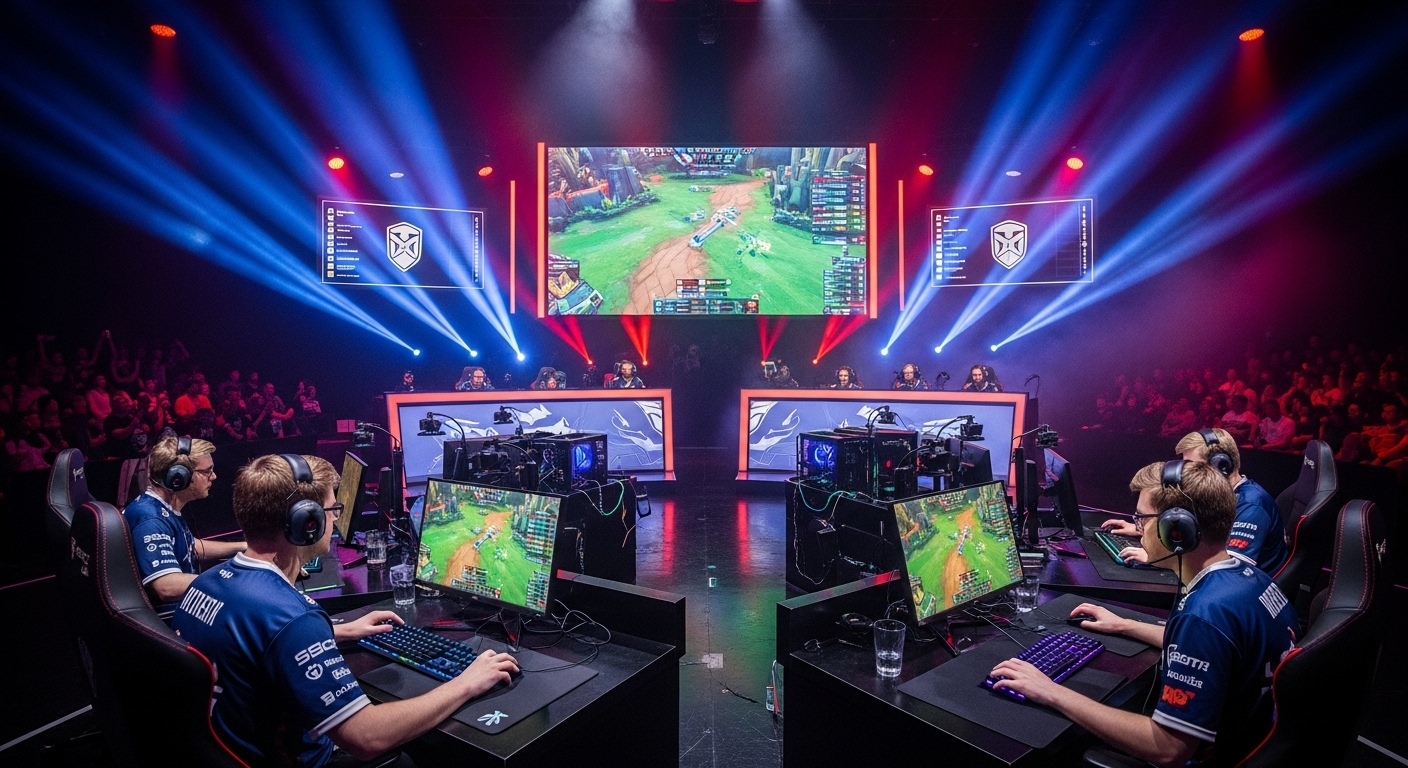
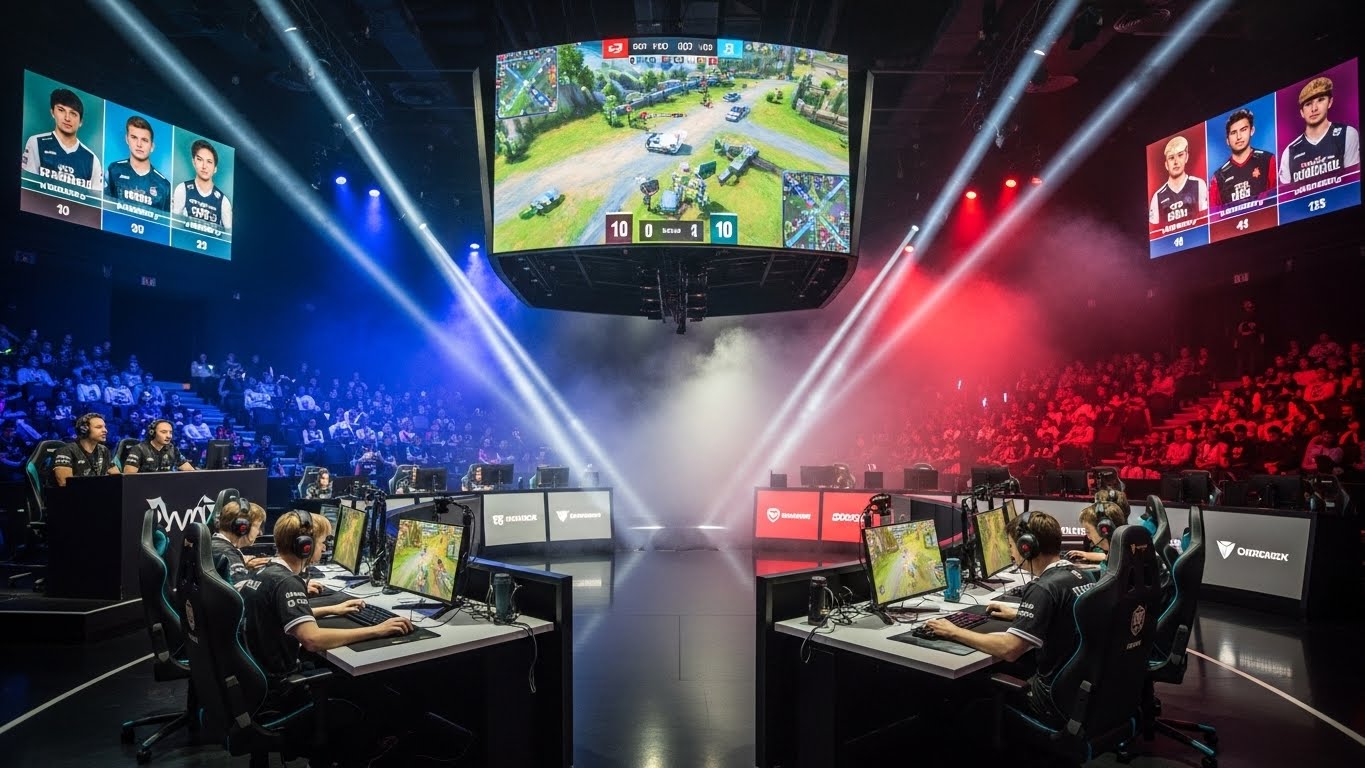
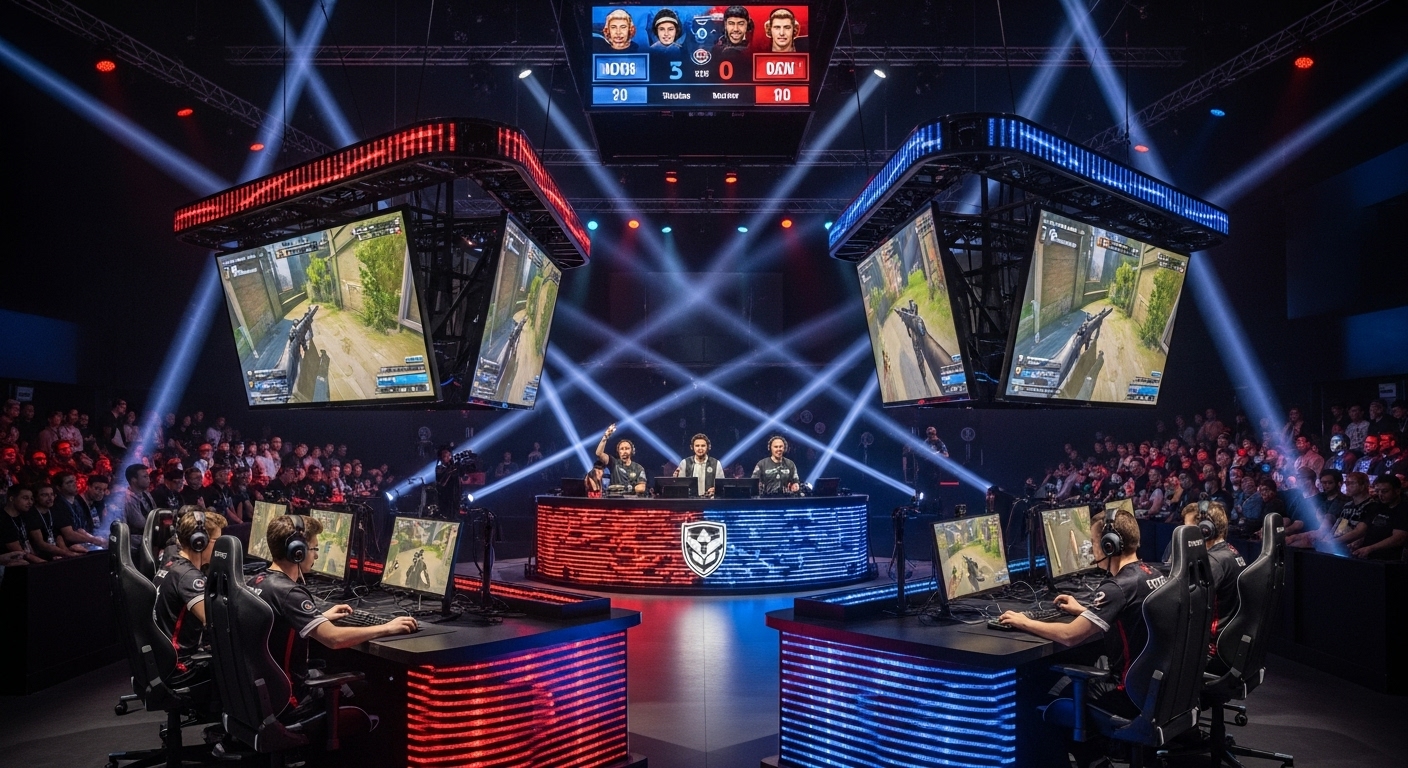
Esports, or electronic sports, has transformed from a casual pastime into a global phenomenon. What began as friendly video game matches in local arcades has now evolved into professional tournaments watched by millions, with players becoming international celebrities. In this digital battlefield, skill, strategy, and reflexes are as celebrated as physical prowess in traditional sports.
The Birth and Growth of Esports
The roots of esports can be traced back to the 1970s and 80s, when early competitions were held for games like Space Invaders and Pong. However, it wasn’t until the late 1990s and early 2000s that esports truly began to take shape. The introduction of high-speed internet, online multiplayer platforms, and games like Counter-Strike, StarCraft, and Warcraft III helped define the competitive landscape.
With the launch of streaming platforms and the rise of global tournaments, esports exploded in popularity. The industry now spans countless genres including shooters, strategy games, MOBAs (Multiplayer Online Battle Arenas), and even sports simulations.
Professional Players and Teams
Much like athletes in traditional sports, professional esports players dedicate hours daily to practice, strategy, and team coordination. Top-tier players often sign contracts with esports organizations, receive salaries, and even attract sponsorships from major global brands.
Esports teams such as T1, Fnatic, and Team Liquid have become household names within the gaming community, with dedicated fanbases and world-class training facilities.
The Business Behind the Screens
Esports is no longer just entertainment; it’s big business. Global tournaments like The International (for Dota 2) and League of Legends World Championship offer prize pools reaching tens of millions of dollars. Events are held in massive stadiums and broadcast to online audiences that rival those of major traditional sporting events.
Revenue is generated through sponsorships, merchandise, media rights, ticket sales, and in-game purchases. The industry has also opened doors for new careers beyond playing—commentators, coaches, analysts, and content creators all play vital roles in the ecosystem.
Esports in Education and Culture
Colleges and universities are beginning to recognize esports as a legitimate field. Many now offer scholarships for talented players and even run varsity esports teams. There is a growing conversation around incorporating esports into educational programs to teach teamwork, leadership, and digital literacy.
Culturally, esports is shaping the way we view entertainment and social connection. It has helped break down borders, connecting players and fans from different countries and backgrounds around a shared passion.
Challenges on the Digital Battlefield
Despite its success, esports faces several challenges. Issues like burnout, lack of regulation, and toxic online behavior have raised concerns. The mental and physical health of players is becoming a growing focus, with organizations now hiring psychologists and fitness coaches.
There is also the ongoing debate about whether esports should be recognized alongside traditional sports, particularly in major events like the Olympics.
The Future of Esports
The future of esports looks incredibly bright. With advancements in virtual reality, augmented reality, and artificial intelligence, the nature of competitive gaming is expected to evolve dramatically. As technology continues to blur the lines between the physical and digital worlds, esports may redefine what it means to be an athlete in the 21st century.
More importantly, esports is democratizing competition—offering anyone with talent, passion, and internet access a shot at glory.
Conclusion: Not Just Games, But a Movement
Esports is no longer a niche hobby—it’s a movement that reflects the digital age we live in. It blends technology, creativity, and competition in a way that no other form of entertainment can. As more eyes turn toward the screen, one thing is clear: esports is here to stay, and its influence will only grow stronger in the years to come.