





Introduction: The Emergence of Esports as a Global Phenomenon
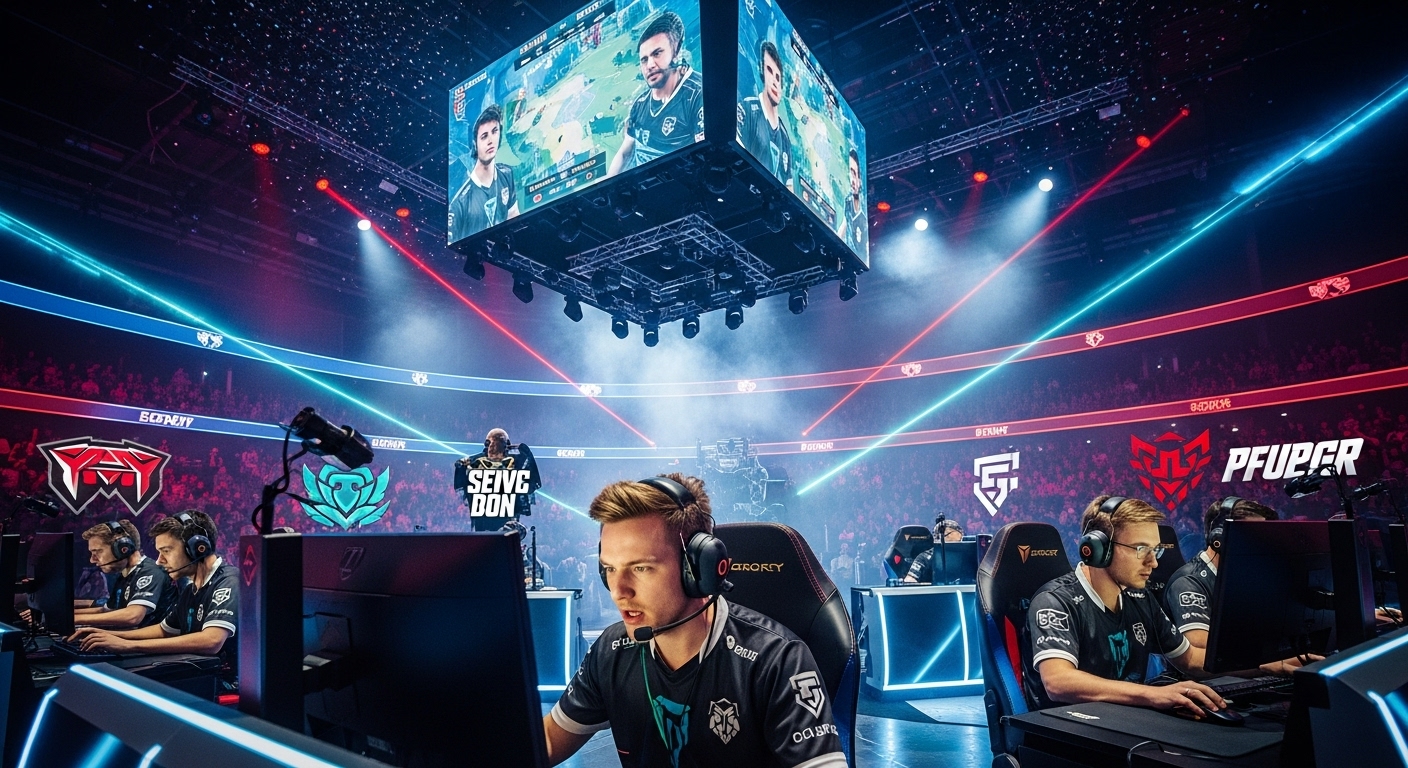
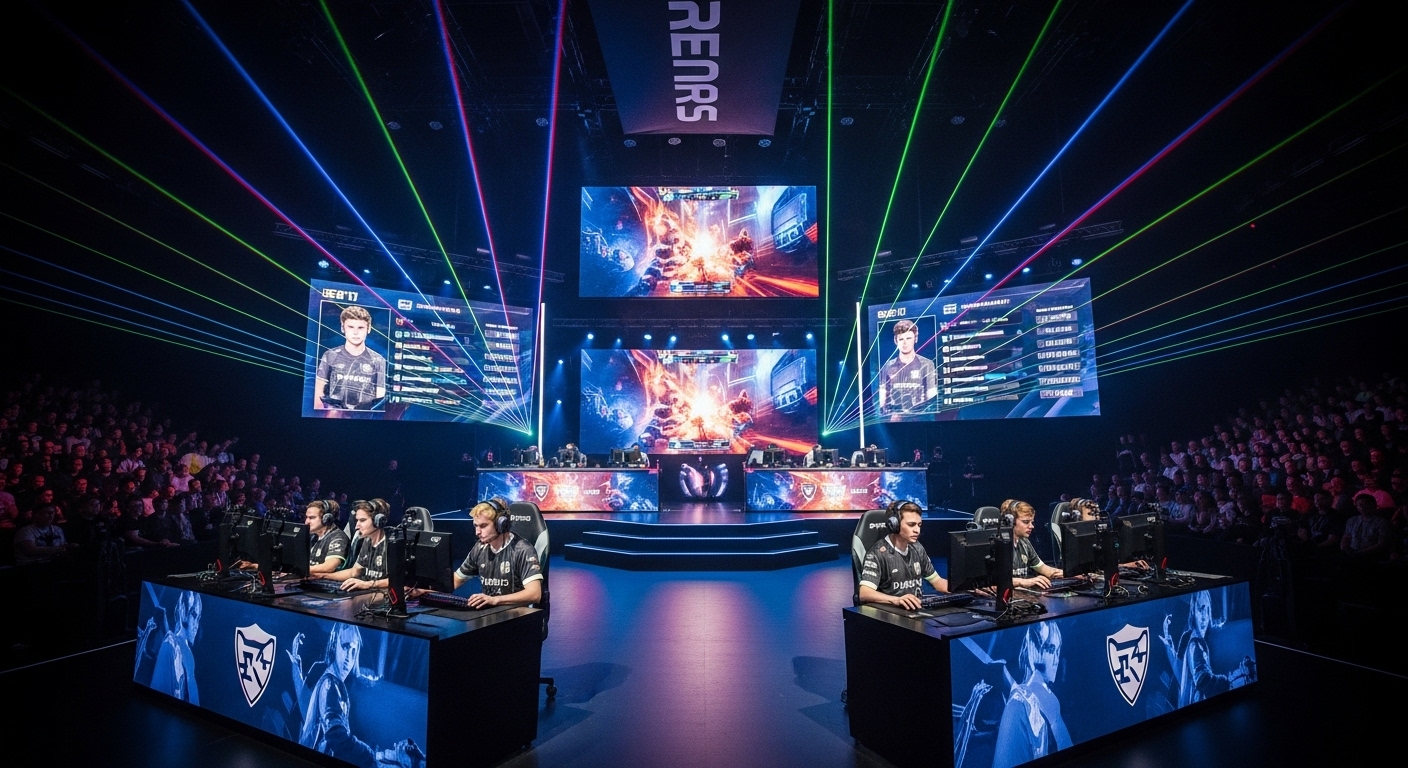
Over the past two decades, esports has transformed from a niche hobby into a global phenomenon that commands millions of viewers and generates billions of dollars in revenue. What was once considered simply “playing video games” has evolved into a highly organized, competitive industry attracting professional athletes, teams, investors, and fans from around the world.
The rise of esports mirrors broader societal shifts toward digital engagement, technological innovation, and new forms of entertainment consumption. It has redefined competition by blending traditional sportsmanship with modern technology, creating an inclusive, fast-paced, and interactive spectator experience.
In this comprehensive exploration, we will delve into the origins, ecosystem, cultural significance, economic impact, challenges, and future prospects of esports. This blog post will offer insights into why esports is not only here to stay but is also reshaping how we think about competition and entertainment in the 21st century.
The Historical Roots of Esports: From Arcade Cabinets to International Arenas
The concept of competitive gaming dates back several decades. In the 1970s and 1980s, arcade culture flourished with players competing for the highest scores on games like Pac-Man and Space Invaders. These early competitions were local and informal but established the foundational idea of gaming as a competitive pursuit.
The 1990s brought significant technological advances, notably the widespread adoption of personal computers and the internet. Games such as Doom, Quake, and StarCraft introduced direct player-versus-player competition in online environments, dramatically expanding the reach and scale of competitive gaming.
One of the first major esports events occurred in 1997, when the Red Annihilation tournament for Quake crowned the first widely recognized esports champion. The following years saw the development of organized leagues and the birth of some of the most enduring esports titles. South Korea’s passionate embrace of StarCraft helped pioneer the professional esports scene, laying the groundwork for future global expansion.
The Modern Esports Ecosystem: Players, Teams, and Leagues
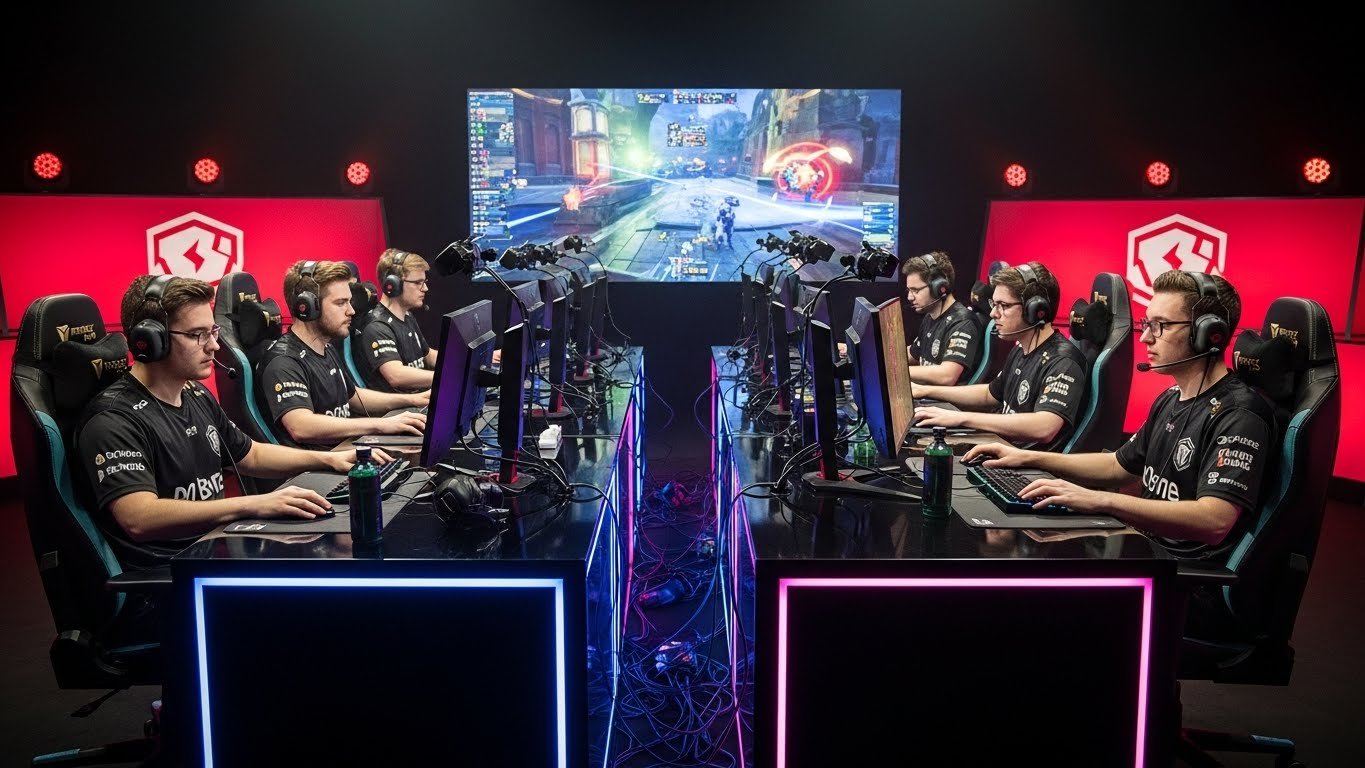
Today, esports is a structured industry involving a diverse ecosystem of players, teams, tournament organizers, sponsors, broadcasters, and fans. Professional players dedicate thousands of hours to honing their skills, much like athletes in traditional sports. This requires discipline, strategic thinking, physical and mental endurance, and teamwork.
Teams operate as professional organizations, recruiting talent, providing coaching and support staff, managing public relations, and securing sponsorship deals. These organizations compete in leagues and tournaments around the world, some with franchised systems similar to traditional sports leagues.
Major esports titles such as League of Legends, Dota 2, Counter-Strike: Global Offensive, Valorant, and Overwatch each have their own competitive circuits, prize pools, and dedicated fan bases. Tournaments vary from regional qualifiers to global events, many with multi-million dollar prize pools and millions of viewers.
The Impact of Streaming and Digital Media on Esports Growth
One of the most distinctive aspects of esports is its deep integration with digital media platforms. Unlike traditional sports, esports thrives on live streaming through platforms dedicated to video game content. These platforms allow fans to watch competitions in real-time, engage with players and commentators through chat, and access a wealth of related content.
Streaming has democratized access to esports, allowing anyone with an internet connection to watch and participate in the culture. It also enables players to build personal brands, monetize their gameplay, and connect directly with fans.
The interactive nature of streaming creates a sense of community that is unique to esports. Fans are not just spectators; they actively contribute to the experience through live chat, donations, and social media interaction. This interactivity fosters loyalty and creates a vibrant, engaged fanbase.
Esports as a Cultural Phenomenon: Community, Identity, and Expression
Esports has become much more than a competitive activity; it is a cultural movement. It shapes identities, forges communities, and influences wider pop culture. Many fans and players identify strongly with their favorite games, teams, and players.
Communities form around shared interests, often transcending geographical boundaries. Online forums, social media groups, and fan conventions provide spaces for interaction, discussion, and collaboration. Creative expression flourishes through fan art, cosplay, video content, and memes.
Players and influencers in esports often serve as role models, inspiring new generations to pursue gaming professionally or recreationally. Esports also plays a role in advancing conversations about diversity, inclusion, and mental health within gaming culture.
Economic Significance: The Booming Business of Esports
The economic impact of esports is significant and growing rapidly. Industry revenue comes from multiple sources including sponsorships, advertising, merchandise sales, media rights, ticket sales for live events, and digital goods such as in-game cosmetics.
Sponsorship deals often involve technology companies, apparel brands, energy drink producers, and even non-endemic brands such as financial services and automotive manufacturers recognizing the value of esports audiences.
Esports organizations themselves are evolving into diversified businesses, managing content creation, event production, brand partnerships, and community engagement. Investment from venture capital firms and traditional sports owners has accelerated industry growth and professionalism.
Careers in esports extend beyond players to include coaches, analysts, broadcasters, event organizers, marketers, and game developers, contributing to a broad job market.
Challenges in the Esports Industry: Sustainability, Ethics, and Well-being
Despite its growth, esports faces several challenges. Player health and well-being are major concerns, as the intense competition and training schedules can lead to burnout, stress, and physical strain. Supporting players’ mental health and work-life balance is critical.
Integrity is another important issue. Cheating, match-fixing, and doping scandals threaten the legitimacy of competition. The industry is working to establish regulatory bodies and standards to maintain fairness and transparency.
Inclusivity and diversity remain ongoing challenges. While progress has been made, esports must continue fostering environments that welcome all genders, ethnicities, and backgrounds, combating toxicity and harassment.
Financial sustainability, especially for smaller teams and grassroots organizations, is a concern, requiring innovation in business models and community support.
The Future of Esports: Innovation, Integration, and Expansion
The future of esports is bright and full of possibilities. Emerging technologies such as virtual reality and augmented reality are expected to revolutionize gameplay and viewing experiences, creating immersive environments that blur the line between player and spectator.
Artificial intelligence and data analytics will enhance training, strategy, and broadcasting, providing new tools for teams and fans alike.
Esports will continue integrating with traditional sports, entertainment, and education, creating hybrid formats, cross-industry partnerships, and new career paths.
Blockchain and digital ownership technologies may introduce new ways to monetize and authenticate in-game assets, fostering deeper fan engagement.
Universities and educational institutions will expand their esports programs, recognizing the industry’s growing significance.
Conclusion: Esports as a Defining Force of the Digital Age
Esports represents a groundbreaking fusion of technology, culture, and competition. Its rise signals profound changes in how people connect, entertain themselves, and aspire to greatness.
More than just a pastime, esports is a dynamic industry shaping the future of entertainment and digital interaction. As it continues to mature, it promises to offer new opportunities, challenges, and innovations.
Whether you are a casual viewer, aspiring player, industry professional, or simply curious, understanding esports provides valuable insight into a defining feature of the digital age. The digital arena is open, and the game is only just beginning.