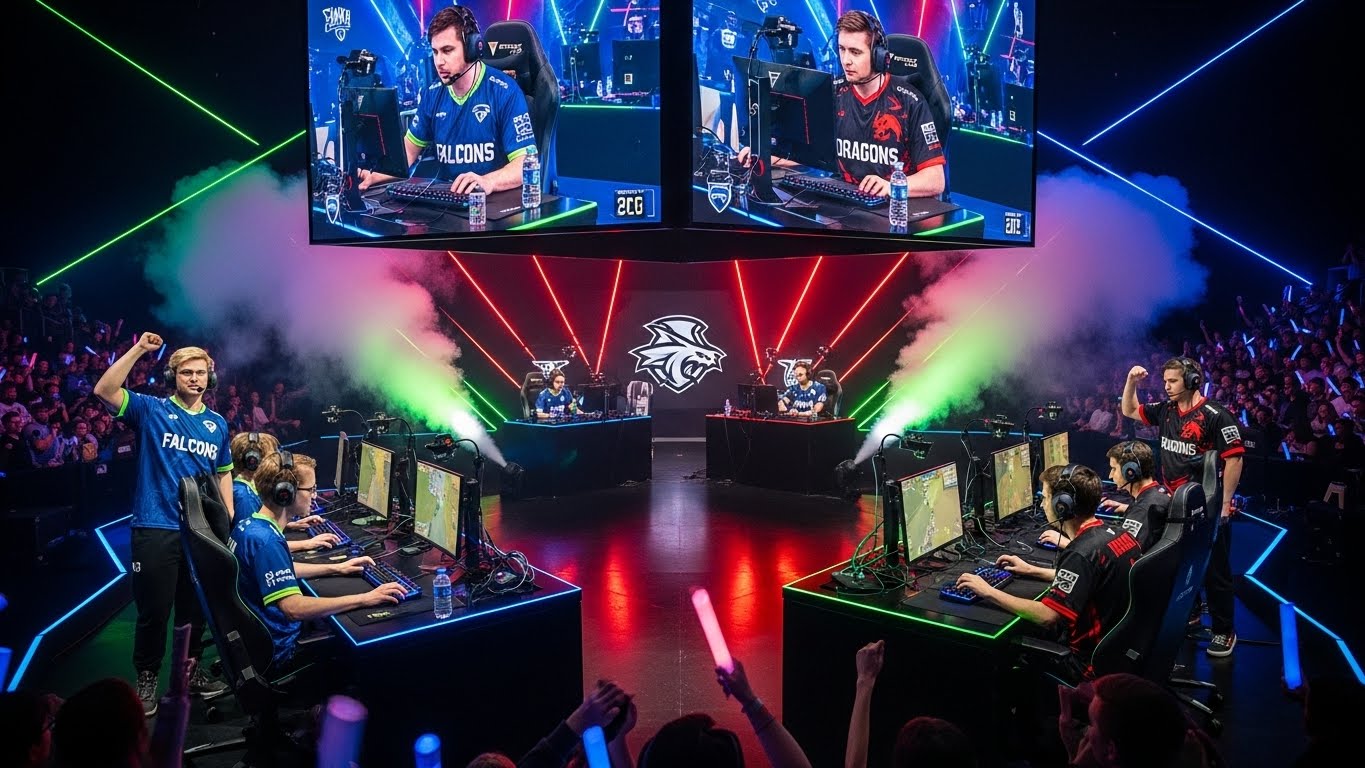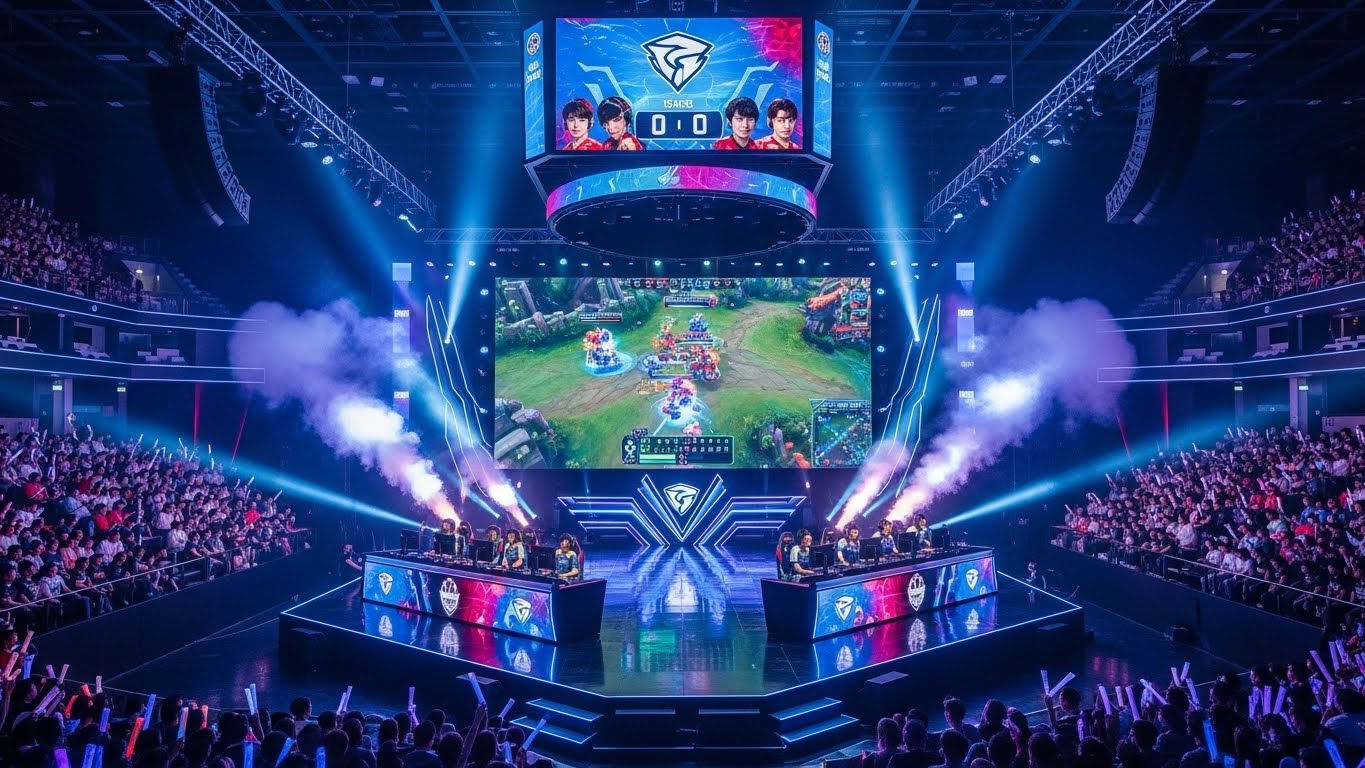





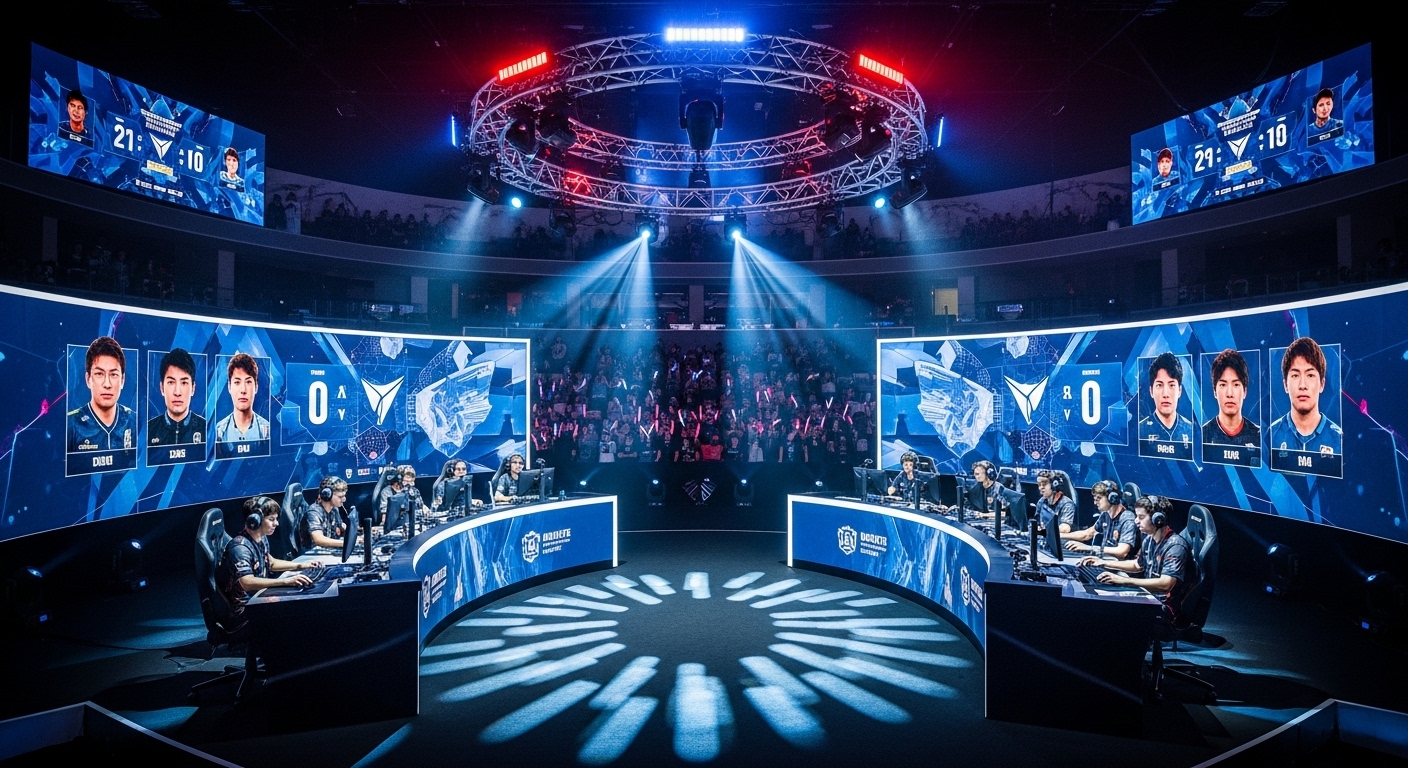
The world of esports has grown far beyond being a niche hobby. What once started as casual online gaming has evolved into a billion-dollar industry, complete with professional leagues, corporate sponsorships, global tournaments, and life-changing opportunities for young players. One of the most remarkable developments within this evolution is the rise of esports scholarships, a concept that is reshaping how students pursue higher education. Much like traditional athletes who receive scholarships for excelling in sports such as basketball or football, esports players are now being recognized for their skills, dedication, and strategic thinking — and are being rewarded with scholarships to attend universities around the world.
This new educational pathway is transforming the way we view both gaming and academia. It blends the world of competitive gaming with academic achievement, proving that passion for games can translate into real-world success. Let’s explore how esports scholarships are changing the landscape of education, what opportunities they bring to students, and what the future might hold for this emerging trend.
The Rise of Esports in Education
Over the last decade, esports has moved from the living room to the classroom. Universities and colleges around the world have realized that esports is not just entertainment; it’s a platform that promotes teamwork, leadership, problem-solving, and communication skills. As the esports industry grew, so did the demand for structured programs that could support and nurture young players who wished to turn their passion into a profession.
In the early days, very few educational institutions paid attention to gaming. Many parents and teachers viewed it as a distraction or a waste of time. But as esports tournaments began offering massive prize pools and broadcasting events that rivaled traditional sports in viewership, attitudes began to change. Schools started to recognize that esports could engage students who might not have connected with other extracurricular activities.
By the late 2010s, universities in the United States, South Korea, China, and Europe began offering formal esports programs and clubs. The next logical step was to create scholarships to attract talented players, just as schools had long done for athletes in basketball, soccer, or track.
What Are Esports Scholarships?
An esports scholarship is a financial award given to students who demonstrate exceptional gaming skills, leadership, and teamwork in competitive video games. These scholarships can cover partial or full tuition, housing, equipment, and other expenses, depending on the university and program.
Like traditional athletic scholarships, esports scholarships serve a dual purpose. They help universities build competitive teams that can participate in intercollegiate esports leagues, while also helping students afford higher education. In many cases, these scholarships are offered to players of popular games such as League of Legends, Valorant, Overwatch, Counter-Strike, Rocket League, and Fortnite.
The criteria for receiving such a scholarship typically go beyond simply being good at a game. Universities look for players who are dedicated, able to balance academics with training, and demonstrate qualities like leadership, discipline, and collaboration. After all, esports teams — much like any other sports teams — require members who can work together effectively under pressure.
The Academic Side of Esports
While esports scholarships reward gaming talent, they also open doors to educational programs that go far beyond just playing games. Many universities now offer degrees related to esports, such as game design, computer science, digital marketing, sports management, broadcasting, and event organization. Students receiving esports scholarships often study in these fields, preparing for careers not only as players but as professionals in the rapidly expanding esports ecosystem.
The academic side of esports helps validate gaming as a legitimate career path. It allows students to explore how games are made, marketed, and managed, giving them the tools to build sustainable careers even if they decide not to pursue professional play. For many, esports scholarships serve as a gateway into the tech, entertainment, and business sectors.
Moreover, esports programs often emphasize mental health, physical fitness, and time management, ensuring that students maintain balance and discipline. This holistic approach mirrors that of traditional athletic programs and ensures that esports athletes develop both in and out of the digital arena.
Universities Leading the Way
Several universities have taken the lead in offering esports scholarships, especially in the United States, South Korea, and the United Kingdom. American institutions such as the University of California-Irvine, Maryville University, and Boise State University were among the pioneers in this field. They established official esports teams, built high-end gaming arenas, and began recruiting players from around the world.
In South Korea, where gaming has long been part of popular culture, universities have developed structured programs that blend esports with academic achievement. Students can major in subjects like game development, esports management, or competitive gaming strategy.
In Europe, universities in the United Kingdom, Germany, and Scandinavia have also begun integrating esports into their educational offerings. Many of these schools collaborate with professional esports organizations and sponsors to ensure students have real-world opportunities during their studies.
The rapid adoption of esports scholarships across the globe signals a clear shift in academic culture. Universities now view gaming not as a distraction, but as a discipline worthy of academic recognition and investment.
Benefits of Esports Scholarships
The benefits of esports scholarships extend beyond financial assistance. They help students grow personally and professionally in multiple ways:
1. Access to Higher Education:
For many students, esports scholarships make college more affordable and attainable. Talented players who might not have been able to afford higher education now have a pathway through their gaming skills.
2. Development of Transferable Skills:
Competitive gaming requires communication, quick decision-making, strategic thinking, and adaptability — all of which are valuable in the workplace. Esports athletes often emerge with enhanced teamwork and leadership abilities.
3. Exposure to Career Opportunities:
An esports scholarship opens doors to a range of career paths within the industry. Students can become professional players, streamers, analysts, coaches, or even work in event management, marketing, or broadcasting.
4. Community and Networking:
Esports programs create tight-knit communities where players, coaches, and students collaborate. These environments encourage networking and create lifelong professional relationships.
5. Promoting Diversity and Inclusion:
Esports scholarships provide opportunities for students of all backgrounds, including those who might not fit into traditional sports programs. This inclusivity promotes diversity and equal access to education.
The Recruitment Process for Esports Scholarships
Getting an esports scholarship is not just about being good at a game; it requires preparation, visibility, and professionalism. Universities typically recruit players through esports tournaments, online rankings, and highlight reels of gameplay.
Aspiring esports athletes often create professional portfolios showcasing their achievements, gameplay statistics, and teamwork experience. Many students also participate in interscholastic or amateur tournaments to gain recognition. Coaches and recruiters look for players who display consistency, discipline, and a positive attitude — qualities that are essential for both gaming and academics.
Another key component is communication skills. Since many esports teams rely on coordination and teamwork, universities want players who can communicate effectively and handle both wins and losses with maturity.
The Role of Esports Coaches and Programs
Behind every successful esports scholarship program stands a team of dedicated coaches, mentors, and administrators. Esports coaches play a crucial role in shaping young players’ development. They not only train students in strategy and mechanics but also help them manage time, stay physically healthy, and maintain academic performance.
Esports programs often operate like traditional athletic departments, with structured schedules, regular practice sessions, and competitive seasons. Players are expected to meet academic requirements while representing their institution in tournaments. This professional structure teaches discipline and responsibility, ensuring that students grow both as competitors and as individuals.
Challenges Facing Esports Scholarships
Despite the rapid growth and enthusiasm surrounding esports scholarships, the concept still faces several challenges.
1. Balancing Academics and Gaming:
Many students struggle to find a balance between intense gaming schedules and their academic responsibilities. Universities are continually working to provide better support systems and time management resources.
2. Health and Wellness Concerns:
Extended gaming sessions can lead to physical strain and mental fatigue. Esports programs must prioritize wellness by incorporating fitness routines, proper ergonomics, and mental health support.
3. Public Perception:
Even with the growing legitimacy of esports, some critics still view gaming as unproductive. Overcoming this stigma requires continued education and evidence of the positive outcomes that esports programs produce.
4. Inequality and Accessibility:
While many universities offer esports scholarships, not all students have access to the high-end gaming equipment or fast internet required to compete at elite levels. Addressing this digital divide is key to ensuring fairness.
5. Sustainability of Programs:
Since esports is a fast-changing industry, universities must adapt their programs to evolving games, technologies, and professional standards. This constant evolution can be both exciting and challenging.
The Global Impact of Esports Scholarships
The influence of esports scholarships extends beyond national borders. Countries around the world are embracing the idea that gaming can be both educational and career-oriented. In Asia, particularly in South Korea, China, and Japan, esports education is integrated deeply into society. These countries host government-backed esports academies that prepare students for both competitive and managerial roles within the industry.
In North America, collegiate esports leagues like the National Association of Collegiate Esports (NACE) have standardized competitive structures, allowing universities to compete in organized tournaments. Europe, too, is seeing an increase in partnerships between educational institutions and esports organizations, further cementing esports’ place in academia.
The global spread of esports scholarships has fostered international collaboration. Students from different cultures compete together, learn from one another, and build friendships that transcend borders. This international exposure enriches their educational experience and prepares them for a globalized job market.
The Future of Esports Scholarships
As technology and education continue to evolve, esports scholarships are poised to become even more influential. The next decade will likely see an expansion in the number of universities offering such programs and a diversification in the fields of study connected to esports.
We may see dedicated degrees in esports psychology, esports journalism, and esports law, as the industry continues to professionalize. Additionally, advancements in virtual reality and artificial intelligence could redefine how esports athletes train and compete.
Furthermore, as the esports audience continues to grow, the economic impact of collegiate esports will increase. More sponsors, investors, and tech companies will partner with universities to support esports infrastructure, leading to better facilities, scholarships, and opportunities for students.
The integration of esports into mainstream education also has the potential to inspire younger generations. High schools are already beginning to form esports clubs, preparing students to compete for college scholarships just as they would for athletics.
Conclusion
Esports scholarships represent a revolutionary shift in how we perceive gaming and education. They offer talented players a chance to turn their passion into opportunity, breaking stereotypes about gaming and creating legitimate pathways to higher education and professional careers.
This movement is more than just a financial incentive; it is a recognition of the skills, intelligence, and discipline that competitive gaming requires. Universities that embrace esports are not only attracting new students but also shaping the next generation of innovators, strategists, and digital leaders.
In a world where technology and entertainment are increasingly intertwined, esports scholarships symbolize the future of education — a future where creativity, competition, and collaboration come together to open doors once thought impossible.