




The world of competitive gaming, popularly known as esports, has grown from niche communities into a billion-dollar global industry. What started as casual video game competitions among friends has now evolved into professional leagues, international tournaments, and lucrative career opportunities. Esports is no longer just entertainment; it is a cultural movement that reshapes how we perceive competition, technology, and digital communities. This blog explores the growth, impact, and future of esports, highlighting why it has captured the attention of millions worldwide.
The Origins of Esports
The origins of esports trace back to the 1970s and 1980s, when early arcade competitions and home console tournaments began to emerge. One of the earliest documented events was a “Space Invaders” competition held in 1980, attracting thousands of participants. As technology advanced, multiplayer games became more accessible, and gaming communities started organizing competitive events.
The 1990s marked the rise of PC gaming tournaments, especially in games like “StarCraft” and “Quake.” South Korea became a global hub for esports during this time, with professional leagues, television broadcasts, and dedicated gaming centers, known as PC bangs, paving the way for the modern esports ecosystem. These early developments laid the foundation for the industry’s explosive growth in the 21st century.
The Rise of Professional Esports
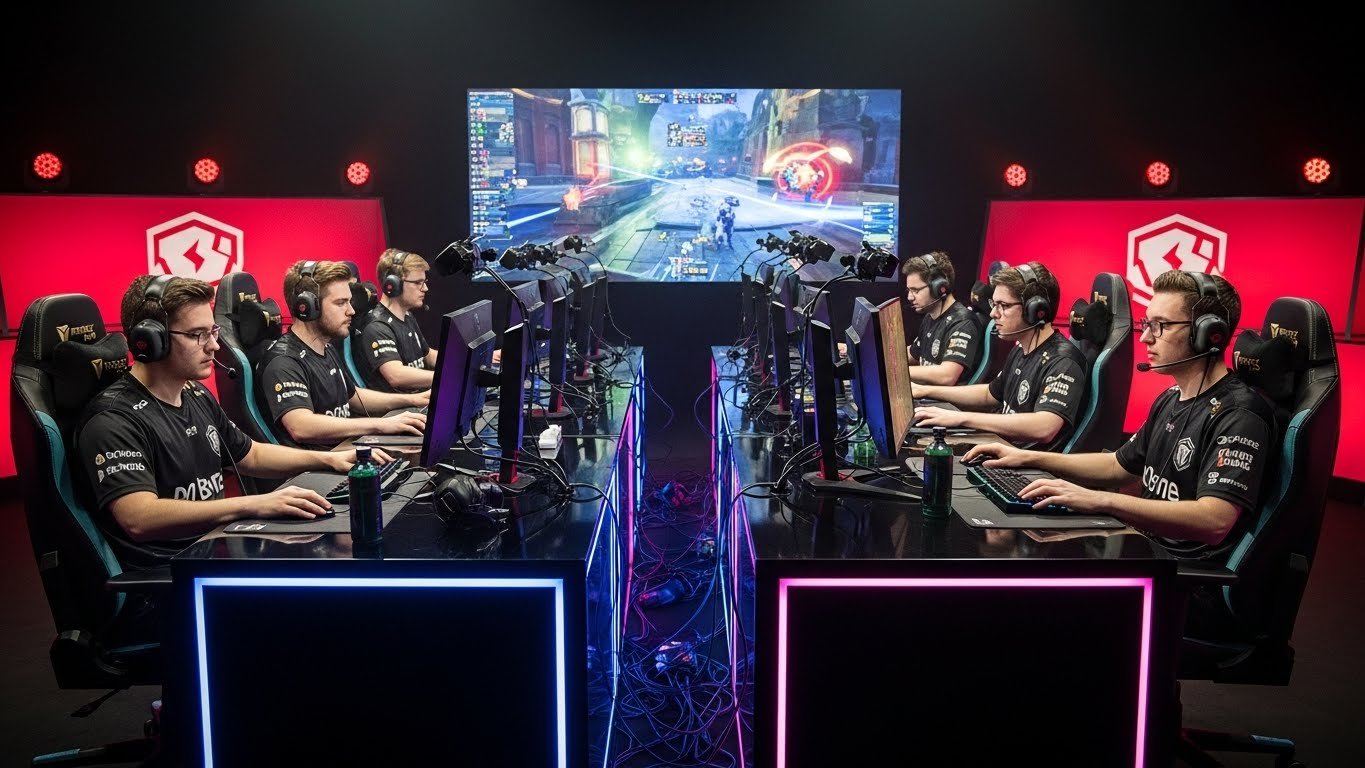
Professionalization has been a major factor in the growth of esports. Today, esports athletes are recognized as professional competitors, with salaries, sponsorships, and endorsements comparable to traditional sports. Leagues such as the League of Legends Championship Series, Call of Duty League, and Dota 2’s The International have turned esports into organized, structured competitions with global audiences.
The infrastructure around professional esports has also expanded. Teams employ coaches, analysts, and nutritionists to optimize player performance. Stadiums, arenas, and online streaming platforms host competitions with prize pools reaching millions of dollars. The professionalization of esports has elevated it from casual gaming to a legitimate, career-oriented pursuit, attracting talent worldwide.
The Economic Impact of Esports
Esports has become a major economic force. Sponsorships, advertising, merchandise, and ticket sales generate billions of dollars annually. Tech companies, energy drink brands, and apparel companies invest heavily in esports marketing, recognizing its potential to reach younger, digitally engaged audiences.
Streaming platforms, such as Twitch and YouTube Gaming, have created new revenue streams for both players and organizations. Streamers can earn through subscriptions, donations, and sponsorship deals, while esports tournaments broadcasted online reach millions of viewers globally. This economic ecosystem not only supports professional players but also creates opportunities for content creators, event organizers, and technology developers.
Esports and Digital Communities
One of the defining features of esports is its ability to create vibrant digital communities. Fans connect through social media, forums, and live streams to share strategies, celebrate victories, and engage in discussions about their favorite games and players. These communities foster a sense of belonging and shared identity, even for individuals separated by geography.
The interactive nature of esports also enhances engagement. Fans can watch live streams, participate in chats, and even influence gameplay through interactive features on streaming platforms. This level of interaction creates a deeper connection between players and audiences, setting esports apart from traditional spectator sports.
Esports as a Career Path
Esports offers a variety of career paths beyond being a professional player. Game developers, event managers, marketing specialists, broadcasters, commentators, and content creators all play essential roles in the industry. Coaches and analysts use data analytics to optimize team performance, while psychologists and nutritionists ensure players’ mental and physical health.
For aspiring players, pursuing a career in esports requires discipline, skill, and dedication. Professional players practice for hours daily, studying opponents, refining strategies, and maintaining physical and mental fitness. The competitive environment is intense, but for those who succeed, it can be highly rewarding, both financially and personally.
The Role of Technology in Esports
Technology is at the heart of esports. High-performance computers, gaming peripherals, and fast internet connections are essential for competitive gameplay. Advances in graphics, latency reduction, and server optimization enhance the gaming experience for both players and viewers.
Streaming technology has revolutionized esports consumption. Platforms like Twitch allow live broadcasts to millions of viewers, while interactive overlays and analytics provide real-time insights into player performance. Virtual reality and augmented reality are also beginning to influence esports, offering immersive experiences that may redefine how players and fans engage with games in the future.
Mental and Physical Demands of Esports
Contrary to common stereotypes, esports requires significant mental and physical effort. Competitive gaming demands quick reflexes, strategic thinking, focus, and decision-making under pressure. Players must analyze opponents’ strategies, adapt in real-time, and maintain consistency over long hours of gameplay.
Physical health is equally important. Many professional players follow fitness routines and practice ergonomic habits to prevent injuries like carpal tunnel syndrome and eye strain. Mental resilience is crucial, as players face high expectations, criticism, and the stress of competition. Balancing mental and physical wellbeing is a key aspect of sustaining a successful esports career.
Esports and Education
Esports is also influencing education. Universities and schools worldwide are offering esports programs, scholarships, and degree courses in game design, analytics, and management. These programs equip students with technical skills, teamwork, and leadership abilities applicable both in and outside gaming.
Educational institutions recognize that esports teaches problem-solving, critical thinking, and collaboration. Students involved in competitive gaming learn to strategize, communicate effectively, and manage time efficiently. By integrating esports into academic environments, institutions are preparing students for careers in technology, entertainment, and digital media.
Global Esports Tournaments
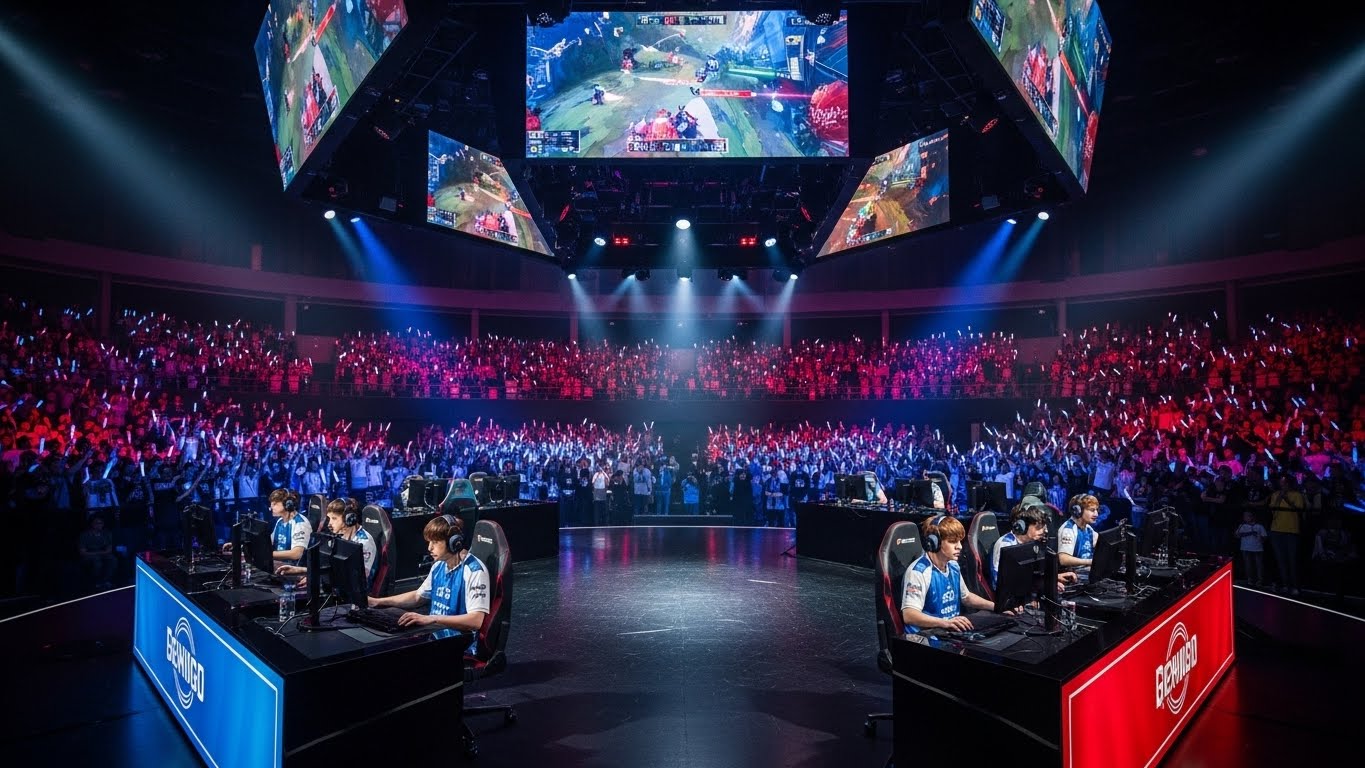
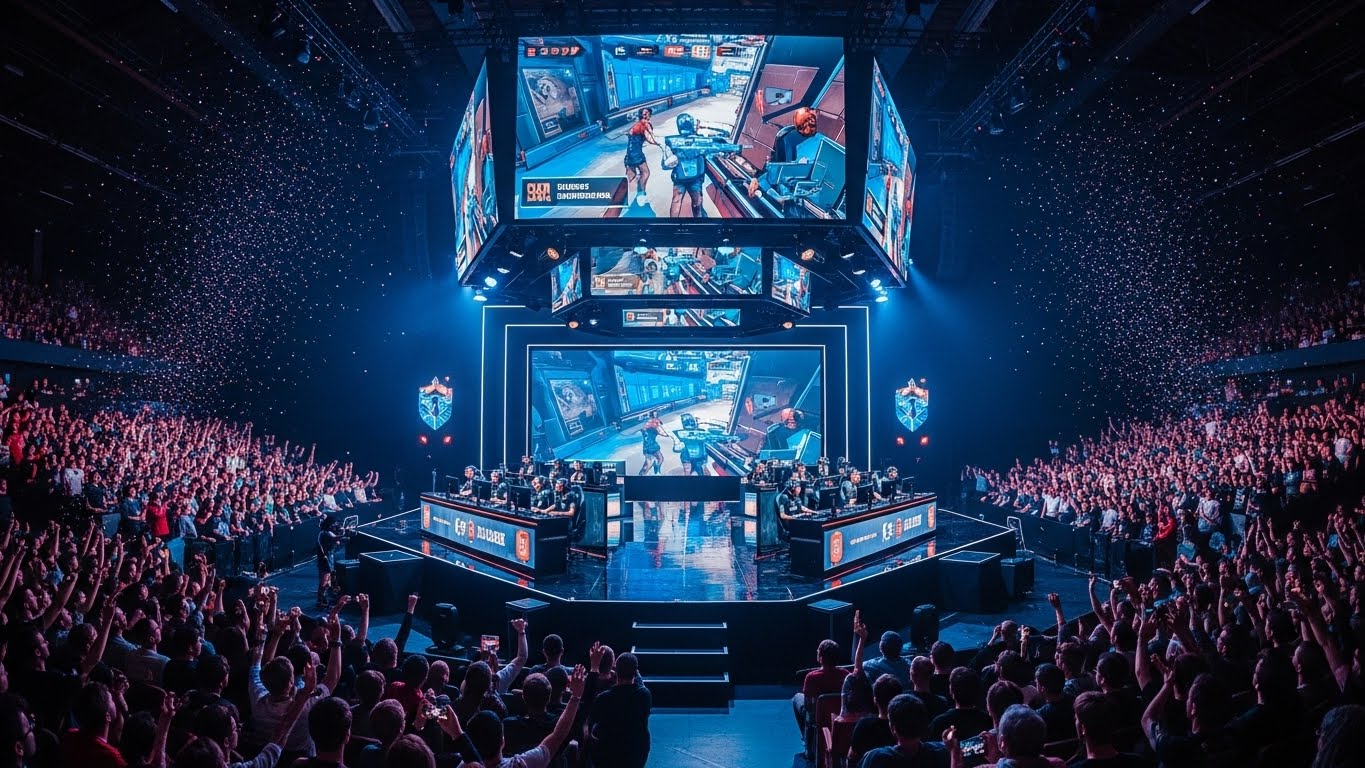
International tournaments are at the pinnacle of esports, showcasing top talent and captivating global audiences. Events like the League of Legends World Championship, Dota 2 The International, and Fortnite World Cup attract millions of viewers and offer multi-million-dollar prize pools.
These tournaments are often held in massive arenas, streamed online, and broadcast on television in some regions. Fans travel across countries to witness live competitions, creating a festival-like atmosphere. The global reach of these events underscores esports’ universal appeal, bridging cultural and linguistic barriers through shared passion and competition.
Challenges Facing Esports
Despite its growth, esports faces several challenges. One major issue is regulation. The industry is relatively young, and consistent rules around contracts, player rights, and tournament organization are still evolving. Ensuring fair competition and preventing cheating or hacking is an ongoing concern.
Mental health is another critical challenge. High-pressure environments, long practice hours, and constant public scrutiny can lead to stress, burnout, and anxiety. Organizations are increasingly recognizing the need for support systems, including counseling, physical training, and balanced schedules, to safeguard players’ wellbeing.
Additionally, the gender gap in esports remains significant. Women and non-binary players are underrepresented in professional competitions, sponsorship opportunities, and organizational leadership. Addressing inclusivity and diversity is essential for creating a sustainable and equitable esports ecosystem.
The Future of Esports
The future of esports looks bright, with continuous growth expected in both participation and audience size. Emerging technologies like virtual reality, cloud gaming, and artificial intelligence will further enhance gameplay and viewer experiences. The integration of esports with mainstream entertainment, sports, and education will expand its cultural influence.
Esports is likely to see more cross-industry collaborations, such as partnerships with traditional sports teams, media companies, and tech innovators. As awareness and recognition increase, esports may achieve even broader legitimacy, becoming a standard form of professional competition globally.
Esports as a Cultural Phenomenon
Beyond competition and entertainment, esports is a cultural phenomenon. It influences fashion, music, digital art, and social media trends. Gaming content creators and professional players often become cultural icons, shaping the tastes and behaviors of younger generations.
Esports reflects the digital-first nature of contemporary culture. It emphasizes connectivity, creativity, and collaboration while challenging traditional notions of sports and competition. As a cultural movement, esports demonstrates how technology can redefine entertainment, identity, and global interaction.
Conclusion: More Than Just a Game
Esports is far more than a hobby or pastime; it is a global industry, a cultural movement, and a platform for innovation. From its early arcade roots to professional leagues, international tournaments, and digital communities, esports has reshaped the way people play, watch, and engage with games.
The impact of esports extends beyond the screen. It creates economic opportunities, inspires new careers, fosters education, and builds communities across the world. It challenges traditional sports, embraces technology, and celebrates human skill and creativity.
As esports continues to evolve, it promises to influence society, technology, and culture for decades to come. For players, fans, and enthusiasts, esports is not just about winning or watching—it is about connection, innovation, and the shared passion for a digital world where competition meets creativity.
Esports proves that in the digital age, games are not just entertainment—they are a platform where talent, technology, and culture converge to create a phenomenon unlike any other.