




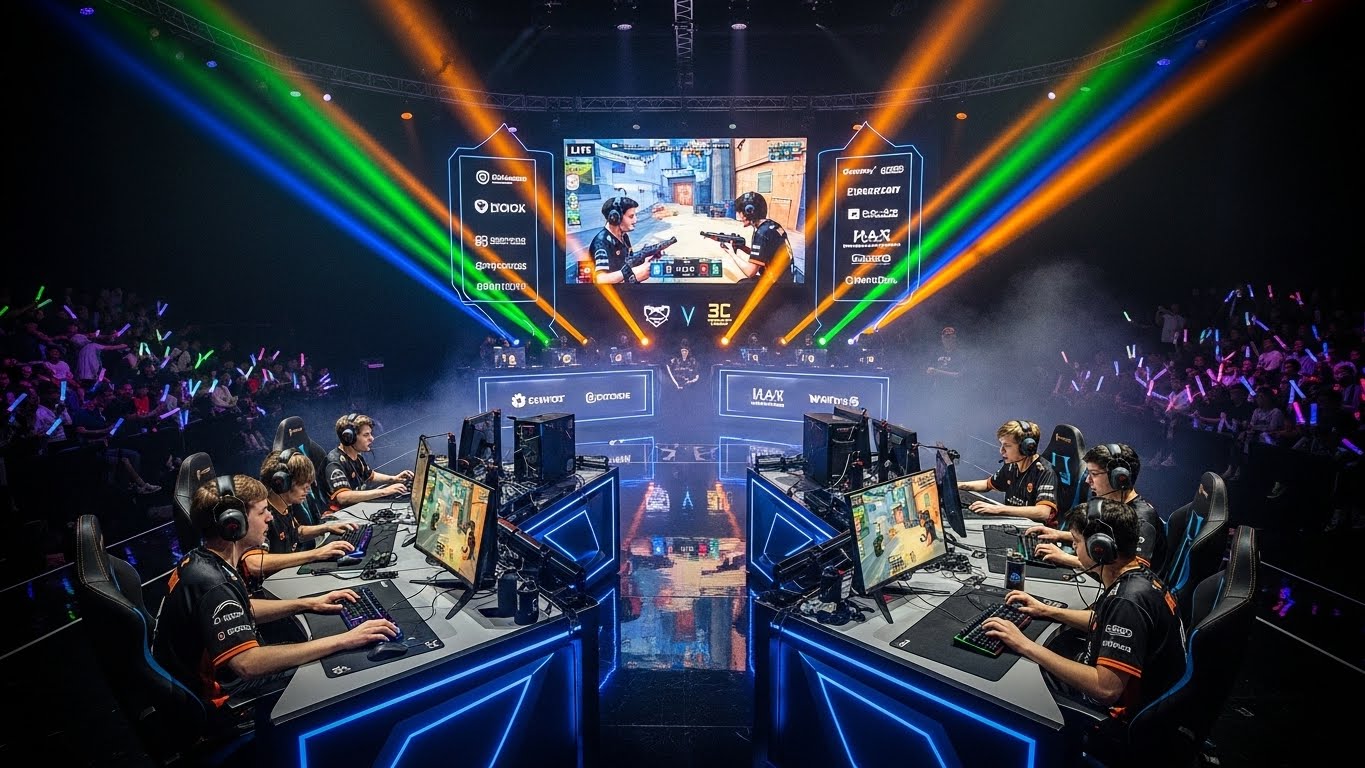
Introduction: The Rise of a New Arena
Esports, once dismissed as a niche hobby for gamers, has evolved into a global competitive phenomenon. What started in small internet cafés and local tournaments has transformed into packed stadiums, million-dollar prize pools, and professional athletes with worldwide fan bases. Esports is no longer just about playing games; it is about strategy, teamwork, entertainment, business, and culture. In many ways, it mirrors traditional sports while also creating an entirely new model of competition suited for the digital generation.
This blog explores the journey of esports, its structure, cultural impact, economic influence, and future potential, showing why it has become one of the most powerful forces in modern entertainment.
Understanding Esports: More Than Just Gaming
Esports, short for electronic sports, refers to organized, competitive video gaming. Unlike casual gaming, esports involves structured leagues, professional teams, coaches, analysts, and strict rulesets. Games commonly played in esports include multiplayer online battle arenas, first-person shooters, real-time strategy games, and sports simulations.
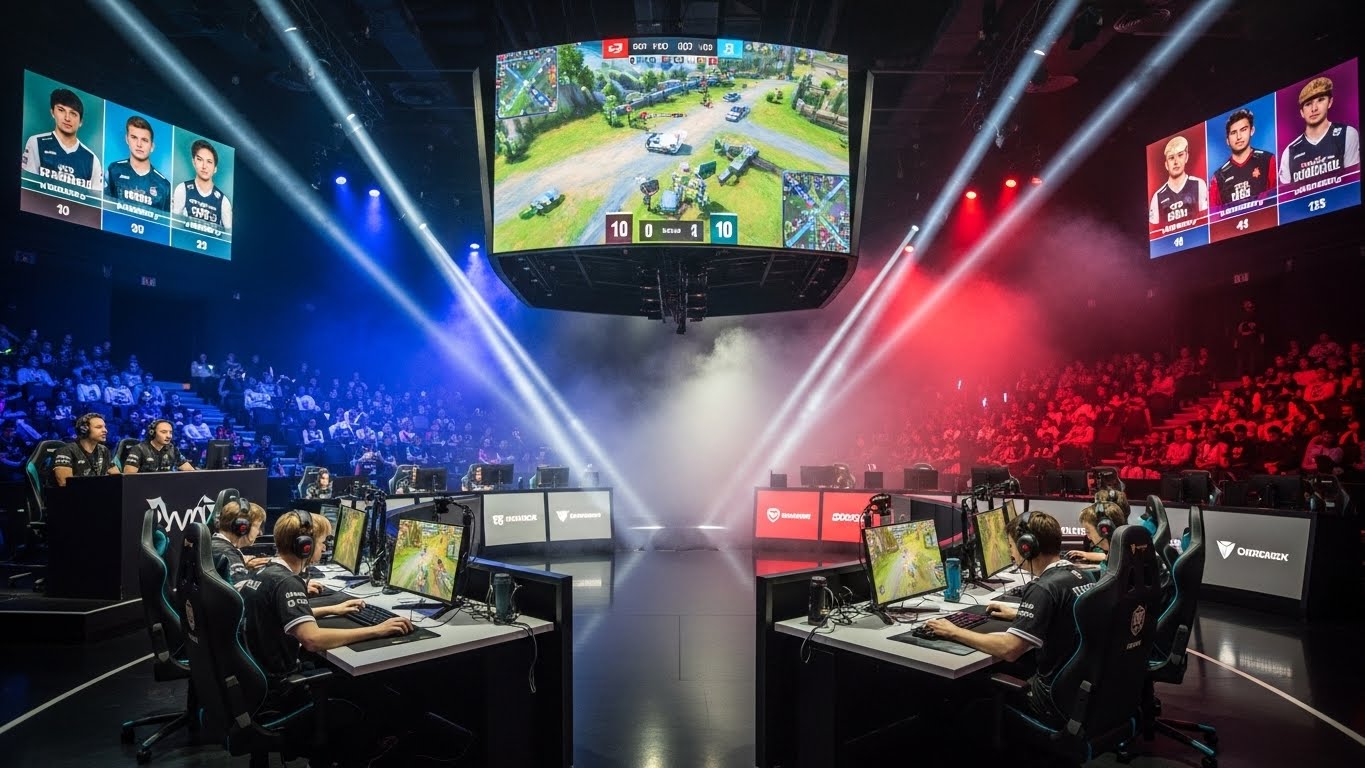
What separates esports from regular gaming is competition at the highest level. Players train for hours daily, refining mechanical skills, reaction times, decision-making, and teamwork. Matches are broadcast to audiences across the globe, complete with commentators, analysts, and production quality similar to major sporting events.
The Evolution of Esports Over Time
The roots of esports can be traced back to the late twentieth century, when competitive arcade games and early computer tournaments began attracting attention. As internet connectivity improved, online multiplayer gaming allowed players from different regions to compete regularly.
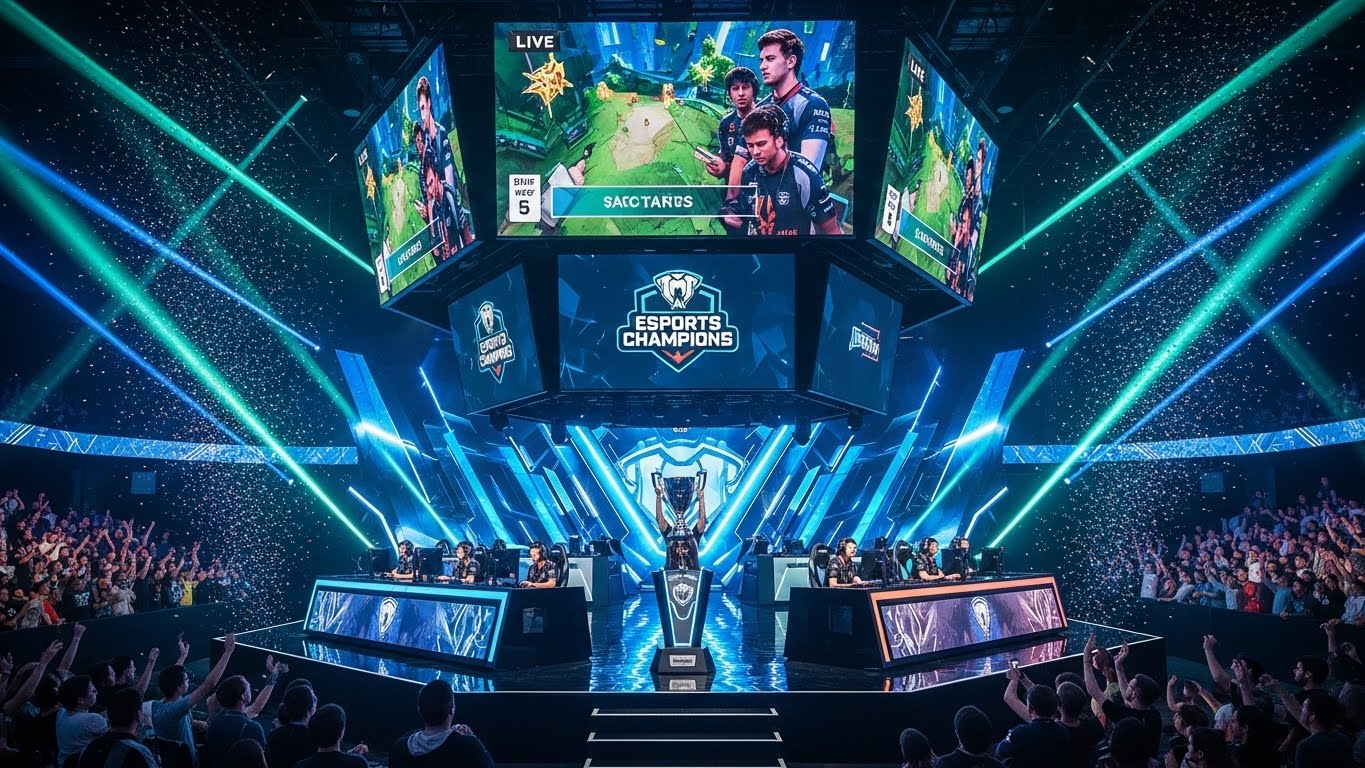
The real turning point came with the rise of streaming platforms and global game publishers investing heavily in competitive ecosystems. Prize pools grew rapidly, tournaments became international, and esports organizations began operating like traditional sports franchises. Today, esports has a structured ecosystem that supports players, broadcasters, sponsors, and fans alike.
Esports Games and Competitive Formats
Esports is not defined by a single game but by a diverse range of titles, each with its own competitive structure. Some games emphasize fast reflexes and precision, while others focus on long-term strategy and coordination.
Competitive formats vary widely. Some leagues operate on seasonal schedules with regular matches and playoffs, while others revolve around major tournaments held several times a year. International championships often bring together the best teams from different regions, creating storylines and rivalries that captivate audiences.
This diversity allows esports to appeal to a wide range of players and viewers, ensuring constant evolution and innovation.
The Professional Esports Athlete
Professional esports players are often misunderstood. While they may not engage in physical contact like traditional athletes, their discipline and dedication are comparable. Training schedules can exceed eight to ten hours a day, including individual practice, team scrims, strategy review, and mental conditioning.
Reaction time, hand-eye coordination, and cognitive endurance are critical skills. Many teams also focus on nutrition, sleep, and physical exercise to maintain peak performance. The career span of an esports athlete can be short, which makes performance pressure intense and constant improvement essential.
Teams, Organizations, and Management
Esports teams are complex organizations. Beyond players, they include coaches, analysts, managers, psychologists, and content creators. Team branding, fan engagement, and sponsorship management are just as important as winning matches.
Organizations invest heavily in talent development, scouting young players, and building long-term strategies. Successful teams create strong identities that resonate with fans, turning players into recognizable personalities and role models within the gaming community.
The Role of Streaming and Media
One of the biggest drivers of esports growth is accessibility. Fans can watch matches live from anywhere, interact with streamers, and engage in real-time discussions. Streaming has blurred the line between player and entertainer, allowing professionals to build personal brands beyond competition.
Media coverage has also matured, with pre-match analysis, post-match breakdowns, and documentary-style content. This storytelling aspect has helped esports connect emotionally with viewers, turning matches into memorable moments rather than isolated events.
Economic Impact and Career Opportunities
Esports has created an entire economy around competitive gaming. Revenue streams include sponsorships, advertising, merchandise, ticket sales, and media rights. This growth has opened doors to numerous careers beyond playing, such as coaching, broadcasting, event management, marketing, game development, and data analysis.
Educational institutions are also recognizing esports as a legitimate field, offering scholarships and academic programs related to game design, esports management, and digital media. For many young people, esports represents not just entertainment but a viable professional path.
Esports and Global Culture
Esports transcends borders. Players from different countries compete on equal footing, united by shared rules and digital platforms. International tournaments showcase cultural diversity while fostering global communities.
Language barriers are reduced through shared gameplay understanding, and fans often support teams from regions they have never visited. Esports has become a cultural bridge, connecting people through competition, creativity, and shared passion.
Challenges Facing the Esports Industry
Despite its growth, esports faces several challenges. Player burnout, mental health concerns, and career instability are significant issues. The fast-paced nature of the industry demands constant performance, which can take a toll on individuals.
There are also concerns about governance, competitive integrity, and sustainability. Different games operate under different rules, often controlled by publishers, which can create inconsistencies. Addressing these challenges is essential for long-term stability and credibility.
The Relationship Between Esports and Traditional Sports
Esports and traditional sports are no longer separate worlds. Many sports organizations have invested in esports teams, recognizing their appeal to younger audiences. Training methods, analytics, and fan engagement strategies increasingly overlap between the two fields.
At the same time, esports challenges traditional definitions of sport by emphasizing mental agility over physical strength. This shift reflects broader changes in how society values skill, competition, and entertainment in the digital era.
The Future of Esports
The future of esports looks promising and dynamic. Advancements in technology such as virtual reality, augmented reality, and artificial intelligence may redefine how games are played and watched. New titles will emerge, while established games continue to evolve.
As regulation improves and support systems strengthen, esports is likely to become even more professional and inclusive. Its influence on media, culture, and education will continue to expand, shaping how future generations view competition and collaboration.
Conclusion: A Digital Revolution in Competition
Esports represents more than competitive gaming; it is a reflection of how technology reshapes human interaction and entertainment. From humble beginnings to global recognition, esports has proven its staying power through innovation, community, and passion.
As the digital world continues to grow, esports stands as a symbol of modern competition, where skill, strategy, and connection matter more than physical boundaries. It is not just the future of gaming, but a defining part of contemporary culture.