





Esports, once considered a niche hobby, has grown into a global phenomenon that rivals traditional sports in popularity, revenue, and cultural influence. Competitive gaming has transformed from casual tournaments in basements to professional leagues with millions of viewers, sponsorship deals, and international competitions. In this blog post, we explore the rise of esports, its cultural and economic impact, the technology behind it, and the trends shaping its future.
The Origins of Esports
The history of competitive gaming dates back to the 1970s and 1980s, when early video games like Pong and Space Invaders introduced the idea of player competition. The first recorded video game competition occurred in 1972 at Stanford University, where players competed for recognition rather than prize money. As gaming grew in popularity, arcade tournaments became more common, particularly in the 1980s, giving birth to early esports culture.
The 1990s saw the rise of multiplayer PC games such as Doom, Quake, and StarCraft, which laid the foundation for professional esports. Players began forming teams, developing strategies, and competing in organized leagues. The advent of the internet further expanded esports, allowing gamers to compete globally and paving the way for large-scale tournaments and a dedicated fanbase.
The Growth of Esports as an Industry
Esports has evolved into a multi-billion-dollar industry with professional players, teams, and leagues worldwide. Major esports titles such as League of Legends, Dota 2, Counter-Strike: Global Offensive, and Fortnite have attracted massive audiences, both online and in stadiums. Large-scale tournaments now offer prize pools that rival those of traditional sports events, drawing attention from mainstream media and investors.
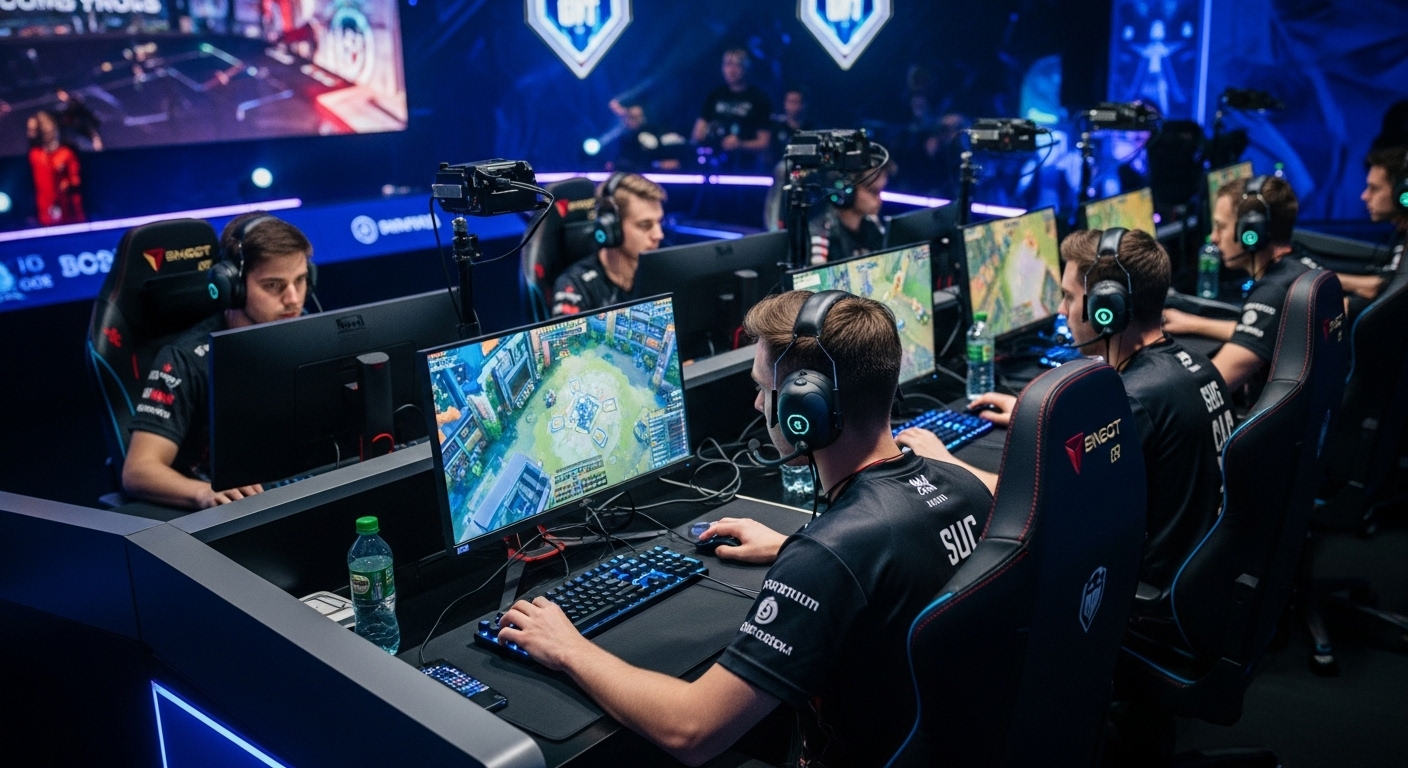
The professionalization of esports has led to structured leagues, team sponsorships, player contracts, and dedicated coaching staff. Organizations now operate like sports franchises, investing in player development, branding, and fan engagement. Streaming platforms have also enabled players to reach millions of viewers, creating personal brands and global recognition. Esports has truly become a legitimate career path for skilled gamers.
The Role of Technology in Esports
Technology plays a critical role in the growth and accessibility of esports. High-performance computers, gaming consoles, and peripherals ensure that players can compete at the highest level. Reliable internet connectivity enables real-time gameplay, connecting players and audiences across the globe.
Streaming platforms and digital media have transformed how esports is consumed. Platforms allow fans to watch live tournaments, follow their favorite players, and engage with communities. In addition, advanced analytics and data tracking enhance player performance, helping teams refine strategies and optimize training. Technology has made esports a professional and spectator-friendly industry, bridging the gap between virtual competition and real-world entertainment.
Popular Esports Titles and Their Impact
Certain esports titles have had a significant influence on the industry. Multiplayer online battle arena games like League of Legends and Dota 2 are known for their strategic depth and team-oriented gameplay, attracting millions of competitive players. First-person shooters like Counter-Strike: Global Offensive and Call of Duty focus on reflexes and tactical coordination, appealing to a wide audience. Battle royale games like Fortnite and Apex Legends combine fast-paced action with survival mechanics, creating exciting, high-stakes competitions.
These games are not only competitive platforms but also cultural touchstones, shaping trends in fashion, music, and online content. They inspire fan communities, streaming content, and merchandise, further integrating esports into global entertainment culture.
The Economics of Esports
Esports has grown into a major economic force. Revenue streams include tournament prize money, team sponsorships, streaming subscriptions, advertising, and merchandise sales. Leading organizations partner with global brands, securing sponsorship deals that rival those in traditional sports. Prize pools for top-tier tournaments can reach millions of dollars, incentivizing players to train and compete professionally.
The industry also creates jobs beyond competitive play. Analysts, coaches, broadcasters, event organizers, content creators, and marketing professionals contribute to the ecosystem. The economic impact of esports extends to tourism as well, with international tournaments attracting fans from around the world and boosting local economies. Esports is no longer a hobby; it is a significant driver of economic growth in the entertainment sector.
The Rise of Esports as a Spectator Sport
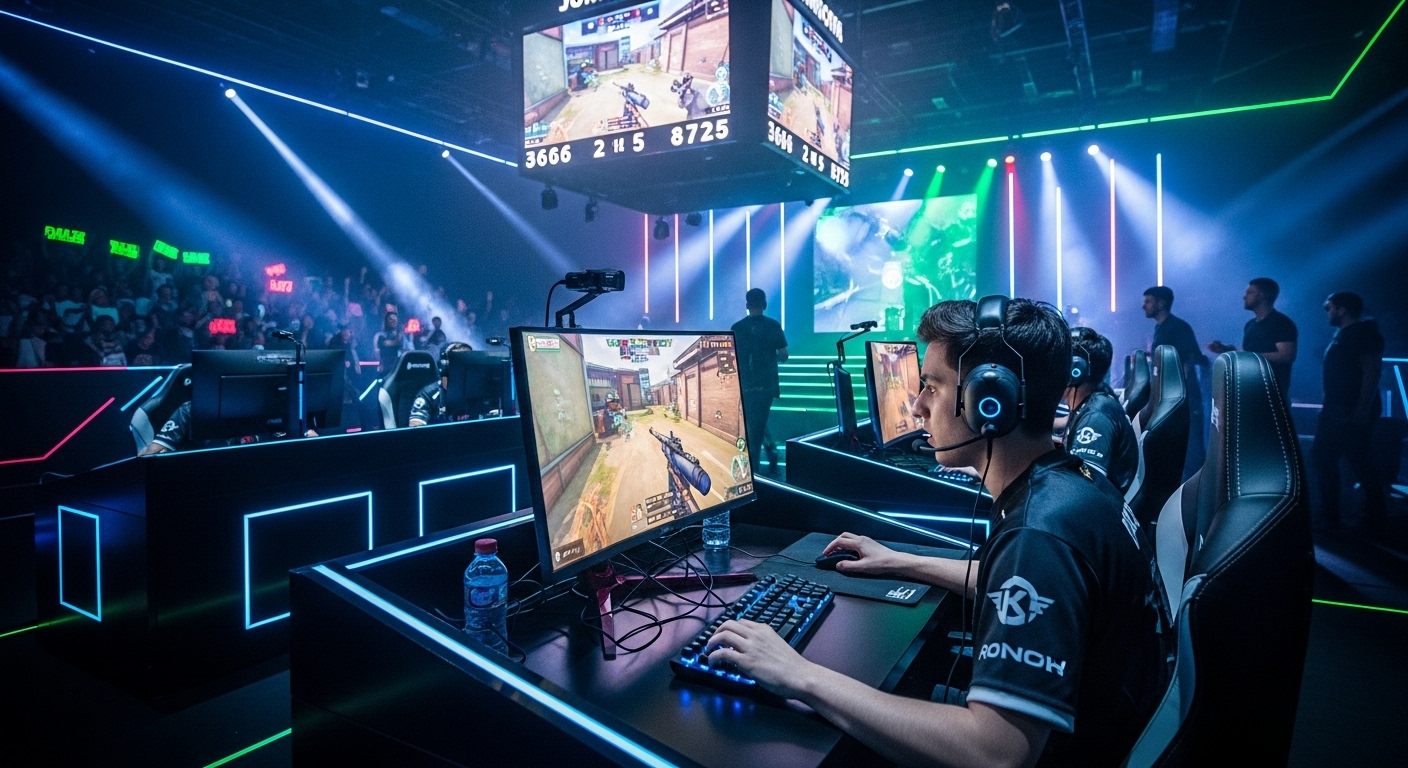
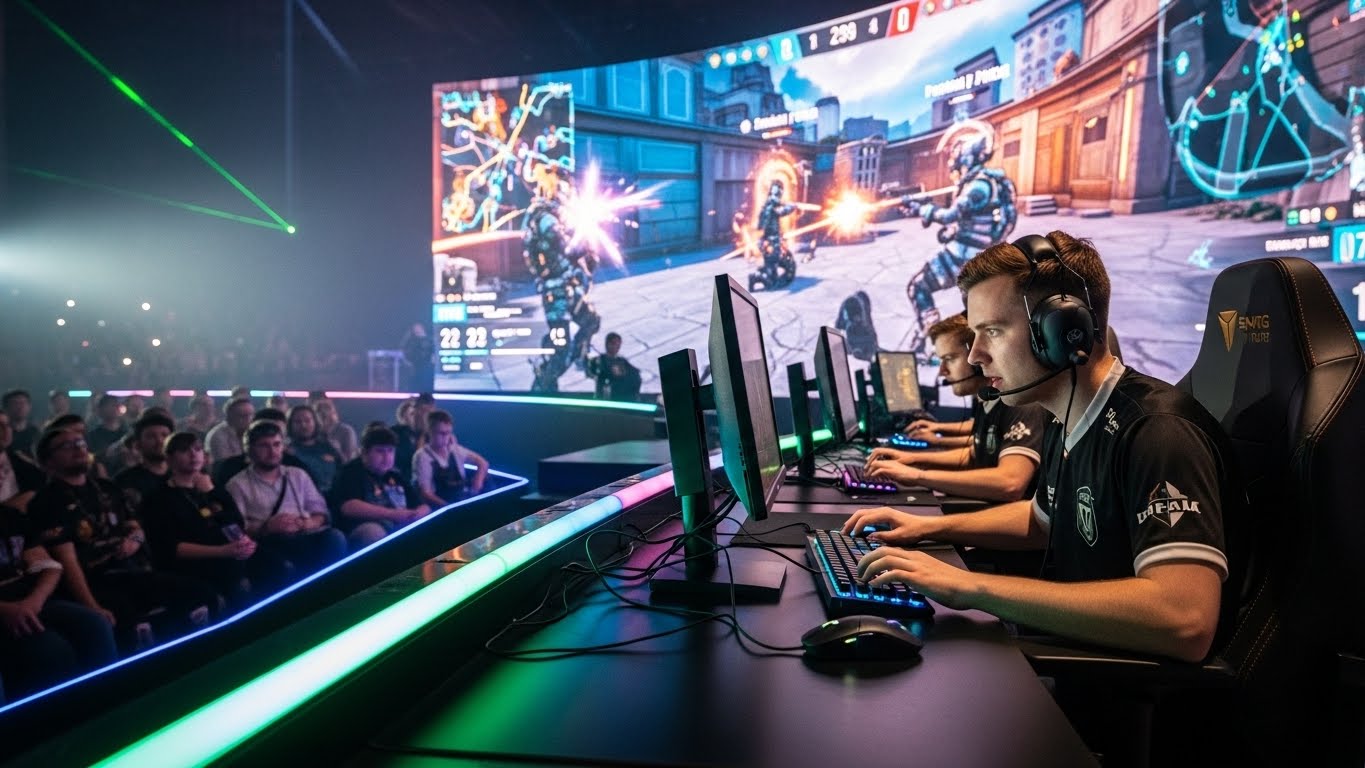
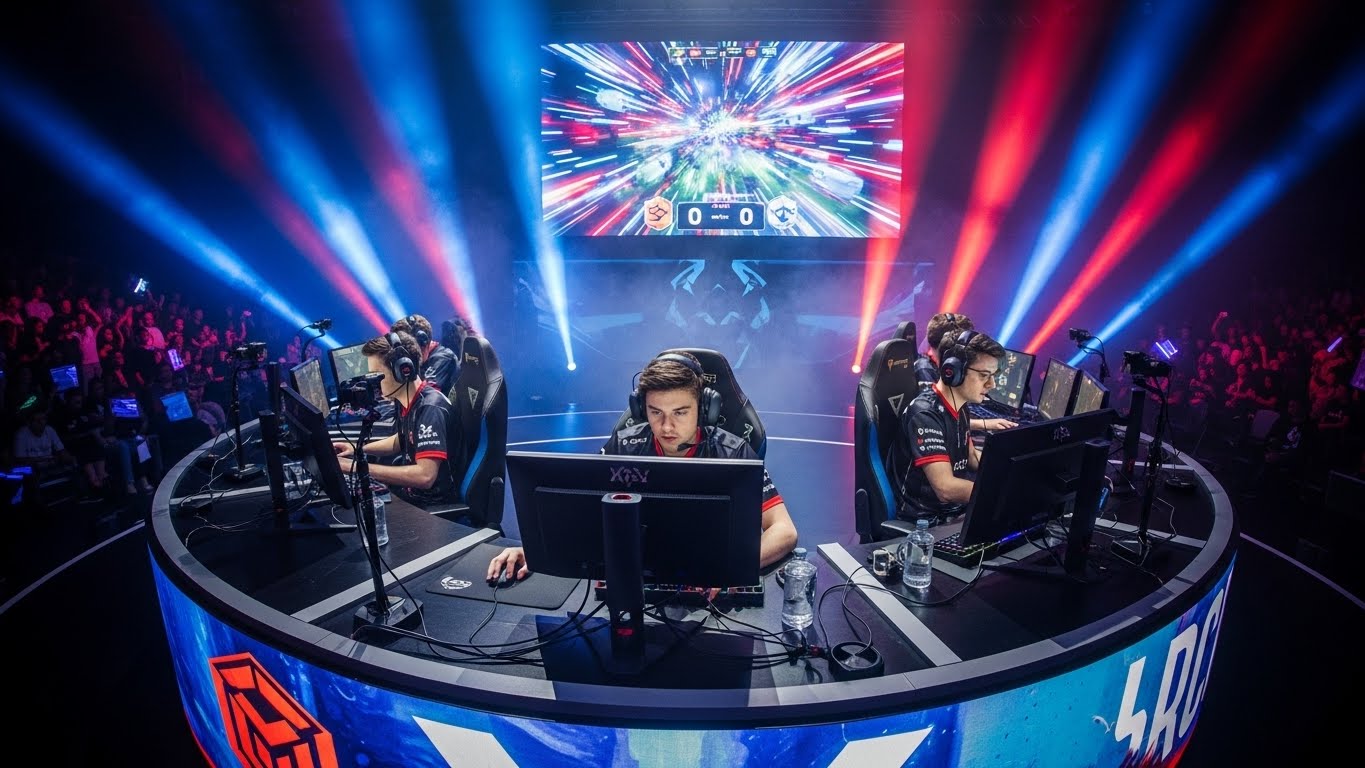
Spectatorship is central to the appeal of esports. Unlike traditional gaming, esports is designed to be watched and analyzed, with live commentary, in-game statistics, and professional production value. Large-scale tournaments are held in arenas with thousands of fans, while millions more watch online from home. The experience is comparable to that of traditional sports, complete with cheering crowds, team rivalries, and highlight moments.
Esports broadcasts also offer interactive features, allowing viewers to engage directly with the game, comment on strategies, and follow multiple perspectives. This level of engagement has strengthened fan communities and created a sense of belonging for global audiences. Esports has successfully transformed competitive gaming into a spectator-driven entertainment phenomenon.
The Social and Cultural Impact of Esports
Esports has had a profound impact on modern culture. It has challenged stereotypes about gaming, showing that it can be a legitimate, skill-based competitive pursuit. Professional players are admired like traditional athletes, inspiring new generations of gamers. Esports also fosters collaboration, strategic thinking, and problem-solving, skills that translate beyond gaming.
The community aspect of esports is equally important. Online forums, streaming platforms, and social media allow fans and players to connect, share experiences, and celebrate achievements. Cosplay, fan art, and online tournaments contribute to a vibrant culture that extends far beyond the games themselves. Esports has become a global cultural phenomenon, influencing entertainment, media, and social interactions.
Training and Professionalism in Esports
Professional esports players approach gaming with the same dedication and discipline as traditional athletes. Rigorous training schedules, strategic analysis, and team coordination are critical to success. Many players work with coaches to improve mechanics, teamwork, and mental resilience. Nutrition, physical fitness, and mental health are increasingly emphasized, recognizing the demands of high-level competition.
Esports academies and training programs are emerging to develop young talent, offering structured education and mentorship. These programs ensure that players are equipped with the skills and knowledge required to compete at the highest level. Professionalism in esports has elevated the industry, legitimizing it as a competitive and respected field.
Challenges Facing the Esports Industry
Despite its rapid growth, esports faces several challenges. Player burnout, intense competition, and high expectations can lead to stress and mental health issues. Maintaining fair play and preventing cheating is an ongoing concern, requiring advanced technology and strict regulations. Additionally, the industry must address diversity and inclusivity, ensuring that opportunities are available to all players regardless of gender, ethnicity, or background.
Balancing commercialization with authenticity is another challenge. As sponsorships and monetization grow, organizations must maintain fan trust and player well-being while generating revenue. Addressing these challenges is essential for the sustainable growth of esports.
The Future of Esports
The future of esports is bright, with opportunities for expansion, innovation, and mainstream recognition. Virtual reality and augmented reality technologies promise more immersive competitive experiences. Cross-platform play and mobile esports are making competitions accessible to wider audiences. Artificial intelligence may enhance training, strategy analysis, and even game design.
Esports is also likely to continue integrating with traditional sports, entertainment, and media. Collaborative events, hybrid competitions, and esports coverage in mainstream broadcasts will further solidify its status as a major global industry. As esports evolves, it will continue to inspire, entertain, and connect players and audiences worldwide.
Conclusion: Esports as a Cultural and Competitive Force
Esports has transformed competitive gaming from a casual pastime into a global phenomenon that rivals traditional sports. Its growth is driven by technology, passionate communities, and professionalization, creating opportunities for players, teams, and audiences alike. With its cultural impact, economic significance, and potential for innovation, esports represents the future of entertainment in a digital world.
The rise of esports demonstrates that gaming is more than a hobby—it is a platform for competition, creativity, and social connection. As the industry continues to expand, it will shape the way we play, watch, and experience entertainment, proving that esports is not just a trend, but a lasting force in global culture.