




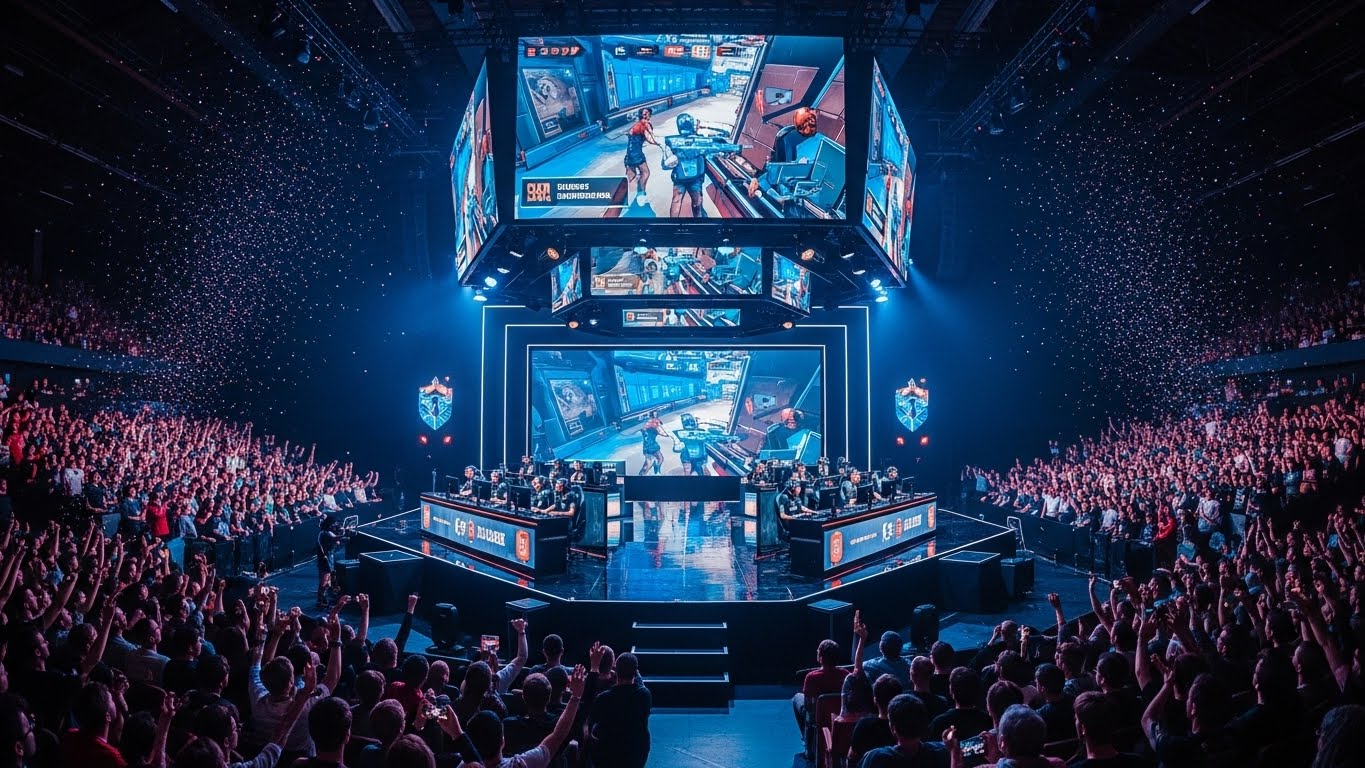
Esports has emerged as one of the most transformative forms of modern entertainment and competition. What began as casual video gaming among friends has evolved into a global industry featuring professional athletes, packed arenas, international tournaments, and millions of passionate fans. Esports is no longer confined to screens in bedrooms or internet cafes; it now commands the same respect, attention, and influence as traditional sports. This blog explores the evolution of esports, its cultural and economic impact, and its role in shaping the future of competition and digital society.
Understanding What Esports Truly Is
Esports, short for electronic sports, refers to organized competitive video gaming where individuals or teams compete under structured rules in tournaments and leagues. Unlike casual gaming, esports demands discipline, strategy, quick reflexes, teamwork, and mental resilience. Players train rigorously, often for many hours a day, to master mechanics, strategies, and coordination.
Esports includes a wide variety of game genres. Multiplayer online battle arena games emphasize teamwork and strategic planning. First-person shooters focus on precision, reaction time, and tactical movement. Strategy games require long-term planning and decision-making, while battle royale titles combine survival instincts with adaptability. This diversity allows esports to appeal to different personalities, skills, and competitive styles.
The Early Days of Competitive Gaming
The roots of esports can be traced back to the early days of video gaming when players competed in local arcades or small tournaments. These early competitions were informal, driven by passion rather than profit. As technology improved and internet connectivity expanded, competitive gaming began to move online, allowing players to compete beyond their local communities.
The rise of online multiplayer games marked a turning point. Players could now test their skills against opponents worldwide, leading to the formation of teams, rankings, and organized competitions. What was once a hobby began to resemble a professional pursuit, setting the foundation for modern esports.
The Explosion of Esports Popularity
Esports experienced explosive growth with the rise of streaming platforms and social media. Live broadcasts allowed fans to watch tournaments in real time, follow their favorite players, and engage with communities. Viewers could learn strategies, enjoy commentary, and feel part of a shared experience.
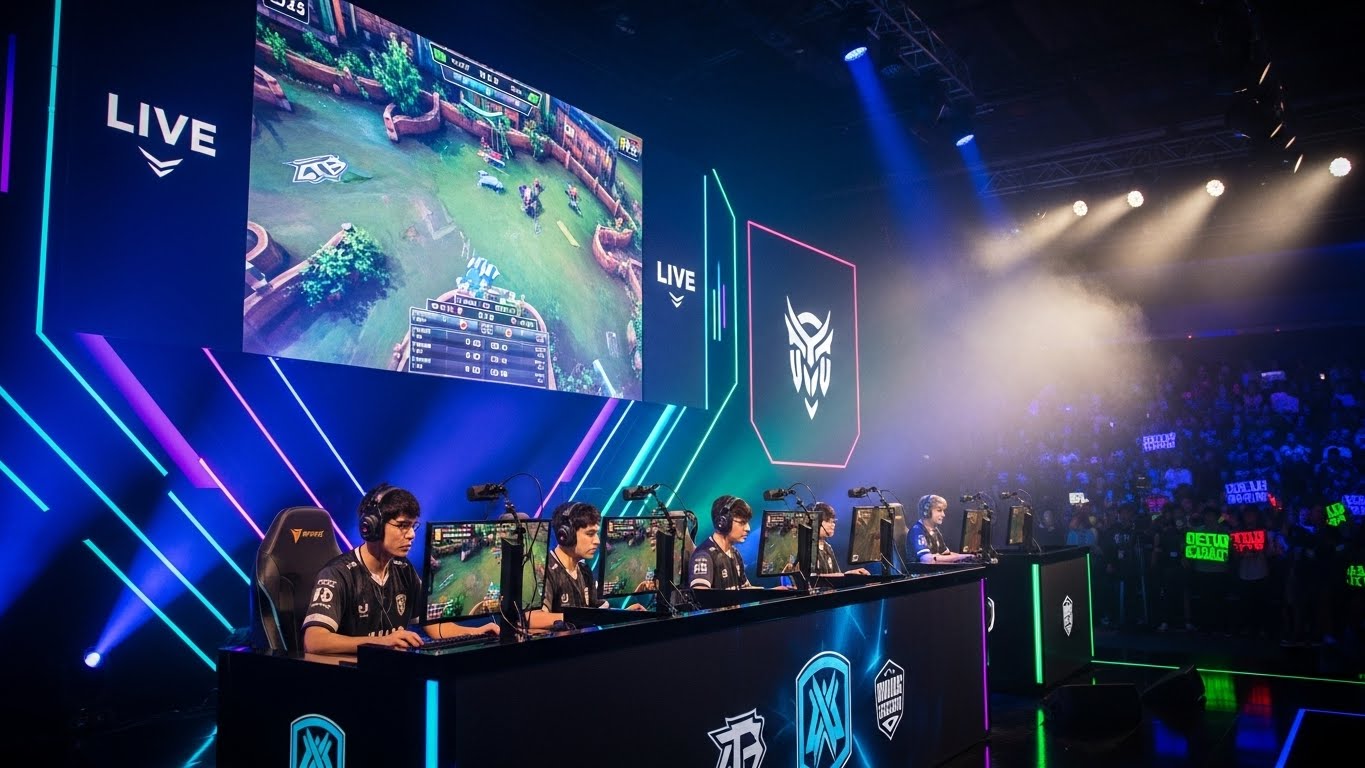
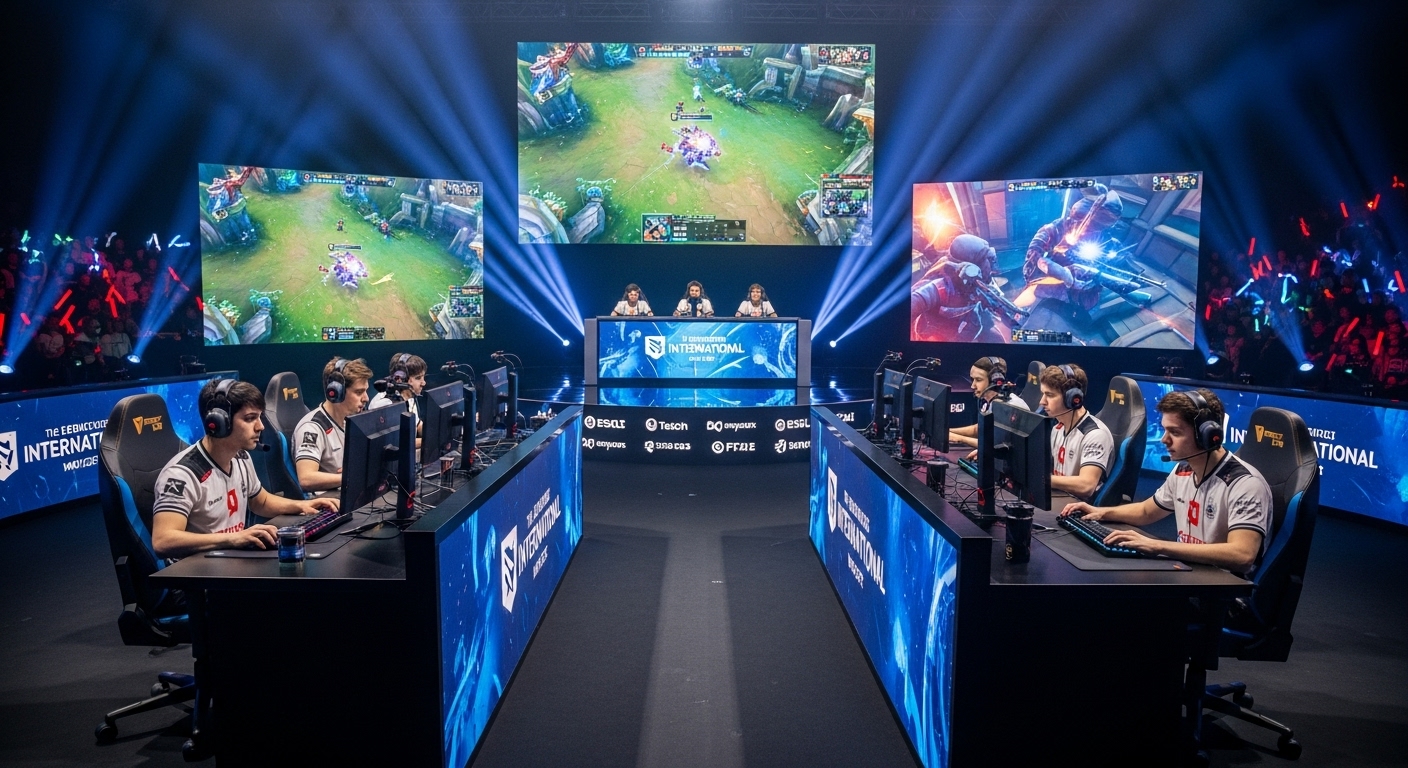
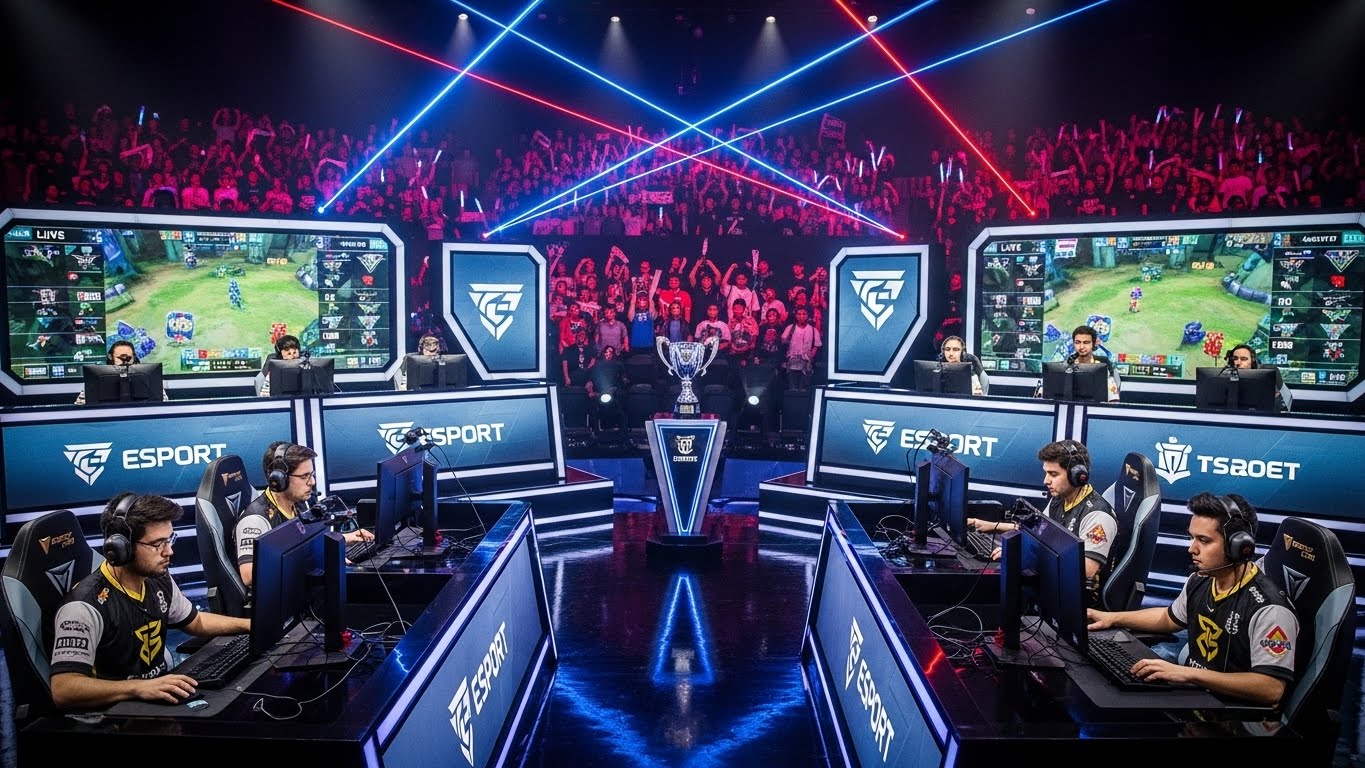
Large-scale tournaments began filling stadiums, with audiences cheering just as passionately as fans at traditional sports events. Prize pools grew dramatically, attracting sponsors, investors, and media attention. Esports had officially entered the mainstream, capturing the interest of both younger generations and established industries.
Esports as a Professional Career
Today, esports offers legitimate professional career paths. Elite players earn salaries, sponsorships, and prize money. They train with coaches, analysts, and support staff, following structured schedules similar to traditional athletes. Many teams operate from dedicated training facilities designed to optimize performance and well-being.
Beyond players, esports supports a wide range of professions. Coaches, strategists, analysts, commentators, event organizers, content creators, designers, and marketers all play essential roles. The esports ecosystem provides opportunities for individuals with skills in technology, media, management, and creative production.
Skill and Discipline in Esports
Esports requires a high level of skill and discipline. Players must master complex game mechanics, develop strategic awareness, and maintain peak concentration for extended periods. Quick decision-making under pressure is crucial, as a single mistake can determine the outcome of a match.
Team-based esports demand strong communication and trust. Players must coordinate strategies, adapt to opponents, and support each other in real time. These experiences foster leadership, accountability, and collaboration, skills that are valuable far beyond gaming.
Mental Strength and Performance
Mental resilience is one of the most important aspects of esports. Competitive pressure, high expectations, and constant scrutiny can be mentally demanding. Players must manage stress, maintain focus, and recover from losses quickly.
Professional esports organizations increasingly recognize the importance of mental health. Many teams incorporate psychological coaching, mindfulness practices, and balanced training routines. This shift highlights that long-term success in esports depends not only on mechanical skill but also on emotional stability and mental well-being.
Cultural Impact of Esports
Esports has become a powerful cultural force. Professional players are admired as role models, influencers, and innovators. Gaming personalities shape trends in fashion, language, and online behavior, influencing youth culture worldwide.
Esports also challenges traditional ideas about sports and competition. It demonstrates that physical strength is not the only measure of athleticism; reaction time, strategy, coordination, and mental endurance are equally important. This redefinition of competition has expanded the concept of what it means to be an athlete in the digital age.
Esports and Global Community
One of esports’ greatest strengths is its global reach. Players from different countries and cultures compete on equal footing, united by shared rules and digital platforms. International tournaments bring together diverse audiences, fostering cultural exchange and mutual respect.
Language barriers often fade within gaming environments, where shared objectives and teamwork create strong bonds. Esports communities thrive on collaboration, creativity, and shared passion, making competitive gaming a powerful tool for global connection.
Technology Driving Esports
Technology is the backbone of esports. High-performance hardware, fast internet connections, and advanced software enable smooth and competitive gameplay. Game developers continuously update titles to maintain balance, fairness, and excitement.
Data analytics plays a significant role in modern esports. Teams analyze gameplay statistics to refine strategies and identify strengths and weaknesses. Emerging technologies such as artificial intelligence and virtual reality are expanding training methods and spectator experiences, pushing esports into new dimensions.
Economic Power of the Esports Industry
The esports industry generates billions in revenue through sponsorships, advertising, merchandise, media rights, and live events. Major brands invest heavily in esports to reach digitally engaged audiences. Cities hosting large tournaments benefit from tourism, hospitality, and global exposure.
This economic growth has led to increased professionalism and infrastructure development. Leagues, governing bodies, and partnerships continue to shape esports into a sustainable and organized industry with long-term potential.
Education and Esports
Esports is increasingly being integrated into education. Schools and universities offer esports programs that emphasize teamwork, strategy, and leadership. Scholarships for competitive players recognize esports as a legitimate pursuit, combining academics with high-level competition.
Educational esports programs also teach valuable skills such as digital literacy, communication, and problem-solving. By blending learning and gaming, institutions prepare students for careers in technology, media, and competitive industries.
Challenges Facing Esports
Despite its success, esports faces challenges. Issues such as player burnout, online toxicity, cheating, and lack of standardized regulations remain concerns. The fast-paced nature of the industry can lead to short careers if player health and well-being are not prioritized.
Addressing these challenges requires cooperation among developers, organizations, players, and communities. Establishing ethical standards, promoting positive behavior, and supporting mental health are essential for sustainable growth.
The Future of Esports
The future of esports is filled with opportunity. Advancements in technology will continue to enhance gameplay, training, and viewing experiences. Virtual and augmented reality may introduce new competitive formats, while global connectivity will further expand audiences.
Esports will continue to influence entertainment, education, and digital culture. As acceptance grows, competitive gaming will become an even more integral part of modern society, bridging the gap between technology and human competition.
Conclusion: A New Era of Competition
Esports represents a new era of competition where skill, strategy, and technology converge. It has transformed gaming into a respected global sport, created careers, built communities, and reshaped cultural norms. More than just entertainment, esports is a reflection of how digital innovation can redefine human potential.
As esports continues to evolve, it will inspire future generations to compete, create, and connect in ways never before imagined. From pixels on a screen to podiums in packed arenas, esports proves that the spirit of competition thrives in every era, adapting to the world around it while bringing people together through the power of play.