




In the past decade, esports has transformed from a niche hobby into a global phenomenon. Once limited to small online tournaments and gaming communities, esports now draws millions of viewers, generates billions of dollars, and provides professional career opportunities comparable to traditional sports. Competitive gaming is no longer just a pastime—it has become a cultural, economic, and technological force shaping the modern world. This blog explores the rise of esports, its impact on players and society, and the reasons behind its meteoric growth.
Understanding Esports
Esports, short for electronic sports, refers to organized competitive video gaming where individuals or teams compete in structured tournaments. Unlike casual gaming, esports requires exceptional skill, strategic thinking, teamwork, and discipline. Games in esports span multiple genres, including multiplayer online battle arenas (MOBAs) like League of Legends, first-person shooters (FPS) such as Counter-Strike, real-time strategy games like StarCraft, and battle royale titles including Fortnite.
Each genre demands unique abilities. MOBAs focus on strategic planning, communication, and adaptability. FPS games emphasize reflexes, precision, and quick decision-making. Battle royale titles require a combination of strategy, resource management, and situational awareness. This diversity allows esports to cater to a wide audience, providing something for players and fans with different interests and skill sets.
The Evolution of Esports
Esports began as a grassroots movement. In the early 2000s, gaming tournaments were small-scale events hosted in local gaming cafes or basements. Enthusiasts organized competitions, often broadcasting gameplay online for a limited audience. Over time, the combination of improved technology, faster internet, and streaming platforms transformed esports into a mainstream phenomenon.
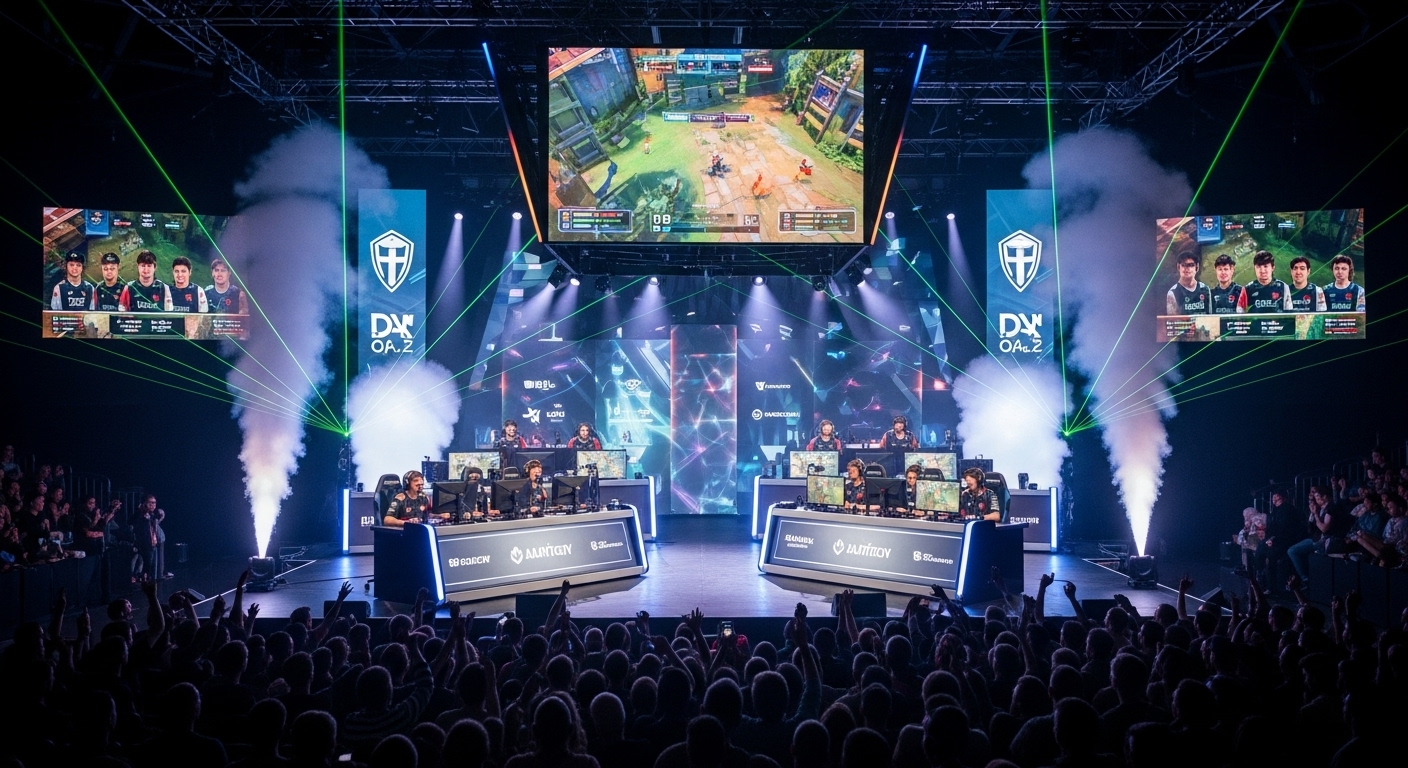
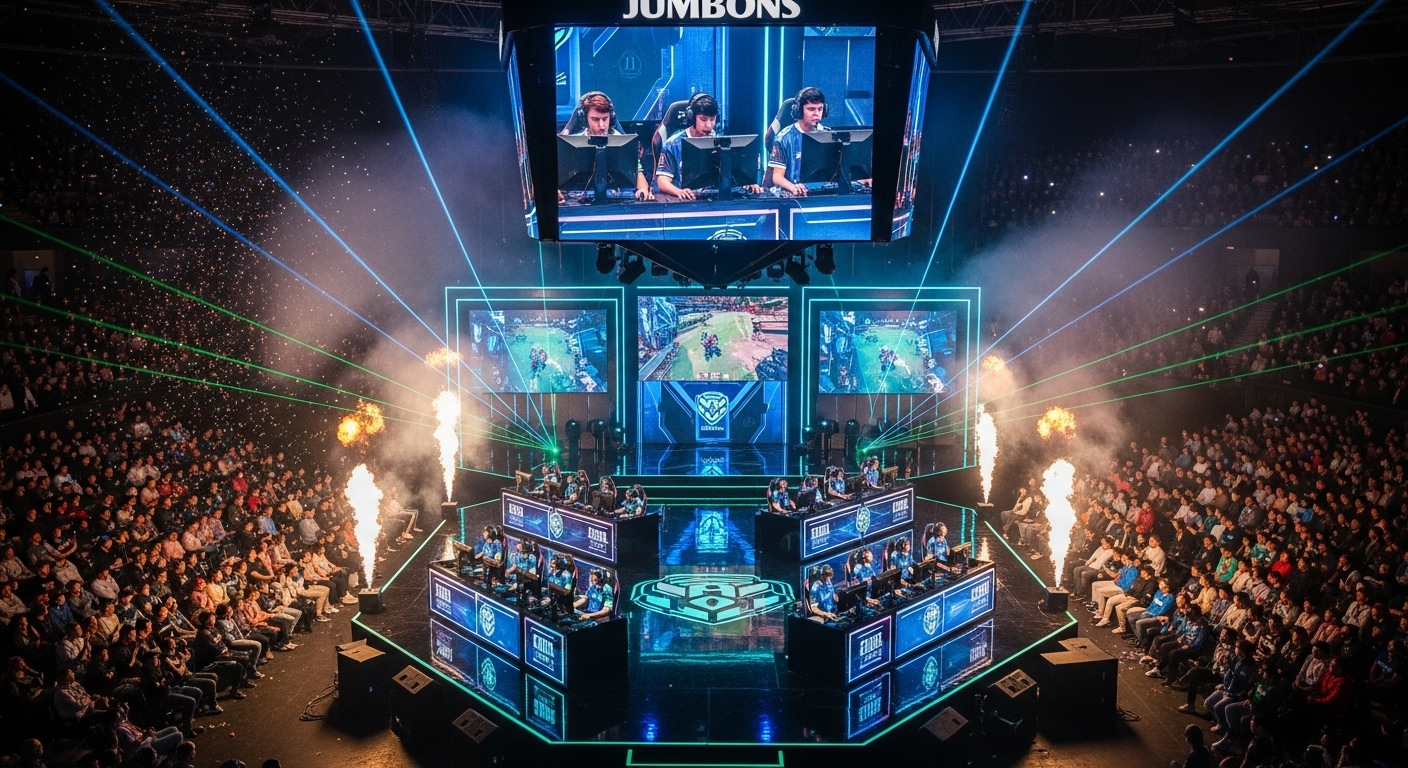
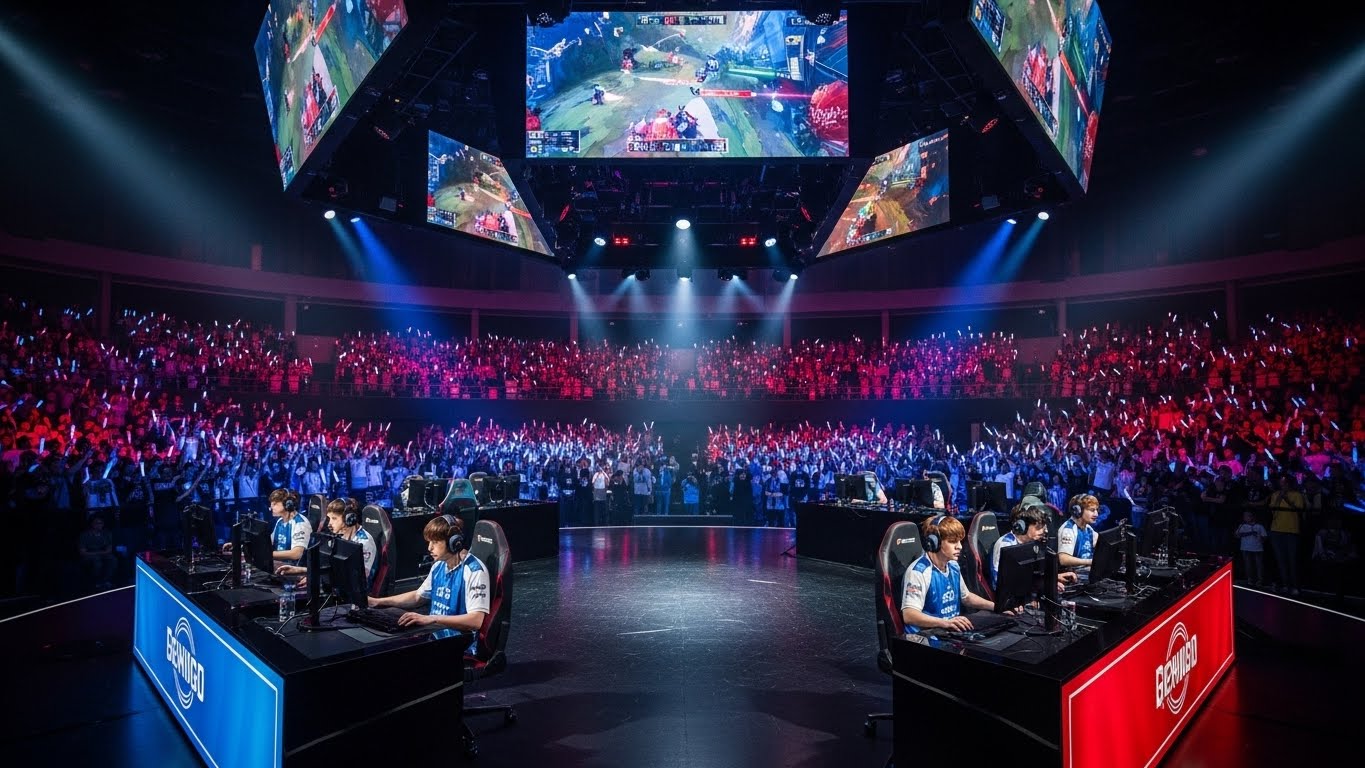
Today, esports tournaments fill large arenas and attract live audiences in the thousands, while millions more watch online. Events such as The International, the League of Legends World Championship, and the Fortnite World Cup have prize pools worth millions of dollars and global viewership rivaling that of traditional sports. The accessibility of online streaming has also enabled fans to engage directly with players, fostering communities around favorite teams and games.
Economic Growth and Professional Opportunities
Esports has become a multi-billion-dollar industry. Revenue comes from sponsorships, advertising, media rights, merchandise, and ticket sales. Professional teams operate like traditional sports franchises, employing coaches, analysts, psychologists, and nutritionists to optimize performance.
Major tournaments now offer prize pools that rival traditional sports events. The Fortnite World Cup, for instance, awarded $30 million to its competitors, while Dota 2’s The International has surpassed $40 million in prize money. Beyond professional players, esports supports a vast ecosystem of careers, including content creators, event organizers, broadcasters, and marketing professionals. The economic impact demonstrates that esports is not only a cultural phenomenon but also a sustainable business sector.
Skill Development in Esports
Despite misconceptions that video gaming lacks value, esports develops a range of skills. Players train for hours daily, honing hand-eye coordination, reflexes, multitasking, and decision-making. Team-based games teach communication, collaboration, and leadership, while individual games focus on strategic thinking and adaptability.
Cognitive skills are also sharpened through esports. Players analyze opponents’ strategies, anticipate actions, and adjust their gameplay in real-time. These mental faculties are transferable, improving problem-solving, focus, and analytical thinking in other areas of life.
Mental Health and Well-Being
While esports provides many benefits, it also presents unique challenges. Professional players often face immense pressure to perform, leading to stress and anxiety. Extended periods of practice can result in burnout, sleep deprivation, and physical strain, including eye fatigue, repetitive stress injuries, and posture-related issues.
Recognizing these risks, many esports organizations now implement wellness programs. Professional teams include mental health counselors, structured training schedules, fitness programs, and nutrition guidance to support players’ holistic well-being. These initiatives highlight the importance of balancing performance with health, emphasizing that a successful esports career depends on both skill and self-care.
Esports as a Career Path
Esports offers a wide range of career opportunities beyond playing competitively. Coaches and analysts help teams refine strategies and optimize gameplay. Content creators produce videos, tutorials, and live streams, engaging fans and building communities. Commentators and event organizers bring tournaments to life, while marketing professionals promote teams and sponsors.
Universities have also begun to recognize esports as a legitimate field. Scholarship programs, dedicated esports courses, and campus teams provide students with opportunities to develop skills, gain exposure, and pursue professional careers. Esports has thus evolved from a hobby into a viable and respected career pathway.
Cultural Impact of Esports
Esports has had a profound influence on modern culture. Streaming platforms have transformed gaming into a participatory experience, where audiences interact directly with players through chats, donations, and social media. Professional gamers have become celebrities, influencing fashion, lifestyle, and entertainment trends.
The cultural significance of esports also lies in its ability to challenge stereotypes. Gaming is increasingly recognized as a legitimate form of competition and entertainment. Communities formed around esports foster creativity, collaboration, and social interaction, helping players and fans build a sense of identity and belonging.
Inclusivity and Global Reach
Esports is inherently inclusive. Unlike many traditional sports that require specific physical abilities or expensive infrastructure, esports can be played by anyone with access to a computer or gaming console and an internet connection. This accessibility promotes diversity, enabling individuals of all ages, genders, and abilities to participate competitively.
International competitions further enhance esports’ global reach. Players from diverse countries and backgrounds compete on equal footing, fostering cross-cultural understanding and mutual respect. Esports creates a sense of global community, connecting millions through shared passion and digital engagement.
Technological Innovation in Esports
Technology is at the heart of esports. High-performance gaming hardware, high-speed internet, and realistic graphics engines create immersive and competitive experiences. Data analytics allows teams to track performance, analyze opponents, and refine strategies.
Emerging technologies such as virtual reality and augmented reality are expanding the possibilities for esports. These tools enhance training experiences, provide interactive viewing options, and allow spectators to engage with competitions in new ways. Artificial intelligence is also being integrated into coaching and analysis, making esports a continually evolving, technology-driven industry.
Challenges Facing Esports
Despite its growth, esports faces several challenges. Lack of standardized regulations can create inconsistencies in competitions. Online harassment, cheating, and toxicity remain significant issues in gaming communities. Players’ mental health and career longevity are ongoing concerns, as competitive pressure and early burnout are common.
Addressing these challenges requires collaboration among organizations, players, and governing bodies. Establishing ethical standards, implementing mental health programs, and promoting fair play are crucial for sustainable growth and the credibility of esports as a professional industry.
Education and Esports
Educational institutions are increasingly integrating esports into their programs. Schools and universities offer courses that teach leadership, teamwork, and strategic thinking through competitive gaming. Students can participate in collegiate leagues, developing skills that are transferable to other academic and professional contexts.
Scholarships for esports athletes further legitimize the industry, providing financial support and recognition for talent. By combining education with competitive gaming, institutions prepare students for a range of opportunities within and beyond esports.
The Future of Esports
The future of esports is bright. Advances in technology, increasing mainstream acceptance, and global connectivity are driving the industry forward. Virtual reality competitions, interactive broadcasts, and AI-assisted coaching are expected to redefine the spectator experience and enhance player training.
Esports will continue to influence digital culture, entertainment, and social interaction. Its inclusivity, accessibility, and global appeal make it a platform for innovation, creativity, and cross-cultural exchange. As society embraces digital experiences, esports is positioned to remain a major force in shaping the future of competition and entertainment.
Conclusion: More Than a Game
Esports is much more than playing video games. It is a dynamic ecosystem that blends strategy, skill, technology, and culture, offering opportunities for personal growth, professional careers, and global community engagement. From developing cognitive abilities to generating economic impact and influencing modern culture, esports has emerged as a transformative force in the digital era.
As the industry continues to evolve, it challenges traditional ideas of sports, celebrates innovation, and inspires individuals to push their limits. Esports demonstrates that the power of competition and play extends far beyond entertainment, shaping communities, careers, and cultures worldwide.