




Introduction: A New Era of Competition
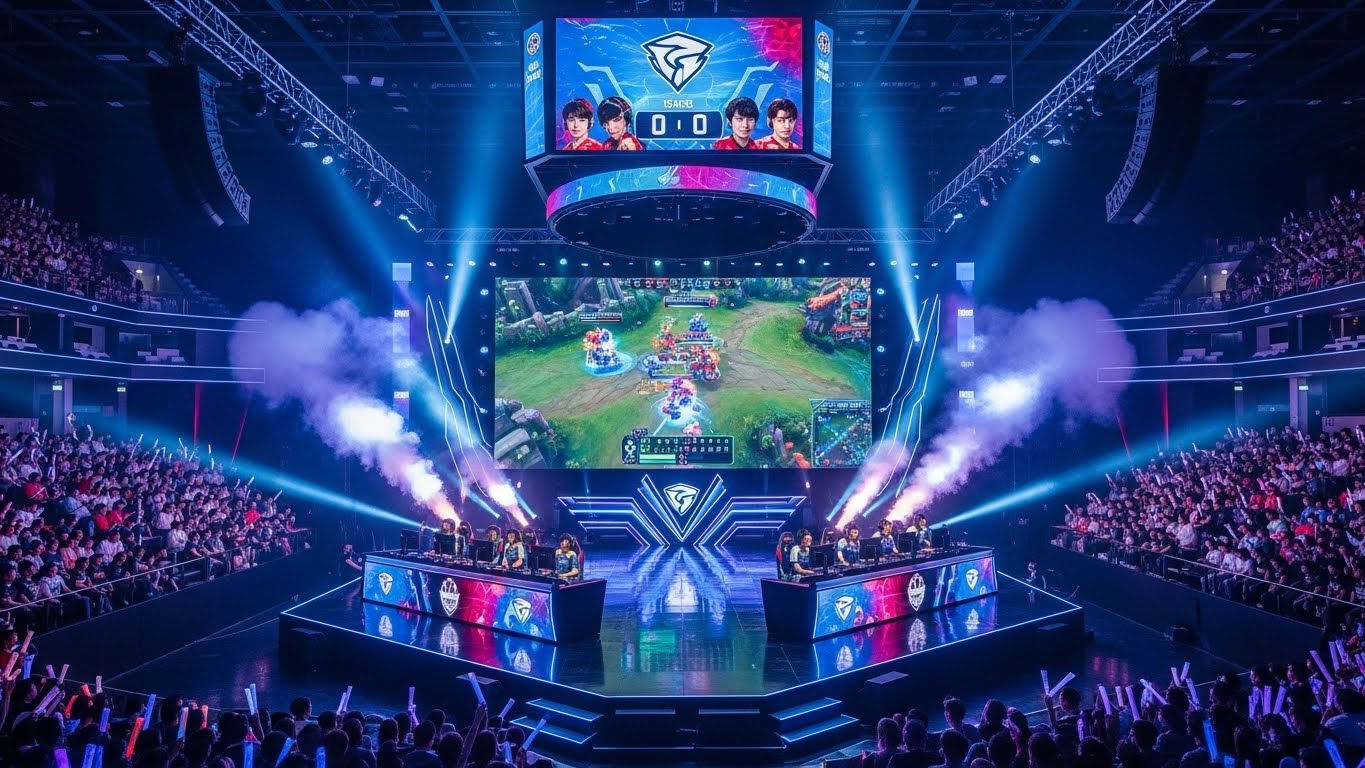
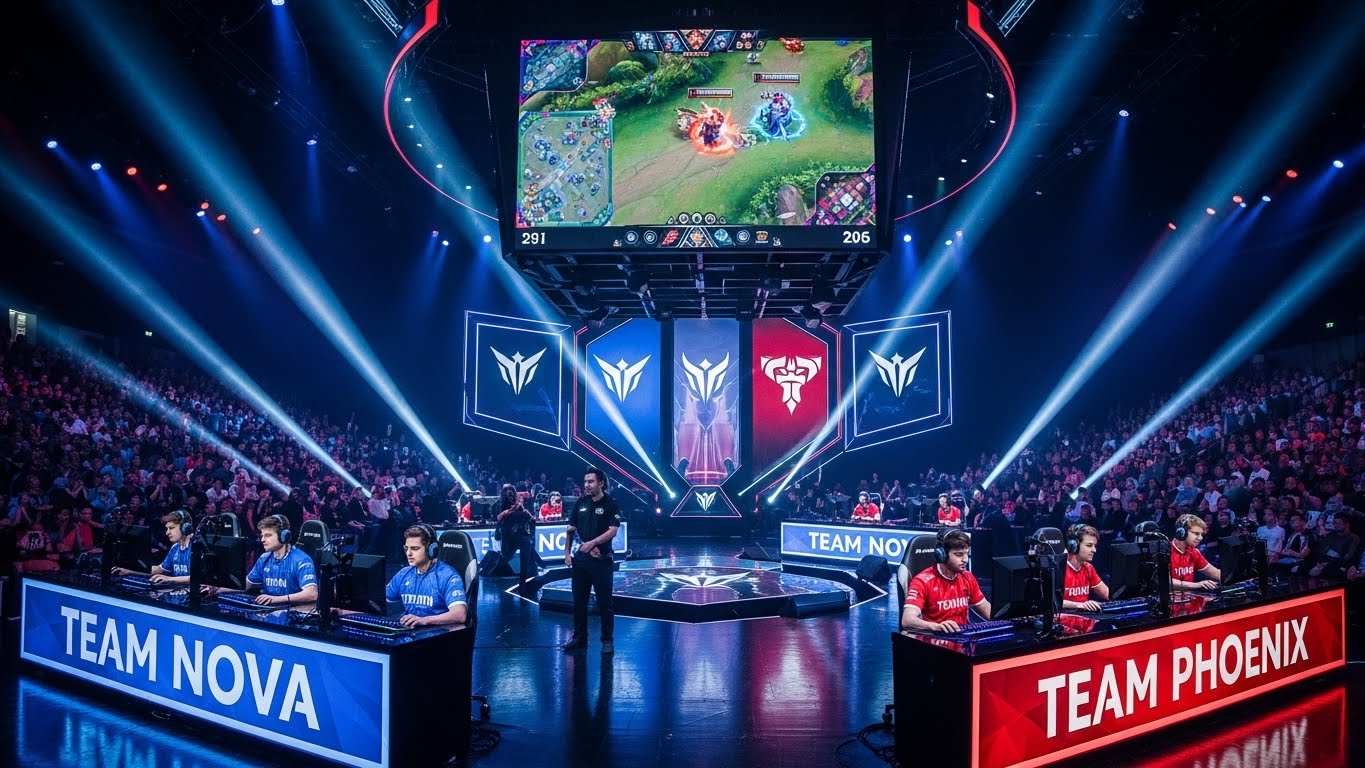
In a world where technology evolves faster than ever, entertainment has adapted in extraordinary ways. One of the most transformative developments in modern culture is the rise of esports. What once began as small gatherings of hobby gamers has transformed into a global industry filled with professional athletes, massive tournaments, passionate fanbases, and million-dollar prize pools. Esports is no longer simply about playing games—it has grown into a worldwide movement that blends competition, community, innovation, and storytelling. This blog explores how esports rose to prominence, what makes it so powerful, and why it is shaping the future of entertainment.
The Evolution of Competitive Gaming
The journey of esports began decades ago, long before stadiums filled with cheering fans and professional teams existed. The earliest forms of competitive gaming took place in arcades, where players competed for high scores on machines like Space Invaders or Pac-Man. The sense of competition was real, but the scale was small and localized.
The true shift started when personal computers and home gaming consoles became more affordable. Local multiplayer battles evolved into organized tournaments. Titles like Street Fighter, Counter-Strike, StarCraft, and Quake played crucial roles in creating structured competition. The introduction of the internet expanded these possibilities enormously. Players could suddenly compete with opponents from different countries without ever leaving their homes. This connectivity laid the foundations for professional esports as we know it today.
The arrival of livestreaming platforms elevated esports to new heights. Fans could now watch their favorite players or teams compete in real time. The combination of accessibility, competition, and community interaction helped esports explode into a global phenomenon.
Why Esports Captures Millions
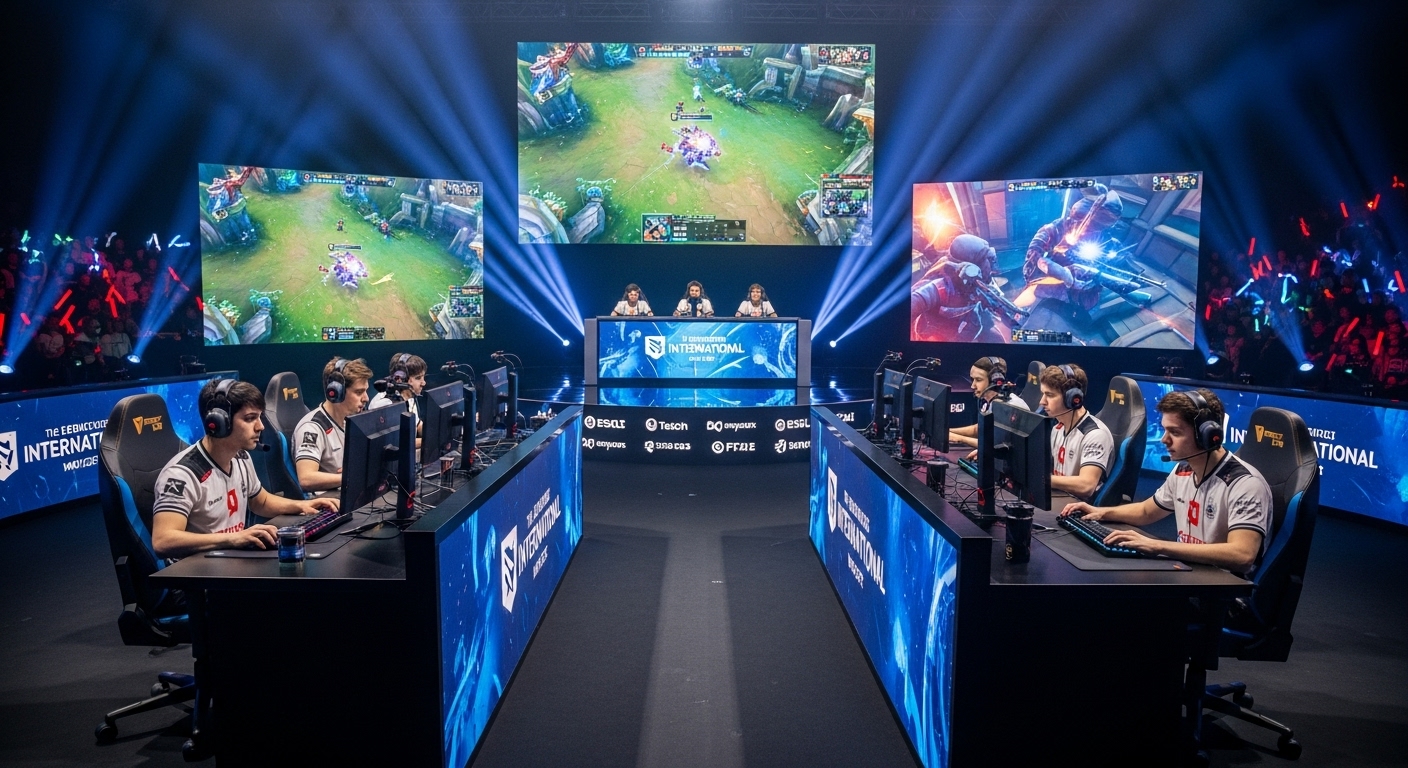
Esports captivates audiences for several reasons. The first is the skill level displayed by professional players. Many people underestimate how demanding competitive gaming is. These athletes train for hours each day, mastering strategies, reaction times, teamwork, and mental discipline. Their precision can be just as impressive as that of a traditional athlete, and fans admire their dedication.
Another reason for esports’ popularity is accessibility. Anyone with a computer or console can start playing the same games the pros compete in. That connection makes the esports community incredibly engaging. Fans feel closer to the action when they can personally experience the game mechanics and strategies used on the big stage.
In addition, the storytelling behind esports competitions keeps viewers invested. Rivalries, unexpected comebacks, and dramatic moments make tournaments feel like epic battles. As teams gain reputations and players build personalities, fans form strong emotional attachments, similar to traditional sports fandom.
The Rise of Esports Organizations
Professional esports organizations have become influential brands in the gaming world. These teams recruit talent from around the globe and provide coaching, training facilities, mental support, and branding opportunities. The structure of an esports organization often mirrors that of traditional sports teams, complete with managers, analysts, nutritionists, and marketing specialists.
Players who join these organizations gain more than just a contract; they gain a support system that helps them grow both individually and competitively. Many esports organizations also produce content, collaborate with brands, sell merchandise, and participate in global leagues. Their influence extends far beyond the competition stage, contributing to the global cultural impact of gaming.
The Economic Power of Esports
What truly sets esports apart from casual gaming is the economic engine behind it. Esports is now a billion-dollar industry, and it continues to grow at a rapid pace. Revenue comes from sponsorships, advertising, tournament winnings, merchandise, media rights, and live events.
Major companies invest heavily in esports because the industry attracts a young and engaged audience. Brands that once had no ties to gaming now seek partnerships with esports teams and events. This includes fashion lines, energy drink companies, electronics manufacturers, and even traditional sports organizations.
Prize pools reflect this financial boom. Some global tournaments award millions of dollars to winning teams, rivaling major traditional sporting events. Such financial opportunities motivate players to train extensively, turning esports into a viable career path for many young talents worldwide.
Popular Games That Shape the Esports Landscape
Esports is not limited to one type of game. Various genres contribute to its diversity and appeal. First-person shooters, strategy games, sports simulations, and battle arena games are among the most popular genres.
Some titles dominate the landscape due to their design, competitive structure, and community support. These games introduce regular updates, new content, and balanced gameplay to keep the competitive experience fresh. Fans develop deep familiarity with their favorite games, analyzing strategies and cheering for their preferred teams during matches.
The variety of games also means players with different interests can find a niche. Whether someone enjoys tactical teamwork, fast-paced action, or strategic planning, there is a place for them in the esports ecosystem.
The Role of Streaming in Esports Growth
Streaming platforms revolutionized the way esports is consumed. Watching esports is no longer restricted to physical venues or special broadcasts. Fans can tune in from anywhere in the world, making esports universally accessible.
Streamers and content creators also play a vital role. Many professional players stream their practice sessions, allowing fans to learn directly from top talent. This transparency creates a more personal connection between players and their supporters. Additionally, personality-driven streams build new communities and fuel interest in the competitive scene.
Streaming has also given rise to a new kind of celebrity within gaming culture. Some content creators rival athletes and actors in popularity, and their influence often contributes to the growth of esports as a whole.
The Global Unity of Esports
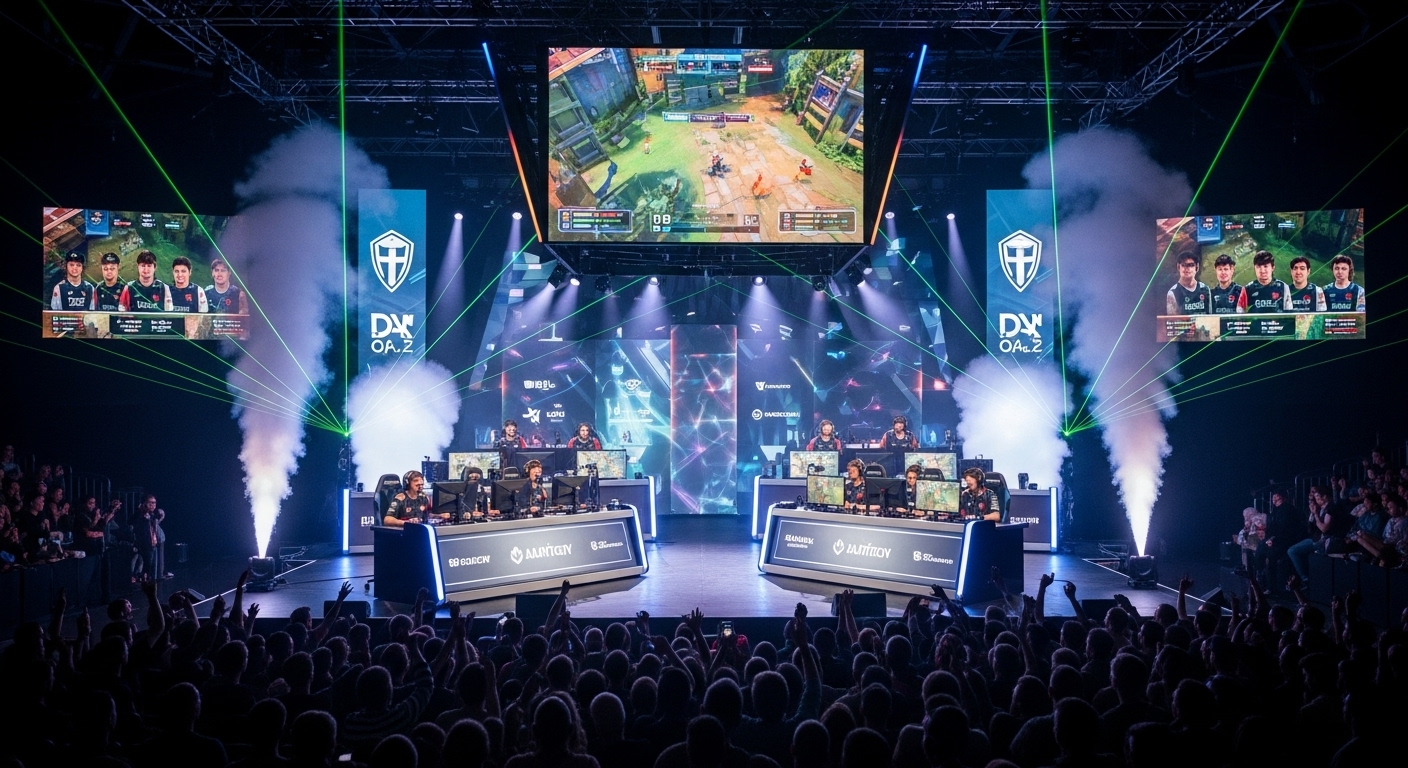
One of the most beautiful aspects of esports is its global nature. Unlike traditional sports that may dominate only certain regions, esports has universal appeal. Tournaments often feature teams from multiple countries, and fans from every part of the world participate in celebrating victories and discussing gameplay.
Cultural diversity is embraced within esports. Players communicate across languages, and international tournaments showcase a shared passion that transcends borders. This global unity helps create a sense of belonging for gamers who may feel isolated in other areas of life. Online communities offer spaces for fans to connect, learn, and grow together.
Challenges Facing the Esports Industry
As successful as esports has become, the industry faces several challenges. Player burnout is a major concern. Professional gamers often practice long hours, sometimes sacrificing sleep and physical health. Balancing training with well-being is essential for long-term success.
Another challenge is maintaining competitive integrity. Game developers and tournament organizers must continually refine rules, update gameplay, and prevent cheating. Ensuring fairness keeps the competition credible and protects the experience for both players and fans.
Financial stability can also be unpredictable in esports. Not every game remains popular long enough to sustain long-term leagues. Organizations must adapt to changing trends to stay competitive in the business landscape.
The Future of Esports
The future of esports looks brighter than ever. With advancements in technology, virtual reality, artificial intelligence, and improved gaming infrastructure, the potential for innovation is limitless. Esports may soon expand into new formats that merge digital and physical worlds. Educational institutions are even beginning to offer esports scholarships, recognizing gaming as a legitimate discipline.
As younger generations grow up in a digital-first environment, esports will continue to thrive. Traditional sports leagues and entertainment companies already collaborate with esports to reach wider audiences. This blending of cultures indicates that esports is not merely a trend; it is becoming a central pillar of global entertainment.
Conclusion: A Digital Frontier Redefining Entertainment
Esports has transformed from a niche hobby into an influential cultural force. It represents passion, community, innovation, and ambition. What makes esports so special is not just the competition, but the people—players who dedicate their lives to mastery, fans who support teams with pride, and creators who share enthusiasm across digital platforms.
As the world continues to evolve, esports stands at the forefront of a new entertainment era. The digital arena is open to all, and anyone with dedication and passion can find their place within it. The rise of esports is not just a story of gaming; it is a story of connection, global unity, and human potential in the digital age.