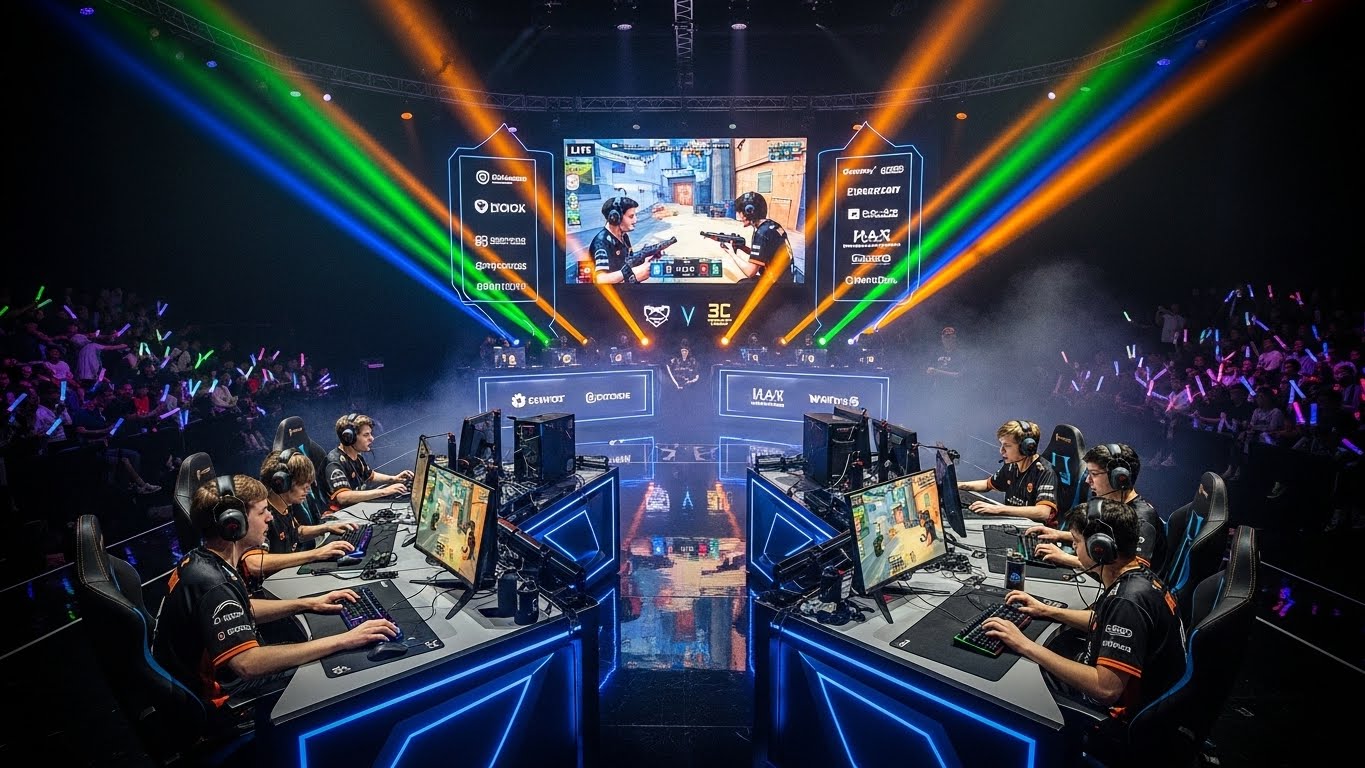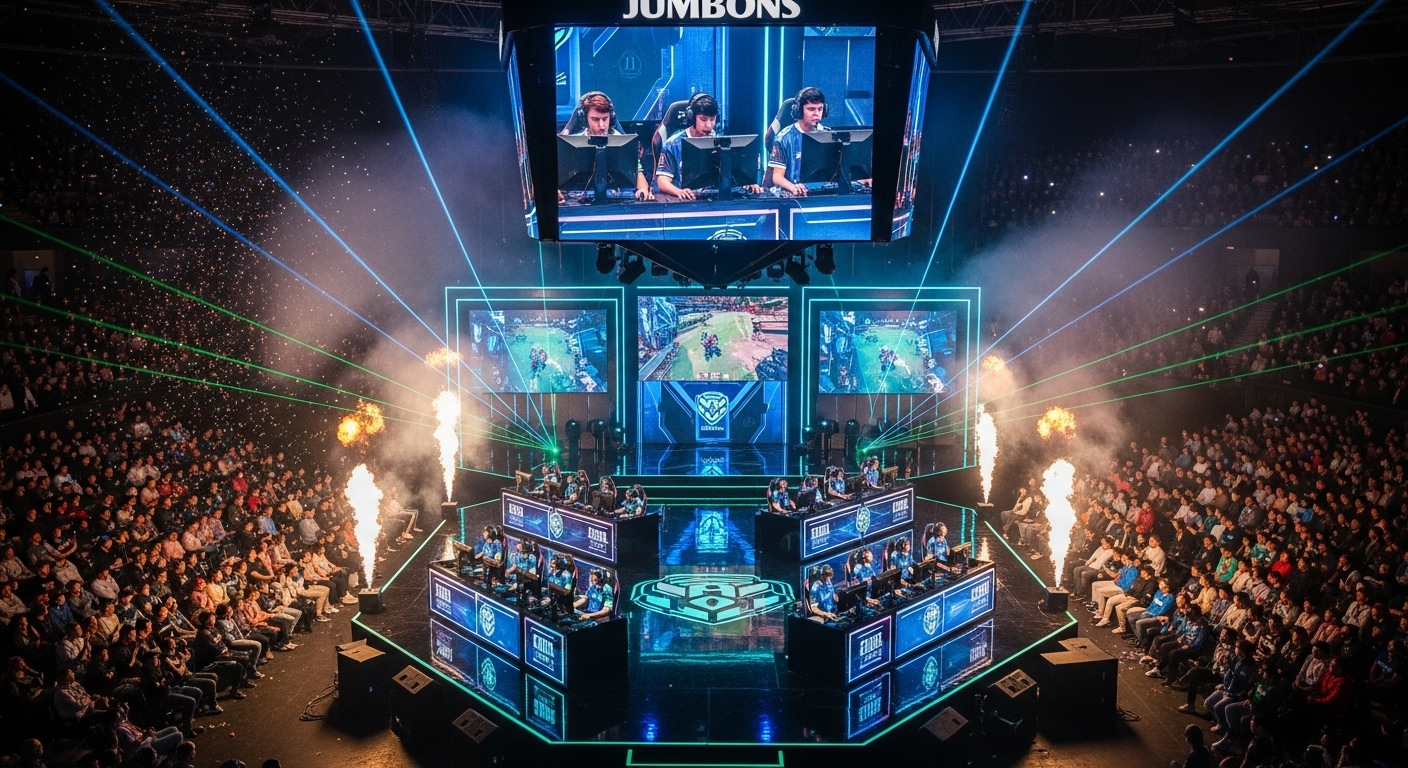






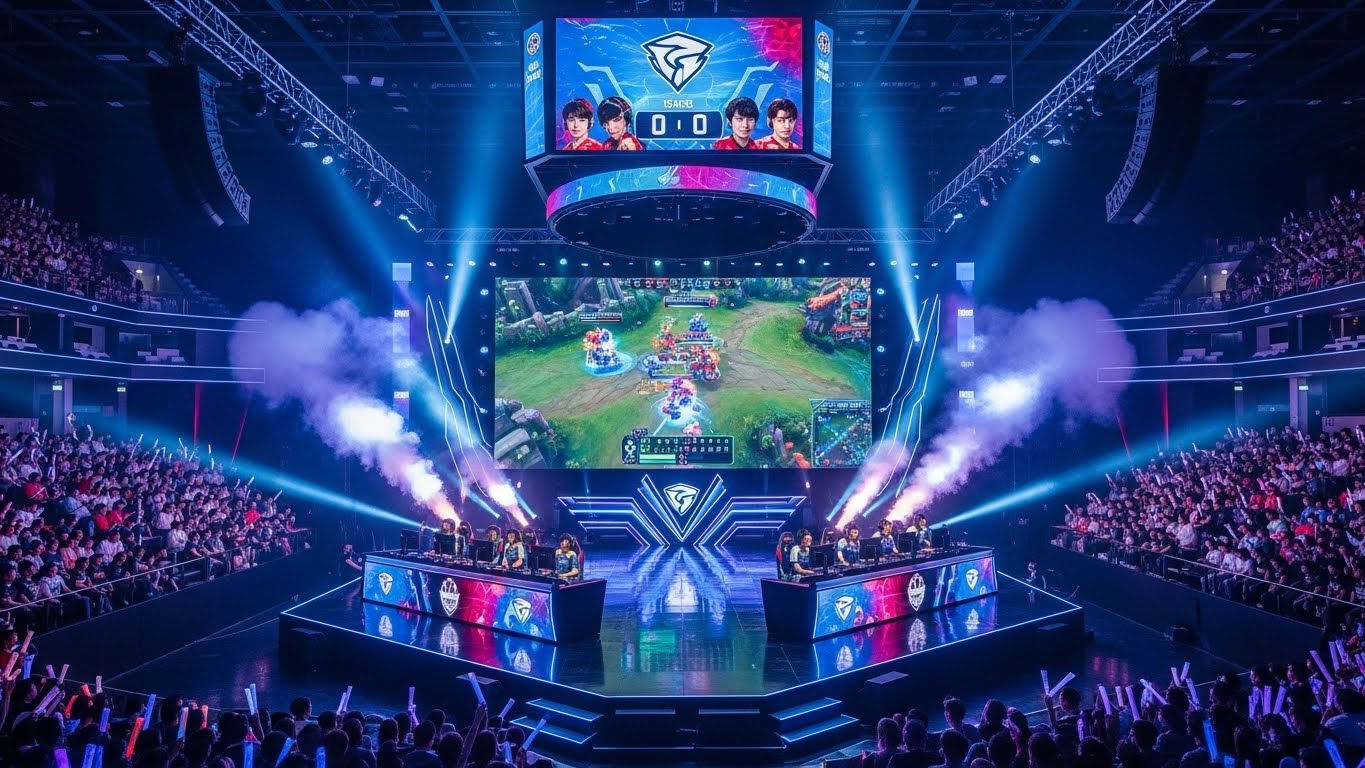
Esports is no longer a niche hobby for a select group of enthusiasts; it has grown into a global phenomenon that blends competitive gaming with entertainment, technology, and business. The rapid rise of esports has turned professional gaming into a multi-billion-dollar industry that is shaping the future of both sports and entertainment. But what exactly is driving the growth of esports, and what does its future look like? In this blog, we will explore the key factors behind the rise of esports and its impact on the world of entertainment and beyond.
What is Esports?
At its core, esports refers to organized multiplayer video game competitions, particularly between professional players, individually or in teams. These tournaments can take place in a variety of game genres, including first-person shooters (FPS), real-time strategy (RTS), multiplayer online battle arena (MOBA) games, and battle royale games. Popular esports titles include League of Legends, Counter-Strike: Global Offensive (CS:GO), Dota 2, Overwatch, Fortnite, and Call of Duty.
What distinguishes esports from casual gaming is the level of competition and the presence of a professional ecosystem. Esports athletes train rigorously, compete for prize money, and are often backed by sponsors, teams, and even media companies. Esports events are regularly broadcasted live on platforms such as Twitch, YouTube, and Facebook Gaming, attracting millions of viewers from all corners of the globe.
The Explosion of Esports Viewership
The most significant factor contributing to the rise of esports is the explosive growth of viewership. Once seen as a niche interest, esports now attracts millions of viewers globally. Major esports tournaments like The International (Dota 2’s world championship), League of Legends World Championship, and CS:GO Majors have become annual events with massive global audiences. These events are broadcast across multiple platforms, including television, live-streaming services, and even social media.
Streaming platforms like Twitch have played a pivotal role in the rise of esports. Twitch, a live streaming platform primarily focused on gaming content, has become the go-to platform for esports fans. In 2020, Twitch saw over 17 billion hours of content viewed, and esports content accounted for a significant portion of this number. The ability for fans to engage with their favorite players, teams, and events in real-time has created a strong sense of community around esports. Additionally, platforms like YouTube and Facebook Gaming have also capitalized on the growing popularity of esports, with both companies investing heavily in exclusive esports broadcasting rights and content.
The Business of Esports
As the esports industry grows, so does its economic impact. Esports has transitioned from a fringe interest to a mainstream business model, attracting substantial investment from traditional sports organizations, tech giants, and even entertainment conglomerates. Esports events now offer massive prize pools, with tournaments like The International offering prizes exceeding $40 million. This financial injection has elevated the status of esports and made it a lucrative career option for professional gamers.
The rise of esports has also attracted sponsorships from major brands. Companies like Intel, Coca-Cola, Adidas, and Red Bull have all invested in esports teams, events, and content creators, recognizing the immense potential of esports as a marketing tool. Sponsorships are a significant source of revenue for esports organizations, helping them fund their operations, pay player salaries, and invest in training facilities and infrastructure.
Additionally, the esports industry is supported by a robust ecosystem that includes game developers, streaming platforms, event organizers, media companies, and more. This interconnected network helps fuel the growth of esports and ensures that it continues to thrive on a global scale.
Esports as a Career Path
One of the most exciting aspects of the esports boom is the emergence of professional gaming as a legitimate career path. In the past, gaming was often viewed as a hobby or pastime, but today, there are esports athletes who earn six-figure salaries through tournament winnings, sponsorships, and streaming.
Becoming an esports professional, however, is not an easy feat. The competition is fierce, and only a small percentage of players will make it to the top levels of play. Professional gamers typically start their careers at a young age, with many players entering the competitive scene in their teens. Once they have honed their skills, they can join professional esports teams or compete in open tournaments for the chance to be scouted by larger organizations.
Beyond players, there are a variety of other careers within the esports ecosystem. Analysts, broadcasters, event organizers, coaches, and content creators all contribute to the success of the esports industry. Esports organizations also employ support staff, including social media managers, graphic designers, and business development professionals, to help grow their brand and expand their reach. In this way, esports has created a thriving job market, with opportunities for people from diverse backgrounds.
The Role of Technology in Esports
Esports’ rise to prominence has been closely tied to advancements in technology. As gaming technology has evolved, so too has the competitive gaming landscape. High-speed internet connections, cutting-edge gaming hardware, and innovative streaming technologies have all contributed to the rapid growth of esports.
One of the key factors behind esports’ success is the development of faster and more stable internet connections. The rise of fiber-optic networks and 5G technology has enabled esports players to compete in real-time with minimal latency, ensuring a fair and level playing field. This is essential for games that require split-second reactions and precise control, such as first-person shooters and MOBAs.
The evolution of gaming hardware has also played a pivotal role in the rise of esports. High-performance gaming PCs and consoles now offer incredible graphical capabilities and processing power, allowing for more immersive and visually impressive games. This has made esports events more engaging for viewers and has helped raise the overall production value of tournaments.
Furthermore, the rise of virtual reality (VR) and augmented reality (AR) has the potential to revolutionize the esports industry. Although still in its infancy, VR gaming could open up entirely new formats for competitive gaming, offering players and spectators a more immersive experience. AR, on the other hand, could enhance traditional esports broadcasts by overlaying real-time data, stats, and commentary onto the live stream.
The Global Reach of Esports
One of the most fascinating aspects of esports is its global appeal. Unlike traditional sports, which are often limited by geographic boundaries, esports transcends borders and brings together players and fans from all over the world. International tournaments draw participants from different continents, and esports teams often have players from multiple countries.
This global reach has created opportunities for esports to flourish in regions where traditional sports may not have as much of a presence. For example, countries like South Korea, China, and the United States have long been esports powerhouses, but emerging markets in Latin America, Southeast Asia, and the Middle East are quickly catching up. As esports continues to gain popularity worldwide, it has the potential to become a truly universal form of entertainment.
Moreover, the inclusivity of esports has contributed to its widespread appeal. Unlike traditional sports, which often require specific physical attributes or access to expensive equipment, esports can be played by anyone with a computer or gaming console. This accessibility has allowed esports to reach diverse audiences, including people from various socioeconomic backgrounds, ages, and genders.
The Future of Esports
As esports continues to evolve, its future looks incredibly promising. The increasing mainstream acceptance of esports, coupled with its growing viewership and revenue, suggests that the industry will continue to expand. One of the most exciting developments is the integration of esports into traditional sports ecosystems. Many professional sports leagues, such as the NBA, NFL, and European football clubs, have started investing in esports teams and events, signaling the growing convergence of traditional sports and esports.
In the coming years, we can expect to see more esports events held in massive arenas and stadiums, attracting even larger audiences. The integration of augmented reality (AR) and virtual reality (VR) technologies into esports broadcasts will enhance the viewing experience, creating new opportunities for fans to interact with their favorite players and teams. Additionally, the expansion of mobile esports, with games like PUBG Mobile and Arena of Valor, will further democratize access to competitive gaming, reaching even more players and fans.
Another exciting development is the potential for esports to become an Olympic sport. Discussions have been ongoing about including esports in the Summer or Winter Olympics, and while there are still many hurdles to overcome, the increasing recognition of esports as a legitimate form of competition suggests that this could happen in the future.
Conclusion
Esports is no longer just a passing trend; it is a global movement that is changing the landscape of entertainment and competition. With its massive growth in viewership, financial investment, and cultural significance, esports is poised to continue shaping the future of both gaming and sports. Whether you’re a casual gamer or a dedicated esports fan, it’s clear that esports is here to stay, and its influence will only continue to grow in the years to come.
As technology continues to advance and the global appeal of esports expands, the possibilities for innovation and growth within the industry are limitless. The future of competitive gaming is bright, and it will be fascinating to see where the industry goes from here.