




Introduction: A New Kind of Arena
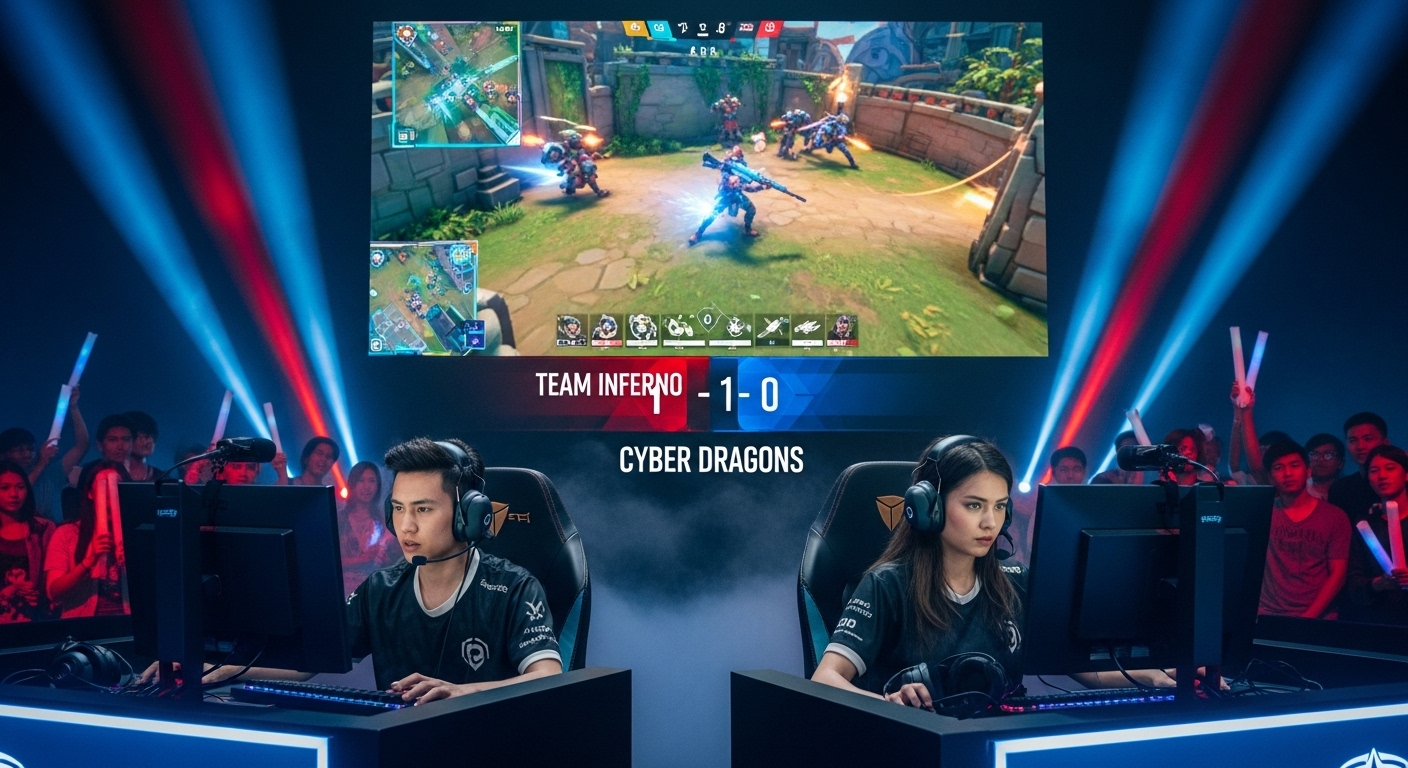
Esports has rapidly evolved from a niche hobby into a global phenomenon, reshaping the way we define competition, entertainment, and even community. What was once limited to small LAN gatherings has expanded into massive tournaments, sold-out stadiums, flourishing careers, and a multi-billion-dollar industry. In today’s digital era, esports stands at the intersection of technology, culture, and sportsmanship, attracting millions of spectators and players from every corner of the world. This blog explores the incredible journey of esports, the factors behind its explosive growth, and the future that lies ahead.
The Evolution of Competitive Gaming
Competitive gaming began humbly in the 1970s and 80s, when players challenged each other on arcade machines and early home consoles. These competitions were mostly local and informal, but they planted the seed for a future industry no one could have predicted. As technology advanced, so did the possibilities for global competition.
The rise of personal computers and the internet in the late 1990s and early 2000s transformed multiplayer gaming forever. Titles like Counter-Strike, StarCraft, and Warcraft III provided online competitive environments that allowed gamers across continents to connect instantly. This era laid the foundation for organized tournaments, team dynamics, and structured leagues that resemble modern esports systems.
The Role of Streaming in the Explosion of Esports
A major catalyst behind the surge of esports popularity is the rise of streaming platforms. They enabled players to broadcast their gameplay to millions, breaking down the barriers that once separated amateur competitors from global audiences. Streaming created a direct connection between players and fans, offering real-time interaction that traditional sports could not always provide.
Content creators, professional players, and entertainers emerged from these platforms, turning gaming into a full-time career. Audiences could now follow their favorite personalities, watch high-level competitions, and feel part of a global digital community. This sense of connection not only expanded esports’ reach but also turned casual viewers into long-term fans.
Building a Professional Ecosystem
Esports is no longer a casual pastime; it has become a structured, professional ecosystem supported by teams, coaches, analysts, sponsors, and investors. Organizations manage players like traditional sports teams, providing housing, training facilities, and nutrition programs aimed at maximizing performance.
Professional players undergo rigorous practice schedules, often training eight to twelve hours daily. They review gameplay footage with analysts, scrimmage against other teams, and work with mental coaches to maintain focus under pressure. This level of discipline reveals that esports is not just gaming—it is a sport that demands skill, strategy, teamwork, and resilience.
Major Games That Shaped the Industry
Different genres of games contribute uniquely to the esports landscape. Some of the most influential and popular titles include:
First-Person Shooters:
Games like Counter-Strike, Valorant, and Call of Duty emphasize precision, reflexes, and teamwork. Their fast-paced action draws millions of viewers to global tournaments.
Multiplayer Online Battle Arenas:
Titles such as League of Legends and Dota 2 attract enormous audiences and offer some of the highest prize pools in competitive gaming history.
Battle Royale Games:
Fortnite, PUBG, and Apex Legends introduced a thrilling, unpredictable format that kept audiences on the edge of their seats.
Sports Simulations and Fighting Games:
FIFA, NBA 2K, Street Fighter, and Super Smash Bros connect traditional sports communities with the digital competitive world.
Every game brings its own culture, strategies, and dedicated fanbase, contributing to the rich diversity of esports.
The Cultural Impact of Esports
Esports is more than just competitive gaming—it is a cultural movement. It influences fashion, music, entertainment, and even education. Jerseys, gaming peripherals, and branded merchandise have become part of mainstream style. Music artists collaborate with esports events, creating theme songs and performing live at tournaments.
Universities around the world now offer esports scholarships and dedicated programs that train students in game design, broadcasting, management, and competitive play. Esports lounges and arenas are becoming common on campuses, symbolizing the industry’s long-term presence in academic life.
Esports as a Legitimate Career Path
A decade ago, pursuing gaming as a career was considered unrealistic. Today, esports offers a wide range of professional opportunities. Beyond players, the industry needs event organizers, commentators, coaches, graphic designers, content creators, software engineers, and marketing specialists.
Prize pools for major tournaments can reach millions, and high-level players secure lucrative sponsorships and salaries. Content creation adds an additional income stream, enabling players to build personal brands independent of tournament results.
This shift not only helps legitimize esports as a career but also inspires younger generations to pursue their passions with confidence.
Global Tournaments and Their Influence
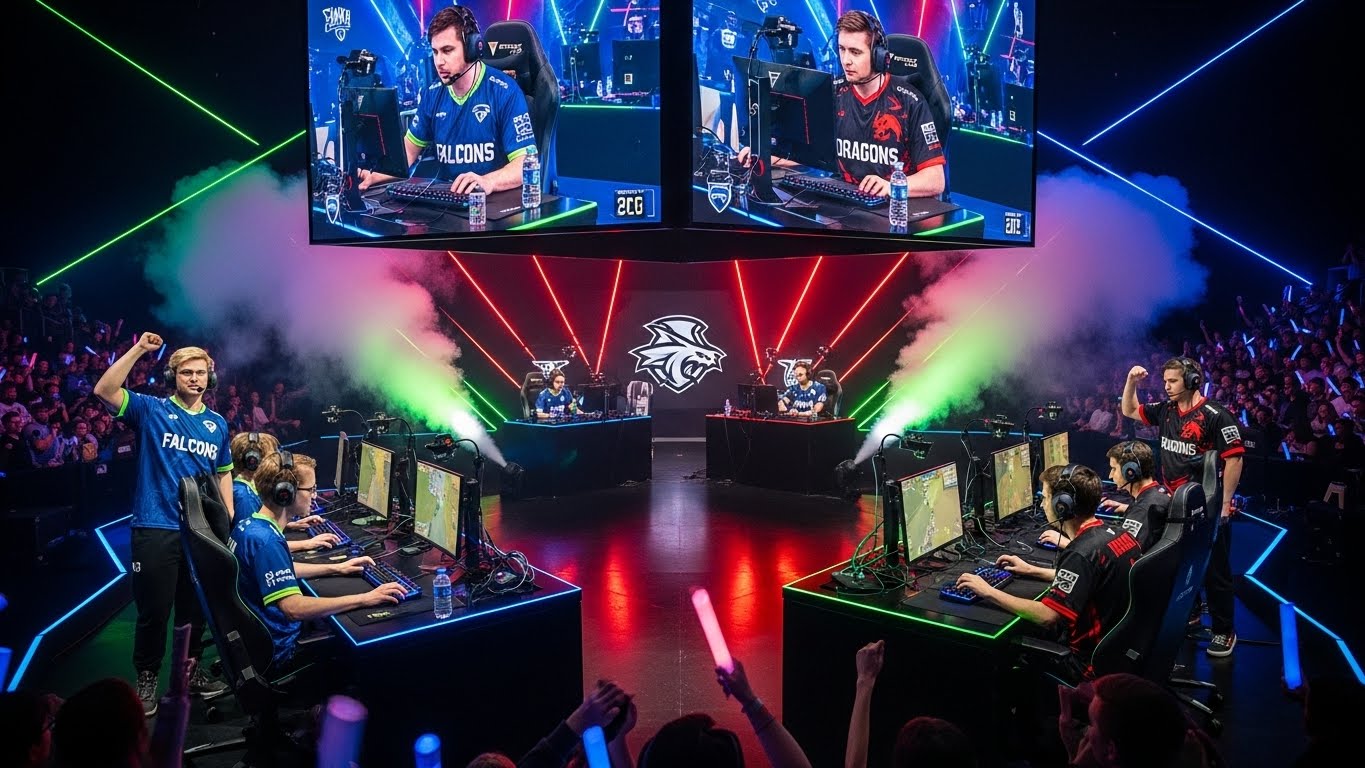
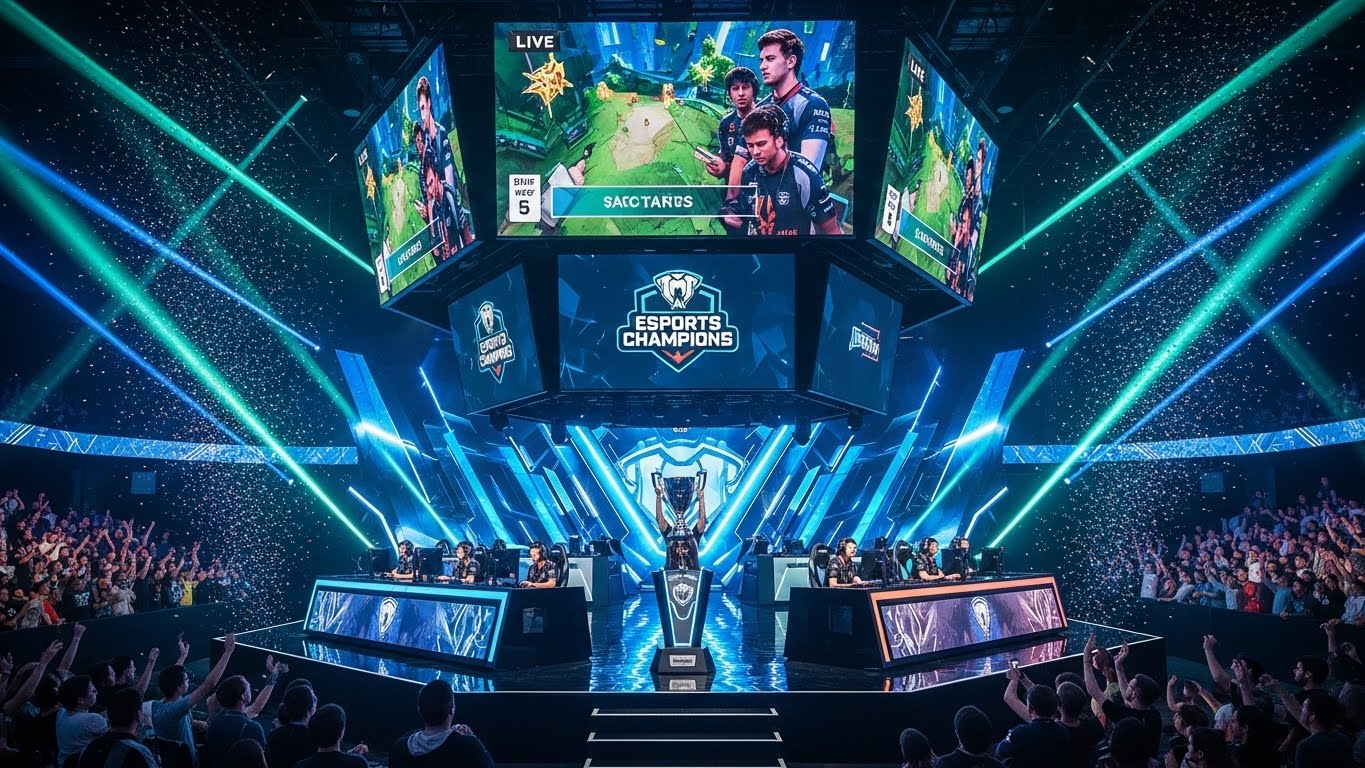
International tournaments are at the heart of esports’ global appeal. Events draw massive live audiences and millions of online viewers. Stadiums are turned into digital battlegrounds featuring dramatic lighting, live commentary, and roaring crowds. These spectacles rival traditional sporting events in scale and production quality.
The excitement of cheering for national teams or favorite organizations has created an emotionally invested fan culture. Supporters proudly wear team merchandise, follow roster changes, and discuss strategies just as traditional sports fans do.
The Role of Technology in Shaping Esports
Technology is the backbone of esports. High-performance gaming equipment, ultra-fast internet connections, cloud servers, and advanced graphics all contribute to smoother, more immersive experiences. Virtual reality and augmented reality promise to push boundaries even further in the coming years, potentially creating new genres and competitive formats.
Artificial intelligence is also playing an emerging role. Analysts use AI to study gameplay data, predict strategies, and identify patterns that human coaches may overlook. These innovations enhance both training efficiency and viewer experience.
Challenges Faced by the Esports Industry
Despite its rapid growth, esports faces several challenges. Player burnout remains a major concern due to intense training schedules and mental pressure. Maintaining competitive integrity is also critical, as issues such as cheating, match-fixing, and unethical behavior can damage trust in the industry.
Another challenge is the need for consistent global regulations. Different countries have varying rules regarding player contracts, prize distribution, and event organization. As esports becomes more international, the demand for standardized practices becomes increasingly important.
The Future of Esports: What Lies Ahead
The future of esports looks promising, with continued growth expected in both audience numbers and economic value. As gaming becomes more integrated into daily life, esports will likely continue to expand its cultural impact. Virtual reality competitions, mobile esports growth, and deeper integration with traditional sports organizations are all on the horizon.
Educational programs will continue to grow, creating clearer pathways for careers in gaming and related industries. Esports arenas will become even more sophisticated, blending physical and digital experiences for fans. The line between traditional sports and esports will continue to blur, creating a hybrid entertainment landscape.
Conclusion: A Revolution Still Rising
Esports has come a long way from its humble beginnings. It has broken barriers, challenged stereotypes, and united millions through competition and community. More than just a form of entertainment, esports represents a new era—one where passion, skill, and technology come together to create something extraordinary.
As the industry continues to evolve, one thing is certain: esports is not a passing trend. It is a revolution, and we are only witnessing the beginning. Whether you are a player, a fan, or simply someone curious about this digital phenomenon, the world of esports has something to offer for everyone.