





Introduction: The Rise of a Digital Phenomenon
Esports, or competitive video gaming, has grown from a niche hobby into a global phenomenon, captivating millions of fans and generating billions in revenue. Unlike traditional sports, esports exists entirely in the digital realm, where players compete individually or in teams across virtual arenas. What began as casual competitions among friends has transformed into professional leagues, international tournaments, and a thriving entertainment industry. This evolution reflects broader changes in technology, culture, and media consumption. Esports is no longer just about playing games; it is about strategy, teamwork, mental skill, and the ability to perform under pressure. In this blog, we explore the history, impact, and future of esports while examining why it has become a cornerstone of modern entertainment.
The Origins of Esports
The roots of esports can be traced back to the 1970s and 1980s, when arcade games and early home consoles became widely popular. In 1972, the first known video game competition took place at Stanford University, where players competed in “Spacewar” for recognition and prizes. The 1980s saw the rise of arcade tournaments, with games like Pac-Man and Donkey Kong attracting crowds and local media attention. However, esports truly began to flourish in the 1990s with the introduction of competitive PC games such as Quake, StarCraft, and Counter-Strike. These games allowed players to test their skills online, paving the way for organized competitions and the first professional players. The advent of the internet transformed esports into a global activity, connecting players across continents and enabling the creation of online communities dedicated to competitive gaming.
The Structure of Modern Esports
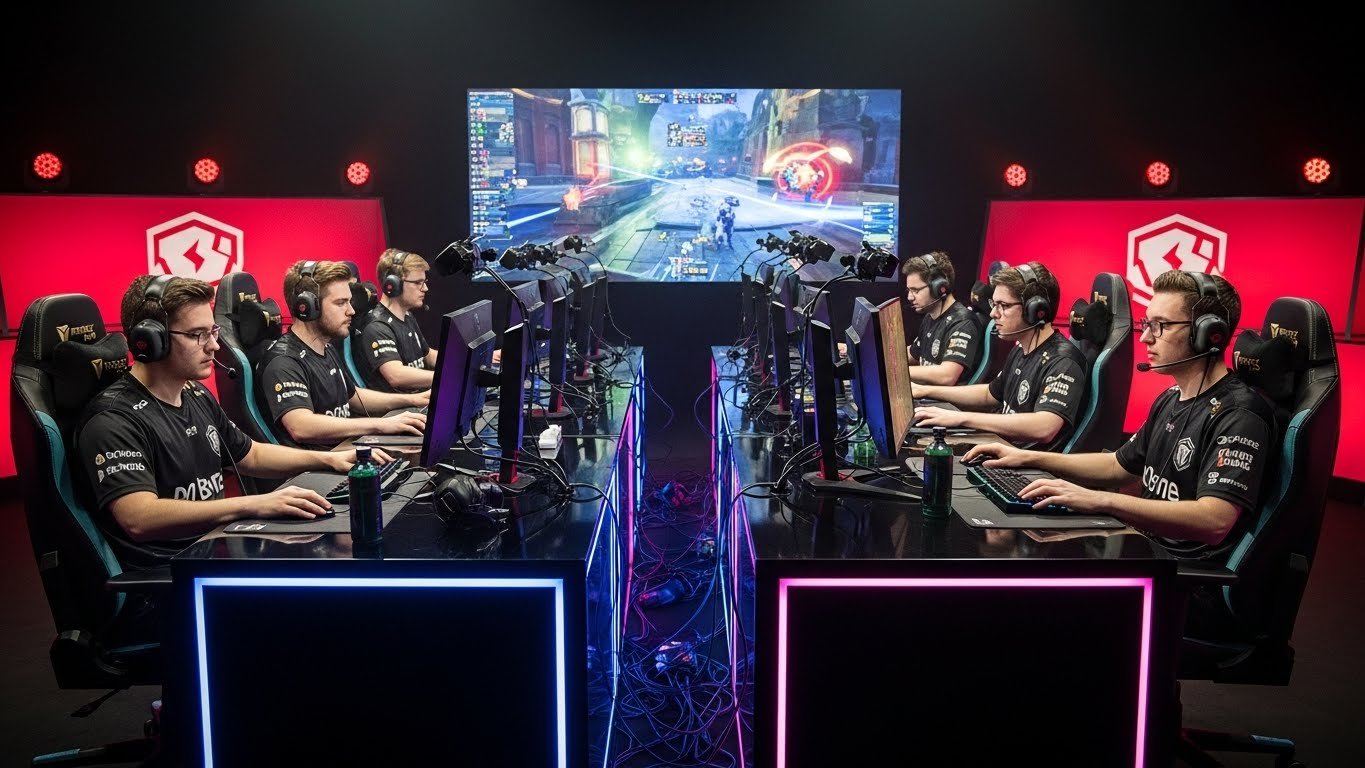
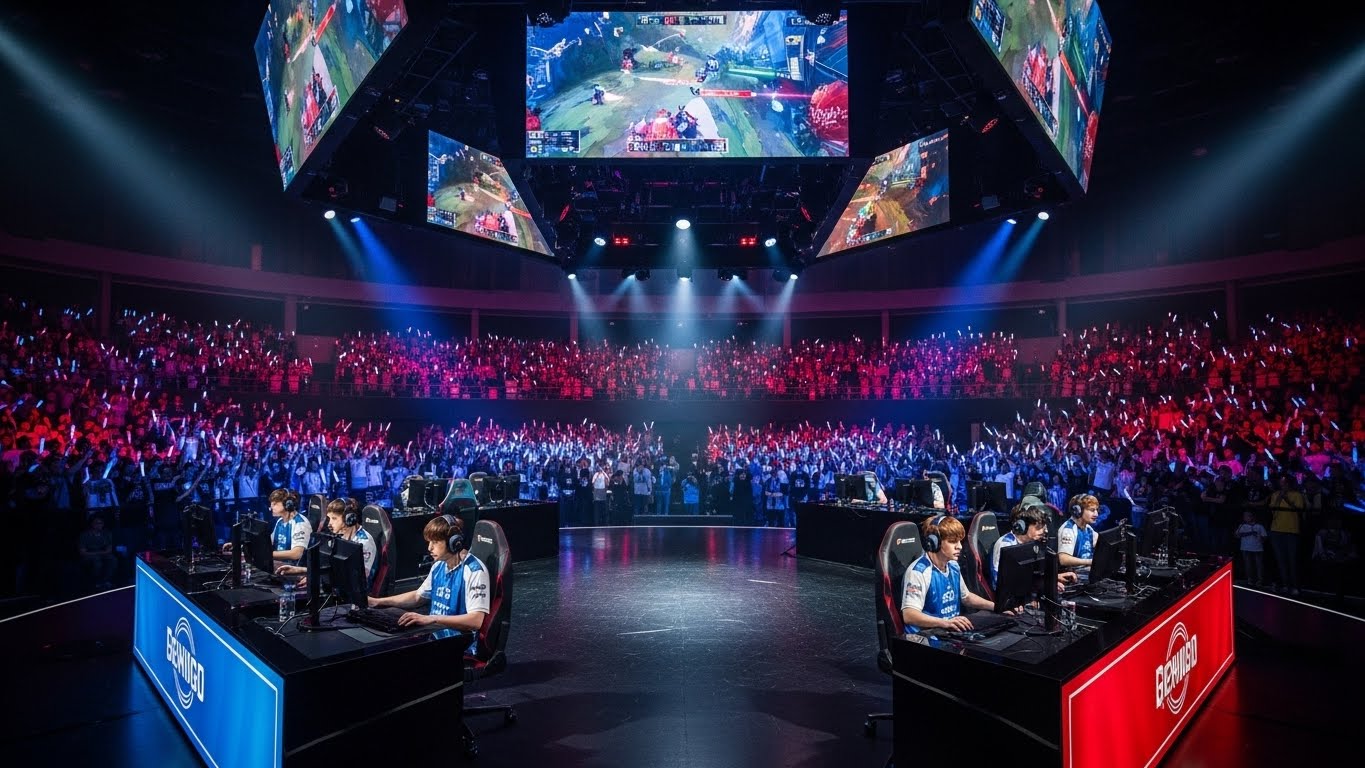
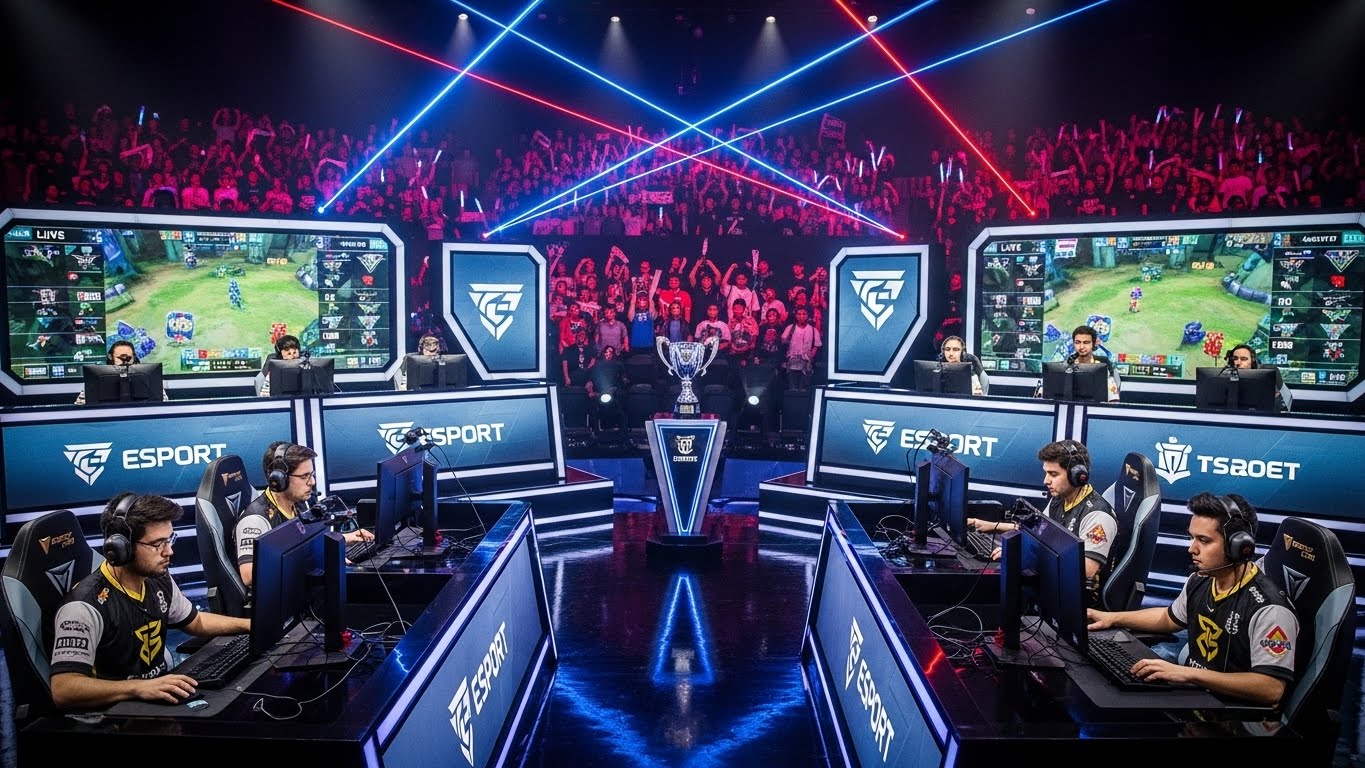
Modern esports is highly structured, resembling traditional sports leagues in many ways. Players compete in professional teams, participate in leagues, and strive to qualify for prestigious tournaments. Popular esports titles include League of Legends, Dota 2, Counter-Strike: Global Offensive, Fortnite, and Valorant, each with its own rules, strategies, and fan base. Teams often have coaching staff, analysts, and support personnel who optimize performance through data analysis, practice schedules, and strategy sessions. Tournaments vary from local competitions to international championships with multimillion-dollar prize pools. The most prominent events, such as The International for Dota 2 or the League of Legends World Championship, draw millions of viewers worldwide. Spectators engage with these events through live streaming platforms, creating a shared global experience that mirrors traditional sporting spectacles.
The Skill and Strategy Behind Esports
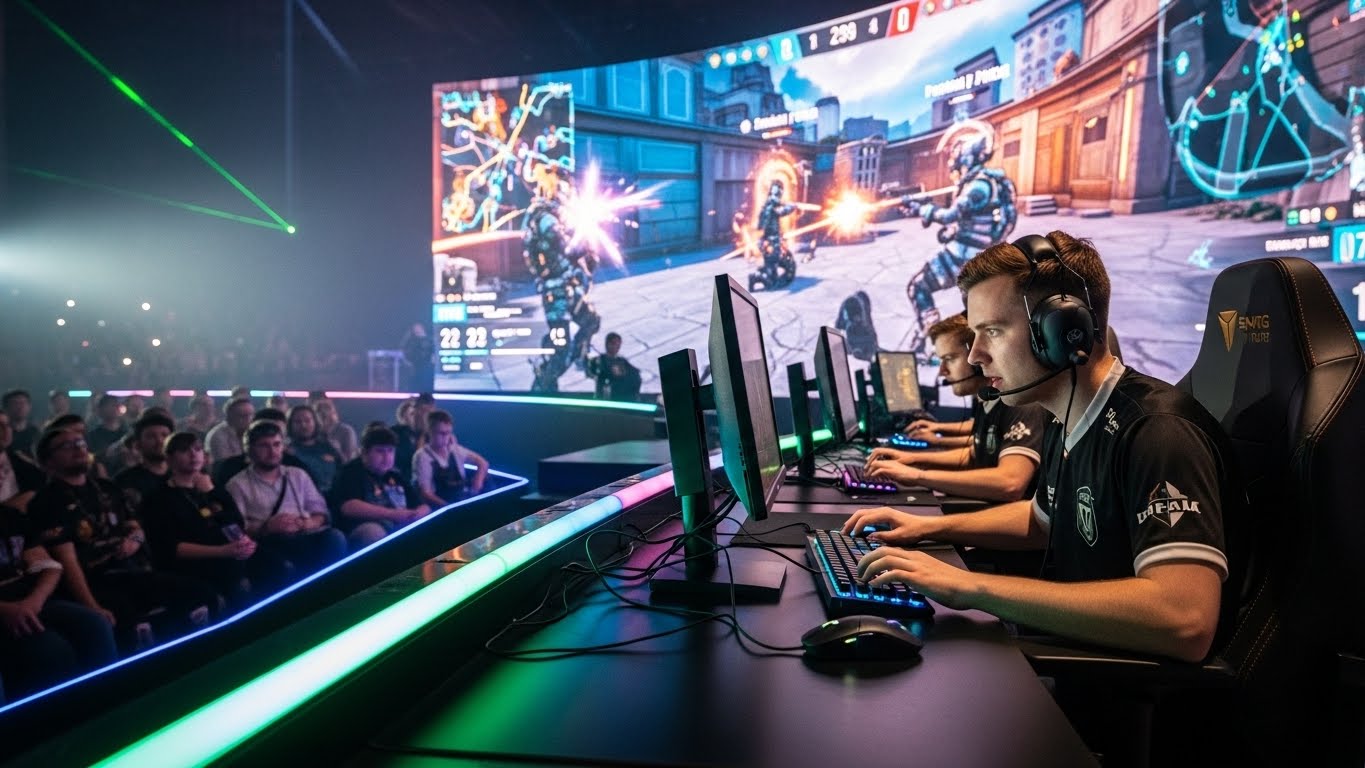
Esports is far more than fast reflexes or memorizing game mechanics. Professional players exhibit extraordinary mental acuity, strategic thinking, and teamwork. Every move, whether in solo or team-based games, requires split-second decision-making and adaptability. Communication and coordination are critical, as teams must work together to control objectives, manage resources, and outmaneuver opponents. The training regimen of professional esports players is rigorous, often involving long hours of practice, strategy sessions, and performance review. Mental fitness is as crucial as physical stamina; focus, stress management, and resilience are vital for success. Unlike traditional sports, esports relies heavily on cognitive and strategic skills, highlighting the evolving nature of competition in the digital age.
The Economic Impact of Esports
The esports industry has grown into a billion-dollar ecosystem that includes players, teams, tournament organizers, sponsors, broadcasters, and streaming platforms. Revenue streams are diverse, ranging from advertising and sponsorship deals to merchandise sales and ticketed events. Brands across sectors, from technology to consumer goods, increasingly invest in esports to reach younger, digitally-savvy audiences. In addition to direct revenue, esports contributes to the economy through content creation, event management, and technology development. Cities that host esports tournaments experience boosts in tourism, hospitality, and local business activity. Universities and educational institutions have even introduced esports programs, offering scholarships and professional training opportunities. The economic influence of esports demonstrates its legitimacy as an industry while highlighting its potential for continued growth and innovation.
Esports as a Cultural Phenomenon
Esports has become a cultural touchstone for millions of fans worldwide. Online communities thrive on social media, forums, and streaming platforms, creating spaces for discussion, collaboration, and fandom. Esports celebrities, often young players, inspire audiences with their skill, personalities, and success stories. Streaming platforms allow fans to engage directly with their favorite players, blurring the lines between athletes and entertainers. Esports also fosters global connections, uniting players and fans from different countries, languages, and backgrounds. Cultural influence extends to fashion, music, and digital content, as gaming aesthetics and themes permeate broader entertainment. This cultural resonance shows that esports is not only a competitive activity but also a lifestyle and identity for many participants.
The Role of Technology in Esports
Technology is at the core of esports, shaping both gameplay and viewer experience. High-performance gaming hardware, powerful graphics engines, and ultra-fast internet connections enable seamless competition at the highest level. Streaming technology allows live broadcasts of tournaments to millions of viewers simultaneously, often accompanied by interactive chat, commentary, and analysis. Advanced analytics and performance monitoring tools give players and coaches insights into strategy, reaction times, and decision-making patterns. Artificial intelligence is beginning to influence esports training, with algorithms simulating opponents and optimizing practice sessions. Technology also makes esports accessible to a broader audience, allowing anyone with a computer or console to participate in competitive gaming from anywhere in the world.
Women and Diversity in Esports
While esports has historically been male-dominated, there is a growing movement toward inclusivity and diversity. Women gamers are increasingly breaking barriers, competing professionally, and leading teams in major tournaments. Initiatives promoting diversity in esports aim to create safe and welcoming spaces for all participants, regardless of gender, ethnicity, or background. Inclusive tournaments and leagues provide opportunities for underrepresented groups to showcase their skills and gain recognition. Diverse representation not only enriches the community but also strengthens the industry by expanding the talent pool and broadening the audience. The push for inclusivity underscores the potential of esports to reflect and support broader societal values.
The Mental and Physical Challenges of Professional Gaming
Professional esports players face unique challenges, both mental and physical. Long hours of intense gaming can lead to eye strain, repetitive stress injuries, and sleep disruptions. Mental health concerns, including anxiety, burnout, and performance pressure, are common in high-level competition. Teams increasingly recognize the importance of wellness programs, mental coaching, and structured schedules to support players’ overall health. Physical fitness is also emphasized, as maintaining stamina and alertness is crucial for peak performance. The holistic approach to health in esports illustrates the evolving professionalism of the industry and the recognition that competitive gaming is both mentally and physically demanding.
The Future of Esports
The future of esports promises continued growth, innovation, and mainstream integration. Emerging technologies such as virtual reality and augmented reality could transform gameplay and spectator experiences, creating fully immersive digital arenas. Mobile esports is expanding rapidly, making competitive gaming accessible to players worldwide, even in regions without high-end gaming hardware. Educational programs, professional training academies, and career pathways are shaping the next generation of esports talent. Furthermore, esports may continue to merge with traditional sports, as collaborations, crossover events, and hybrid entertainment formats become more common. With increasing recognition, investment, and technological advancement, esports is poised to become a permanent fixture in global entertainment culture.
Conclusion: More Than Just a Game
Esports has evolved from humble beginnings into a global industry that combines competition, entertainment, technology, and culture. It challenges traditional notions of sports by emphasizing mental skill, strategy, and digital performance. Beyond competition, esports creates communities, fosters cultural connections, and generates economic impact, highlighting its multifaceted significance. The stories of triumph, perseverance, and innovation within esports inspire both players and fans, proving that gaming is more than just a hobby—it is a legitimate and influential form of human expression. As esports continues to grow, it will redefine what it means to compete, entertain, and connect in the digital age, establishing itself as one of the most dynamic and transformative movements in modern society.