





Introduction
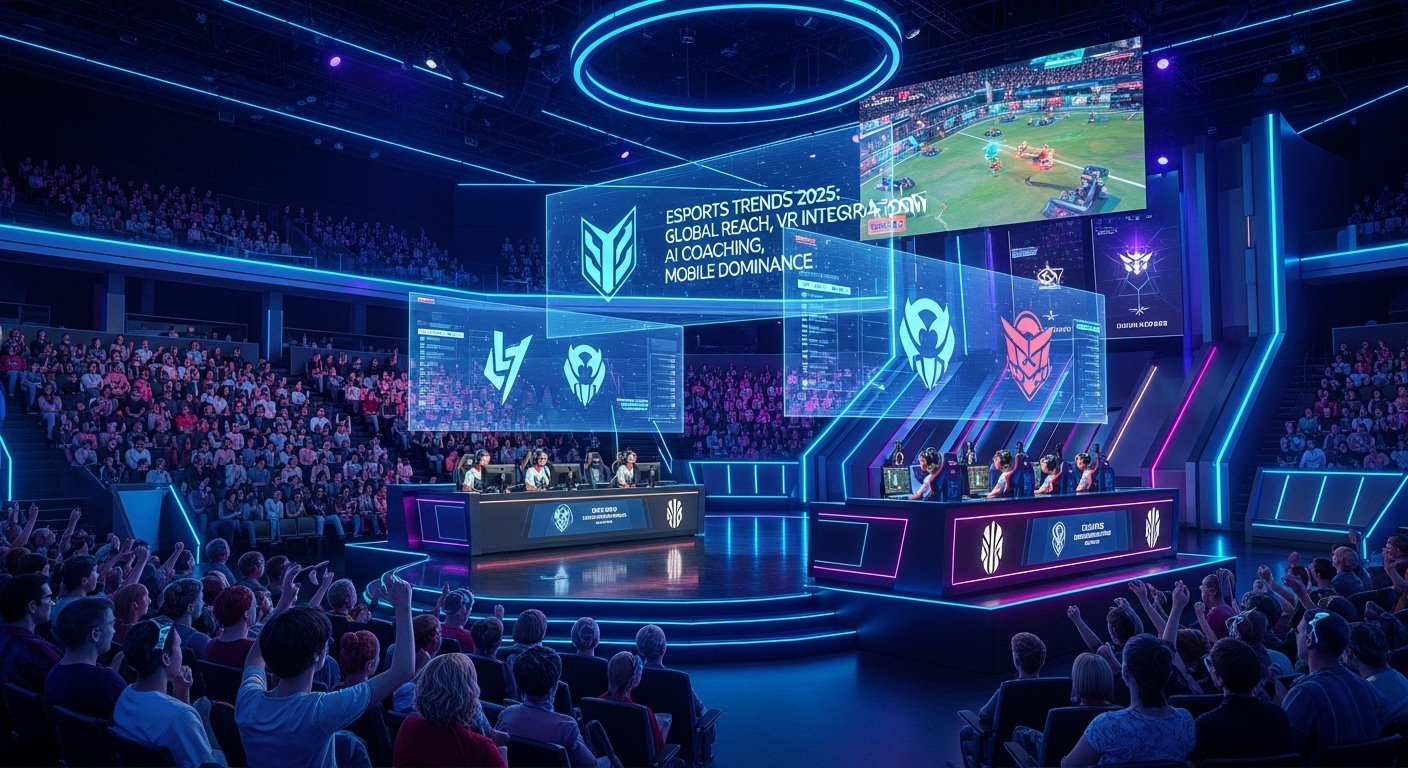
Esports has transformed from a niche hobby into a global phenomenon worth billions of dollars. Competitive gaming now attracts millions of viewers on platforms like Twitch and YouTube, with professional players competing for multi-million-dollar prize pools. The rapid rise of esports has given birth to some of the most iconic and influential games in history. These titles not only defined genres but also became cultural touchstones that shaped the esports industry as we know it today.
In this blog, we’ll explore the most popular esports games of all time, looking at their impact, competitive scenes, and why they remain at the top of the esports ladder. Whether you’re a hardcore gamer or a curious newcomer, this guide will give you a clear picture of the biggest titles in competitive gaming.
Why Esports Games Are So Popular
Before diving into the list, it’s important to understand what makes an esports game successful. Several key factors contribute to a game’s popularity in the competitive scene:
- Balanced gameplay: A fair competitive environment where skill matters more than luck.
- Active developer support: Frequent updates, patches, and tournaments help games stay fresh.
- Spectator-friendly design: Easy-to-follow gameplay makes matches exciting to watch.
- Strong community support: Large player bases fuel esports growth.
- Prize pools and sponsorships: Money and recognition keep players and teams motivated.
Now, let’s dive into the most popular esports games of all time and see how they’ve shaped the industry.
1. League of Legends (LoL)
Release Year: 2009
Developer: Riot Games
Genre: Multiplayer Online Battle Arena (MOBA)
Why It’s Popular
League of Legends is arguably the most famous esports game in the world. With millions of active players and a massive competitive scene, LoL dominates esports conversations. Riot Games continuously supports the title with new champions, skins, and seasonal updates.
Esports Scene
- The League of Legends World Championship (Worlds) is one of the biggest esports events, attracting millions of viewers.
- Prize pools often exceed $2 million, with sponsorships from global brands.
- Iconic teams like T1, G2 Esports, and Cloud9 have built legacies around the game.
Impact
LoL’s success turned esports into a mainstream phenomenon, especially in Asia, where stadiums sell out for live matches. It set the gold standard for competitive gaming.
2. Dota 2
Release Year: 2013
Developer: Valve Corporation
Genre: Multiplayer Online Battle Arena (MOBA)
Why It’s Popular
Dota 2 is known for its deep mechanics and complex strategies. While it has a steep learning curve, hardcore fans love its rewarding gameplay.
Esports Scene
- The International (TI) is the most prestigious tournament in esports, with record-breaking prize pools.
- TI 2021 offered over $40 million in prize money, the highest in esports history.
- Legendary players like N0tail and Puppey are household names in the community.
Impact
Dota 2 solidified the MOBA genre as a cornerstone of esports. Its fanbase may be smaller than LoL’s, but its prize pools and community loyalty make it a titan in competitive gaming.
3. Counter-Strike: Global Offensive (CS:GO) / Counter-Strike 2
Release Year: 2012 (CS:GO), 2023 (CS2)
Developer: Valve Corporation
Genre: First-Person Shooter (FPS)
Why It’s Popular
Counter-Strike has been around since the early 2000s, and CS:GO cemented its status as one of the most iconic FPS esports titles. In 2023, Valve transitioned to Counter-Strike 2, updating the engine but keeping the core gameplay intact.
Esports Scene
- Events like ESL One and Intel Extreme Masters bring in millions of viewers.
- Prize pools range from $1 million to $2 million per event.
- Teams like Astralis, Natus Vincere (Na’Vi), and FaZe Clan are legends of the scene.
Impact
Counter-Strike remains the benchmark for tactical shooters. Its blend of strategy, teamwork, and raw aim skill continues to attract fans and players worldwide.
4. Fortnite
Release Year: 2017
Developer: Epic Games
Genre: Battle Royale
Why It’s Popular
Fortnite took the gaming world by storm with its unique mix of battle royale survival and building mechanics. Its colorful graphics, constant updates, and crossovers with pop culture icons made it a massive hit.
Esports Scene
- The Fortnite World Cup 2019 offered a jaw-dropping $30 million prize pool.
- Kyle “Bugha” Giersdorf became a household name after winning the solo event.
- Fortnite continues to host seasonal competitions, though its esports dominance has declined slightly.
Impact
Fortnite redefined how mainstream audiences viewed esports. Its collaborations with Marvel, Star Wars, and music stars like Travis Scott blurred the lines between gaming and pop culture.
5. Call of Duty (CoD)
Release Year: 2003 (franchise), ongoing updates
Developer: Activision
Genre: First-Person Shooter (FPS)
Why It’s Popular
The Call of Duty franchise is one of the most successful in gaming history. Known for its fast-paced gameplay, it thrives both casually and competitively.
Esports Scene
- The Call of Duty League (CDL) is a franchised competition with millions in prize money.
- Popular titles include Call of Duty: Modern Warfare, Black Ops, and Warzone.
- Iconic teams include OpTic Gaming, Atlanta FaZe, and Los Angeles Thieves.
Impact
CoD esports has a strong following in North America and continues to grow globally. Its yearly releases ensure the competitive scene evolves constantly.
6. Overwatch
Release Year: 2016
Developer: Blizzard Entertainment
Genre: Hero Shooter
Why It’s Popular
Overwatch introduced the concept of a hero-based team shooter, combining FPS elements with MOBA-style abilities.
Esports Scene
- The Overwatch League (OWL) was one of the first city-based franchised leagues.
- Teams represented cities like New York, London, and Seoul.
- Prize pools reached millions, though recent years have seen a decline.
Impact
Overwatch showed how esports could embrace a city-based format similar to traditional sports. Despite challenges, it left a lasting mark on competitive gaming.
7. Valorant
Release Year: 2020
Developer: Riot Games
Genre: Tactical FPS
Why It’s Popular
Valorant quickly rose to prominence by blending elements of CS:GO’s tactical shooting with Overwatch’s hero abilities.
Esports Scene
- Riot Games established the Valorant Champions Tour (VCT) to build a global competitive structure.
- Teams like Sentinels, Fnatic, and DRX are top contenders.
- Prize pools and viewership numbers have steadily increased since launch.
Impact
Valorant is one of the fastest-growing esports titles and is poised to dominate the FPS esports market in the coming years.
8. Rocket League
Release Year: 2015
Developer: Psyonix
Genre: Sports / Vehicular Soccer
Why It’s Popular
Rocket League combines soccer with rocket-powered cars, creating one of the most unique esports experiences. Its simplicity makes it easy to watch and hard to master.
Esports Scene
- The Rocket League Championship Series (RLCS) features global tournaments.
- Prize pools average around $2 million annually.
- Teams like Team BDS, NRG, and Moist Esports are fan favorites.
Impact
Rocket League proved that esports doesn’t need guns or fantasy worlds to succeed—it just needs exciting, competitive gameplay.
9. StarCraft II
Release Year: 2010
Developer: Blizzard Entertainment
Genre: Real-Time Strategy (RTS)
Why It’s Popular
StarCraft II is often called the grandfather of esports, especially in South Korea, where it was a cultural phenomenon. Its strategic depth and fast-paced gameplay made it a perfect spectator sport.
Esports Scene
- Premier events like Global StarCraft II League (GSL) were legendary.
- South Korean players dominated the competitive scene.
- Though not as popular today, it remains a cornerstone of esports history.
Impact
StarCraft II laid the foundation for modern esports. Without it, competitive gaming might not have reached today’s heights.
10. Super Smash Bros.
Release Year: 1999 (franchise), ongoing
Developer: Nintendo
Genre: Fighting Game
Why It’s Popular
Super Smash Bros. is one of the most beloved fighting games, known for its crossover roster and accessible gameplay.
Esports Scene
- Major tournaments include EVO and Smash Summit.
- Titles like Melee and Ultimate dominate the competitive scene.
- Legendary players like Mango, Armada, and MKLeo became icons.
Impact
Despite limited developer support, the community-driven Smash scene has thrived for decades, proving the passion of grassroots esports.
Honorable Mentions
- PUBG (PlayerUnknown’s Battlegrounds): Sparked the battle royale craze.
- Apex Legends: A growing competitor in the battle royale esports scene.
- Rainbow Six Siege: Popular in tactical shooter esports.
- Hearthstone: Blizzard’s digital card game that defined esports for its genre.
- Street Fighter: A legendary fighting game franchise with a huge competitive legacy.
Conclusion
The most popular esports games of all time have one thing in common: they brought people together through competition, strategy, and passion. From MOBAs like League of Legends and Dota 2 to FPS legends like Counter-Strike and Valorant, these games shaped esports into the massive industry it is today.