




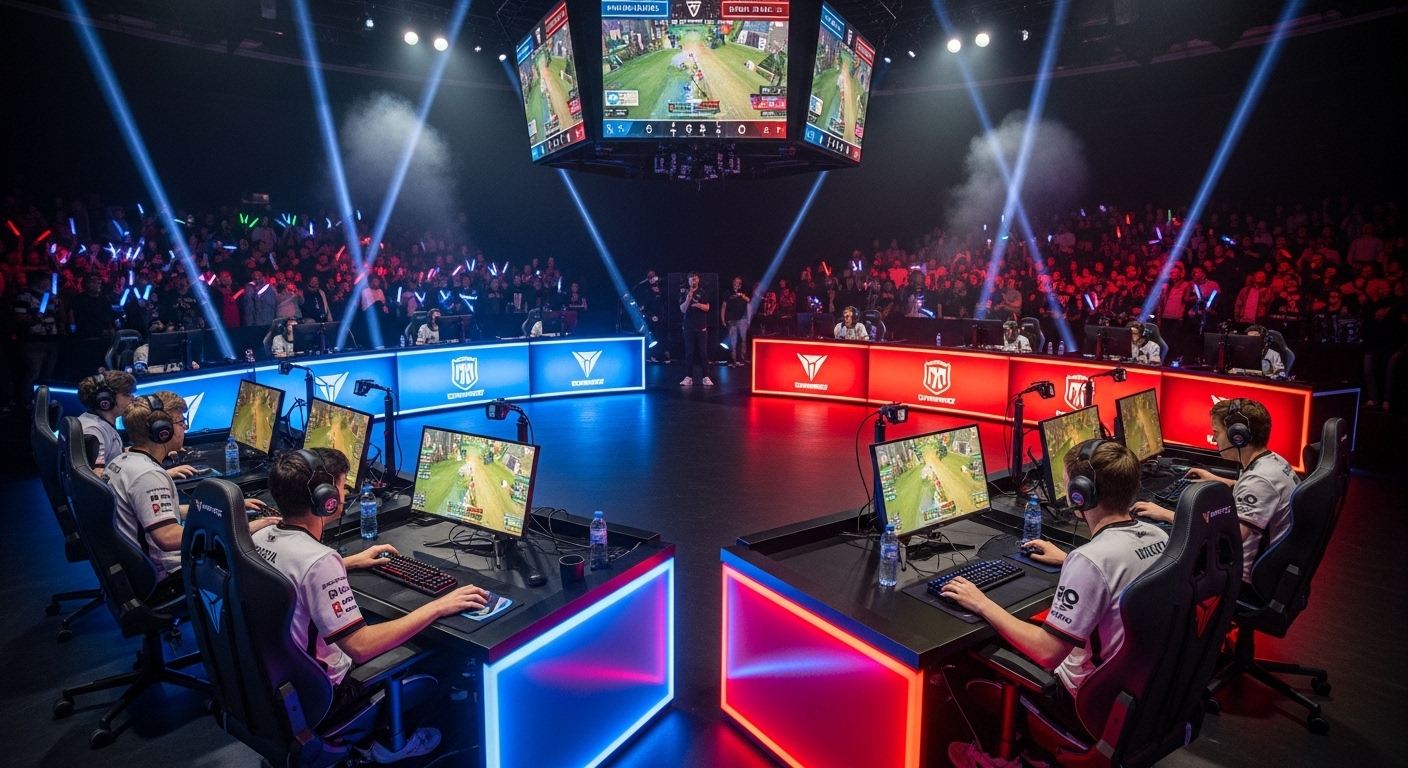
Esports has grown from a small corner of the gaming community into a global entertainment powerhouse. What was once seen as a pastime for hobbyists is now a professional industry with dedicated athletes, massive tournaments, passionate fanbases, and astonishing prize pools. As technology advances and audiences grow, esports continues to redefine what competition, entertainment, and community mean in the digital age. This blog explores the history, culture, impact, and future of esports, revealing why it has become one of the most influential sectors in modern entertainment.
The Early Days of Competitive Gaming
Though many believe esports is a recent trend, its roots go back several decades. In the early 1970s and 1980s, video game competitions began emerging through arcade challenges and home console contests. Players gathered in small groups to battle for high scores and local recognition. As technology evolved, multiplayer games gained popularity, allowing more competitive formats. By the 1990s, titles like Street Fighter, Quake, and StarCraft had begun attracting serious competitors and audiences, signaling the start of organized gaming culture. These early competitions planted the seeds for the massive industry esports would one day become.
The Turning Point of Professional Esports
The 2000s marked a significant turning point for esports. The surge of online gaming allowed players from different regions to compete without being physically present in the same location. Professional leagues began forming, offering structured tournaments, sponsorship deals, and salaries for players. South Korea emerged as an early leader, broadcasting matches on national television and treating esports professionals like celebrity athletes. This era introduced the world to the concept of gaming as a legitimate career, inspiring thousands of young players to pursue excellence in their favorite games.
The Expansion of the Global Esports Industry
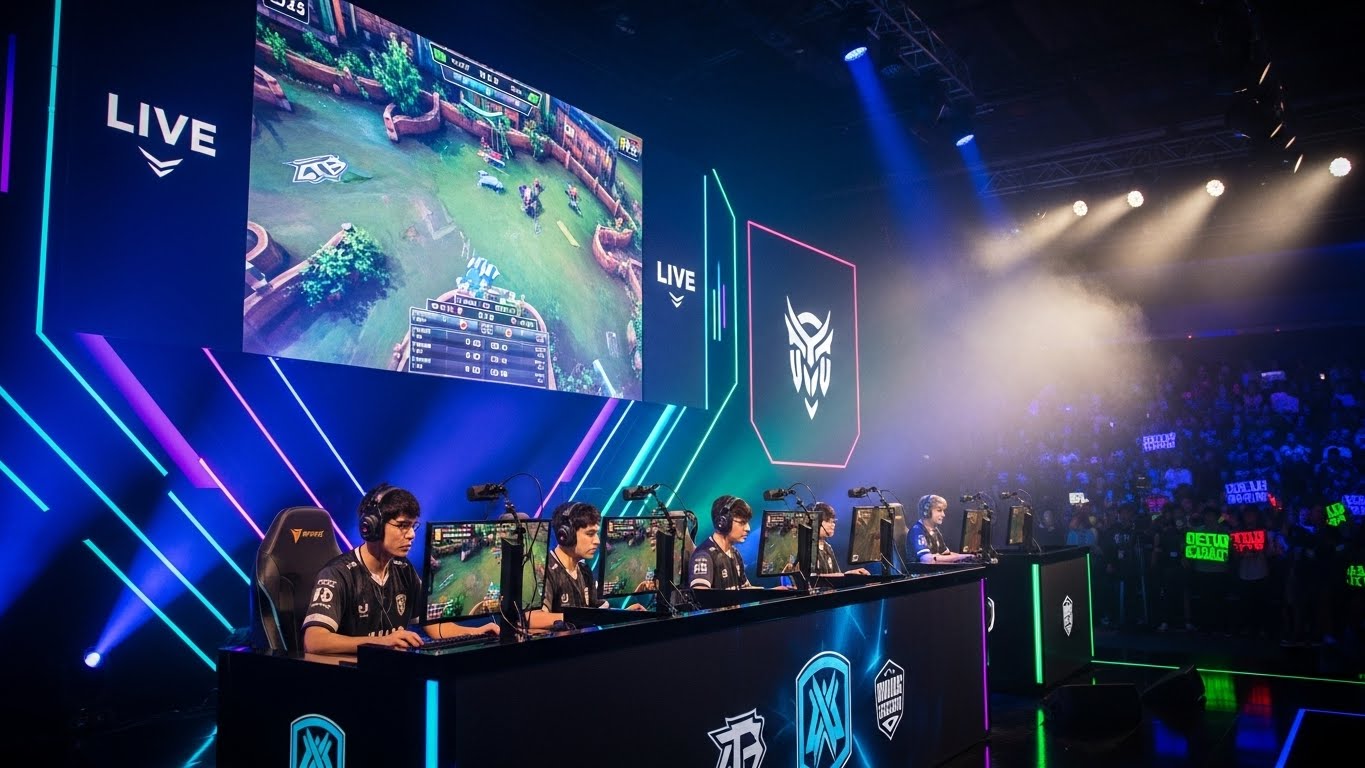
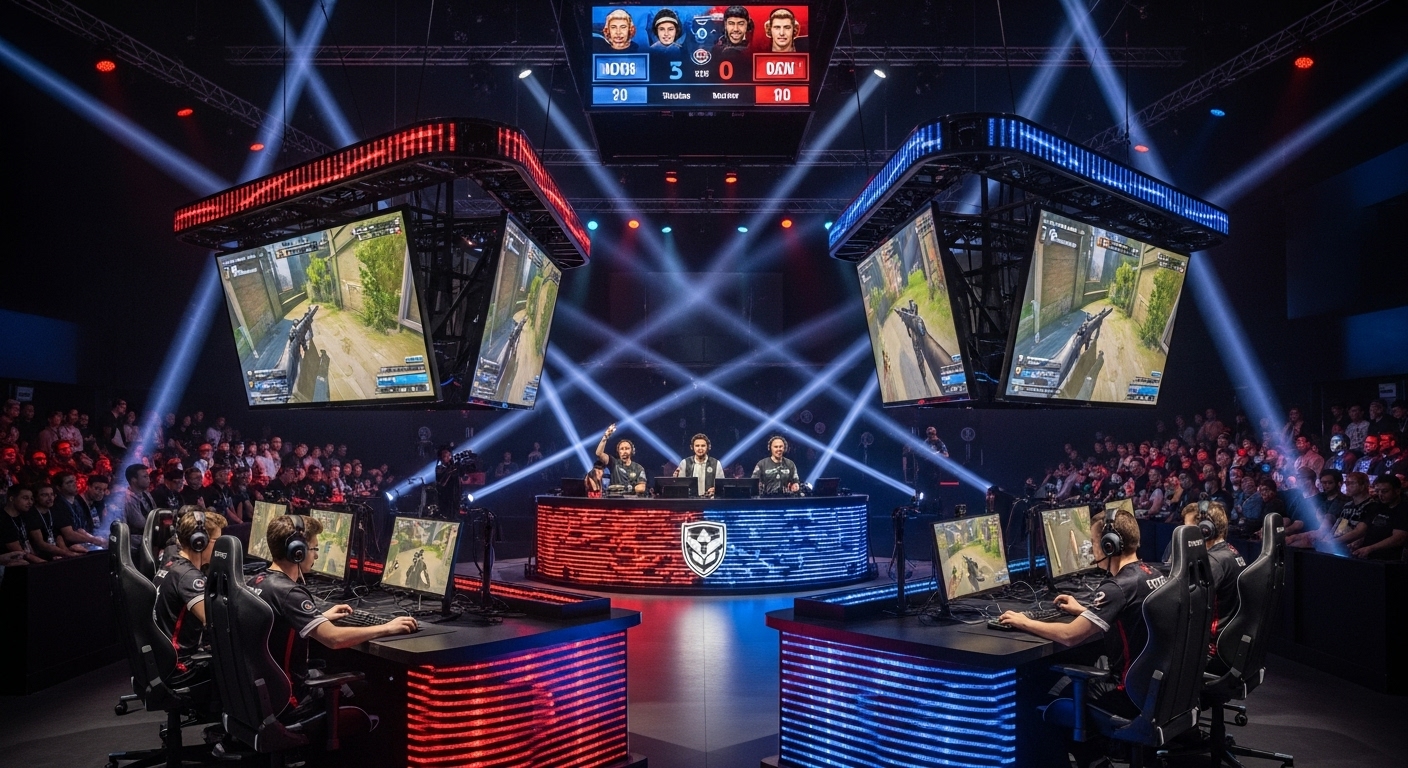
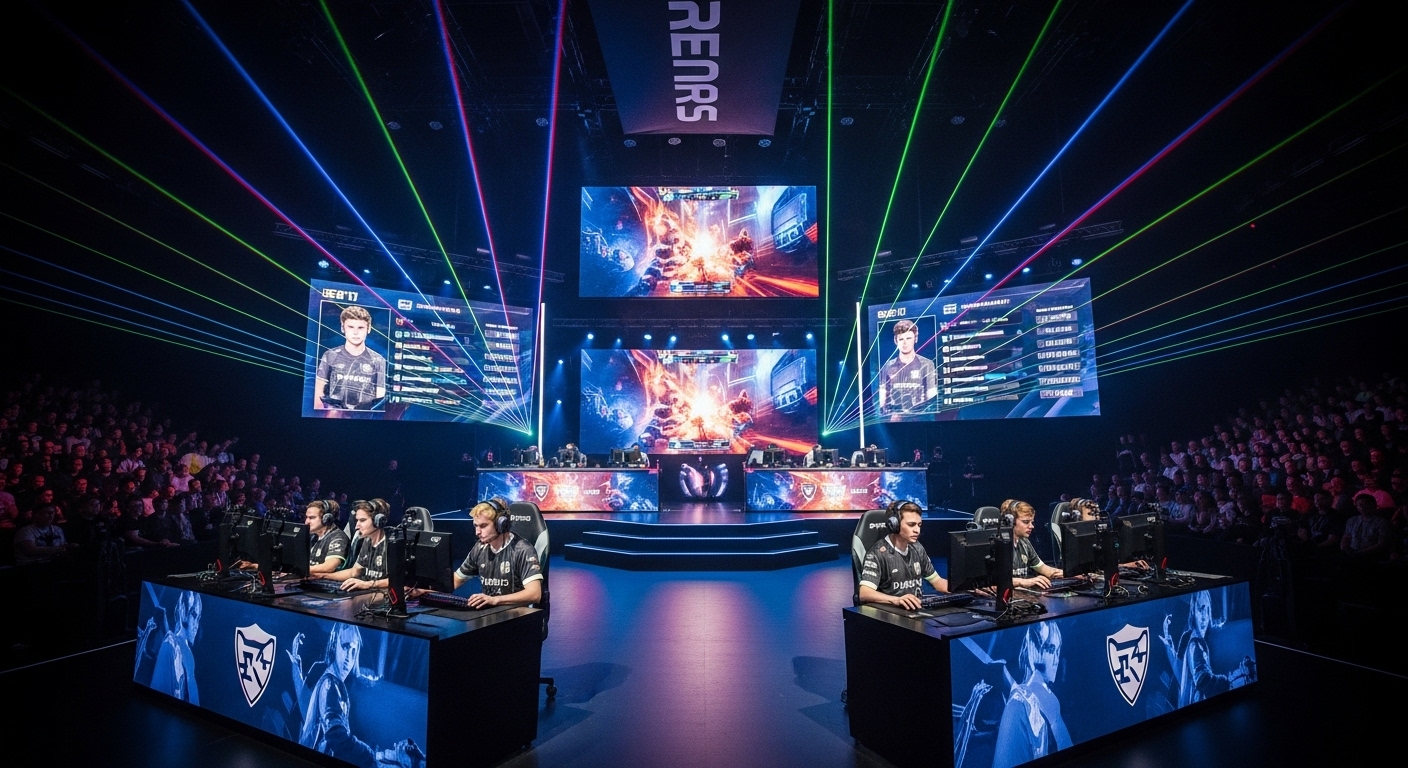
Esports is now a multi-billion-dollar global industry. Major tournaments attract millions of live viewers and fill stadiums with cheering fans. Cities compete to host esports events, recognizing the economic boost they bring. Team organizations operate like traditional sports clubs, with dedicated coaches, analysts, training facilities, and merchandise lines. Sponsorships and investments from major companies have contributed to rapid industry growth. The global reach of esports means that fans from every continent can follow their favorite teams and players, creating a unified community driven by shared passion for competition.
Streaming: The Catalyst for Esports Popularity
The rise of streaming platforms revolutionized esports. Players no longer needed television networks to reach audiences. With a simple broadcast setup, they could share matches and personal gameplay with viewers around the world. This direct connection introduced a new kind of entertainer: the gaming streamer. Viewers not only watched competitive matches but also connected with their favorite players through live interactions. Streaming added personality and accessibility to esports, turning players into global influencers with loyal fanbases. This digital ecosystem continues to fuel esports growth by making content available anytime and anywhere.
What Makes Esports So Appealing
Esports appeals to a wide audience for several reasons. Unlike traditional sports, it is accessible to almost anyone with a device and internet connection. Games offer diverse genres, allowing players to find something that matches their interests. The excitement of esports comes from its fast pace, strategic depth, and unpredictable outcomes. Professional players execute complex maneuvers and strategies that amaze even experienced gamers. Audiences also connect emotionally with players, teams, and storylines, much like they do with traditional sports. The sense of community is strong, with fans forming bonds over shared enthusiasm and competitive spirit.
The Influence of Technology on Esports Growth
Technology fuels every aspect of esports. High-speed internet enables smooth gameplay and live broadcasts. Advancements in graphics and game design create immersive experiences that enhance viewer enjoyment. Sophisticated analytics tools allow players and coaches to analyze performances, refine tactics, and understand opponent strategies. Virtual reality and augmented reality are beginning to enter the esports scene, suggesting even more immersive competitions in the future. Technology continues to push boundaries, ensuring that esports evolves alongside digital innovation.
Esports as a Real Career Path
For many, esports is now a legitimate profession. Professional gamers earn income through tournament winnings, sponsorships, and streaming. Coaches guide players through strategy and training routines. Analysts study gameplay to develop competitive advantages. Content creators produce videos, guides, and commentary that attract large audiences. Event organizers, managers, designers, and marketers also play essential roles in the esports industry. Educational institutions are beginning to offer esports scholarships and academic programs, recognizing the industry’s long-term potential. The path to a career in esports is more open than ever, offering opportunities far beyond playing games competitively.
The Competitive Lifestyle of Esports Athletes
Esports athletes undergo rigorous training to maintain their performance. They practice gameplay for hours daily while focusing on mental sharpness, communication, teamwork, and strategic thinking. Many professional teams incorporate physical fitness routines, mental health guidance, and nutrition plans to ensure their players’ well-being. Contrary to stereotypes, high-level gaming requires exceptional hand-eye coordination, reaction time, and decision-making skills. The competitive lifestyle demands discipline, patience, and resilience, making esports a challenging and rewarding profession.
Esports and Modern Culture
Esports has become deeply woven into modern culture. Fans wear team jerseys, attend live events, and celebrate victories much like traditional sports fans. Collaborations between esports organizations and fashion brands, music artists, and entertainment companies have broadened the industry’s cultural reach. Esports events often include live performances, celebrity appearances, and unique fan experiences. The blending of gaming with mainstream entertainment has made esports a cultural force, influencing trends, media, and social interactions across generations.
The Impact of Esports on Youth and Education
The rise of esports has influenced younger generations in meaningful ways. Many students see gaming as a way to develop strategic thinking, teamwork, and problem-solving skills. Schools and universities now offer esports clubs, training programs, and varsity-level teams. These initiatives promote a structured environment where students can pursue their passion while learning valuable life skills. Scholarships for esports players encourage academic excellence alongside competitive performance. This integration of gaming and education is reshaping how society perceives digital skills and creative careers.
Esports as a Global Community
One of the most remarkable aspects of esports is its ability to unite people across borders. Fans and players from different cultures interact daily through online platforms, forming friendships and communities built on shared interests. Esports tournaments feature teams from various countries, promoting cultural exchange and global recognition. This sense of unity sets esports apart from many other competitive activities, as it thrives on inclusivity, diversity, and worldwide participation.
Challenges Facing the Esports Industry
Despite its success, esports faces several challenges. Maintaining player health, preventing burnout, and setting age-appropriate boundaries are ongoing concerns. Regulations regarding contracts, fairness, and transparency vary across countries and organizations. Ensuring stability in teams and tournaments is essential as the industry continues to grow. However, these challenges also create opportunities for improvement, professional standards, and long-term sustainability. The industry is actively addressing these issues to support the well-being of players and the integrity of competition.
The Future of Esports
The future of esports appears brighter than ever. Advancements in virtual reality, augmented reality, and artificial intelligence promise more immersive and innovative gaming experiences. Global tournaments will continue to expand, attracting even larger audiences and greater investment. Esports may eventually be recognized alongside traditional sports on international stages. As younger generations embrace digital entertainment, esports will remain a central force in shaping how the world experiences competition and creativity.
Conclusion
Esports has taken the world by storm, redefining entertainment, competition, and community in the digital era. What began as small-scale gaming contests has grown into a global movement powered by technology, passion, and creativity. It has become a thriving industry offering careers, education, and cultural influence. Esports is more than just gaming; it is a celebration of skill, teamwork, innovation, and the limitless potential of digital entertainment. As the industry continues to evolve, it will inspire new generations, create new opportunities, and transform the future of global competition.
If you want, I can also create a fully SEO-optimized version of this blog or craft another one with a different tone or audience focus.