




Introduction
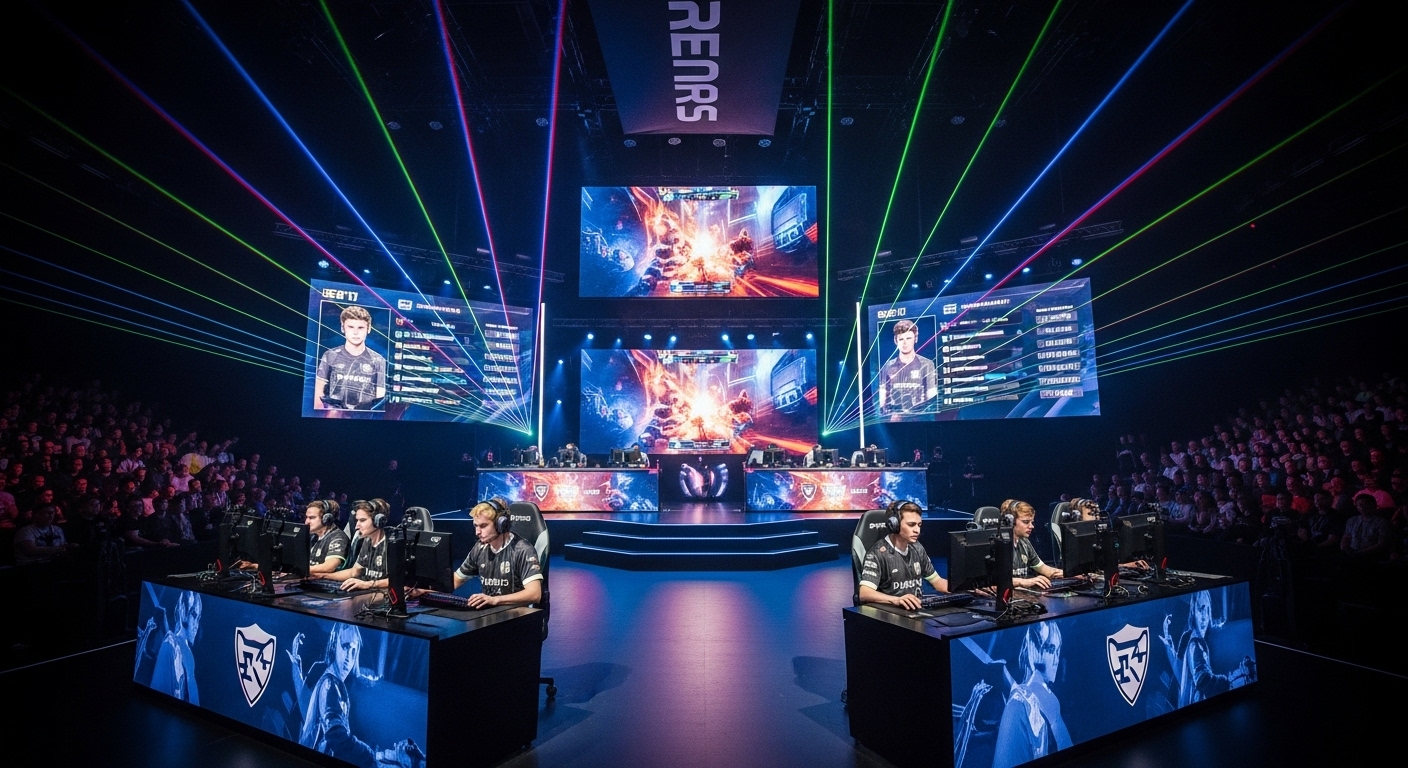
In the last two decades, esports has transformed from a niche hobby into a global cultural and economic phenomenon. What once began as casual multiplayer gaming among friends has now evolved into an organized, professional industry that draws millions of viewers worldwide. Esports, short for electronic sports, encompasses competitive video gaming across multiple genres, including strategy, first-person shooters, sports simulations, and fighting games. Today, professional players compete in high-stakes tournaments with prize pools reaching millions of dollars, while fans watch live streams, attend events, and follow their favorite teams with the intensity once reserved for traditional sports. Beyond entertainment, esports represents a new form of career, community, and cultural expression.
The Origins and Growth of Esports
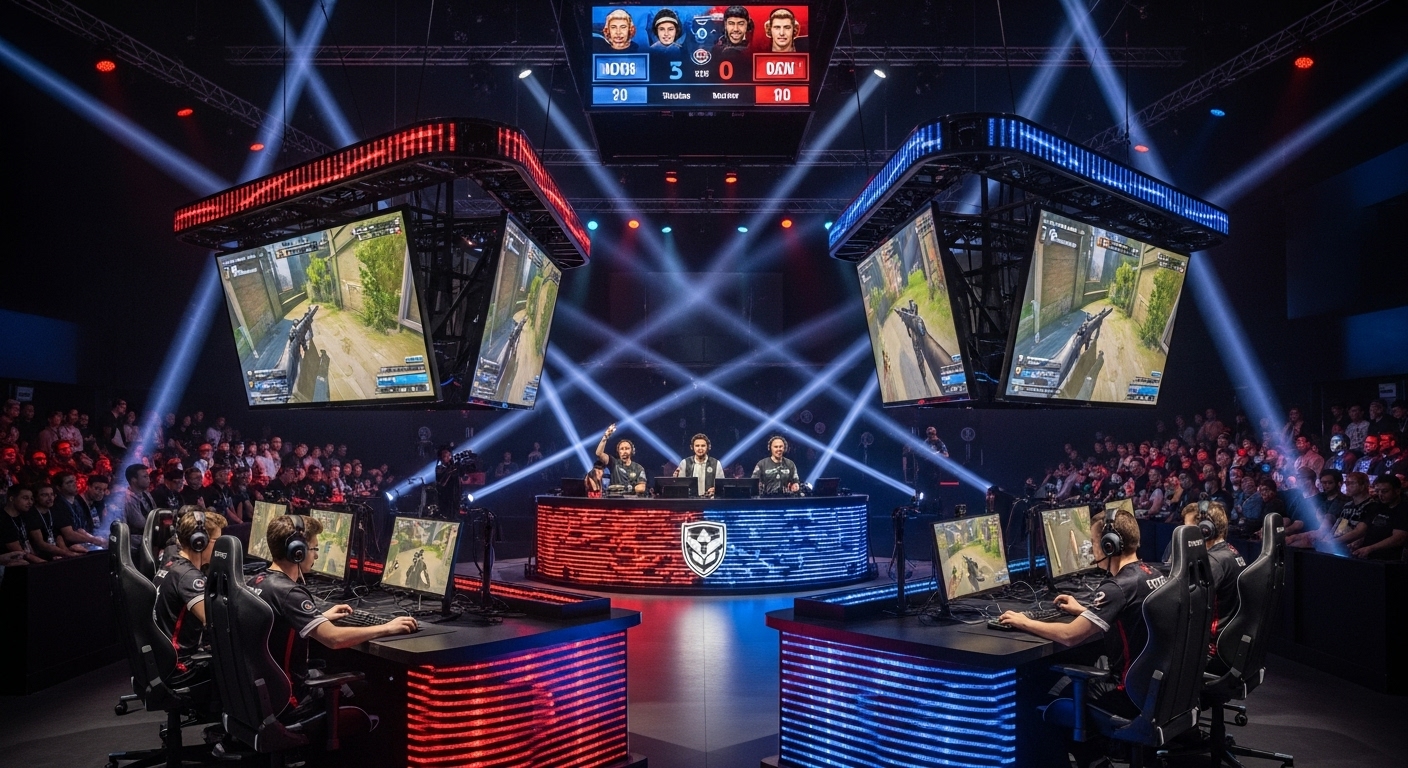
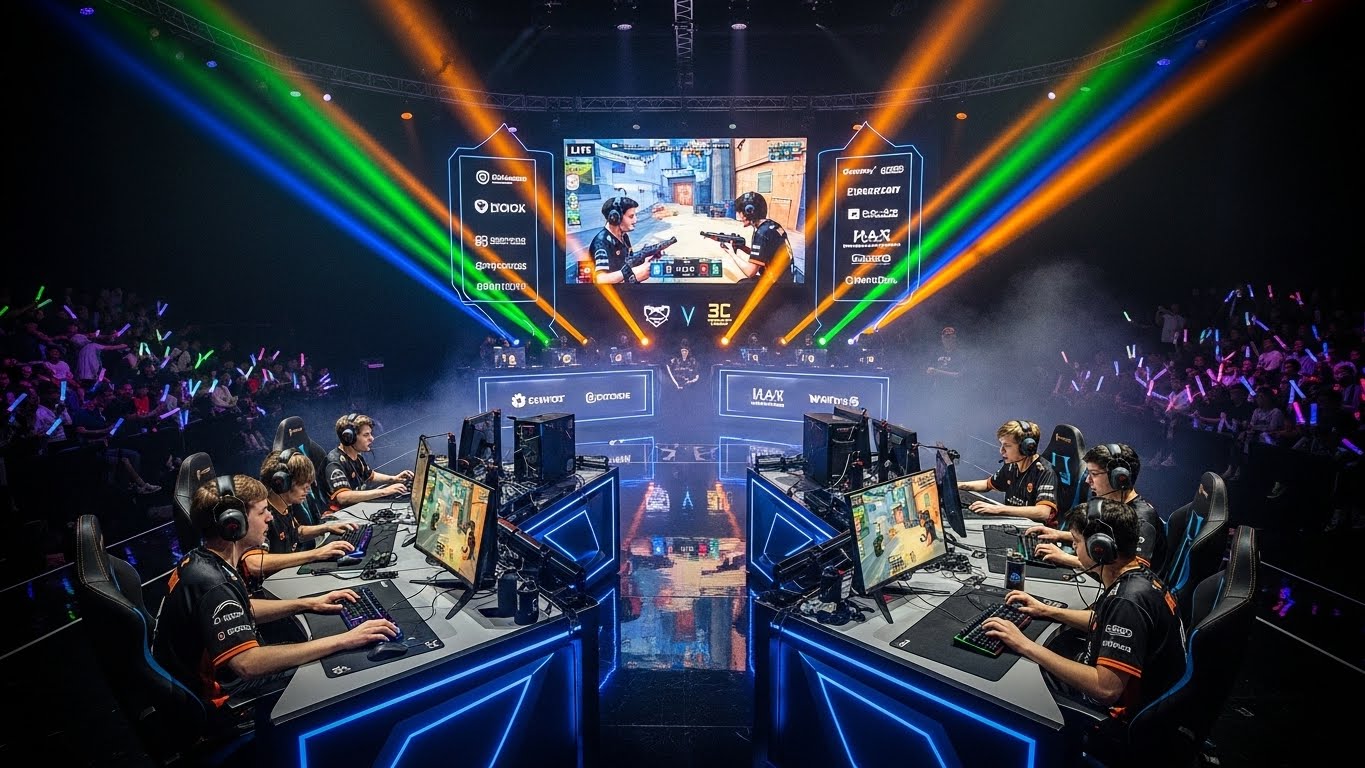
The roots of esports can be traced back to arcade competitions in the 1970s and 1980s, where players competed in games like Space Invaders and Pac-Man. The 1990s brought the rise of multiplayer PC games such as StarCraft, Quake, and Counter-Strike, which laid the foundation for organized tournaments and competitive leagues. Internet connectivity in the early 2000s allowed players from different regions to compete online, expanding esports from local competitions to global events. With the launch of streaming platforms, esports gained unprecedented visibility, allowing fans to watch matches live and interact with players. Today, esports tournaments fill arenas, attract sponsorships, and even receive coverage comparable to traditional sports events.
Esports as a Professional Career
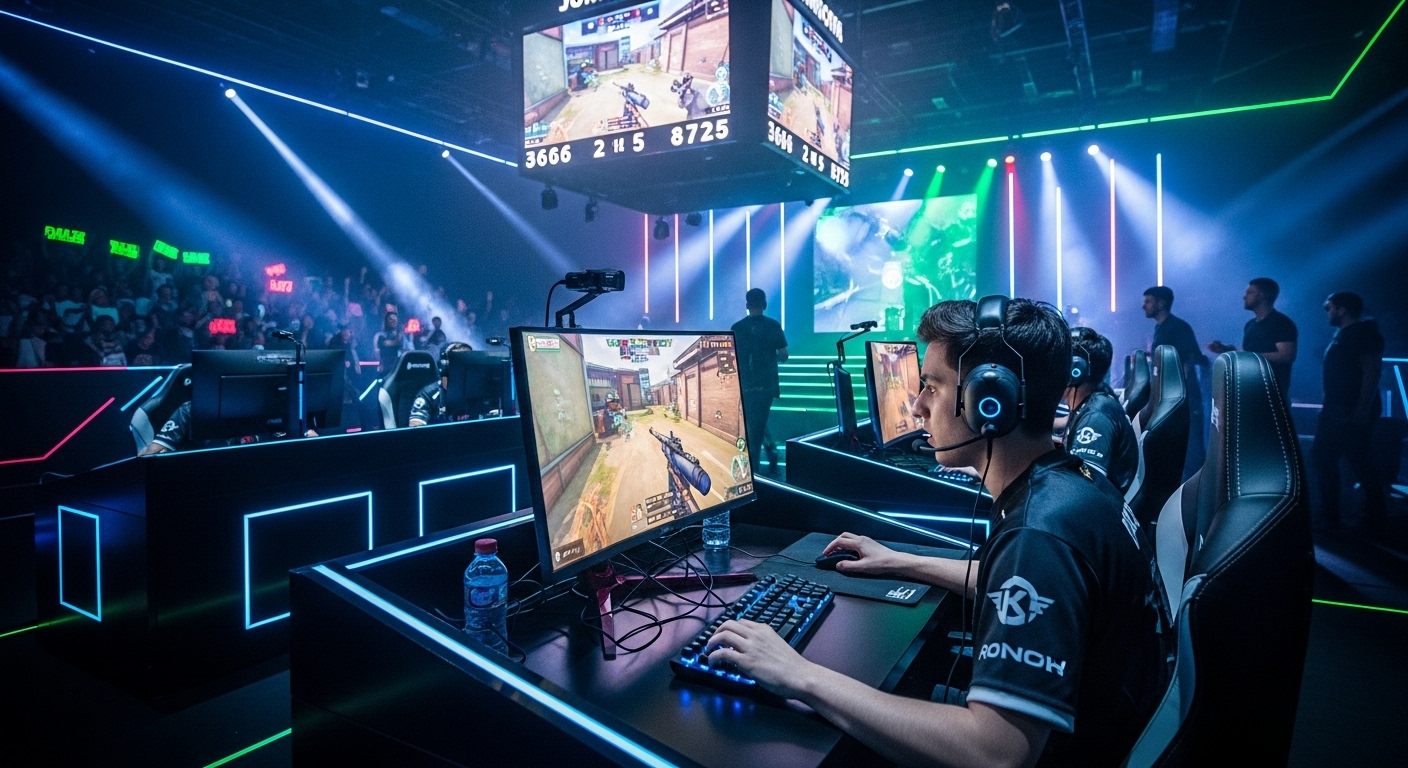
Esports has become a viable professional career, offering opportunities similar to traditional sports. Professional players dedicate hours to practice, refining strategies, improving reaction times, and mastering communication with teammates. Top-level competitions come with significant financial rewards, sponsorships, and endorsements. Beyond players, the industry employs coaches, analysts, event organizers, commentators, and content creators. Universities now offer esports scholarships, integrating gaming into educational programs and providing pathways for young talent to develop academically and professionally. The rise of esports careers reflects society’s growing recognition of gaming as a legitimate profession.
The Role of Streaming in Esports Popularity
Streaming platforms have been pivotal in driving esports growth. Services that allow gamers to broadcast live gameplay have transformed how audiences consume content. Viewers can watch competitive matches, interact with players through chats, and learn strategies from skilled professionals. Streaming has also enabled content creators to build fanbases, monetize their expertise, and establish careers outside traditional competitions. These platforms have democratized access to esports, allowing both small-scale and professional players to reach global audiences, fostering a community that is inclusive and interactive.
Esports and Youth Engagement
Esports offers unique cognitive and social benefits for young players. Participating in competitive gaming enhances strategic thinking, multitasking, decision-making under pressure, and hand-eye coordination. It also encourages teamwork and communication, as players must work together to achieve objectives. While concerns about screen time and sedentary lifestyles exist, structured esports programs and coaching can provide a healthy balance, offering educational and social benefits. Youth engagement in esports often fosters perseverance, resilience, and goal-setting skills that extend beyond the digital world.
Building Community Through Esports
One of esports’ most significant impacts is its ability to create communities. Online teams, guilds, and fan groups provide social interaction, mentorship, and collaborative opportunities. Fans connect through live chats, forums, and social media, forming strong bonds around shared interests. Offline events, such as conventions and tournaments, strengthen these communities by offering spaces for networking, celebration, and direct interaction between fans and players. Esports communities are global, transcending geographical boundaries and cultural differences, demonstrating the universal appeal of competitive gaming.
Technological Advancements Driving Esports
Technology underpins the rapid growth of esports. High-performance computers, gaming consoles, virtual reality systems, and high-speed internet enable high-level gameplay and streaming. Advanced analytics and performance tracking tools allow players to study opponents, refine strategies, and optimize training. Virtual and augmented reality innovations are opening new dimensions in gameplay and audience engagement. The continuous evolution of gaming technology ensures that esports remains immersive, competitive, and engaging, blurring the lines between entertainment and professional sports.
Economic Significance of Esports
Esports has become a major global industry, generating billions in revenue through tournaments, sponsorships, merchandise, media rights, and streaming. Professional teams receive financial support from sponsors, technology companies, and lifestyle brands. Large-scale events boost tourism and local economies, while online content monetization creates income for players and creators worldwide. The industry also provides diverse employment opportunities in coaching, commentary, event management, marketing, and media production. Esports’ economic impact highlights its legitimacy as a sustainable and influential sector in global entertainment.
Inclusivity and Accessibility in Esports
One of esports’ defining strengths is its inclusivity. Players of all genders, ages, and physical abilities can compete on a level playing field where skill, strategy, and teamwork determine success. Adaptive gaming technologies enable participation for players with disabilities, expanding opportunities for competition and engagement. Women-focused tournaments and leagues are gaining prominence, promoting diversity and representation within the industry. By reducing barriers to entry and emphasizing equality, esports fosters a competitive environment where talent is the primary measure of achievement.
Cultural Impact of Esports
Esports has become a cultural phenomenon that influences fashion, music, media, and social trends. Professional players achieve celebrity status, collaborating with mainstream artists and appearing in media campaigns. Games inspire fan art, creative content, and social media engagement, integrating gaming into popular culture. Esports events combine competition with entertainment, merchandising, and social interaction, creating experiences that extend beyond gameplay. The cultural integration of esports demonstrates its power to shape modern entertainment, connect communities, and influence broader societal trends.
Health and Well-Being in Competitive Gaming
While esports offers cognitive and social benefits, attention to health is essential. Long hours of practice can lead to physical strain, fatigue, and mental stress. Professional teams increasingly employ fitness coaches, nutritionists, and mental health professionals to ensure players maintain optimal well-being. Encouraging regular physical activity, balanced diets, proper sleep, and structured practice schedules supports sustainable performance. Integrating wellness practices into esports demonstrates a holistic approach to competitive gaming, highlighting the importance of both physical and mental health for long-term success.
Esports and Education
Educational institutions are recognizing esports as an avenue for skill development. Schools and universities are integrating esports programs into curricula, offering courses on game design, strategy, media production, and team management. Esports scholarships provide academic support alongside competitive opportunities, promoting holistic growth for young players. These programs teach critical thinking, problem-solving, teamwork, and leadership, equipping students with skills applicable in both professional gaming and broader careers. Education in esports bridges the gap between passion and profession, preparing the next generation of industry leaders.
The Future of Esports
The future of esports promises continued growth, innovation, and mainstream integration. Emerging technologies such as virtual reality, augmented reality, and artificial intelligence will enhance player experiences and audience engagement. Global accessibility will expand, connecting players from diverse regions and backgrounds. Increased inclusivity and diversity initiatives will ensure equitable opportunities for all participants. Esports is poised to become a central pillar of digital entertainment, education, and community engagement, further bridging the gap between gaming and broader societal influence.
Conclusion
Esports has evolved from casual gaming into a global industry, redefining competition, entertainment, and career opportunities. It fosters skill development, community engagement, cultural expression, and economic growth while offering inclusive opportunities for players worldwide. As technology continues to advance, esports will expand its reach, integrating virtual experiences, educational programs, and professional opportunities. More than a pastime, esports represents a transformative movement that celebrates skill, strategy, innovation, and human connection. Its rise underscores the potential of digital platforms to create communities, careers, and cultural experiences that resonate across the globe.