




Introduction
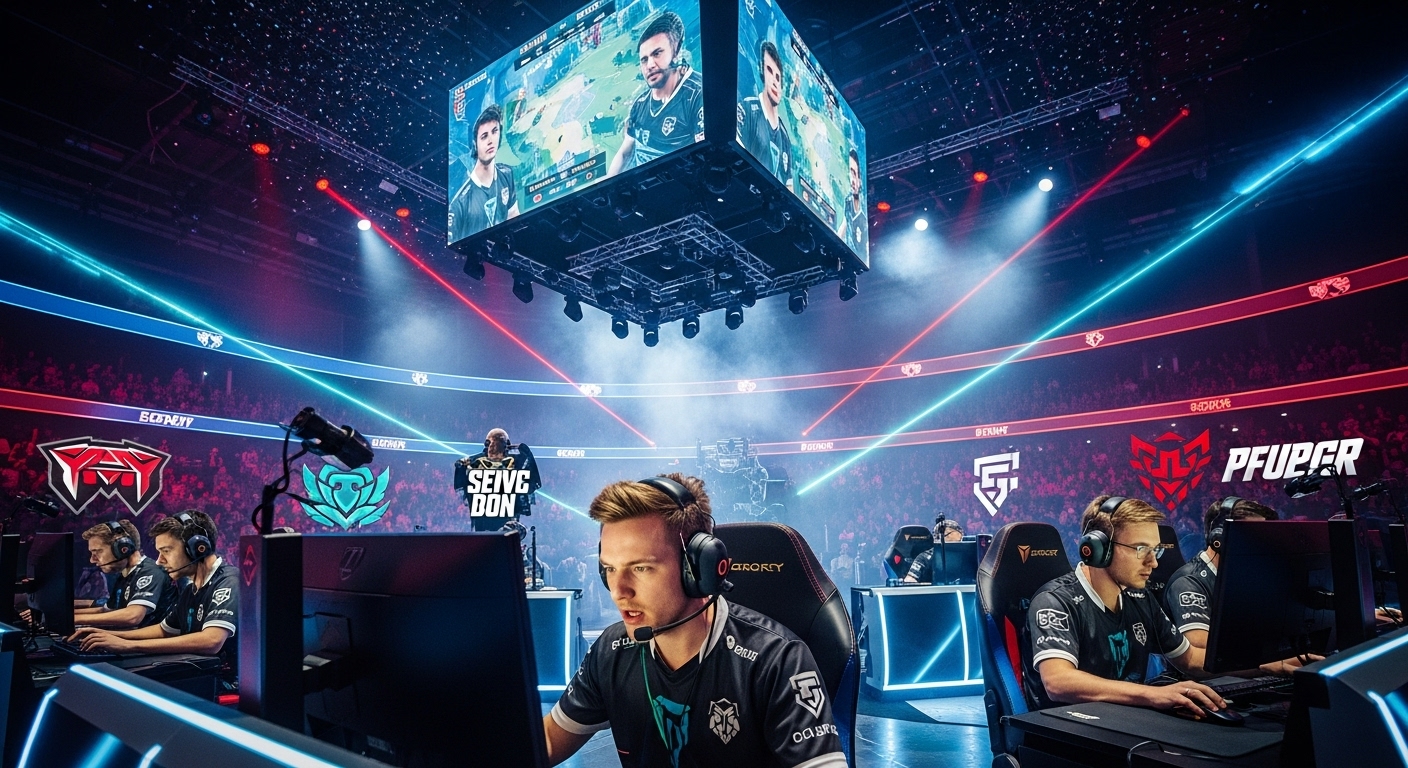
In the not-so-distant past, the concept of competitive gaming was often dismissed as a passing phase, a pastime for a niche group of enthusiasts. Fast forward to today, and eSports has become a global phenomenon. Competitive gaming is no longer just a hobby; it’s a multi-billion-dollar industry that has captivated millions of viewers worldwide. From local tournaments to massive international leagues, eSports is reshaping how we view competition and entertainment. In this blog post, we’ll explore the rise of eSports, its cultural and economic impact, the professionalization of gaming, and what the future holds for this rapidly growing sector.
The Origins of eSports
The roots of eSports stretch back to the early days of video gaming, when arcades and LAN parties were the hubs of competitive gaming. The first known video game competition took place in 1972 at Stanford University for the game Spacewar, offering the winner a year’s subscription to Rolling Stone magazine. However, it wasn’t until the 1990s, with the advent of the internet and networked gaming, that eSports began to take shape.
Games like StarCraft, Quake, and Warcraft III laid the foundation for what would eventually evolve into the modern eSports industry. The early 2000s saw the formation of competitive leagues and tournaments, such as the World Cyber Games and Electronic Sports World Cup, where players from around the globe could compete in organized events. The introduction of online platforms, such as Battle.net and Xbox Live, allowed gamers to play against others from anywhere in the world, further driving the popularity of competitive gaming.
The Explosion of eSports as a Global Industry
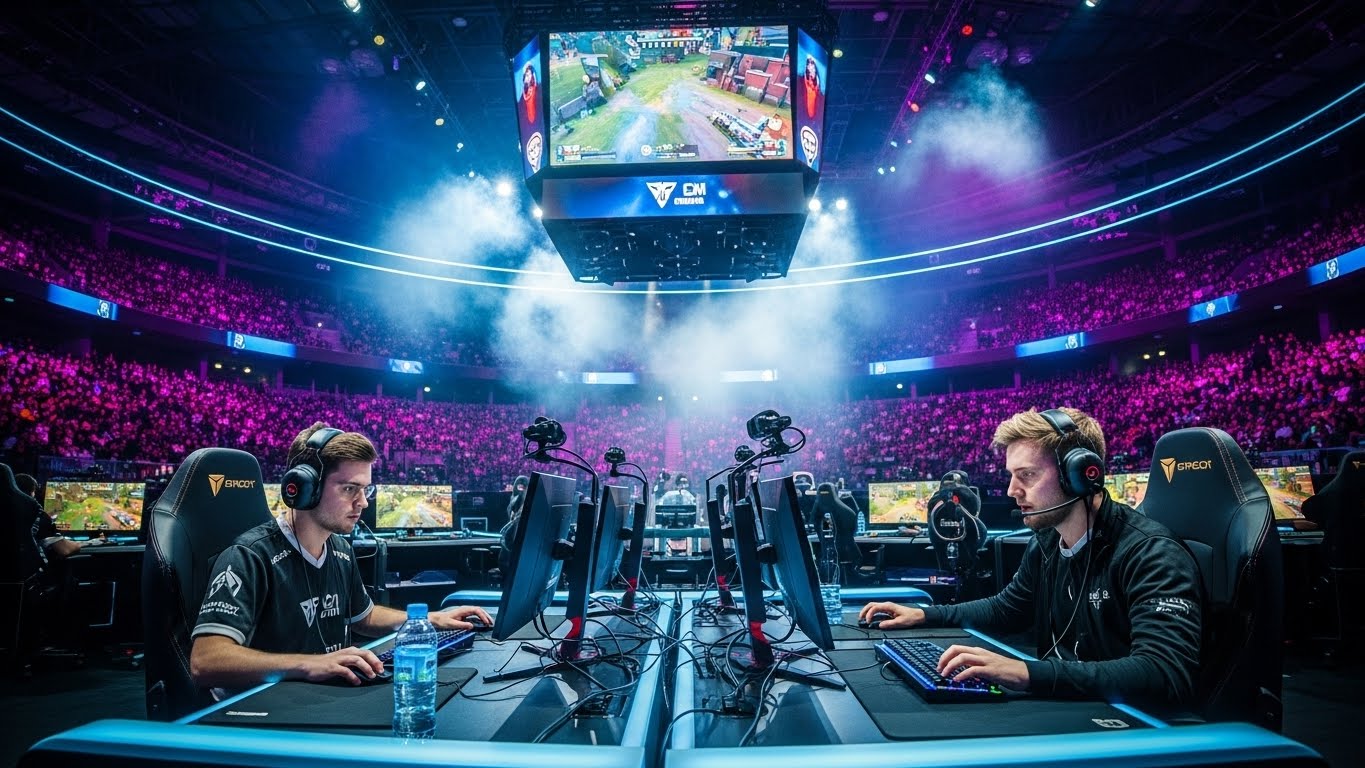
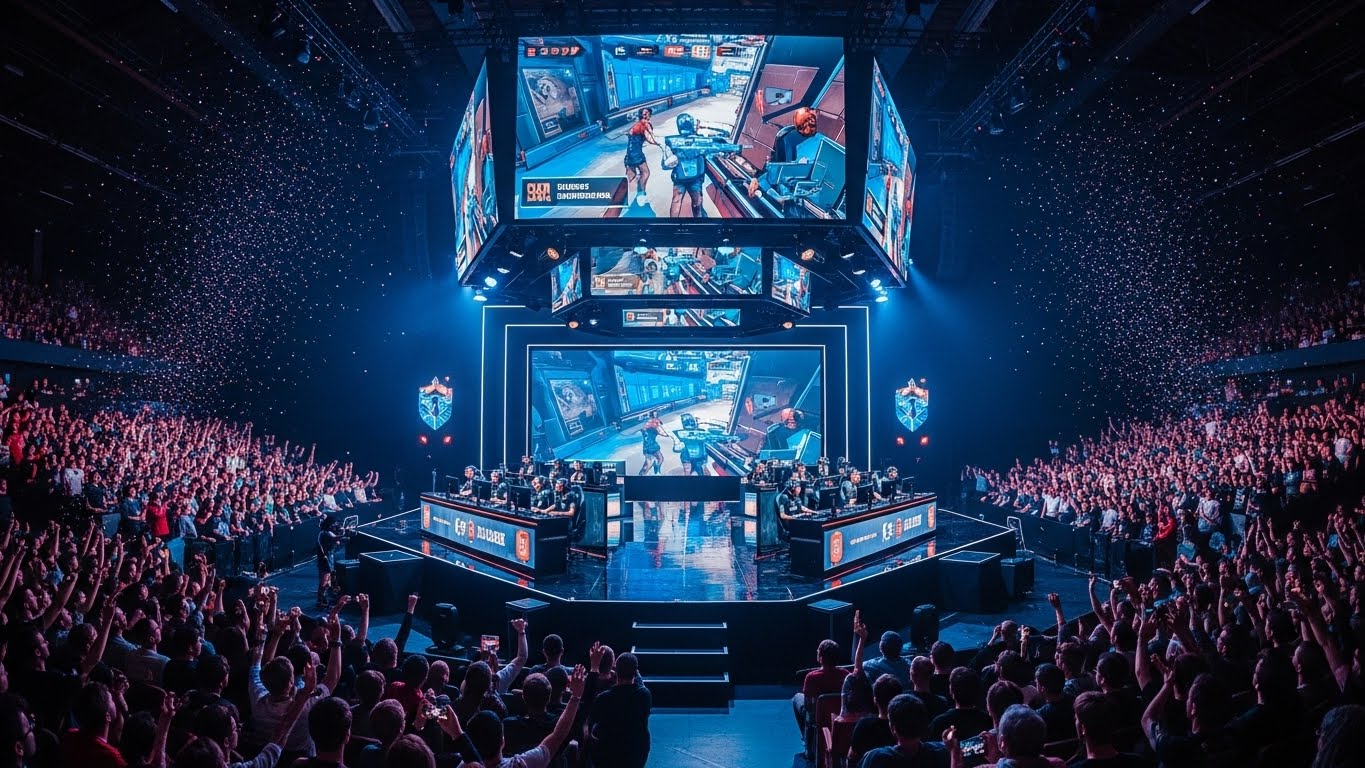
Today, eSports is a global industry worth billions. With professional leagues, international tournaments, and an ever-growing fanbase, the competitive gaming scene has expanded beyond its roots in online gaming communities to become a mainstream entertainment medium. Games like League of Legends, Dota 2, Counter-Strike: Global Offensive, Overwatch, and Fortnite now boast millions of players, with prize pools reaching into the tens of millions of dollars.
The International Dota 2 Championship, for example, holds the record for the largest prize pool in eSports history, with $40 million awarded to players in 2021. This immense financial backing has not only made eSports a profitable industry for players and organizers but has also attracted sponsors, investors, and traditional sports teams looking to tap into the growing market.
One of the key factors behind the success of eSports is its ability to transcend geographical boundaries. Unlike traditional sports that rely on physical infrastructure like stadiums and arenas, eSports can be played and streamed online, allowing viewers from around the world to tune in to live competitions. Streaming platforms like Twitch, YouTube Gaming, and Facebook Gaming have enabled fans to watch their favorite players and teams in real-time, further expanding the global reach of eSports.
The Rise of Streaming and Fan Engagement
At the heart of eSports’ global success is the rise of live streaming. Twitch, the leading platform for live streaming video games, has played a crucial role in bringing eSports into the mainstream. With over 15 million daily active users, Twitch has become the primary destination for fans who want to watch competitive gaming, interact with players, and engage with other fans in real-time.
Streaming platforms have created a unique relationship between players and fans, as viewers can watch players practice, play in tournaments, and communicate directly with them through live chats. This level of fan engagement is unprecedented in traditional sports, where the barrier between fans and players is often much higher.
Top eSports players have become influencers in their own right, with millions of followers on platforms like Twitch, YouTube, and Instagram. These players not only compete but also stream their gameplay, providing behind-the-scenes access to their lives and connecting with their fanbase on a personal level. As a result, fans are not only invested in the outcomes of tournaments but also in the personalities and stories of the players themselves. This sense of community has been one of the driving forces behind the popularity of eSports.
Professionalization of eSports
As eSports has grown, so has its professionalization. What was once an activity pursued by hobbyists and enthusiasts has now become a legitimate career path for thousands of players, coaches, analysts, and support staff. Professional eSports organizations have sprung up around the world, and top-tier players are now signing contracts, receiving salaries, and competing in major leagues with lucrative prize pools.
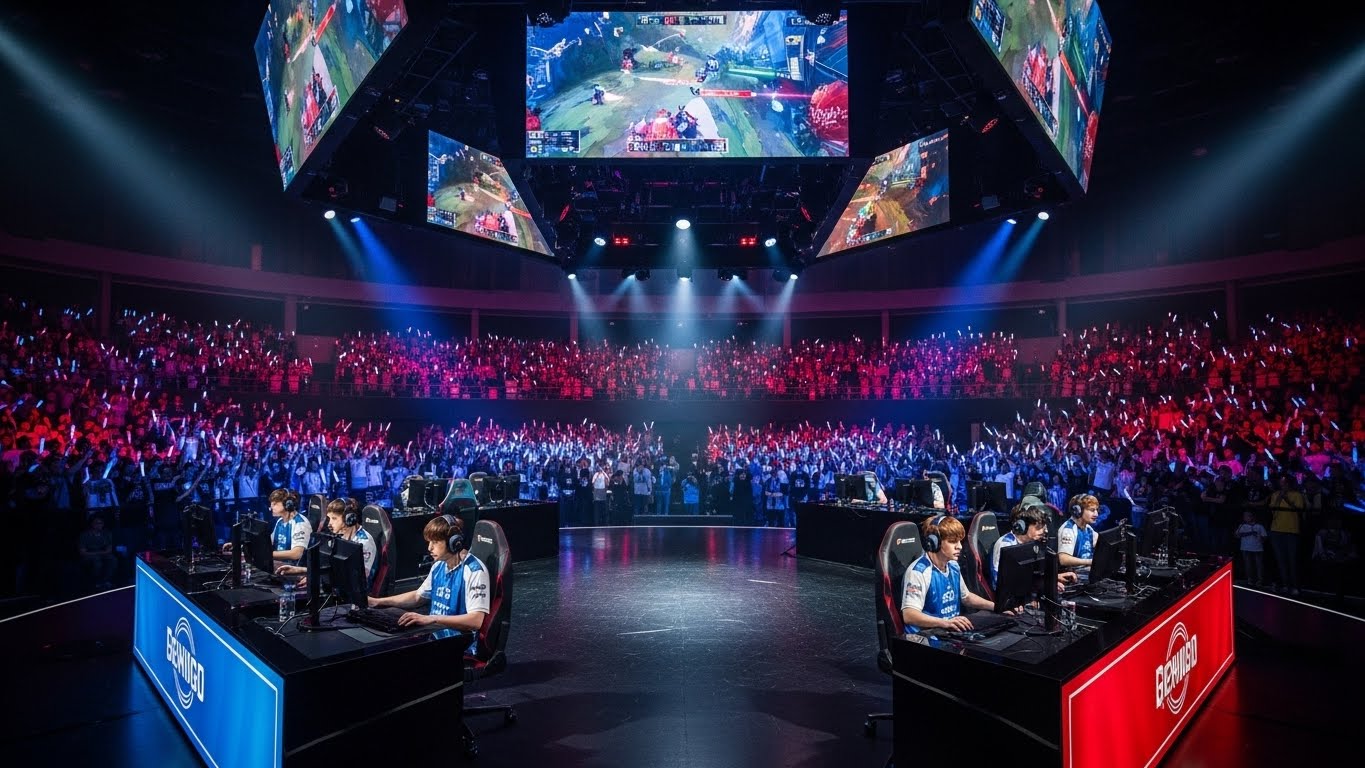
The structure of eSports leagues mirrors that of traditional sports. For example, the League of Legends Championship Series (LCS) is a professional league with a regular season, playoffs, and finals, where the best teams compete for a multi-million-dollar prize. Similarly, the Overwatch League (OWL) follows a city-based franchise model similar to traditional American sports leagues like the NBA and NFL.
Coaches, analysts, and team managers are now integral parts of professional eSports teams. These individuals provide strategic advice, analyze opponents, and help players improve their gameplay. Teams train and practice just like traditional sports teams, spending hours daily honing their skills and preparing for upcoming matches. Top players can earn salaries comparable to professional athletes, with additional income from sponsorships, streaming, and merchandising.
One of the most important aspects of professional eSports is the support staff. Just as a traditional sports team relies on coaches, trainers, and medical staff, eSports teams have performance analysts, nutritionists, psychologists, and even fitness coaches who help players maintain peak physical and mental health.
eSports and the Appeal to Traditional Sports Fans
While eSports initially attracted a core group of gamers, its appeal has spread to a wider audience. Traditional sports fans, particularly younger demographics, have started to embrace eSports as a form of entertainment. This shift has been driven in part by the similarities between traditional sports and competitive gaming. Both require skill, strategy, teamwork, and individual performance, making them relatable to fans of traditional sports.
The overlap between traditional sports and eSports is evident in the partnerships between eSports organizations and professional sports teams. For example, NBA teams like the Philadelphia 76ers and the Golden State Warriors have invested in eSports organizations, while traditional sports broadcasters like ESPN and Turner Sports have begun airing eSports events. This convergence of traditional sports and eSports reflects a growing recognition of competitive gaming as a legitimate form of entertainment.
Moreover, many eSports events are broadcast in the same way as traditional sports, with live commentary, expert analysis, and in-depth coverage. Major eSports tournaments, such as the League of Legends World Championship and The International for Dota 2, are often broadcast on TV networks, attracting millions of viewers worldwide.
The Cultural Impact of eSports
eSports is more than just a form of entertainment; it is also a cultural movement. The rise of competitive gaming has created a new wave of gaming culture, with players and fans embracing video games as a form of self-expression and identity. Gaming has become a social activity, with players forming communities around their favorite games, discussing strategies, and sharing content online.
The eSports community is incredibly diverse, with players and fans from all over the world coming together to celebrate their love for gaming. This global reach has helped foster a sense of inclusivity and belonging among players, breaking down cultural and geographic barriers. In addition, eSports has become an outlet for self-expression, with players and fans using platforms like Twitch to showcase their personalities and talents.
One of the most exciting aspects of eSports is its ability to bring people together. Fans from different countries and cultures can come together online to support their favorite teams, players, and games, creating a sense of global unity. Through live streaming, social media, and online communities, eSports has become a vehicle for cultural exchange and collaboration.
The Future of eSports
The future of eSports looks incredibly promising. As technology continues to advance, the possibilities for the evolution of eSports are endless. Virtual reality (VR) and augmented reality (AR) are set to play a major role in the future of competitive gaming, offering players and fans new ways to experience eSports. Imagine watching a League of Legends match from the perspective of a player, or even participating in a tournament as a player yourself, all through VR or AR technology.
Additionally, the growth of mobile gaming is expected to further expand the reach of eSports. Games like PUBG Mobile and Arena of Valor have already proven that competitive gaming isn’t limited to desktop or console platforms. As mobile devices become more powerful, we can expect even more opportunities for competitive gaming to reach new audiences.
Furthermore, the growing acceptance of eSports in mainstream media and traditional sports leagues will only further solidify its place in the entertainment landscape. The integration of eSports into traditional sports venues, such as stadiums and arenas, will make it even more accessible to fans and players alike.
Conclusion
eSports has come a long way from its humble beginnings, evolving into a global industry that is redefining the future of competition and entertainment. With millions of fans, professional leagues, and massive sponsorships, competitive gaming is now an integral part of the entertainment world. The rise of eSports has not only changed the way we view video games but also how we think about sports and competition. As technology continues to advance and the industry grows, eSports is poised to become an even more significant force in the world of entertainment, inspiring new generations of players, fans, and viewers alike.