




Introduction
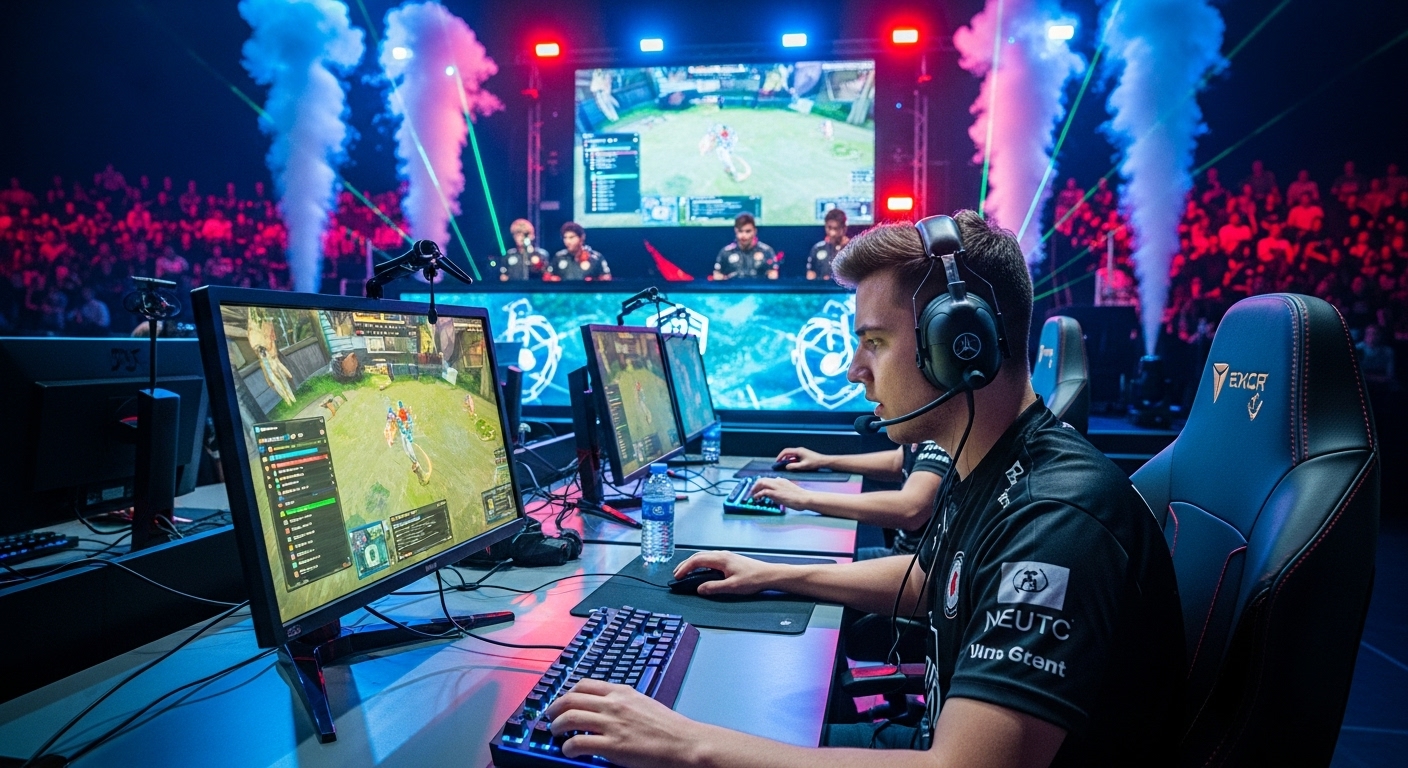
Esports, or competitive gaming, has transformed from a niche hobby into a global phenomenon. Once considered a pastime for casual gamers, it is now recognized as a professional sport with organized leagues, multi-million-dollar tournaments, and star athletes who command fan followings rivaling traditional sports. The rise of esports has not only redefined entertainment and competition but has also created new career paths, business opportunities, and cultural trends.
As technology continues to evolve and online platforms expand, esports is poised to become an integral part of the sports and entertainment landscape. Understanding the growth, challenges, and potential of this industry provides insight into how digital competition is shaping modern society.
The Origins of Esports
The history of esports dates back to the early days of video gaming. In the 1970s and 1980s, arcade competitions and early console tournaments laid the groundwork for competitive gaming. Events like the Space Invaders Championship in 1980 attracted thousands of participants and demonstrated that gaming could be more than a personal pastime—it could be a competitive endeavor.
The 1990s saw the emergence of multiplayer games such as Quake, StarCraft, and Counter-Strike, which fostered online communities and early professional competitions. Internet connectivity allowed players from different countries to compete virtually, giving rise to the first international esports events. These tournaments proved that skill, strategy, and teamwork could be measured and celebrated just like traditional sports.
The Explosion of Online Platforms
The 2000s marked a turning point for esports with the advent of online streaming platforms. Services like Twitch and YouTube allowed gamers to broadcast matches to global audiences, turning local competitions into worldwide spectacles. Fans could watch live events, learn strategies, and engage with players directly.
Streaming platforms also helped professionalize esports. Gamers could earn income through sponsorships, donations, and advertising, creating opportunities to pursue gaming as a full-time career. The accessibility of online content democratized the industry, enabling talent to emerge from any corner of the world.
Popular Esports Titles and Their Communities
Esports encompasses a wide variety of game genres, each with its unique competitive scene. Multiplayer online battle arenas, or MOBAs, such as League of Legends and Dota 2, emphasize strategy, teamwork, and fast-paced decision-making. First-person shooters like Counter-Strike: Global Offensive, Valorant, and Call of Duty focus on precision, reflexes, and tactical coordination.
Fighting games, sports simulations, and real-time strategy games also have dedicated communities and professional circuits. Each title fosters a culture of its own, with fan bases, professional teams, and content creators contributing to vibrant ecosystems. These communities are often as passionate as those in traditional sports, forming loyal fan bases, forums, and live-event followings.
The Professionalization of Esports
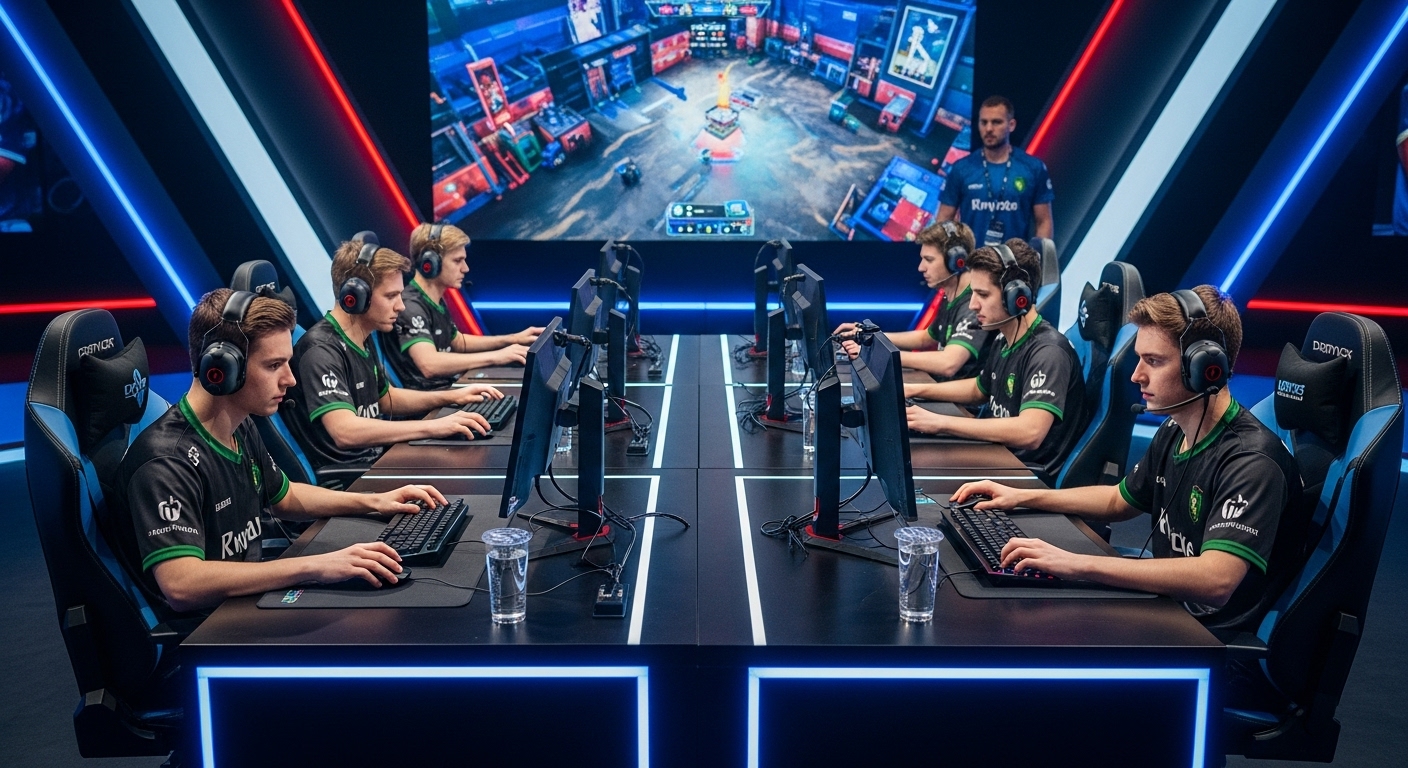
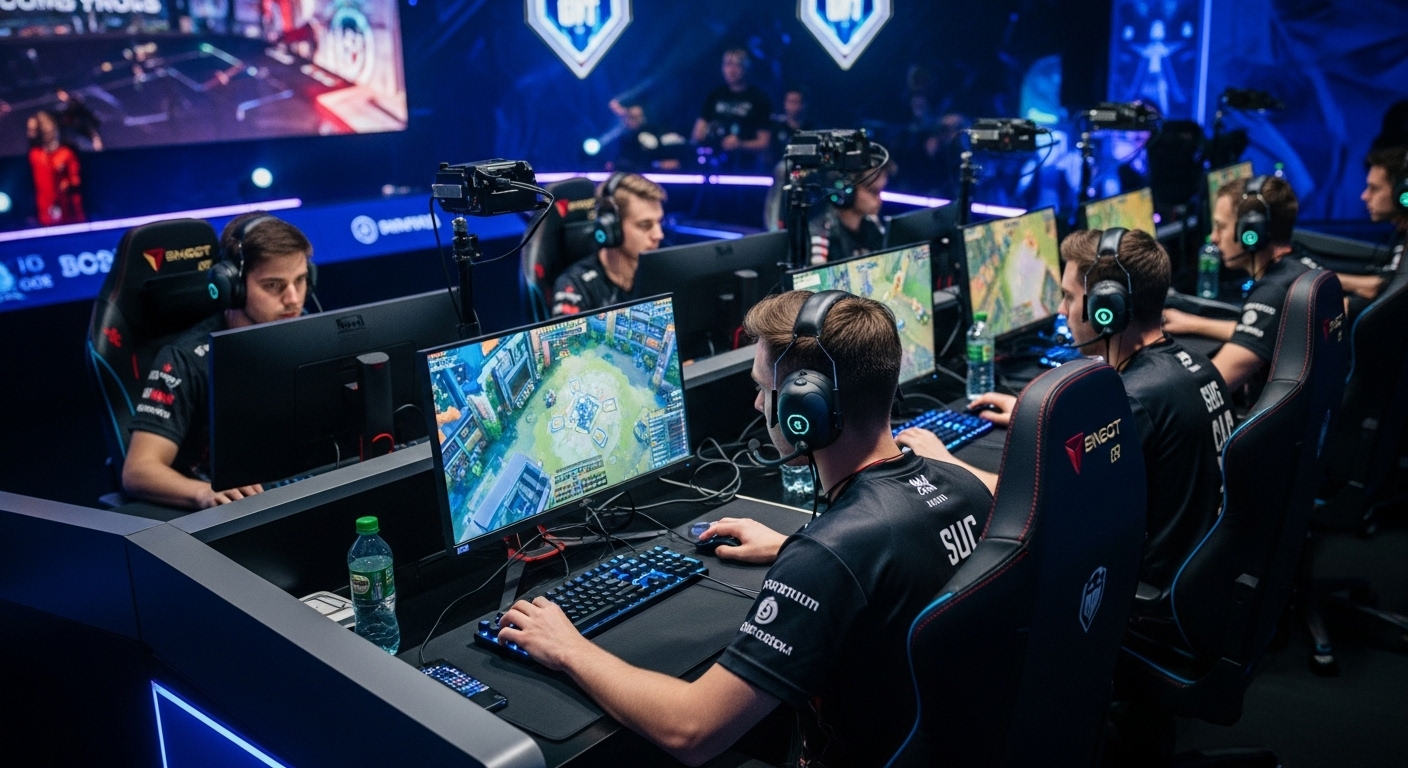
The growth of esports as a professional industry has been remarkable. Teams operate with structured management, coaching staff, nutritionists, and psychologists to optimize performance. Players sign contracts, receive salaries, and participate in training programs, mirroring the organization of conventional sports leagues.
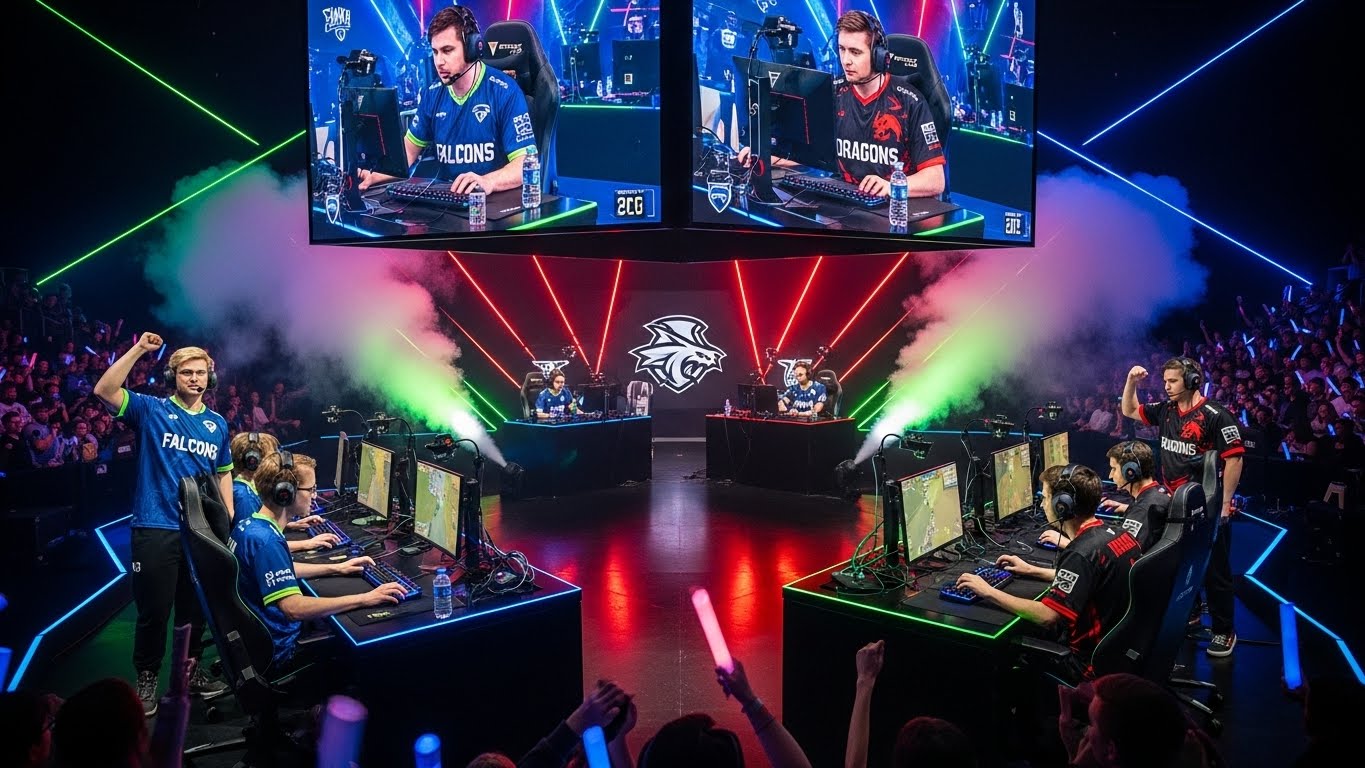
Major tournaments now offer prize pools reaching millions of dollars. Events like The International in Dota 2 and the League of Legends World Championship attract hundreds of thousands of live spectators and millions more online. Corporate sponsorships from technology brands, apparel companies, and even non-endemic brands have fueled the expansion, turning esports into a legitimate global industry.
The Global Impact of Esports
Esports has become a worldwide cultural movement. In Asia, countries like South Korea and China have integrated esports into mainstream culture, with government support, dedicated esports arenas, and televised events. In North America and Europe, professional leagues rival traditional sports in both viewership and sponsorship revenue.
The global reach of esports has also contributed to cross-cultural exchange. Players, teams, and fans from different countries compete and collaborate, fostering international communities united by shared passion. This global connectivity demonstrates that esports is not merely entertainment—it is a bridge across cultures and a platform for global engagement.
The Role of Streaming and Content Creation
Streaming platforms have transformed esports into a 24/7 spectacle. Fans no longer need to wait for live tournaments to engage with their favorite players. They can watch streams, tutorials, and behind-the-scenes content anytime, creating continuous interaction between players and audiences.
Content creation extends beyond gameplay. Esports personalities produce vlogs, commentary, and lifestyle content, humanizing professional players and deepening fan engagement. The rise of social media further amplifies the reach, allowing fans to participate in conversations, memes, and community events. Streaming and content creation are now central to the economics and culture of esports, sustaining both popularity and revenue.
Esports and Traditional Sports Collaboration
Esports has also begun collaborating with traditional sports organizations. Football clubs, basketball teams, and other professional sports entities have launched esports divisions, recognizing the crossover potential between fan bases. Leagues like the NBA 2K League and FIFA eWorld Cup blend traditional sports branding with digital competition, creating new markets and audiences.
These collaborations have helped legitimize esports further, positioning it as an established form of professional competition. The partnership between traditional and digital sports illustrates the evolving nature of athletic entertainment in the 21st century.
Career Opportunities in Esports
The growth of esports has created a wide range of career opportunities beyond competitive play. Players, coaches, analysts, and commentators form the core of professional competition, but support roles such as event management, marketing, graphic design, and video production are equally important.
Additionally, esports journalism, content creation, and streaming management have become viable professions. The industry’s rapid expansion ensures that talent in technology, business, and creative arts can all find a place within esports, making it a dynamic and multidisciplinary field.
Challenges Facing Esports
Despite its growth, esports faces challenges that need to be addressed. Player burnout is a significant concern due to long hours of practice and high-pressure competition. Mental health and physical strain, including repetitive strain injuries and eye strain, require careful management and support.
The industry also faces issues related to regulation, fairness, and cheating. Ensuring competitive integrity is essential to maintain credibility. Moreover, there is an ongoing challenge in bridging the gender gap and promoting inclusivity, as professional esports remains largely male-dominated. Addressing these challenges is crucial for the sustainable growth of the industry.
The Future of Esports
The future of esports is bright and full of potential. Technological advancements such as virtual reality and augmented reality are likely to redefine gameplay, creating immersive experiences for both players and audiences. Artificial intelligence can assist in training, strategy analysis, and event management, further professionalizing the industry.
Education and grassroots development will play a critical role in sustaining growth. Schools and universities are beginning to offer esports programs, scholarships, and training facilities, nurturing talent from an early age. As infrastructure and support systems improve, esports will continue to expand, attracting larger audiences and deeper investment.
Esports as a Cultural Phenomenon
Beyond competition, esports has become a cultural movement. It influences fashion, music, and entertainment, integrating into everyday life for millions of fans. Gaming merchandise, online communities, and esports-inspired content have become part of youth culture, bridging the gap between digital and physical experiences.
Esports also fosters a sense of identity and belonging. Fans and players alike find community, support, and friendship through shared passion. The cultural impact of esports demonstrates that it is more than a sport—it is a lifestyle and a social force shaping the modern digital age.
Conclusion
Esports has grown from a niche hobby into a global industry that rivals traditional sports in both popularity and economic impact. Its rise has redefined competition, entertainment, and cultural engagement. With professional leagues, streaming platforms, and international tournaments, esports has established itself as a legitimate and influential part of the modern world.
As technology continues to evolve, esports will grow in both scale and sophistication, offering immersive experiences, career opportunities, and cultural relevance. Its future promises innovation, inclusivity, and global connectivity, making esports not just a form of entertainment but a defining feature of the digital age. The rise of digital champions is a testament to the power of gaming, skill, and community in shaping the future of competitive sports.