




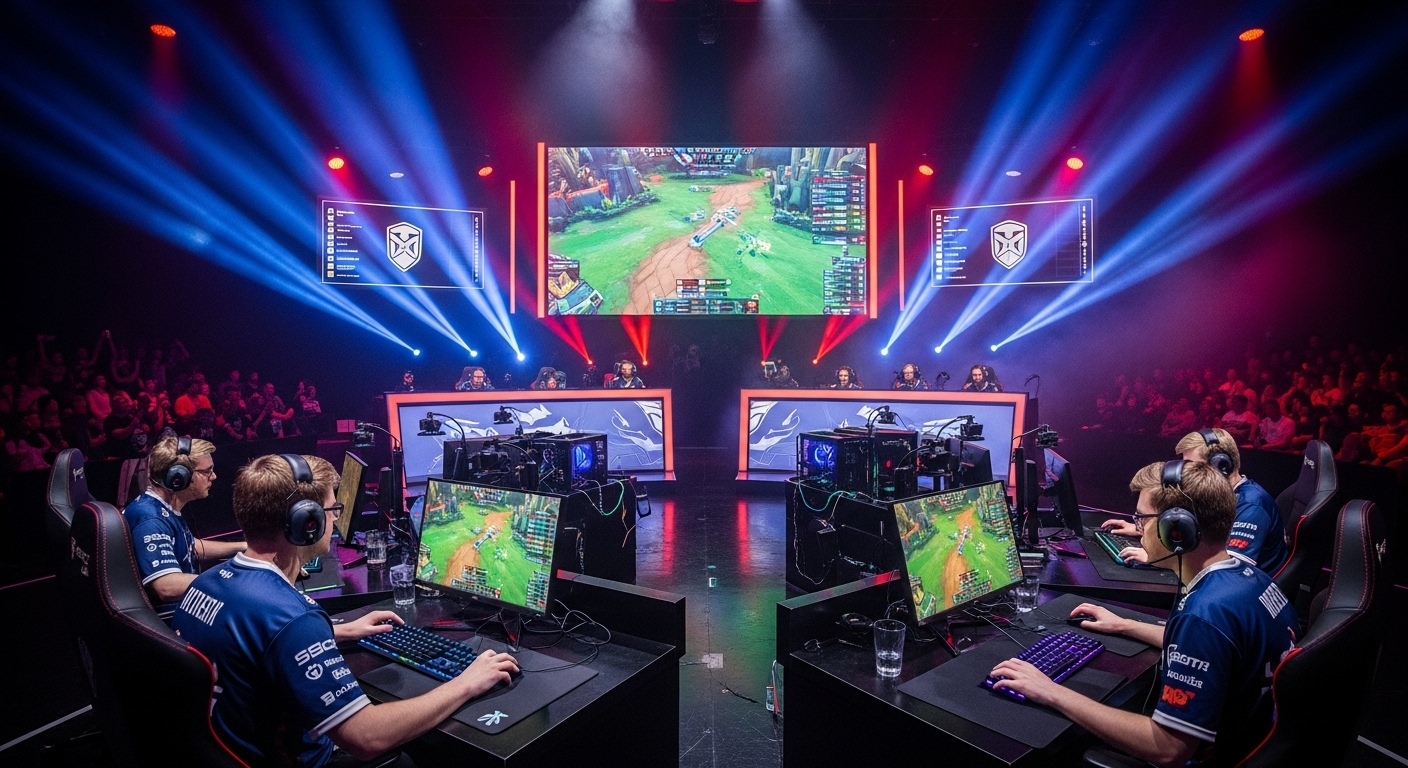
The story of esports is one of passion, community, and relentless evolution. What began as casual gaming sessions among friends has transformed into a global phenomenon that fills arenas, awards multi-million-dollar prize pools, and attracts audiences that rival traditional sports. The journey of competitive gaming is not just about technology; it’s a testament to human ambition, creativity, and connection.
The Origins of Competitive Gaming
Before the term “esports” even existed, gamers were already battling it out for pride and high scores. The earliest known competitive gaming event took place in 1972 at Stanford University, where students competed in a game called Spacewar. The prize was modest—a year’s subscription to Rolling Stone magazine—but it symbolized the spirit that would later define esports: the thrill of competition and the joy of community.
In the 1980s, video games moved from arcades to living rooms. Titles like Pac-Man and Donkey Kong sparked the first high-score competitions, and magazines began publishing leaderboards. The emergence of home consoles like the Atari and Nintendo Entertainment System made gaming more accessible, and players around the world started to dream of being the best. Although online gaming didn’t yet exist, the seeds of organized competition were already planted.
The Internet Revolution and the Birth of Modern Esports
The 1990s marked a turning point. With the rise of personal computers and internet connectivity, gamers were no longer limited to local matches. Multiplayer games like Doom, Quake, and StarCraft introduced online play, allowing players to compete from their own homes. This shift laid the foundation for esports as we know it.
The first major professional tournaments began to appear. QuakeCon in 1996 and the Cyberathlete Professional League (CPL) in 1997 were early milestones. South Korea quickly became a hub for competitive gaming, especially with the release of StarCraft in 1998. Korean television networks began broadcasting matches, and professional players became celebrities. The model Korea built—structured leagues, sponsorships, and fan engagement—became a blueprint for the rest of the world.
The Early 2000s: Esports Finds Its Identity
As broadband internet became more common in the early 2000s, esports started to find its identity. Games like Counter-Strike, Warcraft III, and Halo attracted both players and spectators. Online platforms such as Battle.net and early streaming tools helped communities form and grow.
During this time, major tournaments such as the World Cyber Games (WCG) and Electronic Sports World Cup (ESWC) gained international attention. These competitions brought players from around the world together, elevating esports from a niche hobby to a global stage. For the first time, players were representing countries, earning salaries, and signing sponsorship deals.
However, challenges persisted. Infrastructure, organization, and mainstream acceptance were still in their infancy. Many players juggled esports careers with studies or day jobs. Yet despite the hurdles, passion kept the scene alive. For every setback, there was a breakthrough that pushed esports closer to legitimacy.
The Streaming Era: Esports Goes Mainstream
The late 2000s and early 2010s brought a new force that changed everything—streaming. Platforms like Justin.tv (which later became Twitch) revolutionized how fans consumed esports. Instead of reading about tournaments or downloading replays, audiences could now watch live matches, interact with players, and join global discussions in real-time.
Streaming didn’t just make esports accessible; it made it personal. Fans could follow their favorite players daily, witness behind-the-scenes moments, and even chat directly with them. This level of interaction built stronger connections and created a culture where esports stars became as relatable as they were skilled.
Games like League of Legends, Dota 2, and Counter-Strike: Global Offensive flourished under this model. Riot Games, Valve, and other developers realized the potential of organized esports ecosystems and began investing heavily in tournaments, broadcasting, and community engagement. Esports was no longer just a pastime—it was an industry.
The Big Leagues: Stadiums, Sponsors, and Spectacle
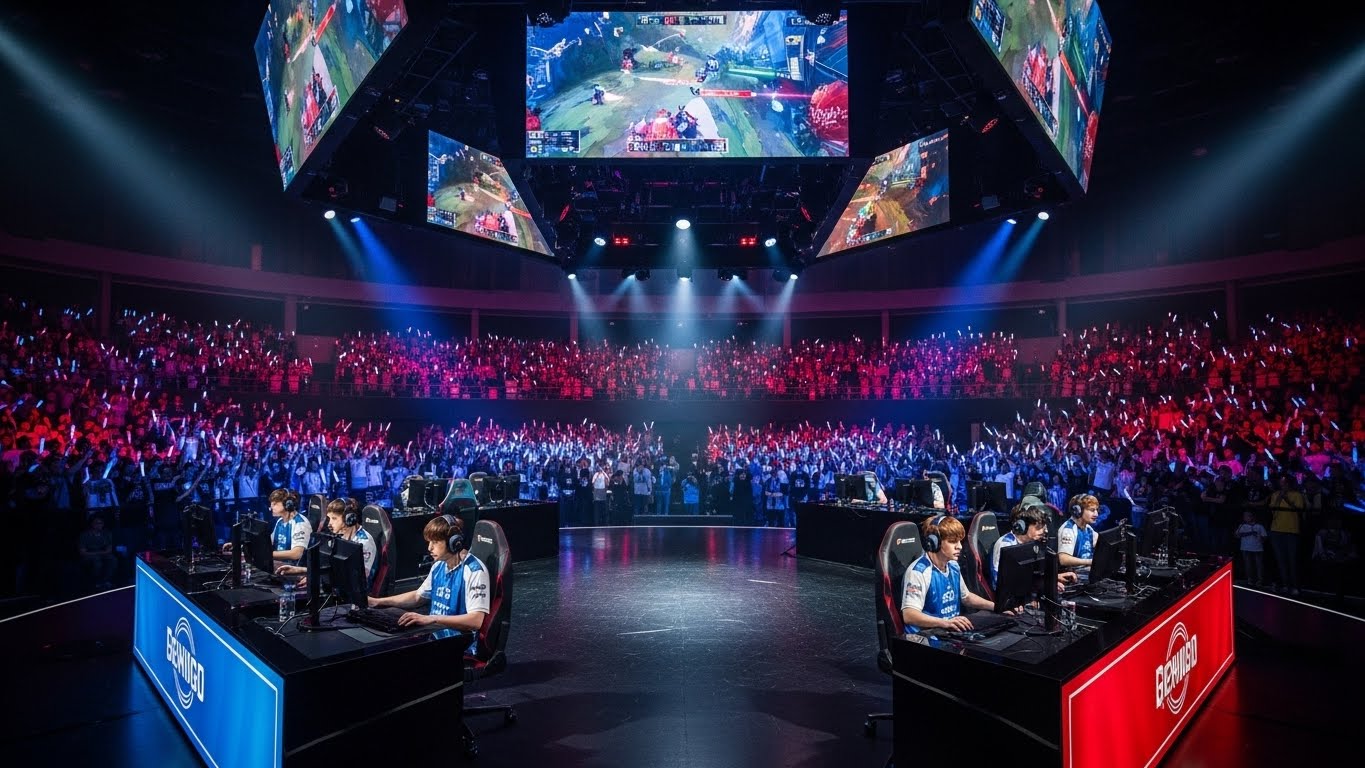
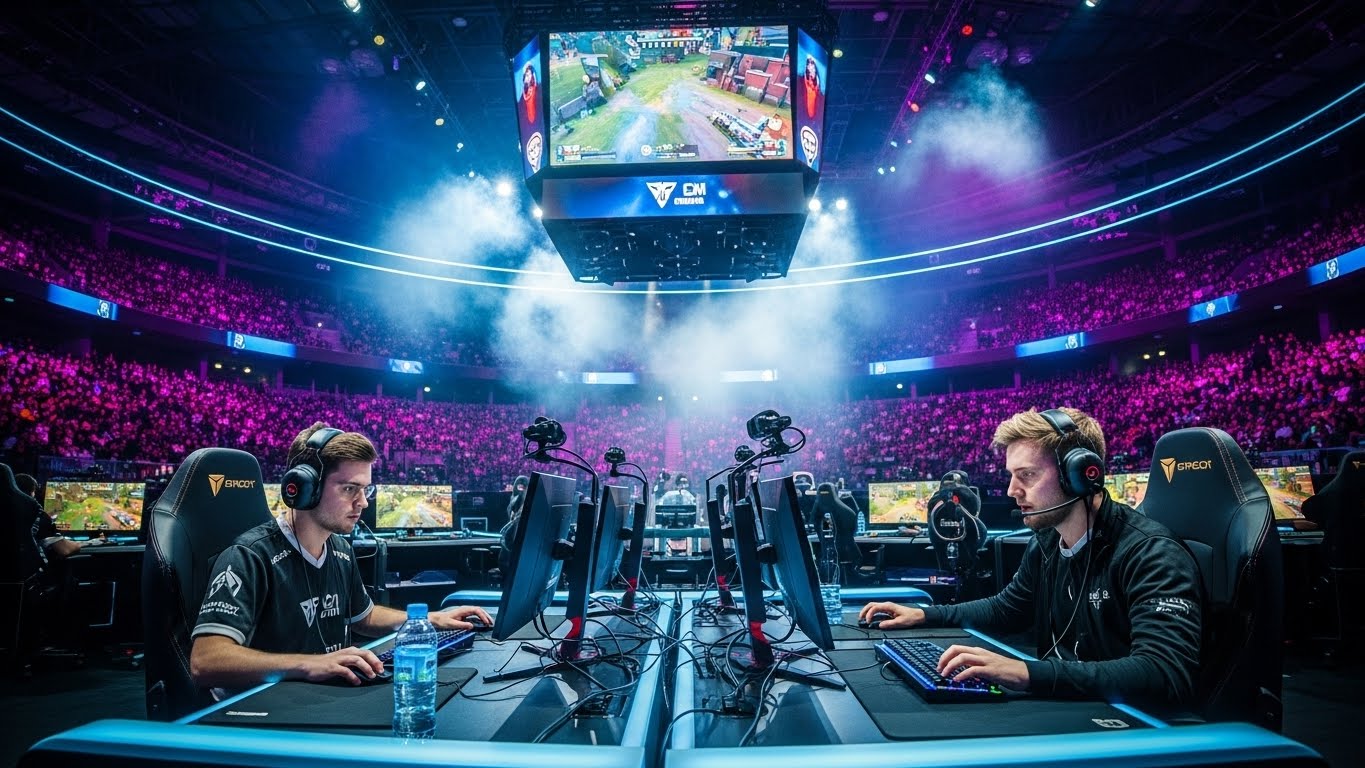
By the mid-2010s, esports had evolved into a global entertainment powerhouse. Major tournaments like The International for Dota 2 and League of Legends World Championship filled massive arenas. Millions of viewers tuned in online, and prize pools reached astonishing heights—often surpassing those of traditional sports events.
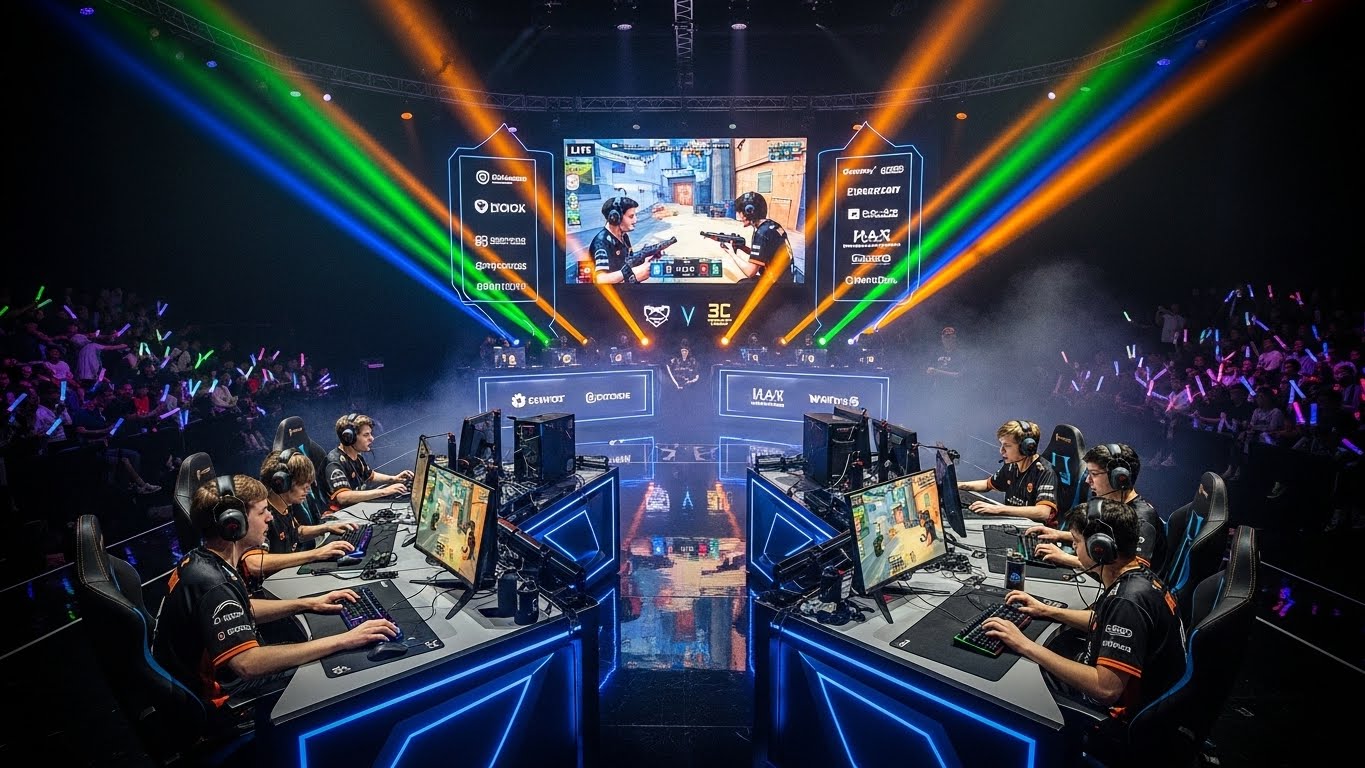
Sponsors ranging from tech companies to soft drink brands joined the scene, recognizing esports’ marketing potential. Major sports franchises began investing in esports teams, while cities competed to host international tournaments. The production quality of esports broadcasts rivaled that of the biggest televised sporting events, complete with commentary, analysis desks, and elaborate stage designs.
What once started as basement competitions now featured fireworks, roaring crowds, and championship trophies engraved with legends’ names. Esports wasn’t just entertainment anymore—it was culture.
The Business of Esports
Behind the excitement of the matches lies a complex business ecosystem. Esports generates revenue through sponsorships, advertising, ticket sales, media rights, and merchandise. According to industry analysts, global esports revenue has surpassed a billion dollars annually, with continued growth expected as more brands enter the market.
Professional organizations operate like traditional sports teams, with managers, coaches, analysts, and dedicated support staff. Players often sign contracts, receive salaries, and adhere to training regimens that rival professional athletes. Endorsements, streaming deals, and content creation have also become significant income sources for top players.
Franchised leagues, such as the Overwatch League and Call of Duty League, introduced structured competition similar to the NBA or NFL. These leagues established city-based teams, regular seasons, and playoffs, further legitimizing esports in the eyes of mainstream audiences.
The Culture of Esports and Its Community
Esports thrives not just on competition, but on community. Fans are deeply invested, not only in the games but also in the stories of the players and teams. Online forums, Discord servers, and social media have created spaces where fans can connect, debate strategies, share memes, and celebrate victories together.
Gaming culture also transcends borders. Esports has become a universal language, uniting people across countries and backgrounds. A player in Brazil can share a match highlight with someone in Japan, and they both instantly understand the thrill of a clutch play or a perfect strategy.
This shared culture has even influenced fashion, music, and media. From gamer-inspired clothing lines to esports references in mainstream films and songs, the influence of competitive gaming has become impossible to ignore.
The Role of Technology in Esports Growth
The evolution of esports has always been tied to technology. High-speed internet, powerful gaming hardware, and improved software have made global competition seamless. Modern streaming platforms can broadcast high-definition matches to millions without delay, while social media ensures highlights go viral within minutes.
Virtual reality (VR) and augmented reality (AR) are opening new possibilities for immersive viewing experiences. Fans may soon attend matches virtually, walking through digital arenas or standing beside their favorite players. AI-driven analytics are also enhancing both gameplay and coaching, offering insights that were once unimaginable.
The growth of mobile gaming has further expanded esports’ reach. Titles like PUBG Mobile and Mobile Legends have turned smartphones into competitive arenas, especially in regions like Southeast Asia, India, and the Middle East. Mobile esports has proven that accessibility, not hardware, defines the future of competition.
Challenges and Controversies
Despite its success, esports faces its share of challenges. Player burnout is a growing concern, as rigorous schedules and constant travel can take a toll on mental and physical health. Some players retire in their early twenties after years of intense competition.
Toxicity in online communities and issues like cheating or match-fixing have also sparked debate about integrity and player welfare. As money and fame grow, maintaining ethical standards becomes crucial to protect the industry’s credibility.
Another challenge is diversity. While esports has made strides toward inclusivity, female representation remains limited at the top levels. Initiatives promoting diversity, safe spaces, and equitable opportunities are essential for the scene’s long-term sustainability.
Regulation is another emerging topic. As esports crosses borders and involves significant financial stakes, governments and organizations are beginning to discuss standardized rules, player rights, and legal protections. The path forward requires collaboration between developers, leagues, and regulators to ensure fairness and growth.
Esports and Traditional Sports: Rivals or Partners?
A frequent question arises: is esports replacing traditional sports, or complementing them? The truth is, it’s more of a partnership than a rivalry. Esports and sports share core values—discipline, teamwork, strategy, and entertainment. Many sports organizations have embraced esports rather than competing with it.
Football clubs like Manchester City, basketball organizations like the NBA, and even Formula 1 have invested in esports divisions. This crossover helps both industries learn from each other. Traditional sports bring decades of experience in event management and athlete care, while esports offers new ways to engage younger audiences and leverage digital platforms.
The lines between the two worlds continue to blur, as sports simulations like FIFA, NBA 2K, and Formula 1 Esports bridge real and virtual competition.
The Global Impact of Esports
Esports is more than just entertainment—it’s a cultural and economic force. It has created thousands of jobs in fields like event production, broadcasting, marketing, coaching, and content creation. Cities around the world now host esports arenas, training facilities, and educational programs dedicated to game design and management.
Esports scholarships have also emerged, with universities offering financial support to skilled players. Educational institutions are recognizing that gaming teaches valuable skills such as teamwork, problem-solving, and communication.
Moreover, esports has helped redefine how people perceive video games. Once dismissed as a waste of time, gaming is now recognized as a legitimate career path and a vibrant part of modern culture.
The Future of Esports
Looking ahead, the future of esports seems boundless. With technology advancing and audiences growing, new opportunities continue to emerge. Artificial intelligence could reshape training methods, analyzing player behavior and suggesting strategies in real-time. Virtual reality might turn esports into an even more immersive spectacle, where players and fans share the same digital arena.
Expansion into new genres and regions will further diversify the landscape. As internet infrastructure improves globally, countries in Africa, South America, and the Middle East are becoming new esports powerhouses. This global participation will bring fresh perspectives, talents, and rivalries that keep the scene dynamic.
Mainstream media integration is another frontier. Esports broadcasts are already appearing on television networks, and collaborations with entertainment giants are increasing. In the near future, esports may not just parallel traditional sports—it may redefine what sports mean in a digital world.
Conclusion: More Than a Game
Esports began as small gatherings of passionate players seeking competition and community. Today, it stands as one of the most influential cultural movements of the 21st century. It unites people through shared experiences, transcends boundaries of geography and language, and pushes technology and entertainment to new heights.
But beyond the bright lights and prize money, the true essence of esports remains unchanged—the love of play, the pursuit of mastery, and the thrill of connection. Whether you’re a professional competitor, a casual viewer, or someone discovering it for the first time, esports offers a space where skill, creativity, and passion converge.
The journey is far from over. As the industry continues to evolve, one thing is certain: esports isn’t the future—it’s the now.